Why Your Sunscreen Feels Greasy, Pills Under Make-Up Or Leaves A White Cast
Greasy finish, make-up pilling or a stubborn white cast can make sunscreen frustrating. Here’s why it happens, and how to apply it for a smoother, more comfortable finish.

Why Sunscreen Feels Greasy, Pills Under Make-Up And Leaves A White Cast
Few skincare products inspire as much loyalty, confusion and mild frustration as sunscreen. Everyone knows it matters. Dermatologists recommend it, beauty experts repeat it, and social media serves up reminders before breakfast. Still, the experience can feel less than glamorous. One sunscreen makes the forehead shine before the commute begins. Another gathers into little crumbs while blending foundation. A mineral formula may leave the face looking as though someone dusted it with chalk. Add heat, humidity, sweat and a rushed morning, and sunscreen can quickly become the least enjoyable step in the routine. These problems do not mean sunscreen “does not suit” the skin. More often, they point to a mismatch between the formula and the person using it. Skin type, climate, skincare layers, application method and even the time allowed between products can change the final result. Understanding why sunscreen behaves badly makes it easier to fix. The aim is not to chase a mythical perfect product. It is to find a formula and routine that work together without turning the face into an oil slick, a flaky canvas or a ghostly mask.
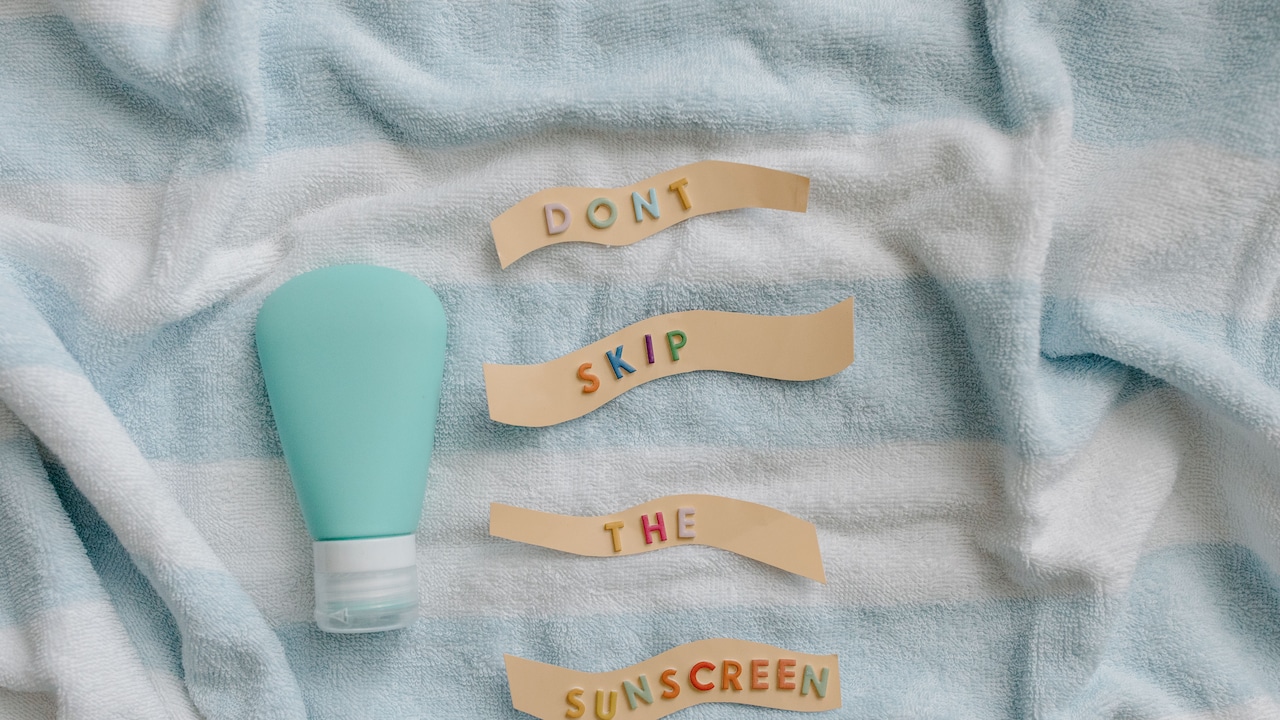
Why Sunscreen Feels Greasy, Pills Under Make-Up And Leaves A White Cast; Photo Credit: Pexels
What Your Sunscreen Is Trying To Tell You
1. The Formula May Be Too Rich For Your Skin
A sunscreen that feels nourishing on dry skin can feel suffocating on an oily face. Rich formulas often contain emollients, oils, waxes or heavy moisturising agents. These ingredients help prevent dryness, but they can also create a noticeable film.
In warm, humid weather, that film may sit on top of the skin instead of settling comfortably. Sebum, sweat and sunscreen then mingle like uninvited guests at a crowded wedding. The result often looks shiny and feels sticky.
Texture labels offer useful clues. Creams and lotions usually suit normal to dry skin, while gels, fluids and lightweight emulsions often feel better on oily or combination skin. “Matte” can help, though some mattifying formulas may feel tight on dehydrated skin.
The answer does not always involve buying a new product. Try using a lighter moisturiser underneath or skipping moisturiser when the sunscreen already provides enough hydration. Skin that feels comfortable after cleansing may not need several creamy layers before sun protection.
A greasy finish often comes from too much richness across the entire routine, not sunscreen alone.
Also Read: In What Order Should You Apply Your Skincare Products
2. Your Moisturiser And Sunscreen May Be Competing
Skincare layering sounds simple until two perfectly good products refuse to cooperate. A thick moisturiser under a creamy sunscreen can create a heavy, slippery surface. The sunscreen struggles to settle, and the face feels coated for hours.
This usually happens when both products contain generous amounts of occlusive or smoothing ingredients. Each one tries to form a layer over the skin. Together, they can feel excessive, especially during hot mornings or long commutes.
The solution lies in balance. Pair a hydrating sunscreen with a light gel moisturiser. If the sunscreen already feels moisturising, apply it directly after a serum. Dry areas can still receive a small amount of cream, while oilier areas remain free from extra layers.
Give each product a little time to settle. Applying sunscreen immediately over wet moisturiser may dilute the texture and encourage slipping. A short pause of one or two minutes often improves the finish.
Think of skincare like getting ready for a family function. Too many accessories can overwhelm an otherwise lovely outfit. A simpler base often looks neater, feels lighter and behaves better throughout the day.
3. You May Be Applying Too Much At Once
Sun protection requires a generous amount, but generosity does not mean squeezing out a large blob and spreading it in one hurried sweep. A thick layer applied all at once may sit unevenly, feel greasy and take far longer to settle.
Dividing the required amount into two thin layers usually works better. Apply the first layer across the face, ears and neck. Let it settle briefly, then apply the second. This approach helps create more even coverage without forcing the skin to absorb a heavy mass of product in seconds.
Rubbing aggressively can also make matters worse. Fast, repeated rubbing generates friction and may disturb the skincare underneath. Gentle spreading and light pressing give the formula a better chance to form a smooth film.
The popular two-finger method offers a useful visual guide, though the exact amount can vary with face size and product consistency. The key is to use enough without treating sunscreen like wall putty.
A rushed application often creates the very problems people blame on the product. A little patience makes the finish smoother and protects against missed patches around the hairline, jaw and sides of the nose.
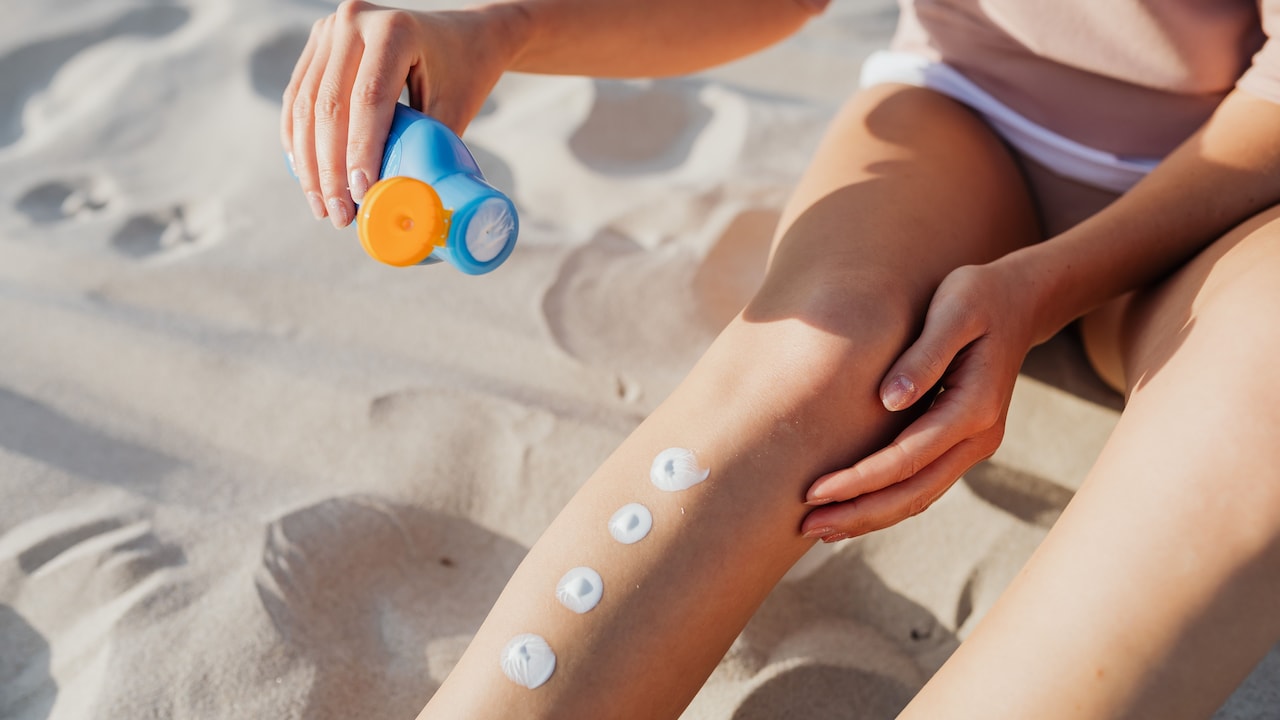
Why Sunscreen Feels Greasy, Pills Under Make-Up And Leaves A White Cast; Photo Credit: Pexels
4. Pilling Often Starts With Too Many Layers
Those tiny rolled-up flakes are not usually dry skin. They often consist of product layers rubbing against one another. This effect, known as pilling, tends to appear when several serums, creams, primers and sunscreen formulas build up on the face.
Certain film-forming ingredients, silicones, gums and thickeners can clash when layered. The problem becomes more obvious when each product receives a generous application. Instead of bonding smoothly, the layers remain separate and roll away under friction.
A simpler morning routine often solves the issue. Cleanser, one light serum, moisturiser if needed and sunscreen may work better than a seven-step ritual before office hours. Save richer treatments and multiple actives for the evening.
The order matters too. Apply thinner, water-based products first and thicker textures later. Allow each layer to settle before moving on.
Pilling does not automatically signal a poor-quality sunscreen. Sometimes the formula works beautifully on bare skin but rebels when placed over a sticky serum or silicone-heavy cream. Test the sunscreen with fewer products underneath. The culprit may reveal itself faster than expected.
5. Make-Up Can Disturb An Unsettled Sunscreen Film
Sunscreen needs time to form an even protective layer. Applying foundation immediately afterwards can break that layer apart, create streaks and cause pilling. The result may look patchy around the nose, chin and hairline.
A waiting period of roughly ten minutes can make a noticeable difference. This gives the sunscreen time to settle before brushes, sponges and fingers start moving across the face.
Application technique also matters. Dragging a brush repeatedly over sunscreen creates friction. A damp sponge used with light pressing motions often causes less disturbance. Fingers can work well too, particularly with skin tints, as long as the product is tapped rather than rubbed.
Heavy silicone primers may also clash with certain sunscreens. Test the routine without primer or use it only where needed, such as around visible pores. More product does not always produce a smoother base.
When make-up keeps rolling off, the temptation is to blame the foundation. Yet the real trouble may begin underneath. Let sunscreen finish its job before expecting it to behave like a make-up primer, moisturiser and protective shield all at once.
6. Mineral Filters Can Create A White Cast
Mineral sunscreens usually rely on zinc oxide, titanium dioxide or both. These filters protect the skin by interacting with ultraviolet radiation, but their naturally pale colour can remain visible after application.
The effect appears more strongly on medium to deep skin tones. A formula may look transparent on the back of the hand yet turn grey, purple or chalky across the face. Facial curves, facial hair and dry patches can make the cast even more noticeable.
Modern mineral sunscreens often use smaller particles, improved coatings or added tints to reduce this problem. Tinted versions can blend more naturally and may provide extra help against visible light, which can worsen some forms of pigmentation.
Application makes a difference as well. Warm the product between the fingers, spread it in thin sections and press it into the skin. Avoid leaving thick deposits around the brows and hairline.
Still, technique cannot completely fix a strongly whitening formula. A sunscreen should suit the person wearing it. Daily protection becomes far easier when the face still looks like the face, rather than an overenthusiastic dusting of compact powder.
7. Dry Or Dehydrated Skin Can Make Sunscreen Look Patchy
White cast and pilling become more obvious when sunscreen catches on dry flakes. The product collects around rough areas, making the skin look uneven even when the formula itself blends well elsewhere.
Dehydration can affect oily skin too. A face may produce plenty of sebum while still lacking water. In that situation, mattifying sunscreen can cling to dry patches and turn shiny in other areas by lunchtime.
Gentle preparation helps. Use a mild cleanser and apply a light hydrating serum or moisturiser before sunscreen. Avoid harsh scrubs in the morning, especially when the skin already feels tight or irritated. Exfoliation may help over time, but aggressive rubbing just before sunscreen can create redness and sensitivity.
Pay attention to the corners of the nose, around the mouth and between the eyebrows. These areas often reveal dryness first. A small amount of moisturiser applied only there may smooth the final finish without making the entire face greasy.
Sunscreen tends to look best on calm, comfortable skin. Treating the underlying dryness often improves the appearance more effectively than endlessly changing brands.
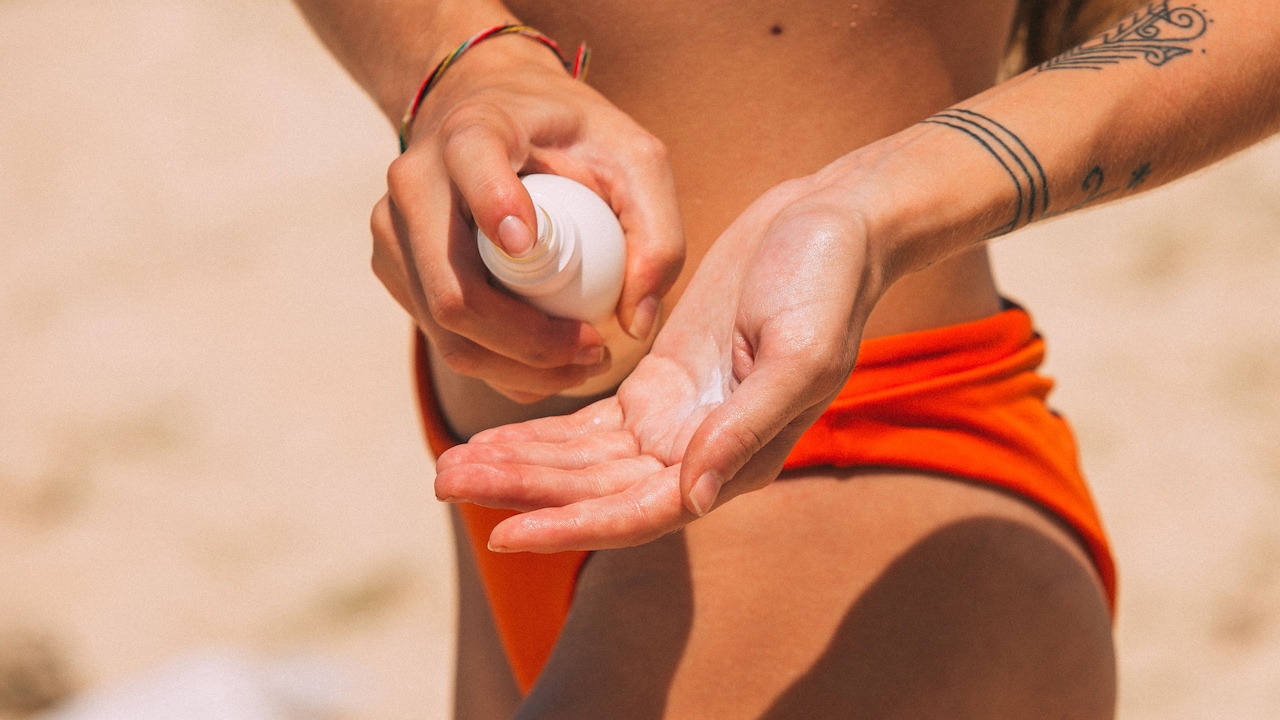
Why Sunscreen Feels Greasy, Pills Under Make-Up And Leaves A White Cast; Photo Credit: Pexels
8. Sweat And Humidity Can Turn Comfort Into Grease
A sunscreen that feels elegant in an air-conditioned room may behave very differently after ten minutes outdoors. Heat softens product films, while sweat adds moisture and salt. Sebum then joins the mix, creating a glossy finish that no product review filmed in winter could fully predict.
Humid weather calls for lighter textures and fewer layers. Water-resistant sunscreens often perform better during outdoor travel, exercise or long days in the sun. However, “water-resistant” does not mean sweat-proof forever. Reapplication still matters, particularly after heavy perspiration or wiping the face.
Blotting can reduce shine without removing too much product. Press a clean tissue gently over oily areas instead of rubbing. Later, reapply sunscreen carefully. A lightweight fluid, sunscreen stick or cushion format may feel easier for touch-ups, though even application remains important.
Expecting a completely dry, powdery face in peak summer may set an impossible standard. Sunscreen forms a protective film, and some sheen can come with that job. The goal is comfortable protection, not a face that behaves like polished marble from morning to evening.
9. Some Ingredients Simply Do Not Suit Your Preferences
Sunscreen chemistry affects how a formula feels. Alcohol can make a product dry quickly and feel light, but sensitive or dry skin may find it stinging. Silicones can create smoothness, though too many silicone-rich layers may pill. Oils and butters comfort dry skin but can feel heavy on an oily T-zone.
Fragrance does not cause greasiness or white cast, yet it can make an unpleasant experience worse for reactive skin. Eye irritation creates another common complaint. Some filters or fragrances may sting when sweat carries the product towards the eyes.
Personal preference matters as much as skin type. One person may love a dewy finish, while another calls the same sunscreen greasy. Someone who wears make-up daily may value quick settling more than extra moisture. A person who works outdoors may prioritise water resistance over a barely-there texture.
Instead of searching for a universally perfect sunscreen, look for one that fits daily life. A ₹500 formula that gets used every morning offers more value than a ₹2,000 bottle that remains untouched because the texture feels unbearable.
10. Reapplication Needs A Different Approach
Morning sunscreen may apply beautifully, yet reapplication can turn the face greasy, patchy or heavy. By midday, the skin already holds sebum, sweat, dust and perhaps make-up. Adding another thick cream layer can feel like placing fresh bedsheets over an unmade bed.
Start by removing excess oil gently. Blot the face with a tissue, especially around the forehead, nose and chin. Then apply sunscreen in thin layers. Press rather than rub, particularly over make-up.
Fluid sunscreens can work well for bare skin. Sticks and compact formats feel convenient over make-up, though they require several careful passes for adequate coverage. Sunscreen sprays may help with the body, but spraying them directly onto the face can lead to uneven application and accidental inhalation. Spray into the hands first when the label permits facial use.
Reapplication should respond to the day. Someone sitting away from windows indoors may need less frequent touch-ups than someone travelling by scooter at noon. The best method is the one that offers practical, even coverage without making the face feel buried under product.
Products Related To This Article
1. Hyphen All I Need Sunscreen SPF50 PA++++ In-Vivo Tested Moisturizing Sunscreen
2. Deconstruct Gel Sunscreen SPF 50 PA++++ -100% Photostable-Lightweight In-Vivo Tested
3. Mamaearth Rice Water SPF50 PA+++ Dewy Sunscreen with Niacinamide
4. Minimalist SPF 50 PA++++ Multi Vitamin Sunscreen
5. FIXDERMA Shadow SPF 50+ UVA & UVB Protection Gel Sunscreen
6. WishCare SPF50 Niacinamide Oil Balance Fluid Sunscreen for Face - In-Vivo Tested
7. Plum Rice Water & 2% Niacinamide SPF50 PA++++ Hybrid Sunscreen
Greasy sunscreen, make-up pilling, and white cast rarely come from one single mistake. The formula, skincare routine, weather, application style, and skin condition all influence the final finish.
A lighter moisturiser may solve excess shine. Fewer layers may stop pilling. A tinted or well-formulated hybrid sunscreen may reduce a chalky cast. Thin applications, gentle pressing, and enough settling time can transform the entire experience.
Daily sunscreen should not feel like a punishment for caring about the skin. It may take some testing, especially in a climate that shifts from dry heat to sticky humidity, but comfort and protection can exist together.
The right sunscreen is not necessarily the most expensive, the most viral, or the one with the fanciest packaging. It is the one that blends into the morning without drama, works with the products around it, and gets used in the correct amount.
After all, the most effective sunscreen is not the bottle admired on the dressing table. It is the one that actually makes it onto the face, neck, and ears every day.
(Disclaimer: This article may include references to or features of products and services made available through affiliate marketing campaigns. NDTV Convergence Limited (“NDTV”) strives to maintain editorial independence while participating in such campaigns. NDTV does not assume responsibility for the performance or claims of any featured products or services.)