Why Does My Hair Frizz Up Again Right After Straightening It
Why does hair frizz up again right after straightening it? Understand the real causes, from humidity to heat damage, plus simple fixes that make styles last.

Why Does My Hair Frizz Up Again Right After Straightening It
You spend a good forty minutes with the straightener, section by section, and your hair finally looks like glass. Then you step out, and by the time you reach college or the office, that puff around the crown is back like it never left. It feels almost personal, especially through the sticky months. If this keeps happening to you, you're definitely not the only one, and no, your straightener isn't broken. There are very real reasons why straightened hair bounces back to frizz within hours, and once you understand them, keeping hair sleek for days instead of hours becomes a lot more doable. Here is what you should know about it to enable you to control it better.

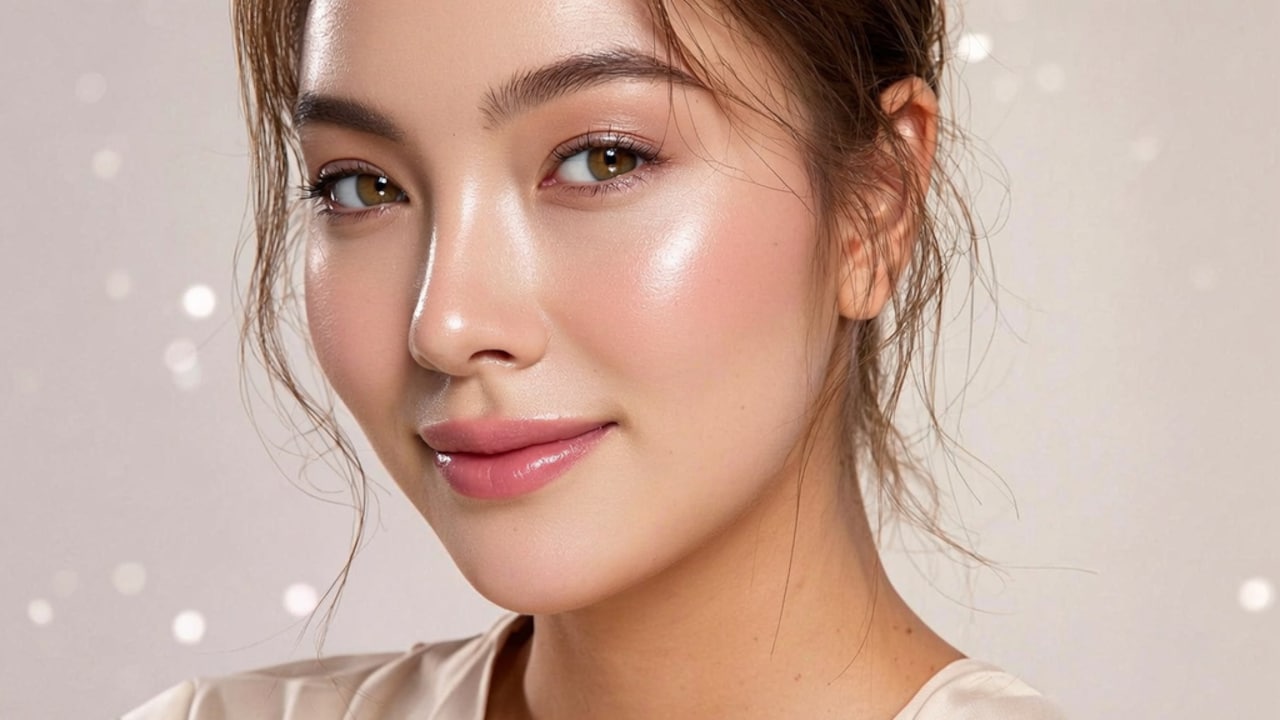
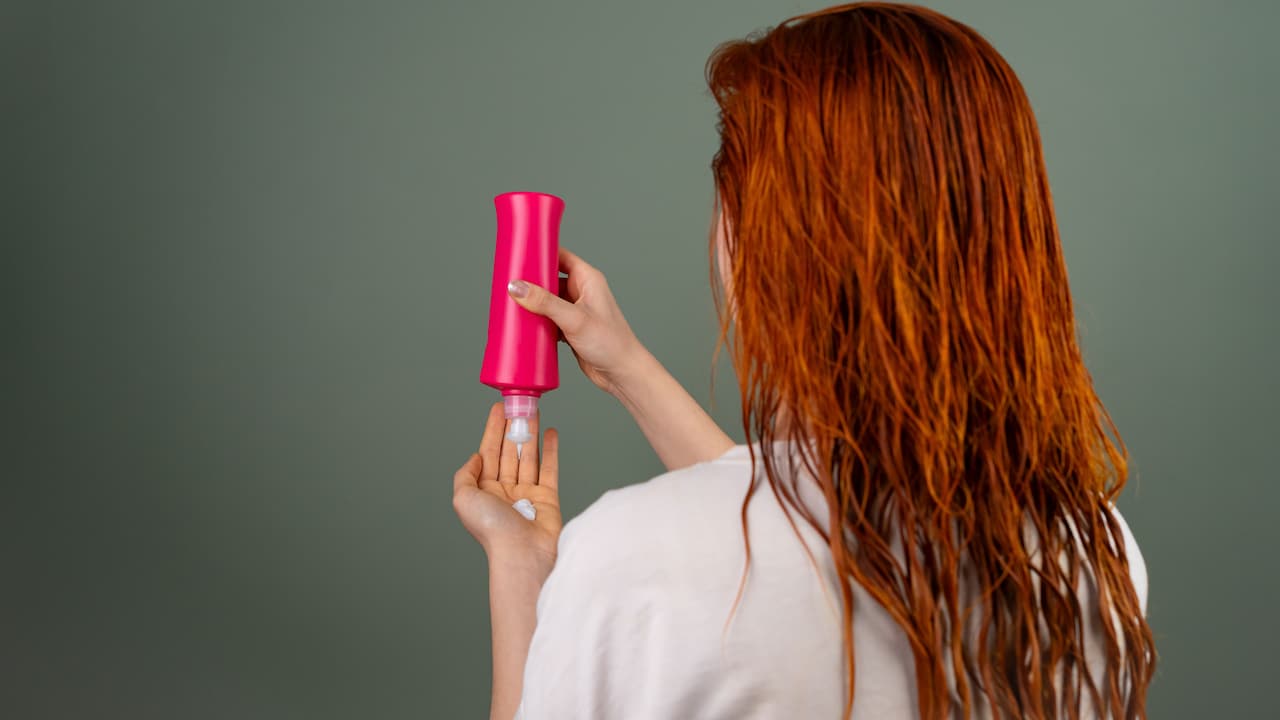
Stop your straightened hair from frizzing instantly with these simple, long-lasting styling solutions; Photo Credit: iStock
Why Does Hair Frizz Up So Soon After Straightening?
When you straighten your hair, the heat temporarily breaks the hydrogen bonds inside each strand, which is what lets curly or wavy hair sit flat and smooth. The catch is that these bonds are moisture-sensitive. The moment your hair absorbs water from the air or from sweat, those bonds start reforming into their natural shape, and the frizz creeps right back.
Damaged hair makes this worse. If your cuticles, the outer layer of each strand, are lifted or rough from repeated heat styling, colouring, or harsh shampoos, moisture enters much faster. So dry, porous hair can go from sleek to puffy in barely an hour, while healthier hair holds the style noticeably longer.
The Role Of Humidity And Heat Damage In Frizz
Humidity is the biggest culprit, and it explains why your blowout survives all day in December but collapses by noon in July. Straightened hair is basically thirsty hair, and thirsty hair grabs water vapour from humid air almost immediately. Coastal cities and the monsoon months make this a daily battle.
Heat damage quietly adds to the problem, too. Every time you run a hot plate over unprotected hair, tiny cracks form along the cuticle. Over months, those cracks turn into permanently raised, rough cuticles that can't seal moisture out anymore. That's why hair that's been straightened regularly for years frizzes up faster than hair that's new to styling.
What Actually Helps Keep Hair Straight For Longer?
A few small changes to your routine make a surprisingly big difference to how long the sleekness lasts.
1. Using A Heat Protection Spray
This is the single most useful step most people skip. A heat protectant coats each strand with a thin film that spreads the heat evenly, reduces moisture loss, and seals the cuticle so humidity can't sneak back in as fast. Sprays with keratin, vitamin E, or aloe vera also smooth the hair surface, which directly cuts down frizz. Most decent options cost between ₹200 and ₹800.
2. Lowering Your Styling Temperature
Cranking the straightener to maximum doesn't make hair straighter; it just cooks it. For most hair types, 160 to 180 degrees is plenty. Lower heat means less moisture stripped out, which means less frizz later.
3. Sealing With A Serum Or Cold Air
A drop of smoothing serum or a blast of the cold setting on your dryer helps close the cuticle after styling. A closed cuticle reflects light and keeps humidity out longer.
4. Avoiding Moisture Right After Styling
Freshly straightened hair is at its most vulnerable in the first hour. Skip the steamy bathroom, don't tie it up tight while it's still warm, and keep your hands off it.
How To Straighten Hair So It Stays Frizz-Free
Step 1: Start With A Smoothing Shampoo And Conditioner
Frizz control starts in the shower. A hydrating, sulphate-free shampoo and a good conditioner keep the cuticle smooth before heat even touches your hair.
Step 2: Dry Hair Completely Before Straightening
Running hot plates over damp hair literally boils the water inside the strand, which damages it from within. Air dry or blow dry fully first, roots included, before the straightener comes out.
Step 3: Apply A Heat Protection Spray
Mist it evenly through the lengths, keeping the bottle about 15 cm away, and comb it through so every section gets coverage. This one step protects the cuticle and locks in moisture.
Step 4: Work In Small Sections
Thin sections need just one pass of the straightener, while thick chunks need three or four. Fewer passes means less heat damage, and less damage means the style holds.
Step 5: Use The Right Temperature
Match the heat to your hair type. Fine or coloured hair does fine around 150 to 160 degrees; normal hair around 170 to 180; and only very thick, coarse hair needs anything above 200 degrees.
Step 6: Finish With A Cold Blast Or Serum
Once you're done, seal everything with the cool shot on your dryer or one or two drops of serum on the lengths. This closes the cuticle while the style sets and adds shine.
Step 7: Keep Hands And Humidity Away
For the first hour, treat your hair like fresh paint. No touching, no tight clips, no stepping into steam. If you're heading out into muggy weather, a light anti-humidity mist over the finished style buys you several extra hours.
Step 8: Protect Hair Overnight
Sleep on a satin or silk pillowcase, or tie hair in a loose, low ponytail. Cotton pillowcases rough up the cuticle overnight and soak up moisture.
So, Why Does It Keep Happening To You?
The short answer is that it's not your straightener; it's moisture meeting unprotected hair. Straightening only reshapes hair temporarily, and the moment humid air finds a rough, open cuticle, your natural texture starts fighting its way back. Skipping heat protectant speeds this whole process up.
The fix isn't straightening harder or hotter; it's protecting smarter. A heat protection spray before styling, sensible temperatures, and sealing the style afterwards will keep your hair straight for two to three days instead of two to three hours. Build those habits, and frizz stops being a daily surprise.

Stop your straightened hair from frizzing instantly with these simple, long-lasting styling solutions; Photo Credit: iStock
Some Heat Protection Sprays You May Like
1. Ktein Hair Heat Protection Spray
2. Newsio Smooth & Shine Heat Protection Spray
3. Wella Professionals EIMI Thermal Image Heat Protection Spray For Frizz-Free Hair
4. Streax Heat Protect Hair Spray With Protection Up to 250°C
5. Qlerix Hair Heat Protection Spray With Keratin & Vitamin E
6. Moxie Beauty Firefighter Heat Protection Spray For Soft, Glossy Hair
7. Make Me Bold Heat Protectant Mist With Aloe Vera For Hair Shine
8. Hair Pure Heat Protector Spray: 230°C Defence From Styling Tools
Frizz returning after straightening usually comes down to a mix of hair porosity, humidity, and how well the hair was prepped before heat styling. Small changes, like using a heat protectant and letting hair cool fully before touching it, can make your straight style last noticeably longer. With the right routine, smoother, frizz-free hair is easier to maintain than it might seem. Shop now on Amazon
Frequently Asked Questions (FAQs)
1. Does heat protection spray really stop frizz after straightening?
Yes, it seals the cuticle and slows moisture from re-entering the hair, which is exactly what causes post-straightening frizz. It also reduces long-term heat damage.
2. How long should straightened hair stay straight?
With heat protectant and a proper finish, two to three days is realistic. Without protection, humid weather can undo it within a few hours.
3. Why does my hair frizz more during the monsoon?
Humid air carries extra water vapour, and heat-styled hair absorbs it quickly. That moisture reforms the hair's natural bonds, pulling back waves and puffiness.
4. Should I apply heat protectant to wet or dry hair?
Most sprays work on both, but for straightening, apply to towel-dried or fully dry hair and comb through. Always check the label directions first.
5. Can I straighten my hair every day?
It's best avoided, since daily heat weakens the cuticle over time. Two to three times a week with a protectant is a much safer rhythm.
(Disclaimer: This article may include references to or features of products and services made available through affiliate marketing campaigns. NDTV Convergence Limited (“NDTV”) strives to maintain editorial independence while participating in such campaigns. NDTV does not assume responsibility for the performance or claims of any featured products or services.)