How To Choose The Right Hair Mask For Your Hair Type In Monsoon
Learn how to choose the right hair mask for your hair type during monsoon. Discover the best ingredients, common concerns, and expert tips for healthy hair.
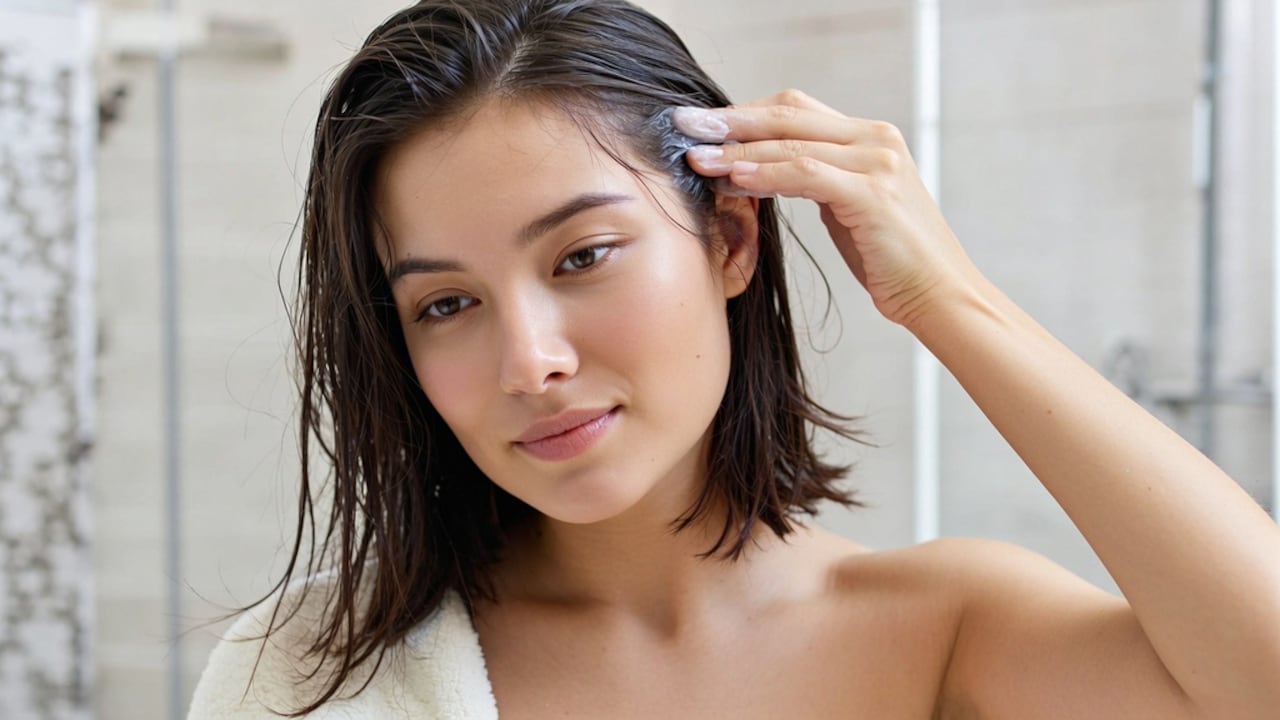
How To Choose The Right Hair Mask For Your Hair Type In Monsoon
Monsoon might bring relief from that summer heat, but it almost always drags in a fresh bunch of hair worries too. You might get sudden frizz, extra shedding and even some scalp discomfort, like the humidity decides to manage your hair for you. So, it's also one of the reasons why hair care talks start getting louder once the rainy season shows up.
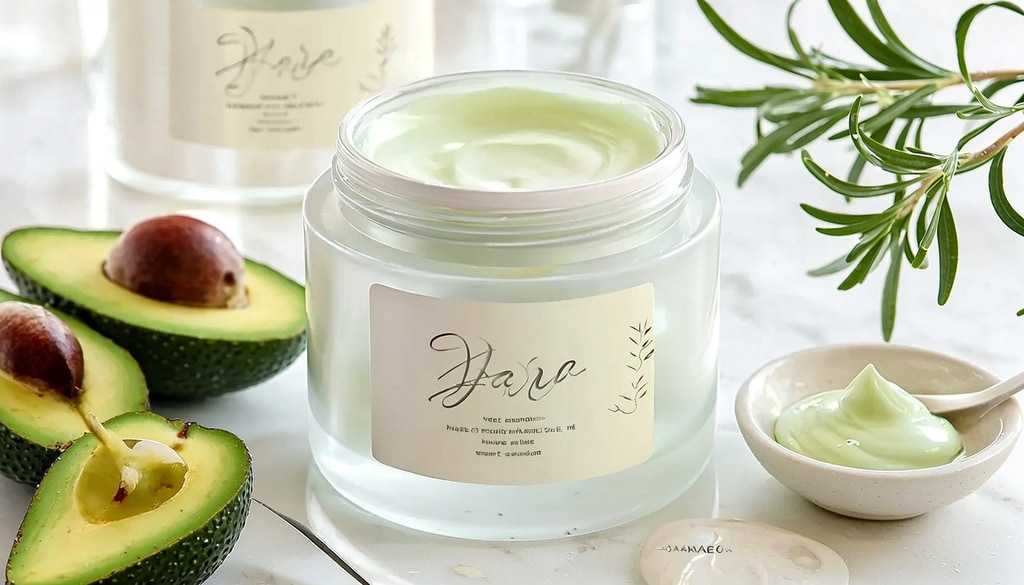
Learn expert tips and choose the ideal monsoon hair mask ingredients for healthy hair growth.
Photo Credit: AI-Generated Image
If you've been thinking why your usual hair mask is not doing the same job anymore, you're definitely not the only one. Picking the right hair mask really depends on your hair type, what's happening with your scalp, and the specific seasonal problem you're dealing with. Let's walk through what to look for and how to choose a hair mask that actually fits your hair in those wet months.
Why Does Your Hair Need Extra Care During Monsoon?
Humidity in the air can start messing with your hair's moisture balance, so it can end up either a bit too dry or sometimes weirdly greasy, depending on your hair type. Rainwater, pollution and even more sweating can throw off your scalp health.
Getting the right hair mask, though, can help feed your strands, keep frizz under control, support root strength, and generally keep your hair in excellent shape through the whole season.
Understand Your Hair Type Before Choosing A Hair Mask
Before buying any hair mask, it's important to identify your hair type and primary concern. Fine hair usually wants a bit of lightweight hydration, but thicker or curly strands can take the richer type of formulas. Also, if the scalp feels oily, then it often needs different ingredients than a dry or flaky scalp.
1. Identify Whether Your Hair Is Dry, Oily, Or Combination
The first thing is getting what your hair does when the monsoon hits, day by day. So if your roots turn greasy pretty fast within 24 hours but the lengths stay dry, then you're probably dealing with combination hair. On the other hand, dry hair often feels rough and may develop frizz unexpectedly. Meanwhile, oily hair often looks flat and limp rapidly, even when you just washed it. Once you can spot the difference, it becomes easier to figure out which mask formulations actually match your hair.
2. Assess Your Main Hair Concern
Different masks target different concerns. Some people focus on repairing the damage, while others go more after frizz, that dry feel, breakage, or even hair fall. Just take a second and pinpoint what your monsoon-related problem is. If you choose a hair mask based on that main concern, you'll usually get better results.
Ingredients To Look For Based On Hair Type
The ingredient list often reveals whether a hair mask is suitable for your needs. Lightweight hydrating ingredients work well for oily hair, while nourishing oils and butters are typically better suited for dry or damaged hair.
1. Choose Lightweight Ingredients For Oily Hair
If your scalp starts getting greasy really quick, then look for things like aloe vera, green tea, rice water or even niacinamide. These kinds of ingredients provide hydrating support while they do not make the hair feel weighed down. Also, try to skip formulas that are too rich, especially on fine or oily hair; in humid weather, it usually turns into a problem faster.
2. Pick Deeply Nourishing Ingredients For Dry Hair
Dry and frizzy hair usually benefits from ingredients such as shea butter, argan oil, avocado oil, coconut oil, and keratin. These ingredients help replenish moisture, smooth the hair cuticle, and improve softness, especially when humidity makes hair harder to manage.
3. Look For Strengthening Ingredients For Damaged Hair
If you pretty often use heat tools or go for chemical treatments, things like protein, biotin, amino acids and keratin can help with the whole “weakened strand” situation a bit. They aid hair structure and might cut down breakage over time, as long as you keep using them consistently.
How Often Should You Use a Hair Mask During Monsoon?
Using a hair mask too frequently can sometimes lead to product buildup, especially during humid weather.
For most hair types, putting a hair mask one or two times a week is more than enough, generally. If the hair is very dry or damaged, it may be better to use it more often, depending on the product's instructions. Sometimes, following those directions closely matters a lot.
1. Follow A Consistent Weekly Routine
Consistency matters more than frequency, in a way. Applying a suitable hair mask just once or twice every week can help keep hydration up and also improve manageability without overwhelming your scalp or the strands.
2. Adjust Usage Based On Weather And Hair Condition
Your hair needs might shift a bit across the season. Especially during those humid weeks, you could end up preferring lighter masks. And if your hair feels dry after lots of washing, then maybe try switching to a richer formula, for a while, to bring things back into place.
Common Mistakes To Avoid When Using Hair Masks
Even the best hair mask may not deliver desired results if used incorrectly. Applying a heavy mask directly to the scalp, leaving it on for excessive periods, or choosing products unsuitable for your hair type are common mistakes that can affect results.
Apply The Product Correctly
Most hair masks tend to work better when you put them on from mid-lengths toward the ends, not right on the scalp. Just follow the suggested application time and rinse thoroughly too so you do not end up with residue buildup that can make hair feel heavy, especially during monsoon season.
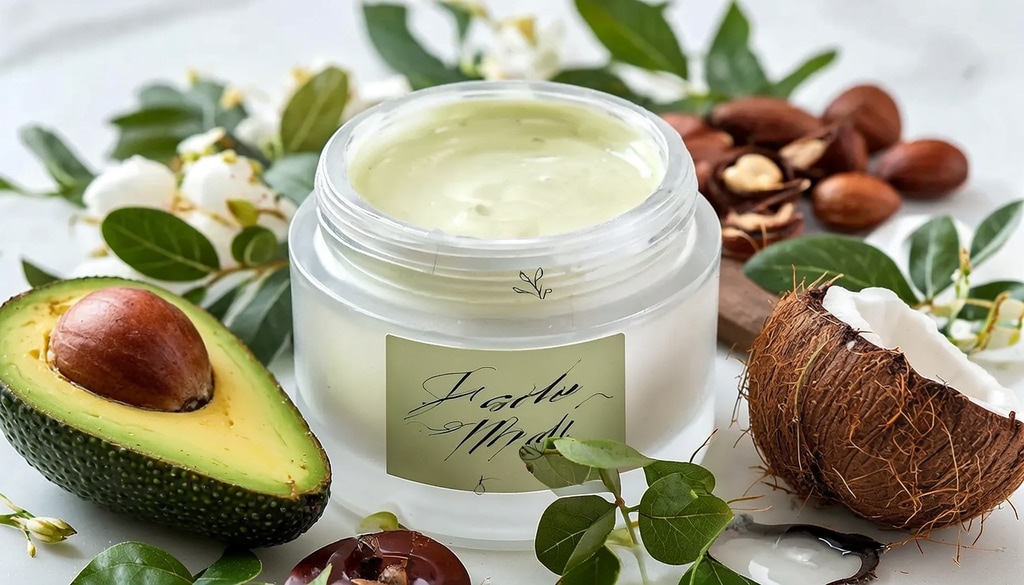
Find the perfect monsoon hair mask using expert tips to target your specific concerns today.
Photo Credit: AI-Generated Image
Top Hair Mask Options To Consider
1. Love Beauty & Planet Anti-Hairfall Onion, Black Seed & Patchouli Hair Mask
2. Dove 10-in-1 Deep Repair Treatment Hair Mask for Damaged Hair
3. Schwarzkopf PROFESSIONAL Spa Essence Hydrating Cream Hair Mask
4. Plum Coconut & Peptides Strength & Shine Hair Mask
5. Bare Anatomy Expert Ultra Smoothing Hair Mask
6. Pilgrim Korean Rice Water & Collagen Advanced Damage Repair Hair Mask
7. BBLUNT 7-In-1 Repair & Revive Hair Mask
8. DOT & KEY Pea Peptide Strengthening Moringa & Argan Hair Mask
Choosing the right hair mask during the monsoon can make all the difference in maintaining healthy, frizz-free hair despite the humidity. By understanding your hair type and its specific needs, whether it's hydration for dry strands, oil control for an oily scalp, or repair for damaged hair, you can pick a mask that truly works for you. Incorporating the right product into your weekly routine not only boosts shine and manageability but also protects your hair from seasonal damage. With the right choice, you can enjoy smooth, nourished, and salon-like hair even on the rainiest days.
Frequently Asked Questions (FAQs)
1. How do I know which hair mask is right for my hair type?
Start by identifying what your hair is like: dry, oily, damaged, curly, or some sort of combination. Then just pick ingredients for hair mask that target your main issue, which is your primary concern.
2. Can I use a hair mask on an oily scalp during monsoon?
Sure, go for lighter, non-greasy formulas with ingredients like aloe vera or green tea, something that really hydrates but without tacking on that extra oil.
3. How many times a week should I use a hair mask during monsoon?
Most people can benefit from using a hair mask once or twice a week. The ideal frequency depends on hair type and condition.
4. Should I apply a hair mask to my scalp?
In most cases, hair masks should be applied from the mid-lengths to the ends. Some scalp-specific masks may be exceptions, so always follow product instructions.
5. Can a hair mask help reduce frizz during monsoon?
Yes. Hair masks containing nourishing oils, proteins, and moisturising ingredients can help smooth the hair cuticle and improve frizz control.
(Disclaimer: This article may include references to or features of products and services made available through affiliate marketing campaigns. NDTV Convergence Limited (“NDTV”) strives to maintain editorial independence while participating in such campaigns. NDTV does not assume responsibility for the performance or claims of any featured products or services.)