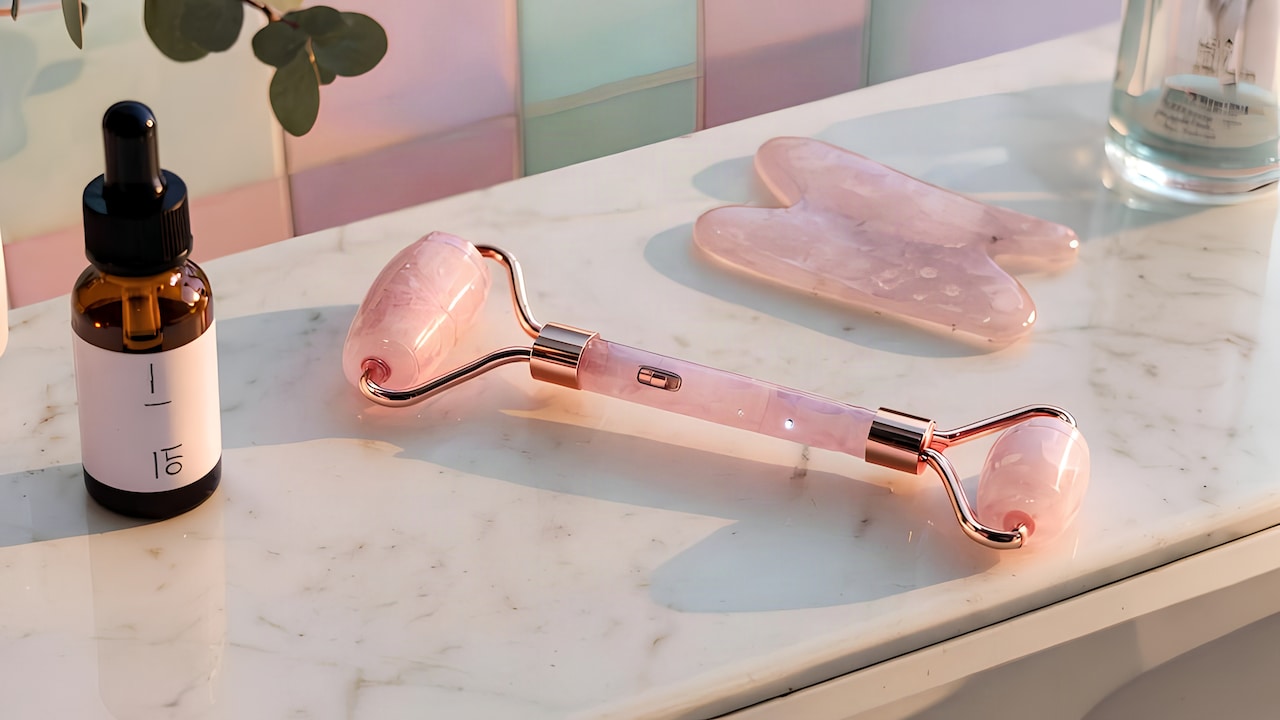
How To Detox Your Scalp At Home Before Monsoon Hair Fall
Learn how to detox your scalp at home before monsoon hair fall begins. Discover simple steps, natural ingredients, and helpful products for a healthier scalp.
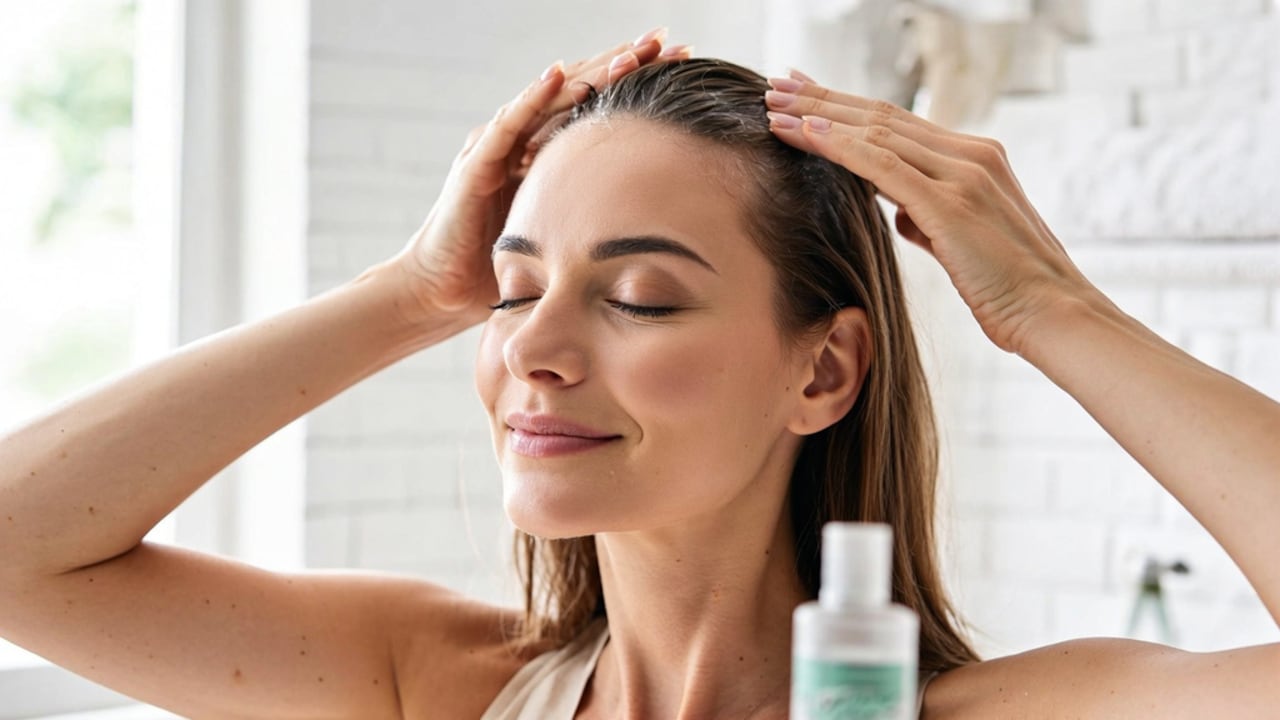
How To Detox Your Scalp At Home Before Monsoon Hair Fall
When the weather turns over and those dark clouds start hanging around, many people suddenly see a less pleasant shift in their hair routines. You might spot more strands on pillows; your hairbrush feels packed fuller than usual, and the scalp can start feeling greasy or just uncomfortable. Sure, a monsoon can cool things down a bit, but it also seems to set up a real opportunity for scalp-related troubles.
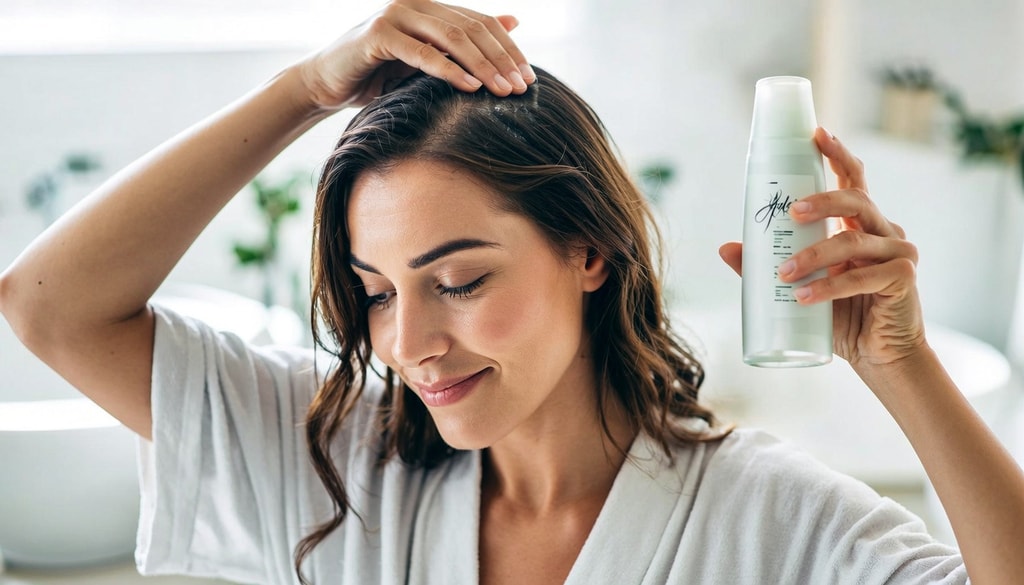
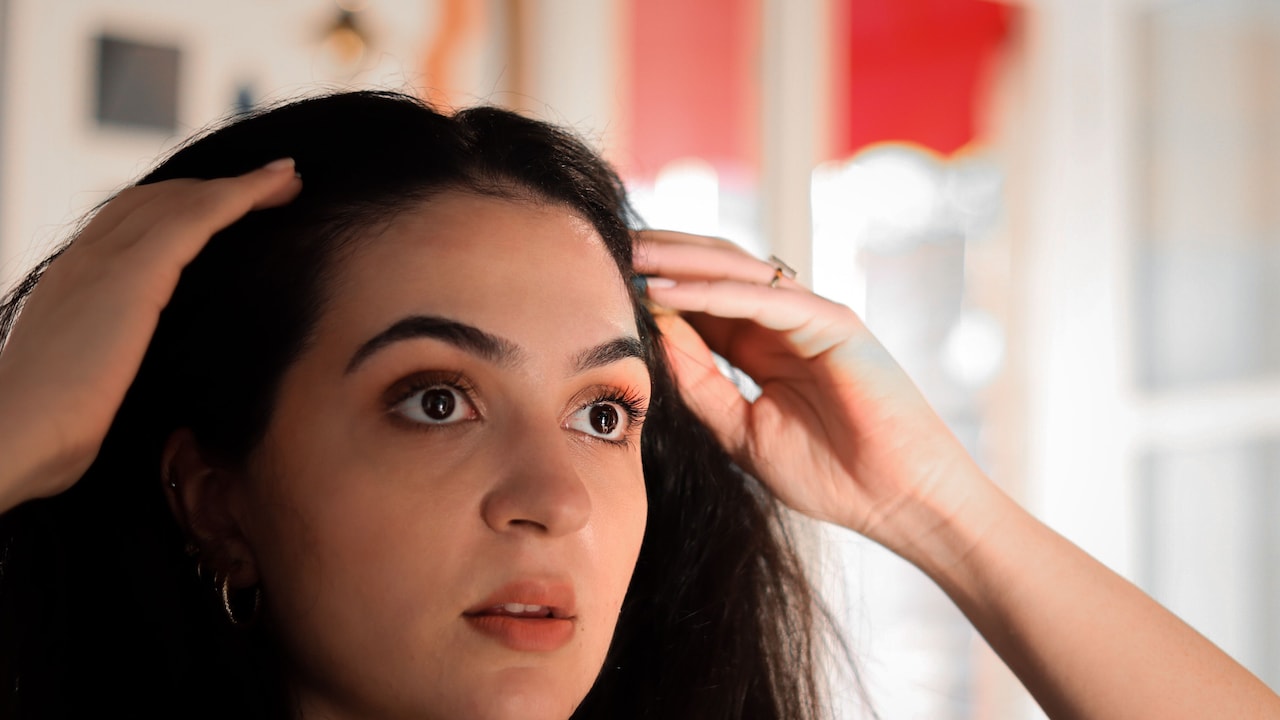
Discover simple steps and products for a healthier scalp before monsoon hair fall begins; Photo Credit: iStock
If you've been wondering, “Is there any way to prepare my hair before the rainy season arrives?” you're not alone. What people call a scalp detox can help lift buildup, excess oil, and other impurities that may be disrupting your scalp's balance. This guide walks you through how to detox your scalp at home before the monsoon season and what steps you can use to keep your scalp feeling fresh, calm, and healthy.
Why Your Scalp Needs Extra Care Before Monsoon
Humidity levels rise significantly during the monsoon season, making the scalp more prone to oiliness, sweat accumulation, dirt buildup, and microbial growth. When all these factors come together, they can end up clogging follicles and making the scalp feel like an unhealthy setup. A scalp detox is basically meant to clear out the buildup, the residue left behind by styling products, pollution, dead skin cells and also that extra sebum. If you start this routine a little before the monsoon season, it can help keep the scalp in a better balance, and it may support hair that looks more healthy during the whole season.
Signs Your Scalp May Need A Detox
Your scalp may benefit from a detox if you frequently experience itchiness, excessive oiliness, dandruff-like flakes, an unpleasant scalp odour, or hair that feels weighed down shortly after washing.
Even if you don't really see scalp issues at first, constant exposure to air pollution plus hair products can slowly lead to residue buildup. A detox approach helps reset the scalp, and it may also enhance the overall cleanliness.
Step-By-Step: How To Detox Your Scalp At Home
Step 1: Brush Your Hair Before Washing
Start by very gently brushing your hair for a couple minutes. This helps loosen the dead skin cells, dirt, and that little product residue, while it spreads natural oils across the hair strands. Also, brushing is like a quiet nudge for circulation and it can make cleansing more effective right when you begin washing your scalp.
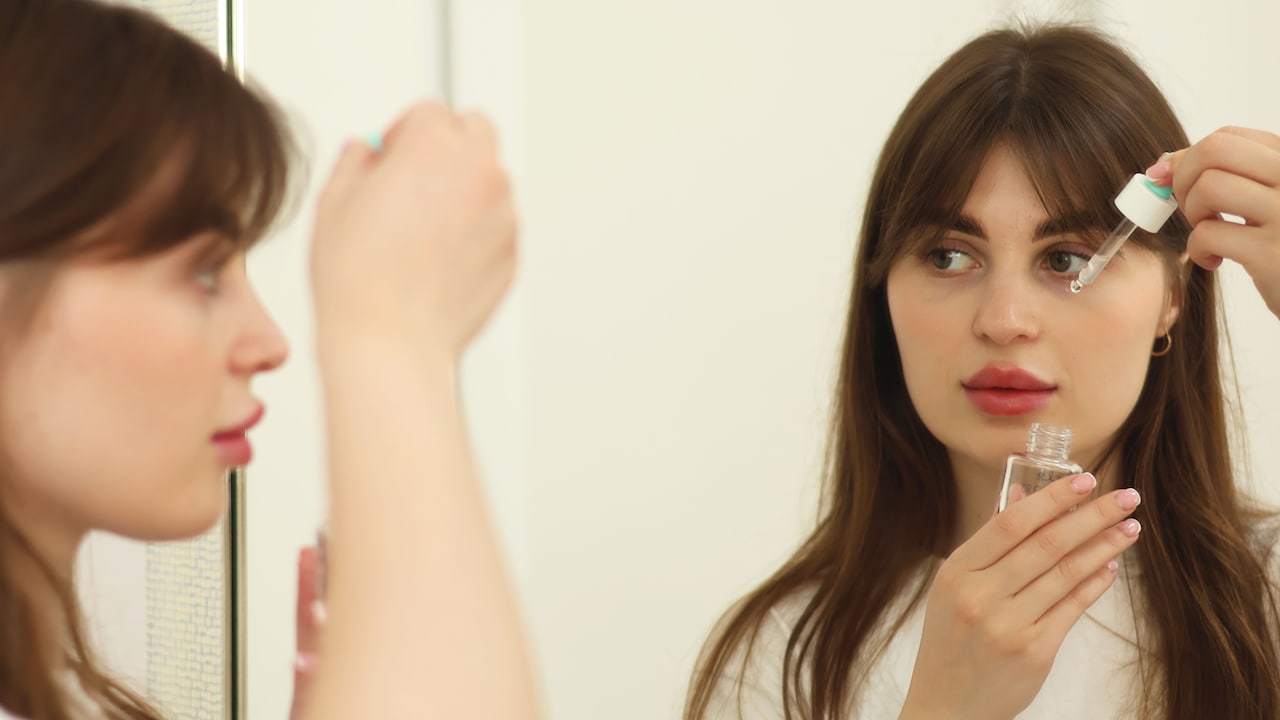
Step 2: Apply A Pre-Wash Scalp Treatment
Use ingredients like aloe vera gel, diluted apple cider vinegar, or a lightweight scalp serum before shampooing. Let the treatment sit for 10–15 minutes.
This step helps soften buildup and prepares the scalp for deeper cleansing without causing excessive dryness.
Step 3: Exfoliate The Scalp Gently
A mild scalp scrub can help with removing dead skin cells and that extra oil buildup. Just pick a gentle formula and try not to scrub too aggressively, because it might irritate your scalp. Then massage it with your fingertips in little circular motions for a couple of minutes before rinsing well.
Step 4: Use A Clarifying Shampoo
Rinse your scalp using a clarifying shampoo, made to lift product buildup and everyday impurities. Concentrate on cleaning the scalp, not the lengths of your hair, so it feels fresher at the root. A clarifying wash can give you a cleaner starting base for the rest of your hair care routine too.
Step 5: Massage The Scalp While Cleansing
Take a few extra minutes to massage your scalp while shampooing. Use gentle pressure to help lift dirt and improve blood circulation. Avoid using your nails, because they can cause irritation and micro-abrasions on the scalp.
Step 6: Rinse Thoroughly With Lukewarm Water
Leftover shampoo or treatment residue can contribute to scalp buildup. Rinse carefully until your scalp feels completely clean.
Lukewarm water is usually preferable because extremely hot water may strip natural oils and increase dryness.
Step 7: Apply A Lightweight Conditioner
Just condition only the mid-lengths and ends of your hair. When you apply heavy conditioner right to the scalp, it can end up with buildup, mostly if it gets humid a lot. Pick lightweight formulas that moisturise but don't drag the hair down.
Step 8: Let Your Scalp Dry Completely
A damp scalp creates an ideal environment for fungal growth during monsoon. Allow your hair to dry completely before tying it up or covering it. If needed, use a hair dryer on a cool or low-heat setting to speed up the drying process.
Natural Ingredients That Can Support A Scalp Detox
Some kitchen and plant-based ingredients are often incorporated into scalp care routines. Aloe vera can help calm the scalp, while apple cider vinegar might help clear buildup when it is diluted the right way. Tea tree oil, neem, and green tea are also popular picks because of their cleansing vibe and their refreshing effect. Still, do a patch test first before putting anything new on your scalp, just to be safe.
Common Mistakes To Avoid During A Scalp Detox
Over-exfoliating is one of the most common mistakes people make. Scrubbing too often can irritate the scalp and disrupt its natural barrier.
Using a few detox products at once can cause more sensitivity than expected, and it may feel a little off. So it's better to keep the routine simple and stick to steadiness rather than trying to be intense every day. Also, don't just ditch the conditioner altogether because proper hydration balance matters a lot for healthy hair, even if it seems minor.
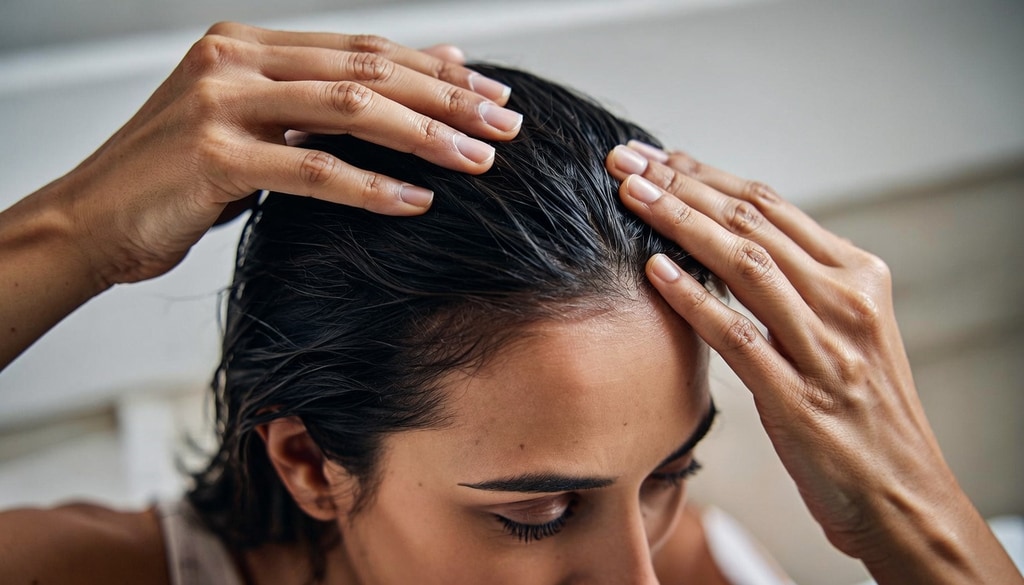
Learn to detox your scalp at home with easy steps before monsoon hair fall starts; Photo Credit: iStock
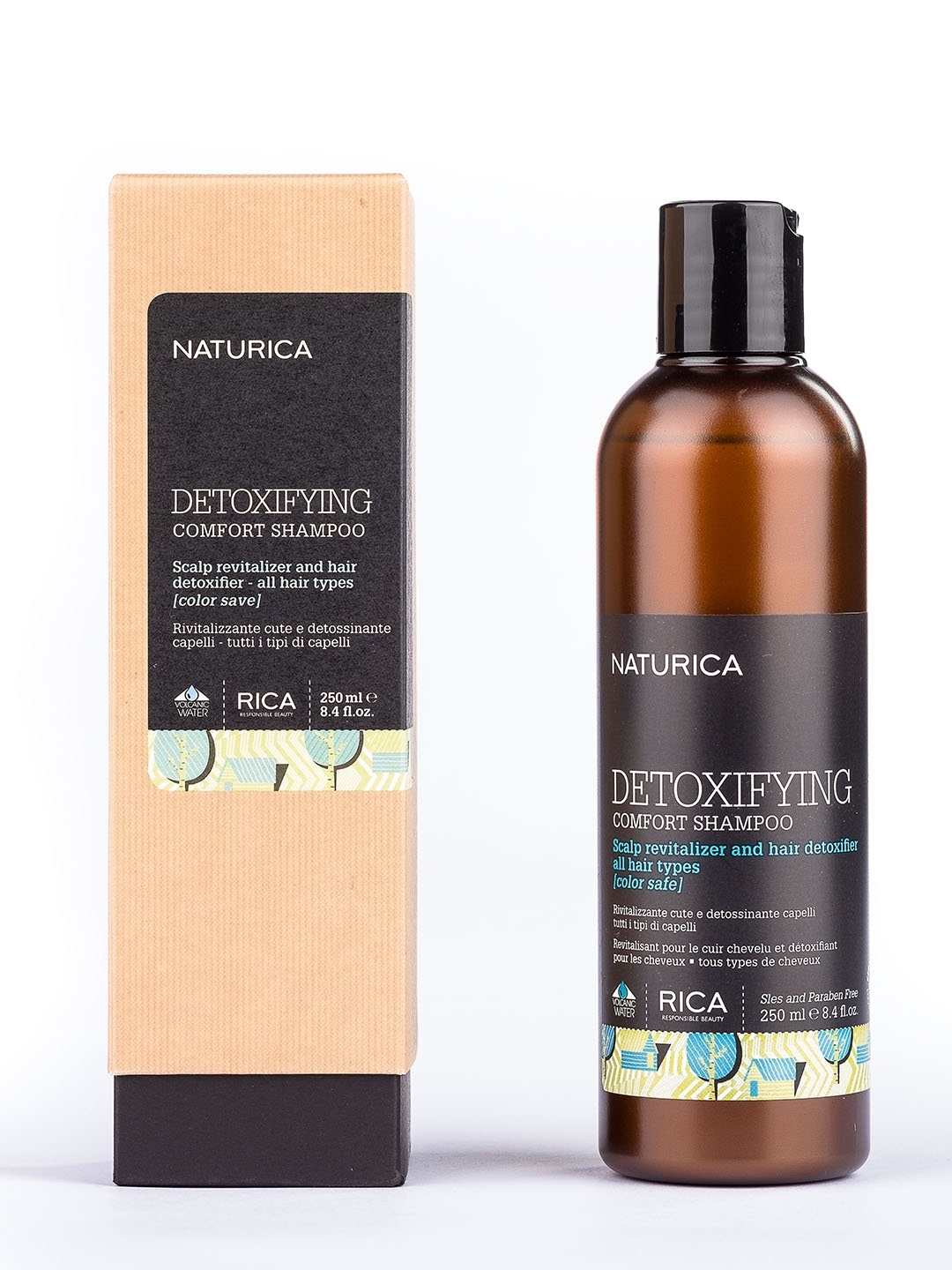
Some Scalp Detox Products You May Like
1. Ayurneed Scalp Detox Shampoo With Salicylic Acid
2. MANETAIN Scalp Scrub with Himalayan Sea Salt & Cactus Extract
3. deconstruct Anti-Dandruff Scalp Serum
4. Indulekha Bringha Shampoo
5. Park Daniel Green Tea Shampoo For Antioxidant Scalp Detox
6. SUNNY HERBALS Lustre & Silky Shikakai Shampoo With Aloe Vera
7. Nat Habit Neem Bhringraj Anti-Dandruff Summer Hair Oil with Tea Tree & Castor
8. Nat Habit Castor Blackseed Navdha Shampoo
Monsoon hair fall often starts with an unhealthy scalp clogged by humidity, sweat, and product buildup. Doing a weekly at-home scalp detox with the right cleansers and masks helps reset your follicles, reduce excess oil, and create a healthier base for hair growth. Start your scalp detox before monsoon peaks, stay consistent, and you'll notice less hair fall and more volume through the rainy season. Shop now on Myntra
Frequently Asked Questions (FAQs)
1. How often should I detox my scalp before monsoon?
For most people, a scalp detox once every two to four weeks is usually enough. The best timing really depends on your scalp type and how you're using your products and how often.
2. Can a scalp detox stop hair fall completely?
No. Hair fall can come from this whole bunch of things, like genetics, stress, nutrition, and even hormonal shifts. A scalp detox might help create a cleaner and healthier environment for hair growth.
3. Is apple cider vinegar safe for scalp detoxing?
When you dilute apple cider vinegar properly, it's often used as a scalp rinse. Don't put it on directly, without dilution, because it can irritate sensitive skin, so be careful.
4. Should I oil my hair before a scalp detox?
A light pre-wash oil treatment can work for some people, but excessive oil may require more cleansing. Choose what suits your scalp type best.
5. Can people with dandruff do a scalp detox?
Yes, but gentler products are recommended if you can manage. If the dandruff stays around for a while or gets really severe, then it's best to consult a dermatologist.
(Disclaimer: This article may include references to or features of products and services made available through affiliate marketing campaigns. NDTV Convergence Limited (“NDTV”) strives to maintain editorial independence while participating in such campaigns. NDTV does not assume responsibility for the performance or claims of any featured products or services.)