Gel Polish Vs Regular Polish: Which One Makes More Sense At Home?
Gel polish lasts longer and shines harder, but regular polish is cheaper, easier to remove and better for quick shade changes at home. Here’s which one suits your routine best.

How to choose between gel and regular nail polish
A fresh manicure has a strange power. It can make old kurtas feel styled, office Mondays feel less dull and wedding-season chaos look a little more polished. Yet the moment the salon bill starts looking like a grocery receipt, doing nails at home feels tempting. That is when the big question appears: gel polish or regular polish? Both have loyal fans. Regular polish has lived in dressing tables for years, often next to kajal, bangles and that one lipstick saved for special days. Gel polish feels newer, glossier and more salon-like, with promises of chip-free nails through cooking, typing, travelling and festive errands. But at home, convenience matters as much as shine. A manicure should not feel like a science practical after a long day.
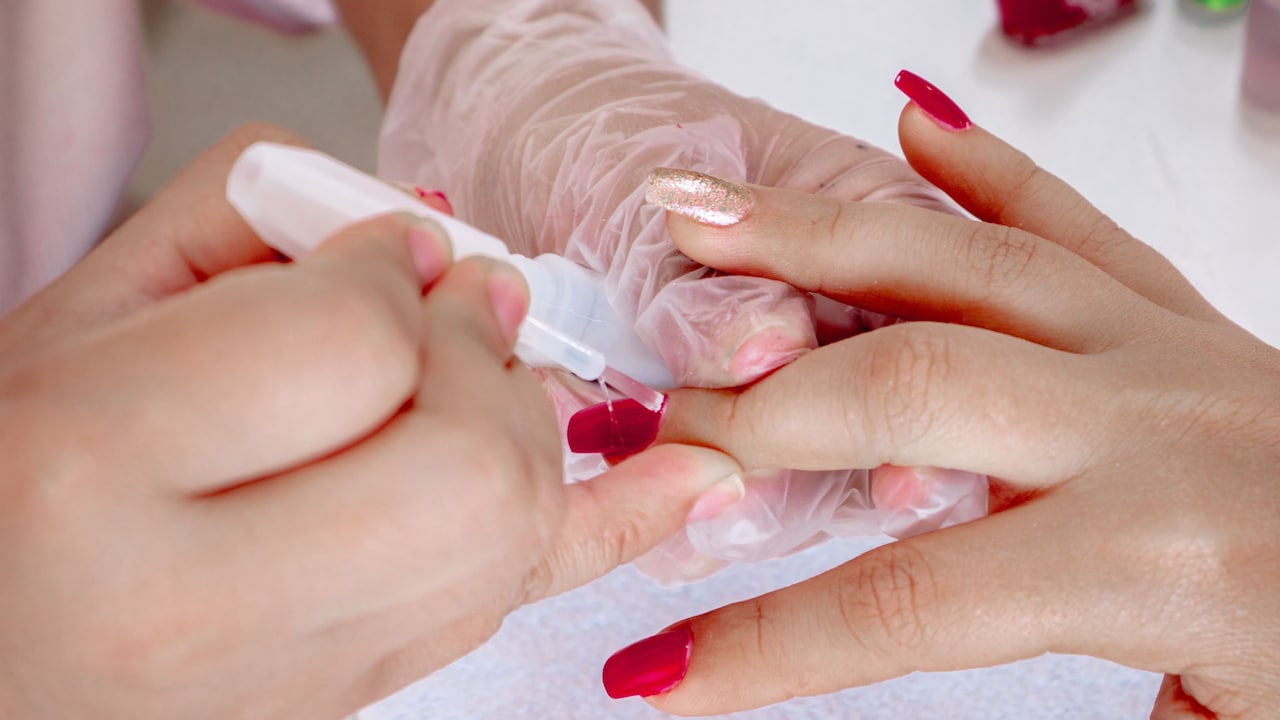
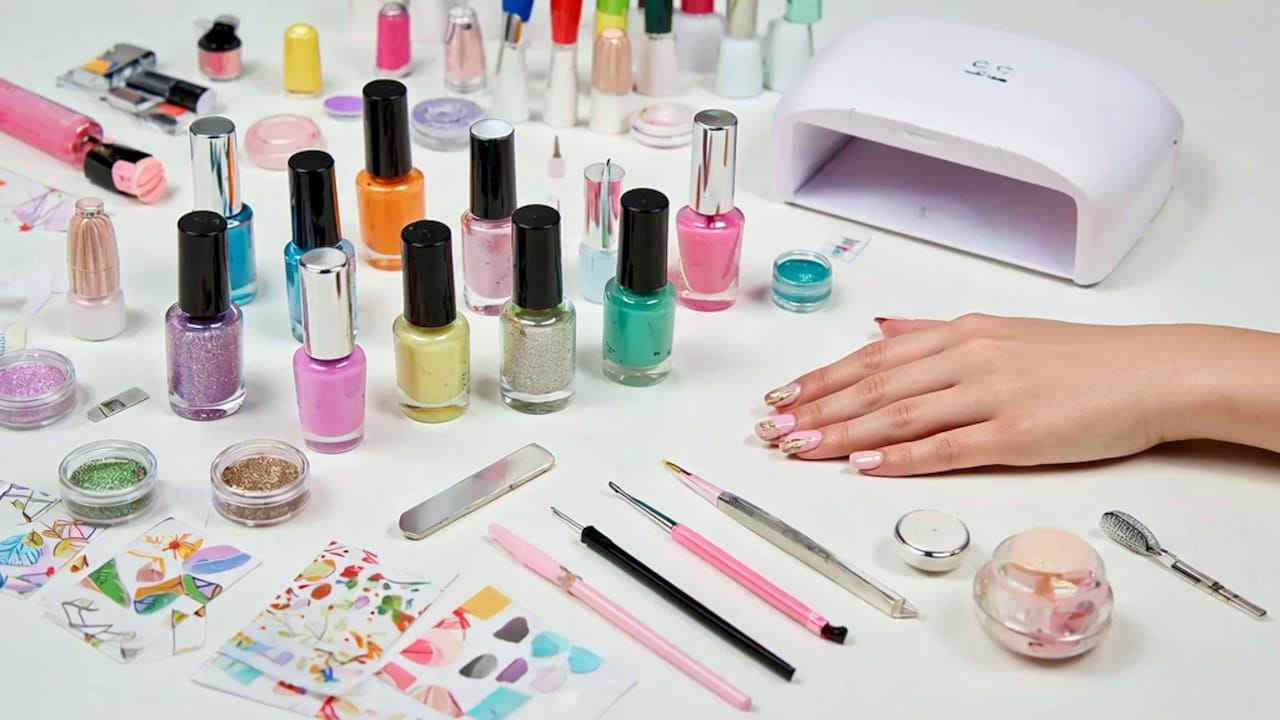
Gel vs nail polish which is better for at-home manicure; Photo Credit: Pexels
Also Read: Top 5 Budget Nail Care Products Under ₹300 for Salon-Perfect Nails At Home
Gel Polish Vs Regular Polish: Key Factors To Consider At Home
The Real Difference Between The Two
Regular polish dries when its solvents evaporate in the air. It needs a base coat, colour and top coat, followed by patience. Lots of patience. One careless reach for the phone can leave a bedsheet print on freshly painted nails. Gel polish works differently. It needs curing under a UV or LED lamp after each coat. Once cured, it hardens quickly and gives that glassy salon finish many people love.
At home, this difference changes everything. Regular polish needs less equipment and more drying time. Gel polish needs a lamp, proper prep and careful removal, but it saves time after curing because the nails feel dry almost immediately. Regular polish forgives casual users. Gel polish rewards those who enjoy neat steps and tidy technique. Think of regular polish as making poha on a sleepy morning, while gel feels more like attempting perfect biryani. Both can work beautifully, but one asks for more commitment.
Cost At Home And What The Budget Really Says
Regular polish wins the first round on cost. A decent bottle can start around ₹100 and go up to ₹600 or more, depending on the brand. A base coat and top coat add to the bill, but the setup still stays friendly. It suits anyone who enjoys changing colours often without feeling guilty. One week can mean soft pink, the next can mean maroon for a family dinner.
Gel polish asks for more money upfront. The lamp, gel base coat, gel top coat, colours, remover wraps, nail cleanser and tools can push the first purchase into the ₹1,500 to ₹5,000 range, or higher if premium products enter the cart. After that, each manicure costs less because the products last several uses. Still, the first spend can sting. For someone who paints nails once in two months, regular polish makes more sense. For someone who gets frequent salon manicures, gel at home may slowly save money.
Time, Patience And The Famous Drying Problem
Regular polish looks easy until drying time begins. The first coat seems dry, the second behaves, and then one tiny knock ruins everything. Anyone who has painted nails before bed knows the heartbreak of waking up with fabric marks. Fast-dry top coats help, but they do not perform miracles. Regular polish needs at least twenty to thirty careful minutes, and sometimes more, especially with dark shades.
Gel polish feels faster once the technique becomes familiar. Each layer cures under the lamp in about thirty to sixty seconds, depending on the product and lamp. After the final top coat cures, the nails can usually handle normal tasks. That means no awkward finger-spreading while opening a cupboard or holding a steel glass like it contains treasure. However, gel prep takes time. Nails need cleaning, shaping and thin coats. Thick coats can wrinkle or peel. So gel saves drying time, not necessarily total effort. It suits people who dislike waiting but do not mind following steps.
Shine, Finish And That Salon-Like Feeling
Gel polish has a clear advantage in shine. It gives a plump, glossy finish that looks fresh for days. The colour appears smooth, rich and neat when applied well. Even simple nude shades look more expensive under a gel top coat. For weddings, parties, office events or festive weeks, that lasting shine can feel worth the extra setup.
Regular polish can also look lovely, especially with a good top coat. It offers charm without the intense, almost glass-like finish of gel. Some people prefer that softer look. Regular polish also feels lighter on the nails. It suits quick colour changes and moods that refuse to stay fixed. A bright coral for Goa plans, a muted brown for work, a glitter top coat for Diwali night regular polish keeps the door open. Gel looks polished for longer, but regular polish feels playful. The choice depends on whether the heart wants lasting gloss or easy variety.
Durability For Chores, Typing And Daily Chaos
Daily life rarely treats manicures kindly. There are utensils, laptop keyboards, shampoo days, spice boxes, laundry clips and sudden zip repairs five minutes before leaving home. Regular polish often starts showing wear in two to four days, especially near the tips. Some shades chip faster than others. Dark colours make every flaw louder.
Gel polish handles daily chaos better. A good gel manicure can last one to two weeks at home, sometimes longer, if application and nail prep go well. It resists chips, keeps shine and survives busy routines with more confidence. This durability helps people who cook often, travel daily, or use their hands all day. But gel does not make nails invincible. Picking, peeling and rough removal can damage the nail surface. Regular polish may chip sooner, but it leaves with fewer consequences. Gel stays longer, yet demands better behaviour. Nails, much like houseplants, punish neglect quietly at first and dramatically later.
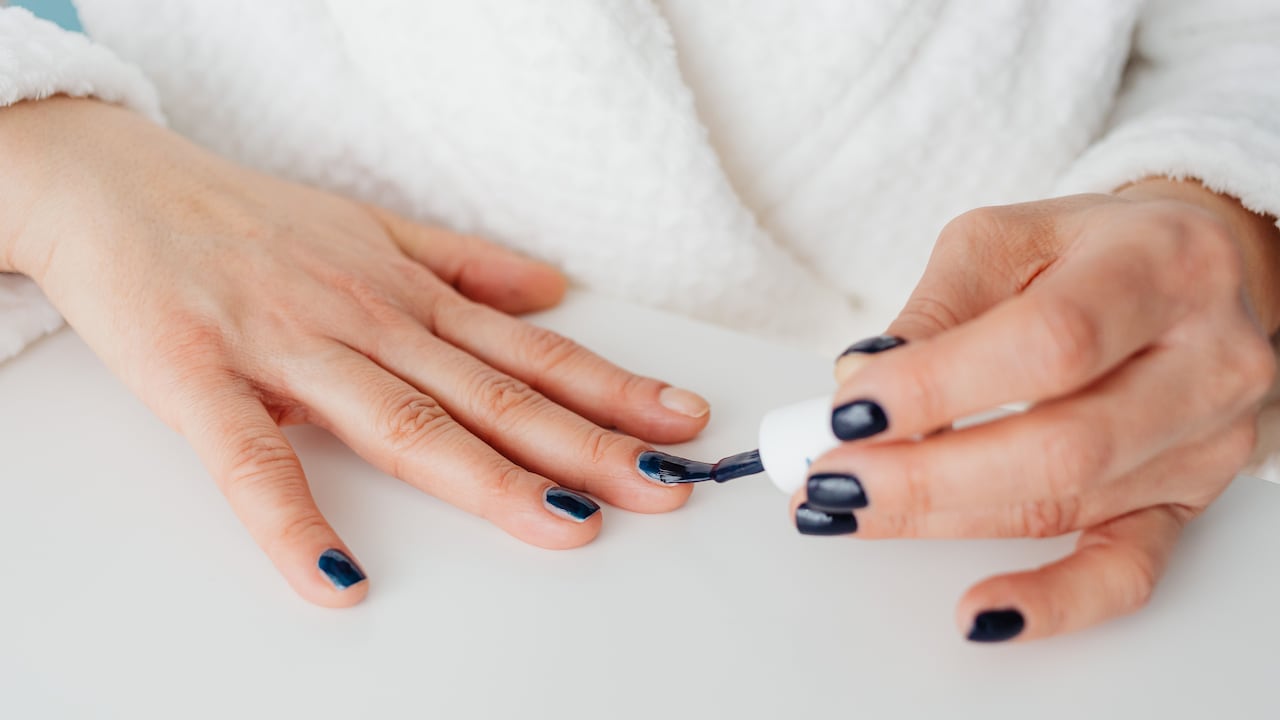
Gel nail polish handles everyday chores better than regular polish; Photo Credit: Pexels
Removal And Nail Health Matter More Than Shine
The biggest home-manicure mistake happens during removal. Regular polish comes off quickly with remover and cotton. Even glitter shades may test patience, but the process stays simple. The nail plate usually escapes major trouble unless harsh remover gets used too often.
Gel removal needs more care. The surface needs gentle filing, then soaking with acetone wraps or clips. After ten to fifteen minutes, the softened gel should slide off with light pressure. Peeling gel off feels satisfying for two seconds and regrettable for weeks. It can lift layers of the natural nail, leaving them weak and rough. This point alone makes regular polish better for impatient users. Gel polish makes sense only when removal gets as much respect as application. Cuticle oil, hand cream and breaks between manicures help both types. A shiny manicure means little if the nails underneath feel thin, sore or angry.
Skill Level And The Learning Curve
Regular polish welcomes beginners. The brush may flood the cuticle, one hand may look neater than the other, and still the result can pass after a top coat. Mistakes clean up easily with a cotton bud and remover. Even an uneven finish can look charming in soft shades. It is the friendly cousin who says, “Chalta hai, looks nice.”
Gel polish has stricter standards. The coats must stay thin. The polish should not touch the skin. The free edge needs sealing. The lamp must cure each layer properly. If gel touches the cuticle and cures there, lifting can start early. For beginners, this can feel fussy. Yet people who enjoy small routines may find the process calming. It turns a Sunday afternoon into a mini self-care session, complete with music and chai. Regular polish suits casual painting. Gel suits those who like neat tools, steady hands and a little beauty homework.
Shade Changes, Trends And Wardrobe Matching
Regular polish makes colour commitment easy because there is hardly any commitment. A shade can change for a saree, a college fest, a date, a boardroom meeting or a cousin's haldi. If the colour feels wrong after one day, remover solves the problem. This freedom matters in a place where outfits, jewellery and occasions change quickly.
Gel polish stays longer, which can feel wonderful or annoying. A classic red may carry a person through a full wedding week. A bad beige, however, can feel like a tiny mistake waving from every hand gesture. Gel works best for colours that match many outfits: soft pinks, wine, nude, brown, clear gloss, French tips and deep red. Regular polish suits experimental moods, trendy greens, chrome toppers, glitter layers and sudden “new nails tonight” decisions. For anyone whose wardrobe moves from cotton kurta to sequin blouse in the same week, regular polish offers easier play. Gel rewards thoughtful shade choices.
Safety, Lamps And Sensible Precautions
Gel polish involves curing lamps, so sensible precautions matter. Many home users apply sunscreen on hands before a gel manicure or use fingerless UV-protection gloves. The exposure during a manicure stays brief, but caution costs little. Good ventilation also helps because nail products have strong smells. Products should not touch broken skin, and sharing tools without cleaning them invites trouble.
Regular polish also has fumes, especially from remover and quick-dry products. It may seem simpler, but using it in a closed room can feel unpleasant. Both options need common sense. Keep bottles away from children, cap them properly, and avoid painting nails right before eating with your hands. With gel, never cure polish that has spilt onto skin. With regular polish, avoid endless remover sessions that dry the nails. Beauty routines should not turn into punishment. A good manicure feels fresh, not like a chemical wrestling match on the dining table.
Which One Makes More Sense At Home?
The answer depends on the home, the hands and the calendar. Regular polish makes more sense for beginners, budget-conscious users, students, occasional polish lovers and anyone who changes shades often. It needs less investment, removes easily and forgives mistakes. It also suits people who paint nails for fun rather than long wear.
Gel polish makes more sense for those who love a salon-like finish, dislike chips, and can follow proper removal steps. It helps during travel, work-heavy weeks and wedding season, when nails need to look fresh beyond one evening. The upfront cost feels higher, but frequent users may find value over time. Still, gel should not become a shortcut for careless nail care. At home, the smartest choice may not involve choosing only one. Regular polish can handle everyday moods, while gel can step in for big weeks. That balance keeps nails pretty, practical and far less dramatic.
Products Related To This Article
1. Lakmé Absolute Gel Finish Stylist Nail Color
2. Lakme Chrome Nail Paint, Champagne
3. Swiss Beauty Professional Uv Gel Nail Polish
4. Colors Queen UV LED Soak Off Gel Nail Polish
5. Coloressence Coffee Coats Nude Nail Paint Kit
6. Nude Nail Polish Set of 6 – Soft Everyday Nudes | Natural Glossy Finish
7. DeBelle Gel Nail Polish Combo of 4 Berry Pastels - Sparkling Dust
Gel polish and regular polish both earn their place on the dressing table. Regular polish brings ease, colour freedom and budget comfort. It asks for patience while drying, but it keeps things simple. Gel polish brings shine, strength and long wear. It looks polished for days, but it asks for tools, technique and careful removal.
For most homes, regular polish makes better sense as the everyday option. It suits changing moods, smaller budgets and quick touch-ups before stepping out. Gel polish makes sense as a special-occasion upgrade or a routine for people who truly enjoy doing nails properly. The best manicure is not the one that wins an internet debate. It is the one that fits life without creating extra stress. After all, nails should add a little sparkle to the day, not demand a full project plan before dinner.
(Disclaimer: This article may include references to or features of products and services made available through affiliate marketing campaigns. NDTV Convergence Limited (“NDTV”) strives to maintain editorial independence while participating in such campaigns. NDTV does not assume responsibility for the performance or claims of any featured products or services.)