Why Your Sunscreen Is Not Working: Application Mistakes You Are Making Daily
Your sunscreen may be failing because of simple daily mistakes like underapplying, skipping reapplication, or missing key areas. Learn how small errors lead to tanning, pigmentation, and reduced sun protection.

Why Your Sunscreen Is Not Working: Application Mistakes You Are Making Daily
Sunscreen has earned a permanent spot in skincare routines, and for good reason. Under blazing summer afternoons, humid monsoon glare, or even mild winter sunshine, skin faces constant exposure to ultraviolet rays. Yet many still complain that despite religiously applying sunscreen, tanning deepens, dark spots linger, and sunburn sneaks in like an uninvited wedding guest. The truth often lies not in the sunscreen itself but in how it gets used. Skincare shelves overflow with products boasting SPF 30, 50, or even 100, but numbers alone cannot compensate for poor habits. Daily application errors often sabotage protection without people realising it. A rushed morning routine, skipped reapplications, or misunderstanding product labels can leave skin vulnerable.
Why Your Sunscreen Is Not Working: Application Mistakes You Are Making Daily; Photo Credit: Pexels
Think of sunscreen like an umbrella during Mumbai's monsoon. Carrying one helps, but if it has holes or stays folded most of the time, it serves little purpose. Effective sun protection depends on technique just as much as product quality. By correcting a few surprisingly common mistakes, sunscreen can finally deliver on its promise and help maintain healthier, brighter skin.
Daily Sunscreen Mistakes That Are Ruining Your Protection
Using Far Too Little Product
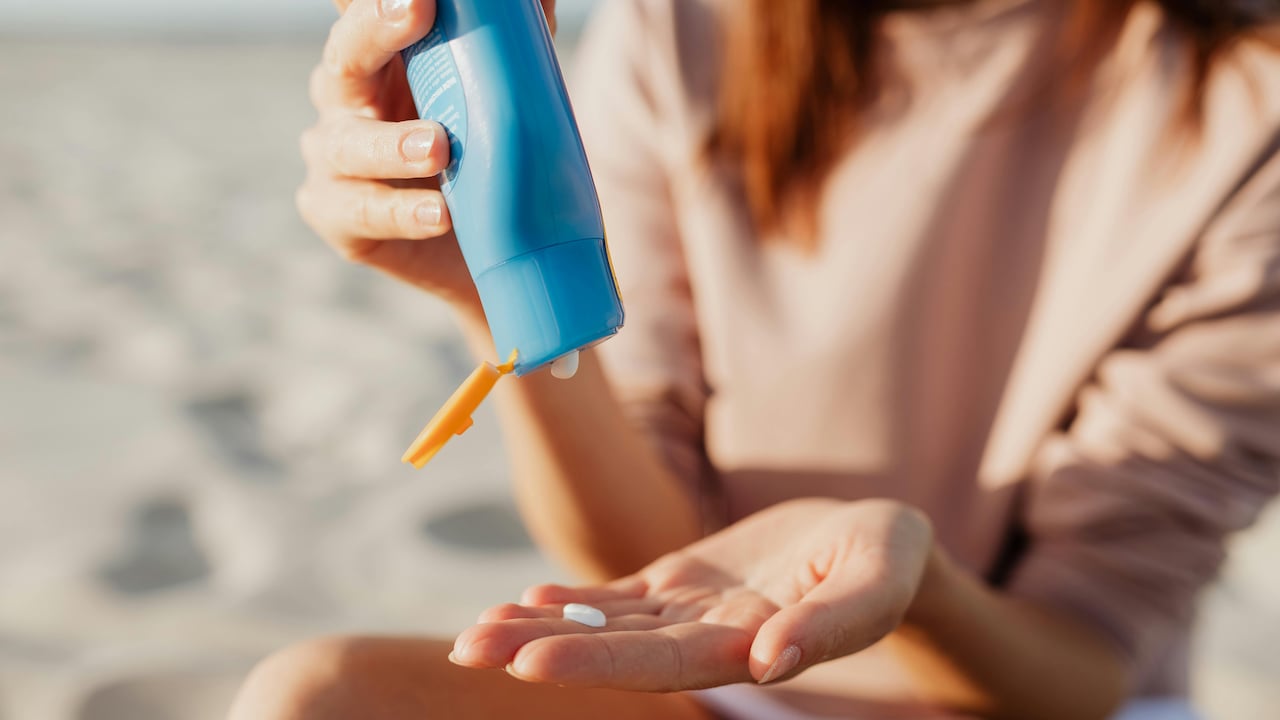
One of the biggest sunscreen blunders begins with quantity. Most people apply sunscreen sparingly, as though the bottle costs more than petrol. A tiny dab may feel sufficient, but it rarely provides the SPF level printed on the packaging. Experts recommend roughly two finger lengths of sunscreen for the face and neck alone.
Applying less dramatically reduces effectiveness. For instance, SPF 50 may perform closer to SPF 15 if used inadequately. That means harmful rays can penetrate more easily, causing tanning, pigmentation, and long-term skin damage.
A common reason for under-application is fear of greasiness or white cast. In hot climates, thick sunscreen can feel uncomfortable, especially during humid days. However, modern lightweight formulas offer better comfort without sacrificing coverage. Skimping simply creates uneven protection.
Think of painting a wall with too little paint; patches remain exposed. Skin works much the same way. Proper sunscreen use requires generosity, not hesitation. That bottle should protect skin, not gather dust because of over-cautious use.
Also Read: Sunscreens Under ₹500: Dermat-Approved Picks With Vitamin C, Niacinamide And More
Skipping Reapplication During The Day
Morning sunscreen application often creates a false sense of security. Many assume one layer lasts all day, but sunscreen breaks down over time, especially with sweat, heat, pollution, and natural oil production.
Even premium sunscreen loses strength after a few hours outdoors. Reapplication every two to three hours remains essential, particularly during commutes, outdoor work, or long shopping trips under intense sun. Yet this step often gets ignored because it feels inconvenient to put on makeup or during busy schedules.
Imagine wearing perfume in the morning and expecting it to smell fresh by evening. Sunscreen works similarly; its potency fades. Compact sunscreen sticks, sprays, or powder SPF options now make reapplication easier without ruining appearance.
Without this crucial habit, skin remains exposed for most of the day despite a careful morning routine. Sun damage accumulates gradually, often unnoticed until stubborn pigmentation or fine lines appear. Consistent reapplication transforms sunscreen from a token skincare step into real defence.
Forgetting Commonly Missed Areas
Faces usually get the most sunscreen attention, but several vulnerable spots frequently go neglected. Ears, eyelids, neck, hairline, lips, and hands often escape proper coverage despite receiving direct sunlight.
These forgotten zones can show early signs of ageing, sunspots, or burns faster than expected. Hands, for example, reveal age quickly because of repeated sun exposure during driving or commuting. Similarly, the ears and neck can burn easily, especially during outdoor events.
This selective application resembles locking the front door while leaving windows wide open. UV rays need only one exposed area to cause damage.
Lip balms with SPF, hand cream containing sunscreen, and careful blending around the hairline can dramatically improve protection. Building awareness of these often-overlooked areas ensures sunscreen works comprehensively rather than partially.
Small omissions create surprisingly large consequences. Thoroughness matters just as much as SPF level.

Why Your Sunscreen Is Not Working: Application Mistakes You Are Making Daily; Photo Credit: Pexels
Applying Sunscreen Too Late
Timing can quietly determine sunscreen effectiveness. Applying sunscreen immediately before stepping outside often leaves skin inadequately protected because chemical sunscreens require about 15 to 20 minutes to activate properly.
Many rush through their routine and head out instantly, assuming immediate protection. Unfortunately, this mistake leaves a dangerous gap during which UV rays can penetrate skin unchallenged.
Physical sunscreens offer quicker defence, but even these benefit from even settling on the skin. A little planning can significantly improve outcomes. Applying sunscreen before breakfast or while getting dressed allows enough absorption time.
Think of preheating an oven before baking; skipping preparation affects results. Sunscreen also needs proper timing to perform optimally.
Busy mornings often encourage shortcuts, but this small adjustment can save skin from unnecessary exposure. A few extra minutes can mean the difference between protected skin and preventable sun damage.
Trusting Makeup SPF Alone
Foundation, BB creams, and compact powders with SPF have become increasingly popular. While these products offer some protection, relying on them alone often proves insufficient.
Makeup typically gets applied in thin layers, far below the amount required for proper SPF performance. Achieving labelled SPF through foundation alone would require an unrealistically heavy application that few would tolerate.
This creates a dangerous illusion of safety. Wearing SPF 30 foundation does not replace a dedicated sunscreen underneath. Instead, makeup SPF should act as a bonus protection rather than a primary defence.
Using cosmetics as sole sun protection resembles carrying a raincoat made of tissue paper during the monsoon season. It may help slightly, but it will not truly shield against the elements.
Layering proper sunscreen beneath makeup ensures reliable coverage while allowing cosmetic products to enhance, not replace, sun safety.
Ignoring Indoor Sun Exposure
Many believe sunscreen matters only outdoors, but ultraviolet exposure continues indoors through windows and digital screens. UVA rays can penetrate glass, contributing to pigmentation, premature ageing, and skin dullness.
Those sitting near windows at home, in offices, or during long drives remain vulnerable even without direct sunburn. Daily indoor exposure may seem mild, but cumulative damage builds steadily.
Skipping sunscreen on work-from-home days or while staying indoors can therefore undermine long-term skincare goals. This mistake often surprises people who struggle with persistent tanning despite limited outdoor activity.
Modern lifestyles involve considerable screen time and daylight exposure, making daily sunscreen essential regardless of location.
Sun protection should become as routine as brushing teeth, not reserved solely for beach holidays or outdoor events. Skin needs consistency, not occasional attention.

Why Your Sunscreen Is Not Working: Application Mistakes You Are Making Daily; Photo Credit: Pexels
Choosing The Wrong Sunscreen Formula
Not all sunscreens suit every skin type, and using an unsuitable formula often leads to poor compliance. Heavy, oily products can trigger breakouts, while excessively drying formulas may irritate sensitive skin.
When sunscreen feels uncomfortable, people naturally apply less or skip it altogether. This undermines effectiveness more than many realise.
Oily skin may benefit from gel-based or matte sunscreens, while dry skin often needs hydrating formulations. Sensitive skin may respond better to mineral sunscreens with zinc oxide or titanium dioxide.
Selecting sunscreen should feel like choosing footwear. Stylish shoes mean little if they pinch all day painfully. Similarly, an effective sunscreen must also fit comfortably into daily life.
Finding the right formula encourages consistent use and better protection. Comfort directly impacts habit, and habit determines results.
Assuming Higher SPF Means All-Day Immunity
SPF numbers can create confusion. Many assume SPF 100 offers double the protection of SPF 50, leading to overconfidence and careless sun habits.
In reality, SPF 50 blocks approximately 98 per cent of UVB rays, while SPF 100 blocks about 99 per cent. The difference exists but remains modest. No sunscreen creates invincibility.
Higher SPF should not justify skipping reapplication, prolonged sun exposure, or neglecting hats and sunglasses. Marketing often fuels unrealistic expectations, but sunscreen works best as part of broader sun safety practices.
Believing otherwise resembles buying a stronger lock while leaving valuables outside. Protection requires multiple strategies.
Understanding SPF realistically helps consumers make smarter choices without falling for misleading assumptions.
Storing Sunscreen Incorrectly
Sunscreen effectiveness can degrade when exposed to excessive heat, sunlight, or humidity. Leaving bottles in hot cars, beach bags, or sunny windowsills can compromise active ingredients.
This is particularly relevant in scorching climates where temperatures soar dramatically. Heat-damaged sunscreen may appear normal but lose protective power.
Checking expiry dates also matters. Expired sunscreen often provides unreliable protection, no matter how expensive it once was.
Skincare products require care, much like medicines. Improper storage weakens performance.
Keeping sunscreen in cool, shaded places preserves potency and ensures skin receives intended protection. A compromised formula can quietly sabotage even the most diligent routine.
Forgetting Sunscreen Is A Daily Commitment
Perhaps the most widespread mistake involves inconsistency. Many reserve sunscreen for vacations, weddings, or visibly sunny days while neglecting everyday use.
Sun damage accumulates gradually through routine activities like grocery runs, bike rides, or even sitting by sunny windows. Daily exposure, however brief, contributes to long-term pigmentation and ageing.
Sunscreen should become a non-negotiable part of morning skincare, much like cleansing or moisturising. Sporadic use limits cumulative benefits.
Healthy skin rarely depends on occasional grand gestures. Rather, it reflects small, repeated habits.
Treating sunscreen as an everyday essential rather than an optional extra can dramatically improve skin resilience over time. Consistency often matters more than perfection.
Products Related To This Article
1. Aqualogica Glow+ Dewy Gel Sunscreen
2. Neutrogena Hydro Boost Face Sunscreen SPF50+ PA++++
3. The Derma Co 1% Hyaluronic Sunscreen Aqua Gel SPF 50 PA++++
4. LAKMÉ Sun Expert, Dry Matte Fluid Sunscreen
5. Garnier Super UV Cooling Watergel Sunscreen SPF 50 PA++++
6. Minimalist Sunscreen SPF 50 PA+++ with Niacinamide & Multi-Vitamins
7. Deconstruct Gel Sunscreen for Oily skin SPF 50 PA++++
Sunscreen can only protect skin when used correctly, and surprisingly small mistakes often undermine its potential. From using too little product to skipping reapplication or overlooking everyday exposure, these habits quietly chip away at protection.
Effective sun care does not require luxury products costing ₹2,000 or elaborate ten-step routines. Instead, success lies in awareness, consistency, and proper technique. Applying enough sunscreen, choosing suitable formulas, covering all exposed areas, and maintaining daily commitment can significantly improve skin health.
Under relentless sunshine, sunscreen remains one of the strongest allies for preserving youthful, healthy skin. But like any good tool, its power depends on how wisely it gets used.
A few simple adjustments today can prevent years of avoidable damage tomorrow. Skin deserves more than half-hearted protection.
(Disclaimer: This article may include references to or features of products and services made available through affiliate marketing campaigns. NDTV Convergence Limited (“NDTV”) strives to maintain editorial independence while participating in such campaigns. NDTV does not assume responsibility for the performance or claims of any featured products or services.)