10 Reasons Niacinamide Serum Feels Sticky After Layering And How To Prevent Pilling
Niacinamide serum turning sticky or rolling into tiny flakes? From using too much product to rushing between layers, here are 10 common reasons skincare starts pilling and simple ways to keep your routine smooth.
10 Reasons Niacinamide Serum Feels Sticky And How To Prevent Pilling
Niacinamide has earned a comfortable spot in many bathroom cabinets. It fits neatly into routines aimed at controlling excess oil, supporting the skin barrier, improving uneven-looking tone and keeping skin generally calmer. Better still, it usually gets along with most other popular skincare ingredients. Yet there's one decidedly unglamorous problem. You finish your routine, run a hand across your cheek, and suddenly find tiny rolls of product gathering under your fingers. Or perhaps the serum refuses to settle in the first place, leaving your face feeling strangely tacky long after application. That experience can make a perfectly reasonable skincare routine feel as though something has gone wrong. Usually, niacinamide itself isn't the sole culprit. The texture of the serum, how much you apply, what goes underneath it and what follows it can all affect how products sit on your skin. Even the technique used to apply sunscreen afterwards can make the difference between smooth layers and a face covered in little rubbery crumbs. Before retiring a perfectly good bottle to the back of the cupboard, it helps to work out what your routine is trying to tell you.
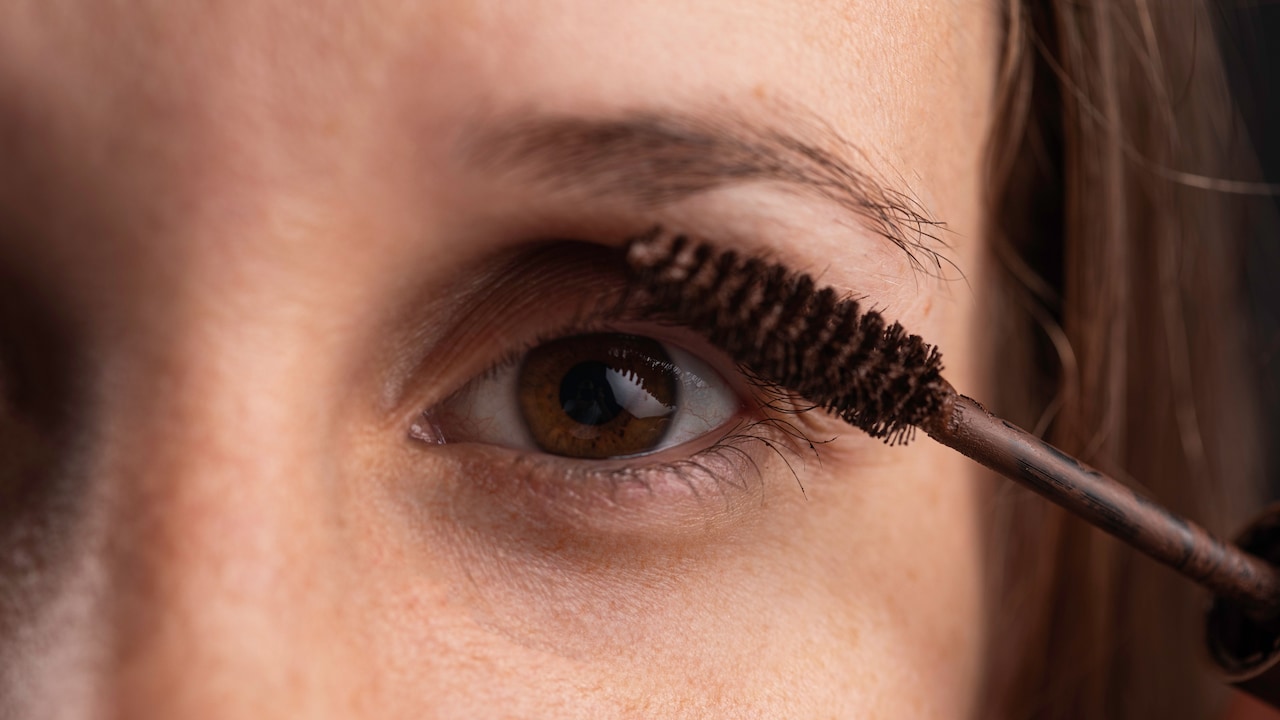
10 Reasons Niacinamide Serum Feels Sticky And How To Prevent Pilling; Photo Credit: Pexels
Why Your Niacinamide Routine Turns Sticky Or Starts Pilling
1. You Are Applying More Serum Than Your Skin Needs
A little enthusiasm can quickly become the enemy of a smooth skincare routine. If a serum promises clearer-looking pores or better oil control, adding another pump can feel like giving the ingredient extra help. Skin, unfortunately, doesn't work quite that way.
Most niacinamide serums contain more than niacinamide and water. Formulas may include humectants, thickeners, film-forming ingredients and texture enhancers. Apply a generous layer and some of this material can remain sitting on the surface rather than settling comfortably.
The result often feels tacky. Add moisturiser or sunscreen on top and the excess can begin rolling into little flakes.
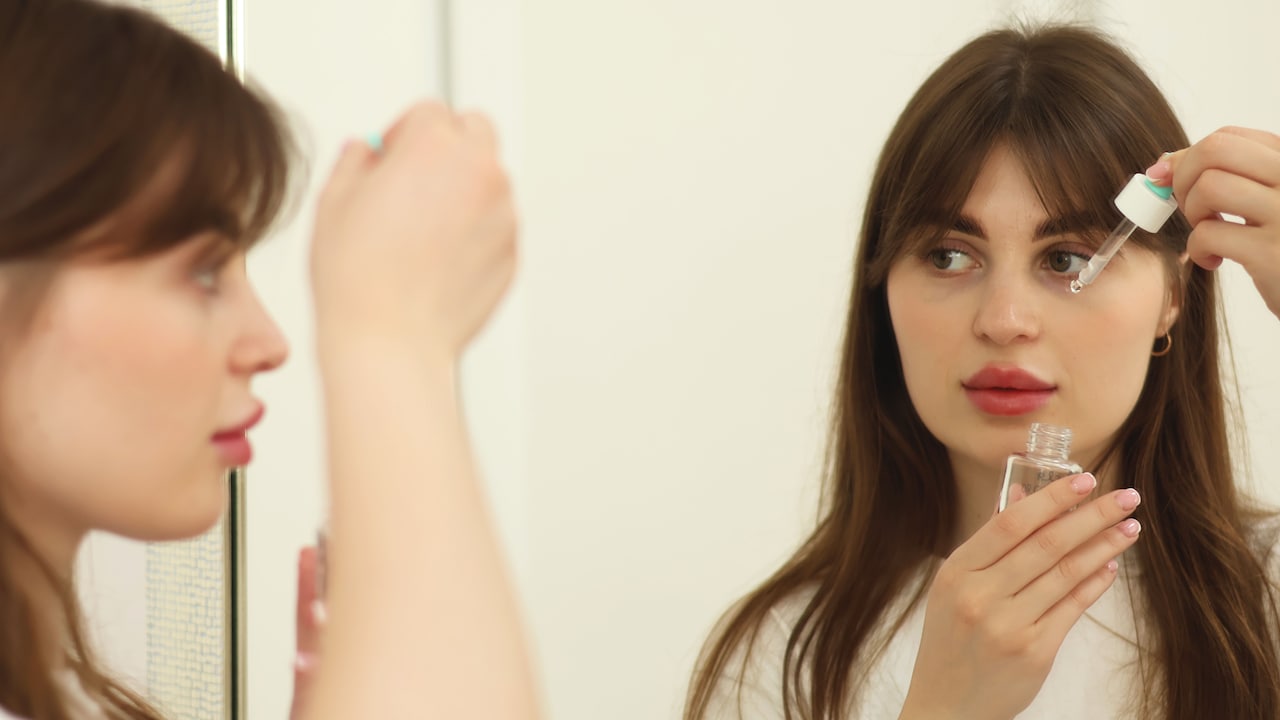
Instead of coating the face, start with enough serum to create a thin, even layer. For many dropper formulas, a few drops can cover the face comfortably, although the ideal amount depends on the product's instructions and texture.
More serum doesn't necessarily deliver more benefits. When a formula starts behaving like glue, reducing the quantity is often the simplest fix.
Also Read: Best 5 Face Serums for a Dewy, Hydrated Look Under ₹1000
2. You Are Layering The Next Product Too Quickly
Morning routines rarely unfold at spa speed. There's breakfast to sort out, messages arriving and perhaps a commute waiting. So serum goes on, moisturiser follows five seconds later and sunscreen lands immediately afterwards.
That rush can contribute to pilling.
When several wet or tacky products meet before the earlier layers have had a chance to settle, they can mix together on the surface. Instead of forming thin individual layers, they become one thick film. Rubbing that film can cause it to gather into visible rolls.
There's no universal rule saying every skincare layer needs several minutes of waiting. In fact, many products work perfectly well with fairly short gaps. The important part is texture.
After applying niacinamide serum, give it enough time to lose that very wet, slippery feeling before moving on. Your skin doesn't need to feel completely dry. It simply shouldn't feel as though the next product will immediately swim around on top.
A little patience here can save considerably more time spent brushing mysterious flakes off your cheeks later.
10 Reasons Niacinamide Serum Feels Sticky And How To Prevent Pilling; Photo Credit: Pexels
3. The Serum Contains Ingredients That Naturally Feel Tacky
Sometimes the answer has less to do with your technique and more to do with the formula itself.
Niacinamide is the headline ingredient on the bottle, but the supporting cast determines much of the sensory experience. Humectants such as glycerin can help attract water, while gums, polymers and other thickening agents give watery formulas their serum-like consistency.
Some combinations naturally leave a slightly tacky finish, especially in warm or humid conditions.
That doesn't automatically mean the serum is poor quality. A sticky texture and ineffective skincare aren't the same thing. The issue becomes more noticeable when a tacky serum sits underneath another rich formula.
Try applying a thinner layer first. If the finish still bothers you, pairing the serum with a lighter moisturiser may help. You can also reserve a particularly sticky formula for your evening routine, when makeup and sunscreen don't need to sit on top.
Ultimately, skincare has to be pleasant enough to use consistently. A technically impressive formula isn't especially useful if applying it feels like spreading syrup across your face every morning.
4. You Are Rubbing Each Layer Too Much
Skincare doesn't need vigorous encouragement to enter the skin.
Repeatedly rubbing your face while layering serum, moisturiser and sunscreen creates friction. That friction can disturb films created by earlier products and encourage them to bunch together. Suddenly, what looked perfectly smooth a moment earlier starts producing little grey or white rolls.
The problem can become particularly obvious around the jaw, hairline and sides of the nose, where people often go over the same area several times.
Try spreading niacinamide gently and evenly rather than massaging it endlessly. Once it has settled, apply the following product with similarly light movements.
Sunscreen needs even coverage, so don't avoid spreading it properly. The trick is reducing unnecessary back-and-forth rubbing once it has been distributed.
Think of layering more like painting thin coats than polishing a table. Each layer needs coverage, but repeatedly working over something that has already started setting can disrupt the surface.
Sometimes the most effective skincare technique involves simply knowing when to stop touching your face.
5. Your Moisturiser And Serum Form An Awkward Texture Combination
Two perfectly good products can occasionally make terrible roommates.
A lightweight niacinamide serum may work beautifully alone. Your moisturiser may also perform brilliantly by itself. Layer them together, however, and their combination of thickeners, silicones, gums or film-forming ingredients may create an unstable-feeling surface.
This doesn't necessarily mean the active ingredients are chemically “fighting”. Pilling is often a physical formulation problem rather than evidence that two skincare actives cannot coexist.
Testing the combination can help.
Apply your serum and moisturiser without adding other products and watch what happens. If pilling appears immediately, you may have found the troublesome pairing.
You could try using less of each product or allowing the serum to settle before moisturising. If that doesn't help, use the niacinamide serum at night and the moisturiser during the day with a different serum, or vice versa.
Skincare routines don't need to contain every favourite product at the same time. Splitting incompatible textures between morning and evening can make both products far easier to live with.
10 Reasons Niacinamide Serum Feels Sticky And How To Prevent Pilling; Photo Credit: Pexels
6. Your Skincare Routine Has Too Many Layers
A cleanser, toner, essence, niacinamide serum, hydrating serum, moisturiser, facial oil, sunscreen and makeup primer may each have a purpose. Stack all of them together, though, and your face can start resembling a skincare layer cake.
Every additional leave-on product introduces another set of ingredients that must coexist on the skin's surface.
Even lightweight products can accumulate. By the time sunscreen goes on, the combined film may become thick enough to move around when touched. Makeup application adds still more friction, making pilling difficult to avoid.
Simplifying the routine can quickly reveal whether overload is causing the problem.
Niacinamide doesn't necessarily require an elaborate supporting cast. Depending on your skin's needs, a morning routine may work perfectly well with cleansing, serum, moisturiser when needed and sunscreen.
Evenings can accommodate other treatments on different days.
A shorter routine also makes troubleshooting easier. When eight products sit underneath your sunscreen, identifying the culprit becomes detective work. When there are three, the mystery tends to solve itself much faster.
Good skincare isn't measured by how crowded the bathroom shelf looks.
7. You Are Applying Serum Over A Heavy Previous Layer
The trouble may actually begin before your niacinamide bottle opens.
A rich toner, essence, facial mist or another serum underneath can create a film that changes how the niacinamide formula behaves. If the first layer hasn't settled, adding another gel-like formula can produce more tackiness rather than more hydration.
This becomes especially noticeable when several products contain similar texture-building ingredients.
The instinct may be to keep adding hydration whenever skin feels dehydrated, but layers aren't automatically better simply because each one feels lightweight individually.
Try applying niacinamide directly after cleansing for a few days, followed by moisturiser. If the sticky finish disappears, something earlier in the routine was probably contributing to the texture problem.
You don't necessarily need to abandon that product. Alternating it between morning and evening might be enough.
Your routine should feel comfortable from beginning to end. If each step makes the previous one increasingly sticky, the problem may not be a lack of waiting time. There may simply be too much material sitting between your skin and the serum.
8. Your Sunscreen Is Triggering The Pilling
Niacinamide often receives the blame because the flakes appear after you've applied it. Yet the real troublemaker may arrive several steps later.
Sunscreens are sophisticated formulations designed to create an even protective film. Applying them over multiple skincare layers can sometimes disturb what is underneath, particularly when those layers remain tacky.
This is why a routine might look flawless after serum and moisturiser but suddenly start rolling when sunscreen goes on.
Try observing exactly when pilling begins. If your skin remains smooth until sunscreen application, experiment with using less serum or a lighter moisturiser underneath. Allow those layers to settle before applying sunscreen evenly and gently.
Don't solve the problem by reducing sunscreen below the amount needed for adequate protection. Instead, simplify what sits underneath it.
This matters because sunscreen isn't the disposable step in the routine. A niacinamide serum is optional skincare. Sun protection has a much more important protective role.
Build the rest of your morning routine around a sunscreen that works comfortably for your skin rather than forcing sunscreen to cooperate with six preceding layers.
9. Your Skin Is Still Very Damp When The Serum Goes On
Applying hydrating products to slightly damp skin can work well in many routines, but dripping-wet skin creates another situation altogether.
Water can dilute the serum temporarily and make it spread much further than expected. People sometimes respond by applying additional drops because the first amount appears to disappear quickly.
As the water evaporates, however, more product than necessary may remain behind. That can contribute to the sticky finish you were trying to avoid.
A heavily damp surface can also change how quickly different formulas settle before the next layer arrives.
After cleansing, you don't need to wait until your face feels desert-dry. Simply remove obvious excess water and allow the skin to remain comfortably damp rather than wet.
Then apply a modest amount of serum.
The distinction sounds small, but skincare often turns on these tiny details. A few extra drops here, a wet face there and another layer applied immediately afterwards can transform a perfectly wearable serum into something that feels far heavier than the formula intended.
10. You Are Blaming Niacinamide When The Problem Is Really Your Overall Routine
Niacinamide has become so prominent on skincare labels that it can receive credit and blame for almost everything happening on the face.
Sticky skin after applying a niacinamide serum doesn't necessarily mean niacinamide itself causes stickiness. Likewise, pilling doesn't automatically mean the ingredient disagrees with vitamin C, exfoliating acids or another popular active.
Most pilling comes down to the complete formulations and how they interact physically on the skin.
This distinction matters because replacing one niacinamide serum with another may solve the problem if the new formula has a different texture. Removing niacinamide entirely may not help if your moisturiser, primer and sunscreen continue creating the same overloaded surface.
Troubleshoot systematically instead.
Use a simple routine and introduce products one at a time until the unwanted texture returns. That approach tells you much more than changing three products simultaneously.
Also pay attention to irritation. Burning, persistent redness, swelling or significant itching aren't ordinary pilling problems. Stop using the suspected product and seek professional advice if symptoms are persistent or severe.
Sometimes skincare really does need investigation rather than another layer.
Products Related To This Article
1. Hyphen 18% Brightening - 20% Collagen Double Shot Face Serum-5% Niacinamide for Dark Spots
2. Dermatouch 2% Kojic Acid Anti-Pigmentation & Blemishes Cream-30 gm
3. THE ORDINARY Niacinamide 10% + Zinc 1% - 30ml
4. Plum 10% Niacinamide Face Serum with Rice Water
5. FoxTale 12% Niacinamide Face Serum to Control Oil - Fade Dark Spots & Reduce Acne
6. The Derma co. 10% Niacinamide Face Serum To Fade Acne Marks & Treat Dark Spots
7. Beauty of Joseon Glow Serum for Radiance with 60% Propolis & Niacinamide
Sticky niacinamide serum doesn't always mean the serum belongs in the bin. Often, the fix comes down to smaller amounts, gentler application, fewer layers and better timing between products. Watch when pilling starts and adjust one step at a time. A good routine shouldn't just promise results; it should also feel comfortable enough to repeat every day.
(Disclaimer: This article may include references to or features of products and services made available through affiliate marketing campaigns. NDTV Convergence Limited (“NDTV”) strives to maintain editorial independence while participating in such campaigns. NDTV does not assume responsibility for the performance or claims of any featured products or services.)