Overnight Hair Oil Guide For Winter: What Nourishes Without Greasy Pillowcases
Winter dries out hair, but overnight oiling doesn’t have to mean greasy pillows. This guide breaks down the best winter oils, smart application tips and routines that nourish hair deeply while keeping mornings mess-free.

Looking At Going For Overnight Hair Oiling In Winter? Check Best Oils And How To Avoid Greasy Hair.
Winter mornings bring misty skies, chilly winds and an urgent need for extra layers. Hair feels that seasonal shift too. Scalps tighten, ends fray faster and shine seems to disappear overnight. For generations, oiling hair before bed served as a trusted ritual. Somewhere between modern schedules and fear of greasy hair, that habit faded. Yet, winter demands nourishment more than any other season. Overnight oiling gives hair uninterrupted time to absorb goodness, repair dryness, and regain softness. Balanced oiling leads to glossy strands and calmer scalps.
This guide focuses on oils that nourish without weighing hair down. It also explains timing, quantity and techniques that suit winter nights.
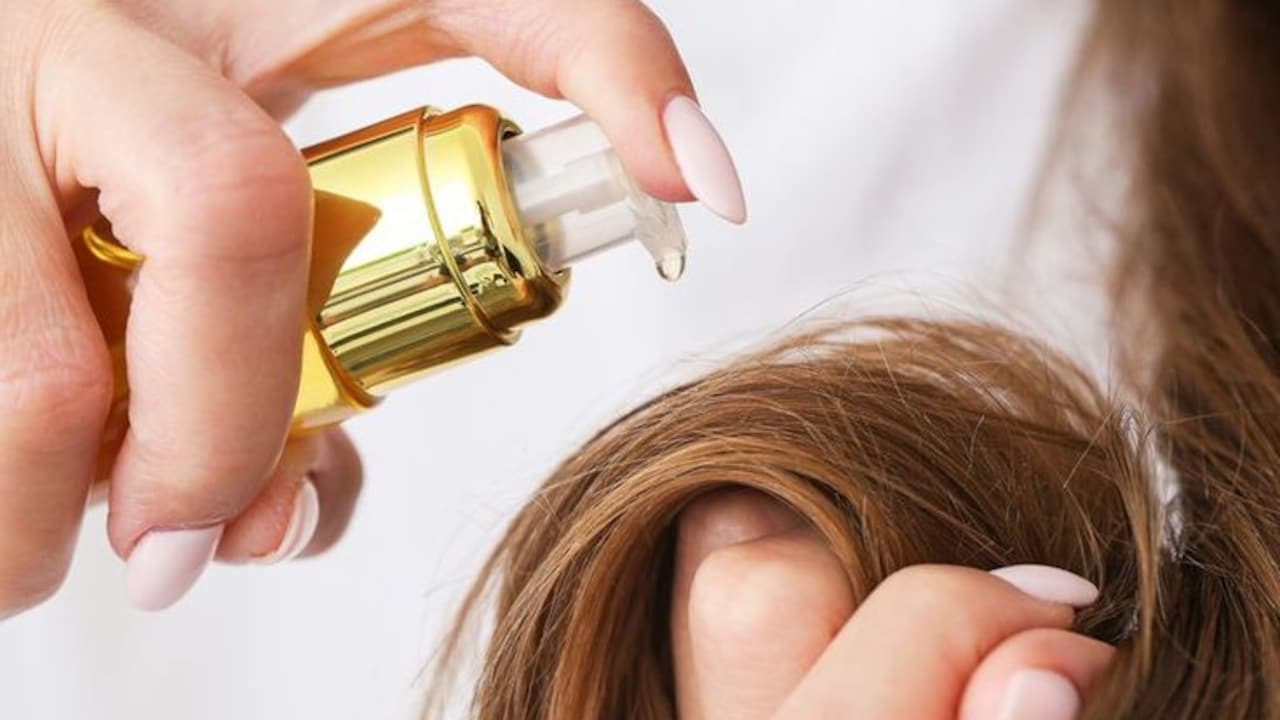
How To Oil Hair Overnight In Winter Without Greasy Roots Or Pillowcases; Photo Credit: Pexels
The Winter Rules Of Overnight Hair Oiling, Explained Simply
1. Why Winter Hair Needs Overnight Oiling
Winter strips moisture faster than most seasons. Cold air outside reduces humidity, while indoor heating dries the scalp further. Hair loses natural oils quickly, leaving strands rough and prone to breakage. Overnight oiling counters this damage by sealing moisture back into the hair shaft.
During sleep, the body rests and repairs itself. Hair benefits from the same rhythm. Oils sit longer, penetrate deeper and work without interference from sun, dust or styling products. Short daytime oiling rarely offers that depth of nourishment.
Many avoid overnight oiling due to greasy results. That usually stems from excess oil or unsuitable choices. Winter hair requires warmth, hydration and light nourishment rather than thick coatings. When chosen carefully, overnight oiling soothes itchy scalps, reduces static and prevents split ends.
A light oil massage before bed also calms the senses. After long days and packed schedules, that quiet ritual signals rest. Healthy hair often begins with a relaxed scalp and consistent care.
2. Choosing Oils That Suit Winter Nights
Not all oils behave the same overnight. Some sink in quickly, while others sit heavily on the surface. Winter oiling calls for oils that nourish deeply without clogging pores or staining pillows.
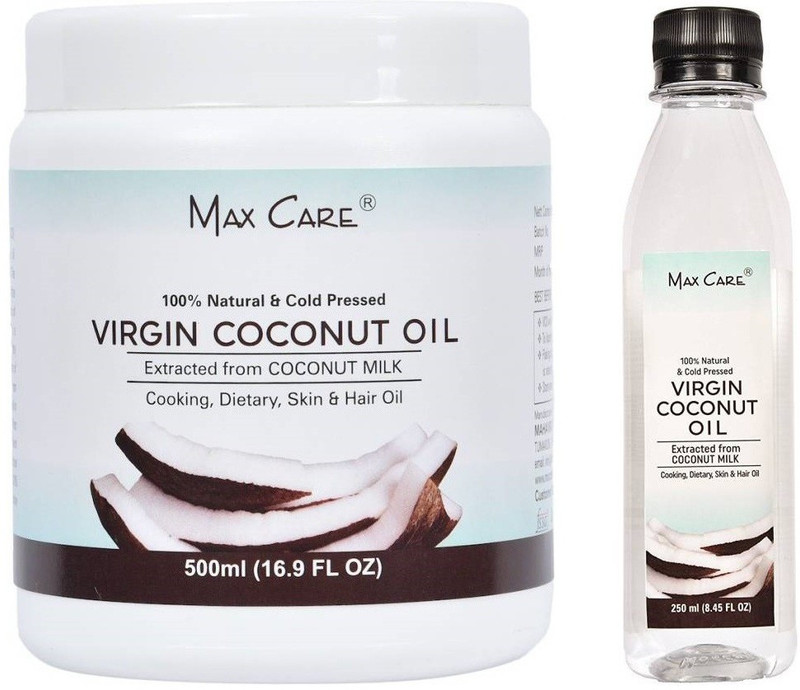
Coconut oil suits dry lengths but may feel heavy on fine hair during winter. Almond oil offers lighter nourishment and vitamin E, which helps fight seasonal dullness. Argan oil works well for frizz control and softness, especially for coloured or heat-styled hair.
Sesame oil deserves attention during colder months. It generates mild warmth, improves circulation and supports scalp health. A few drops go a long way. Jojoba oil mimics natural scalp oils and balances dryness without heaviness.
Blending oils often works better than relying on one. A mix of almond and sesame or coconut with a few drops of castor for ends creates balance. Winter hair thrives on moderation, not overload.
Also Read: Say Goodbye To Dry Hair: Top 5 Hair Oils For Low Porosity Hair
3. How Much Oil Is Too Much
Excess oil causes most overnight oiling complaints. Greasy pillows, limp roots and clogged scalps usually result from generous pours rather than faulty oils. Winter hair needs nourishment, not drowning.
For short hair, a teaspoon often suffices. Medium-length hair may need two teaspoons, while long hair benefits from a tablespoon spread evenly. Focus oil on the scalp lightly and concentrate more on mid-lengths and ends.
Warm oil slightly between palms before applying. Warmth improves spread and absorption, reducing the need for extra oil. Massage gently rather than rubbing aggressively. The scalp responds better to slow, circular movements.
A well-oiled scalp should feel nourished, not slippery. Strands should look slightly glossy, not soaked. That balance prevents pillow stains and allows hair to breathe overnight.
4. Smart Application Techniques For Grease-Free Mornings
Technique matters as much as the oil itself. Applying oil correctly prevents a mess and improves results. Start with dry hair. Damp hair absorbs oil unevenly and may feel heavier by morning.
Part hair into sections and apply oil using fingertips rather than pouring directly. This method ensures control and even distribution. Massage the scalp for five to seven minutes to stimulate circulation and help oils sink in.
After application, braid hair loosely or tie it in a low bun. Tight hairstyles trap oil at the scalp and create discomfort during sleep. Loose styles protect lengths without pressure.
Use an old cotton dupatta or scarf to cover hair lightly. This step keeps pillows clean and creates gentle warmth that helps absorption. Avoid plastic caps overnight, as they trap heat excessively and irritate the scalp.
How To Oil Hair Overnight In Winter Without Greasy Roots Or Pillowcases; Photo Credit: Pexels
5. Oils That Work Best For Dry, Flaky Scalps
Winter often brings flaking and itchiness, even for those who rarely experience dandruff. Dry scalp requires soothing oils that hydrate without causing build-up.
Sweet almond oil moisturises gently and reduces irritation. Olive oil provides deep nourishment but suits very dry scalps best when used sparingly. Adding a few drops of tea tree oil helps calm flakes and keeps the scalp fresh.
Castor oil strengthens roots and supports hair growth, yet its thick texture demands dilution. Mix one part castor oil with three parts almond or coconut oil for comfortable overnight use.
Regular gentle oiling eases tightness and restores scalp balance. Scratching worsens dryness, while consistent nourishment prevents flakes from returning each winter.
6. Lightweight Oils For Fine Or Oily Hair Types
Fine hair and oily scalps often avoid overnight oiling altogether. Fear of flatness and greasiness keeps many away. The right oils and amounts change that experience completely.
Jojoba oil suits oily scalps during winter, as it regulates sebum production. Grapeseed oil feels light, absorbs quickly and leaves no residue by morning. Argan oil smooths frizz without weighing strands down.
Apply oil only to the scalp or only to the ends, depending on needs. Oily scalps may skip roots and focus on lengths. Fine hair responds better to oiling once or twice a week during winter rather than daily routines.
Washing hair the next morning with a gentle shampoo restores bounce while keeping nourishment intact. Fine hair thrives on balance, not avoidance.
7. The Role Of Essential Oils In Winter Care
Essential oils elevate overnight oiling when used correctly. They add therapeutic benefits and pleasant aromas that relax the mind before sleep.
Lavender oil calms the scalp and supports hair growth. Rosemary oil improves circulation and strengthens roots, especially during winter hair fall. Peppermint oil refreshes itchy scalps but needs careful dilution.
Add two to three drops of essential oil to a tablespoon of carrier oil. More does not mean better. Excess essential oils irritate the skin and disrupt sleep.
Aromatic blends turn oiling into a sensory ritual rather than a chore. Winter nights feel longer and quieter, making them perfect for such small acts of care.

How To Oil Hair Overnight In Winter Without Greasy Roots Or Pillowcases; Photo Credit: Pexels
8. How Often Should Hair Be Oiled In Winter
Frequency matters as much as oil choice. Over-oiling suffocates the scalp, while neglect leads to dryness. Winter hair care benefits from rhythm and consistency.
Most hair types respond well to overnight oiling two to three times a week. Extremely dry or curly hair may require more frequent nourishment. Oily scalps may reduce oiling to once a week.
Listen to hair signals. Increased breakage, frizz or itchiness suggests a need for more care. Limp roots or a greasy feel suggest excess.
Winter routines work best when simple and sustainable. Regular moderate oiling delivers better results than occasional heavy sessions.
9. Morning After Care: Washing Without Stripping
The morning after oiling matters just as much as the night before. Harsh washing removes the benefits gained overnight. Gentle cleansing preserves softness and shine.
Use lukewarm water rather than hot. Hot water dries the scalp further and increases frizz. Apply shampoo mainly to the scalp and allow the lather to cleanse the lengths naturally.
Avoid double shampooing unless hair feels heavily oiled. Follow with a light conditioner on ends only. Winter hair appreciates minimal interference.
Allow hair to air dry when possible. Heat styling immediately after oiling weakens strands and cancels nourishment. Soft, calm mornings support healthier hair days.
10. Making Overnight Oiling A Winter Habit
Consistency transforms overnight oiling from an occasional task into a comforting winter ritual. Busy schedules often push self-care aside, yet small routines fit easily into evenings.
Keep oil blends ready in small bottles near the bedside. That visibility encourages regular use. Choose nights wisely, perhaps midweek and weekends, when mornings feel less rushed.
Involve family traditions or quiet moments with music or warm tea. Hair care feels less like maintenance and more like care when woven into everyday life.
Winter passes quickly, but hair remembers how it felt during those months. Nourished strands greet spring stronger, shinier and far less damaged.
Products Related To This Article
1. BRILLARE 10% Rosemary Hair Oil for Hair Strengthening, Growth & Reduces Hair Fall
2. Soulflower Rosemary Essential Oil For Hair Growth and Hair Fall
3. WishCare Coldpressed Castor Oil for Hair & Skin
4. Parachute Advanced Rosemary-Enriched Coconut Hair Oil
5. Nat Habit Hibiscus Amla Summer Dasabuti Hair Oil for Hair Growth & Fall Control
6. Kapiva Cold-Pressed Extra Virgin Coconut Hair Oil
7. Rey Naturals Premium Cold Pressed Castor Oil - Pure & Virgin Grade Hair Oil
Winter challenges hair with dryness, breakage, and dullness. Overnight oiling offers a simple, time-tested solution when done thoughtfully. The right oils, measured amounts, and smart techniques nourish hair deeply without messy mornings. Oiling hair overnight need not feel outdated or inconvenient. With small adjustments, it fits modern lifestyles easily. Healthy hair rarely comes from expensive products alone. It grows from mindful habits, patience, and understanding seasonal needs. Winter nights provide the perfect opportunity to restore balance, one drop of oil at a time.
(Disclaimer: This article may include references to or features of products and services made available through affiliate marketing campaigns. NDTV Convergence Limited (“NDTV”) strives to maintain editorial independence while participating in such campaigns. NDTV does not assume responsibility for the performance or claims of any featured products or services.)