Why Gel Nail Polish Keeps Peeling Off Even After Using A Nail Lamp
Gel nail polish can still peel after using a nail lamp due to poor nail prep, thick coats, incorrect curing, moisture exposure or weak nails. Small mistakes often ruin even the glossiest manicure.
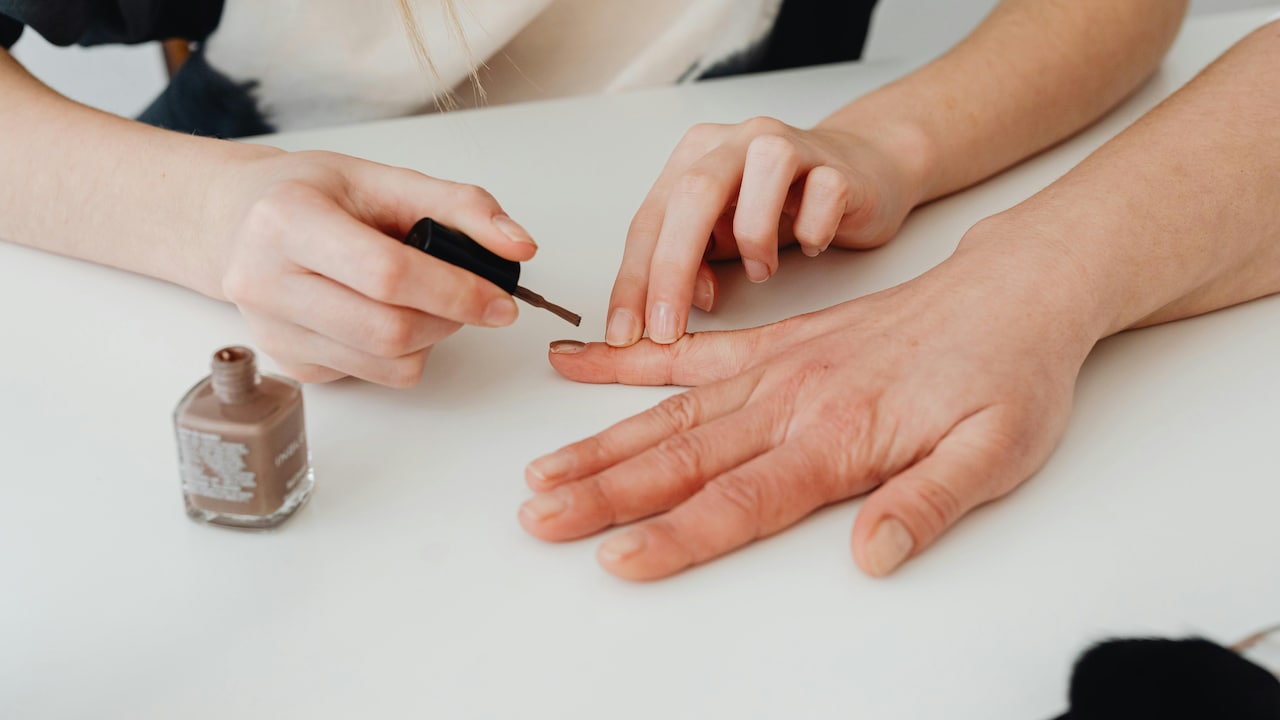
Common reasons for gel nail polish peeling even after using a drying lamp
Gel nail polish promises durability, high shine, and chip-free confidence for weeks. That is exactly why it has become a beauty favourite in homes and salons alike. A quick curing session under a nail lamp feels almost magical. Wet polish turns rock solid in seconds. Yet for many people, the excitement fades quickly when the polish starts peeling within a few days. The frustration can feel oddly personal. After spending ₹800 at a salon or investing in a DIY gel kit online, nobody expects their manicure to peel off while searching for coins in a handbag. Some blame the lamp immediately. Others suspect poor-quality polish. In reality, gel peeling usually happens because of several small issues working together.
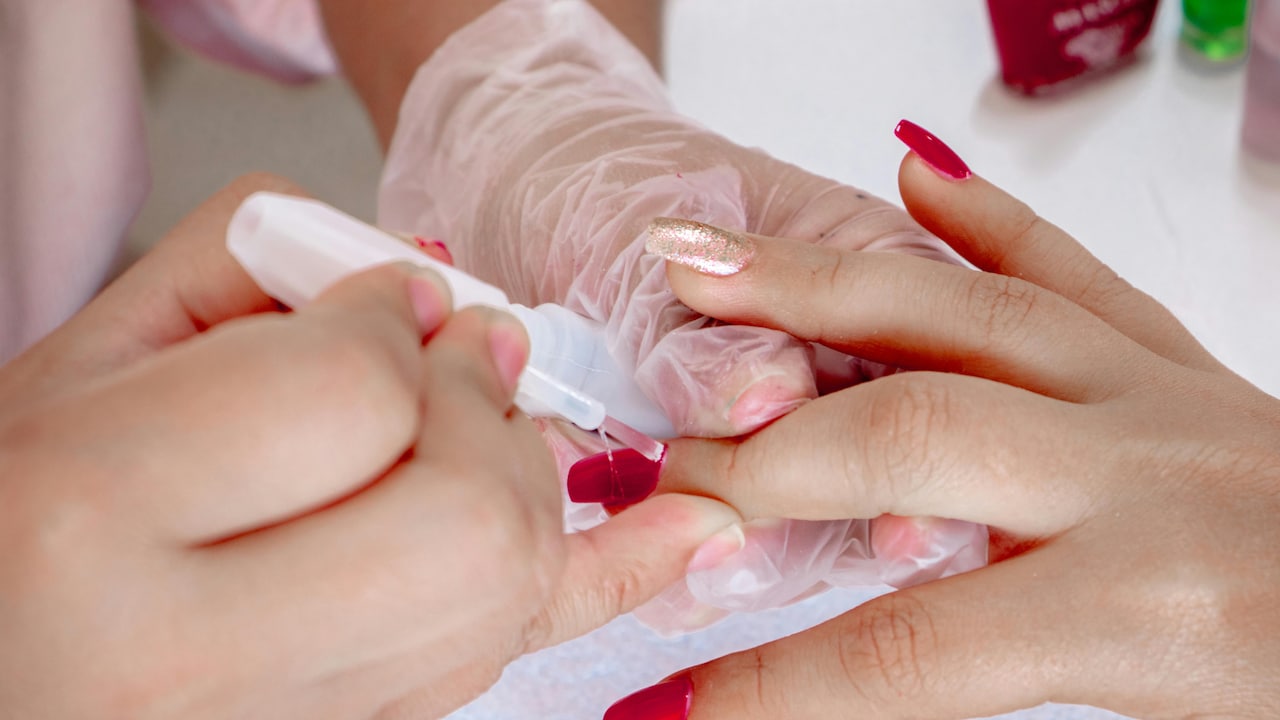
Why gel nail polish peels even after drying properly; Photo Credit: Pexels
Nails behave a lot like skin and hair. Weather, moisture, oil levels, and even daily habits affect them. A person washing utensils without gloves every evening may struggle more than someone working in an air-conditioned office. Add rushed nail prep or uneven curing, and the manicure barely stands a chance.
The good news is that peeling gel polish often has simple fixes. Understanding what goes wrong can save money, prevent endless disappointment, and keep nails looking salon-fresh far longer.
Also Read: Press-On Nails vs Gel Nails: Which Manicure Actually Fits Modern Life?
Why Gel Nail Polish Keeps Peeling Off Even After Using A Nail Lamp
1. Skipping Proper Nail Preparation
A flawless gel manicure begins long before the polish touches the nail. Many people rush through prep because it seems boring compared to choosing colours. Unfortunately, skipping proper preparation almost guarantees peeling.
Natural nails produce oils constantly. Even freshly washed hands still carry traces of moisture and residue. If gel polish sits on an oily surface, it struggles to bond properly. The result often appears within days as lifting around the edges.
Good preparation involves gently pushing back cuticles, lightly buffing the nail surface, and cleaning away dust completely. Many people forget the cuticle area entirely. Gel accidentally painted onto skin or dead cuticle tissue lifts quickly because the polish cannot grip those surfaces.
Another common mistake involves using rich hand cream right before a manicure. Moisturiser creates a slippery barrier that weakens adhesion. It feels harmless at the time, but causes trouble later.
Think of nail prep like painting a wall before Diwali. Nobody paints directly over dust and peeling patches expecting smooth results. Nails need the same attention. Even the fanciest gel polish and strongest lamp cannot compensate for poor preparation. A few extra minutes spent cleaning and prepping nails often make the difference between a manicure lasting four days and lasting three weeks.
2. Using Too Much Polish In One Coat
Thick gel polish might look satisfying while applying, but it creates chaos underneath the surface. Many people assume a thicker coat means stronger colour and longer wear. The opposite usually happens.
Gel polish cures through exposure to UV or LED light. When layers become too thick, the light struggles to penetrate fully. The top may harden while the lower layers remain soft and unstable. This weak structure eventually leads to peeling, bubbling, or strange wrinkling.
Dark colours create even bigger problems. Deep reds, navy blues, and black shades need thin layers because dense pigments block light more easily. Applying one heavy coat instead of two thin ones often leaves uncured polish trapped underneath.
A rushed manicure commonly causes this issue. Someone running late for dinner plans may slap on thick coats, hoping to save time. Then, two days later, the polish peels off in sheets while typing on a laptop.
Thin layers cure evenly and create better durability. They also look smoother and more professional. Gel polish works best when built gradually rather than piled on heavily. Patience may not sound glamorous, but it saves plenty of frustration later.
3. The Nail Lamp May Not Match The Gel Polish
Not all nail lamps work equally well with every gel polish brand. This catches many people by surprise because the packaging often looks similar across products.
Some gels require specific wavelengths to cure properly. A lamp with low wattage or incompatible technology may leave polish partially cured even if it appears dry on the surface. The manicure feels fine initially but starts lifting soon after.
Cheap online kits often cause this problem. A ₹999 combo with random bottles and a tiny lamp may seem like a bargain until the polish peels within three days. Many low-cost lamps lack the strength needed for proper curing.
Older lamps also lose effectiveness over time. UV bulbs weaken gradually, meaning the polish receives less curing power even when the lamp still switches on normally. LED lamps last longer but can still develop uneven performance.
Another overlooked issue involves hand placement. If fingers sit awkwardly inside the lamp, some nails receive weaker exposure. Thumbs suffer most because people often angle them incorrectly.
The lamp matters more than many realise. Using trusted products and checking compatibility between the lamp and polish can dramatically improve results. Sometimes the peeling problem has nothing to do with skill at all. The equipment simply fails to do its job properly.
4. Forgetting To Seal The Nail Edges
The free edge of the nail plays a huge role in preventing peeling, yet many people ignore it entirely. This tiny detail often determines whether a manicure survives daily life.
Sealing the edge means brushing polish lightly across the nail tip during every layer, including the base coat and top coat. This creates a protective barrier around the nail.
Without sealing, water and air sneak underneath the polish from the tip. Everyday activities like washing rice, opening fizzy drink cans, or peeling oranges slowly weaken the manicure. Soon, the edges start lifting.
Long nails especially need proper sealing because they experience more pressure during daily tasks. Even something as simple as tapping on a phone screen repeatedly can strain unsealed polish.
Many DIY beginners avoid the edges because they fear making a mess. Ironically, skipping this step creates bigger problems later. The manicure may look neat initially, but it peels prematurely.
Professional nail technicians rarely forget edge sealing because they understand how essential it is. It acts like waterproofing for the manicure. Tiny habit, massive difference.
Once people start sealing edges consistently, they often notice their gel polish lasting significantly longer without major changes elsewhere in their routine.
5. Moisture Exposure Ruins Fresh Gel Nails
Fresh gel nails need time to settle fully, even after curing. Immediate exposure to excessive moisture can weaken the manicure surprisingly fast.
Many people finish their nails and jump straight into household chores. Washing dishes, soaking clothes, or taking long, hot showers right after application often triggers peeling. Heat and moisture soften the nail plate slightly, which affects adhesion.
Humidity also plays a role. During the monsoon season, nails absorb more moisture naturally. Gel polish tends to struggle more in damp conditions compared to cooler, drier weather.
Swimming pools create another hidden problem. Chlorinated water slowly breaks down the bond between gel and nail. Frequent swimmers often notice faster lifting regardless of polish quality.
Daily routines matter more than expected. A person constantly sanitising hands or washing utensils without gloves puts their manicure under continuous stress. The polish may survive a weekend brunch but not repeated detergent exposure.
Protecting nails from prolonged moisture helps tremendously. Wearing gloves while cleaning may not feel glamorous, but neither does watching expensive gel polish peel off before payday arrives.
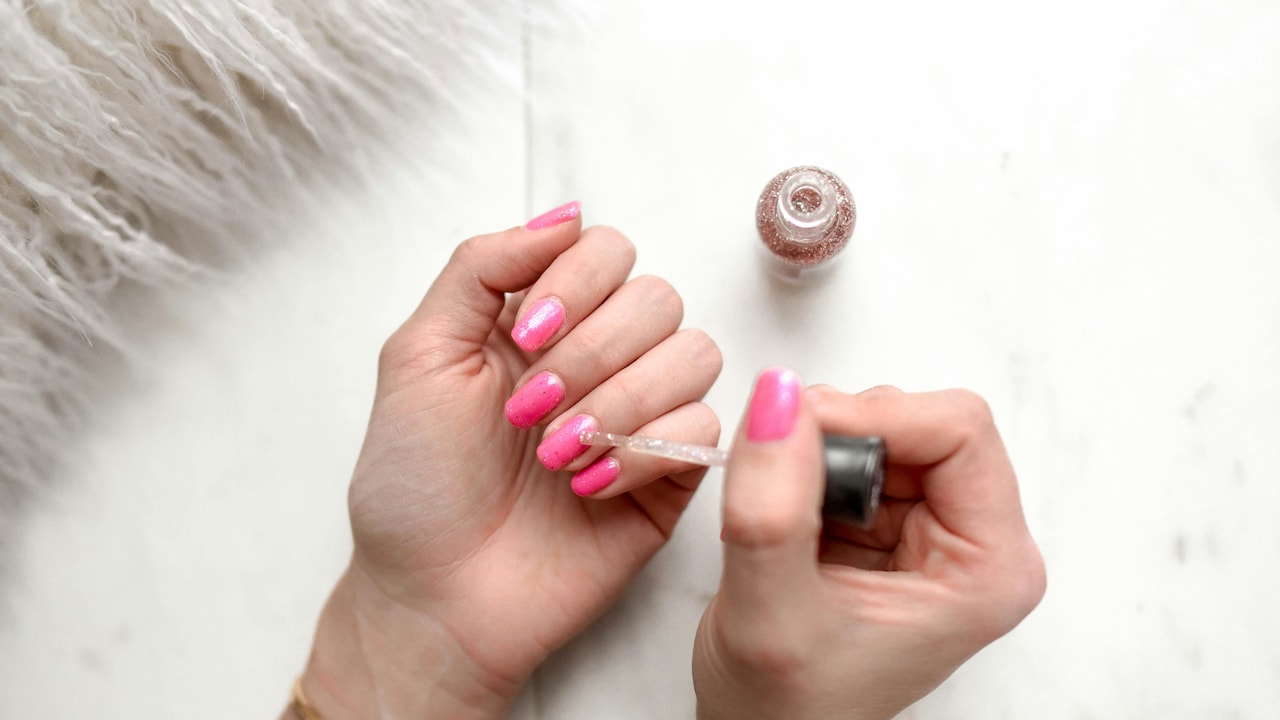
Immediate exposure to excessive moisture can weaken the manicure; Photo Credit: Pexels
6. Weak Or Damaged Natural Nails
Sometimes the real problem sits underneath the polish. Weak or damaged nails struggle to hold gel properly no matter how good the products are.
Frequent buffing thins the nail plate over time. Some people over-buff while trying to improve adhesion, unknowingly making their nails fragile instead. Thin nails bend more during everyday activities, causing the hardened gel layer to crack and peel.
Peeling natural nails also creates uneven surfaces that prevent strong bonding. If the nail itself flakes, the gel attached to it flakes too.
Previous acrylic damage can worsen the issue. Nails recovering from aggressive removals often remain weak for months. Applying gel repeatedly during this recovery stage may lead to constant lifting.
Nutrition occasionally contributes as well. Brittle nails linked to dehydration or poor diet tend to flex and split more easily.
Healthy nails provide a stable foundation for long-lasting gel polish. Strengthening treatments, nail oils, and breaks between manicures sometimes help more than buying another expensive polish shade.
People often blame themselves for peeling polish when their nails simply need recovery time. Even premium salon products cannot cling properly to severely weakened nails forever.
7. Incorrect Curing Time Causes Problems
Curing gel polish sounds simple. Place nails under the lamp and wait. Yet timing mistakes happen constantly and cause major peeling issues.
Under-curing remains one of the most common problems. Removing hands too early leaves the polish soft beneath the surface. It may appear hardened, but lacks proper strength. The manicure then lifts quickly or develops strange patches.
Over-curing can also create trouble. Excessive exposure sometimes makes the gel brittle. Instead of flexing naturally with the nail, the hardened polish becomes rigid and prone to cracking.
Different brands require different curing times. Many people ignore instructions completely, assuming all gels behave identically. That assumption causes frustration later.
Another issue involves curing all fingers unevenly. Some people pull their hands out midway to check messages or adjust positioning. Interrupted curing affects consistency across nails.
Salons occasionally rush clients during busy weekends, reducing curing time to speed up appointments. The nails may look perfect under salon lighting, but start peeling within days.
Proper curing requires patience and consistency. Following brand instructions carefully usually delivers far better results than guessing. Tiny timing adjustments can dramatically improve how long gel polish lasts.
8. Cheap Products Often Lead To Faster Peeling
Not every gel polish delivers the same quality. Budget-friendly products may look tempting online, especially when colourful sets appear cheaper than one salon visit. Unfortunately, low-quality formulas often peel faster.
Cheap gels sometimes contain weaker bonding ingredients. They may cure unevenly, shrink during drying, or separate from the nail plate quickly. The glossy finish can disappear within days.
Base coats deserve particular attention. Many people splurge on colour shades but buy inexpensive base products to save money. The base coat acts like the foundation of a house. If it fails, everything on top collapses too.
Counterfeit beauty products also flood online marketplaces. Packaging may resemble famous brands closely while containing completely different formulas inside.
Strong chemical smells can signal poor-quality ingredients. While some odour remains normal, excessively harsh fumes often indicate lower manufacturing standards.
This does not mean every affordable product performs badly. Plenty of reasonably priced options work beautifully. The key lies in choosing trusted brands rather than random flashy kits promising twenty colours and a lamp for suspiciously low prices.
Sometimes spending slightly more upfront prevents constant redoing later. A manicure that lasts three weeks often proves cheaper than replacing peeling polish every few days.
9. Picking And Peeling The Polish Manually
Few habits destroy gel manicures faster than absent-minded picking. Almost everyone has done it at some point. One tiny lifted corner appears, fingers start fiddling with it during a meeting or while watching cricket, and suddenly half the manicure disappears.
Peeling gel manually damages both the polish and the natural nail underneath. Layers of the nail plate often come off along with the gel, creating rough surfaces that worsen future adhesion.
Stress and boredom usually trigger this habit. Long traffic jams, endless office calls, or binge-watching late-night dramas often lead to unconscious picking.
Once a small chip appears, resisting temptation becomes difficult. The lifted edge feels annoyingly satisfying to pull. Unfortunately, that quick satisfaction creates weeks of weakened nails afterwards.
Proper removal matters hugely. Acetone soaking and gentle removal preserve nail health far better than forcefully peeling polish away.
Healthy removal habits improve future manicures dramatically. Nails remain smoother, stronger, and more capable of holding gel securely. Sometimes the biggest enemy of long-lasting polish turns out to be simple impatience.
10. Daily Habits Quietly Damage Gel Nails
Many people expect gel nails to survive everything without damage. While gel polish feels durable, everyday habits slowly wear it down.
Using nails as tools causes major stress. Opening courier packages, scraping stickers off jars, or prying open snack containers weakens the edges constantly. Even sturdy gel cannot tolerate repeated pressure forever.
Typing heavily also affects certain nails more than others. People often notice lifting on index fingers first because those nails experience constant impact throughout the day.
Excessive heat creates trouble, too. Cooking over high flames, using hair straighteners, or frequent baking sessions expose nails to temperature changes that weaken adhesion.
Hand sanitiser became another hidden culprit in recent years. Alcohol-based formulas dry out both nails and surrounding skin, making lifting more likely over time.
Even sleeping habits can matter. People who clench fists or sleep with hands tucked awkwardly sometimes experience more nail stress overnight.
Gel polish performs best with mindful care. Treating nails gently extends manicure life significantly. Small changes in routine often deliver surprisingly noticeable improvements.
Products Related To This Article
1. SKINPLUS 48w 24 LEDs Automatic Sensor LED UV Nail Dryer Nail Curing Nail Art Lamp Manicure Pedicure Tool
2. Emigel Professional Nail UV Lamp 300W
3. UV LED Nail Lamp 150W Professional Nail Dryer Machine
4. UV LED Nail Lamp 120W Professional Nail Dryer
5. 268W U V Light for Gel Nails, LimeGirl Nail Lamp LED Nail Lamp Professional with 4 Timer
6. UV LED Nail Lamp 150W Professional Nail Dryer Machine
7. USB UV Nail Lamp 48W Dryer Gel Polish Curing LED Ligh
Gel nail polish peeling after using a nail lamp feels frustrating, especially after investing time, money, and excitement into achieving glossy salon-style nails. Yet the problem rarely comes from one single mistake. More often, tiny issues combine quietly behind the scenes.
Poor prep, thick layers, incorrect curing, weak nails, moisture exposure, and daily habits all influence how long gel polish survives. Even something as simple as forgetting to seal the edges can shorten a manicure dramatically.
The encouraging part is that most of these problems have practical solutions. Better preparation, thinner coats, proper curing times, and gentler nail care can transform the lifespan of gel polish completely.
Beautiful gel nails should feel like a confidence boost, not a weekly disappointment. With the right techniques and a little patience, that glossy shine can finally stay put long enough to enjoy every compliment that comes with it.
(Disclaimer: This article may include references to or features of products and services made available through affiliate marketing campaigns. NDTV Convergence Limited (“NDTV”) strives to maintain editorial independence while participating in such campaigns. NDTV does not assume responsibility for the performance or claims of any featured products or services.)