Peach, Orange Or Yellow: Which Colour Corrector Should You Use?
Confused between peach, orange, or yellow colour correctors and not sure which one to choose? Read this beginner-friendly guide to understand how shade works and which one suits your skin the best.
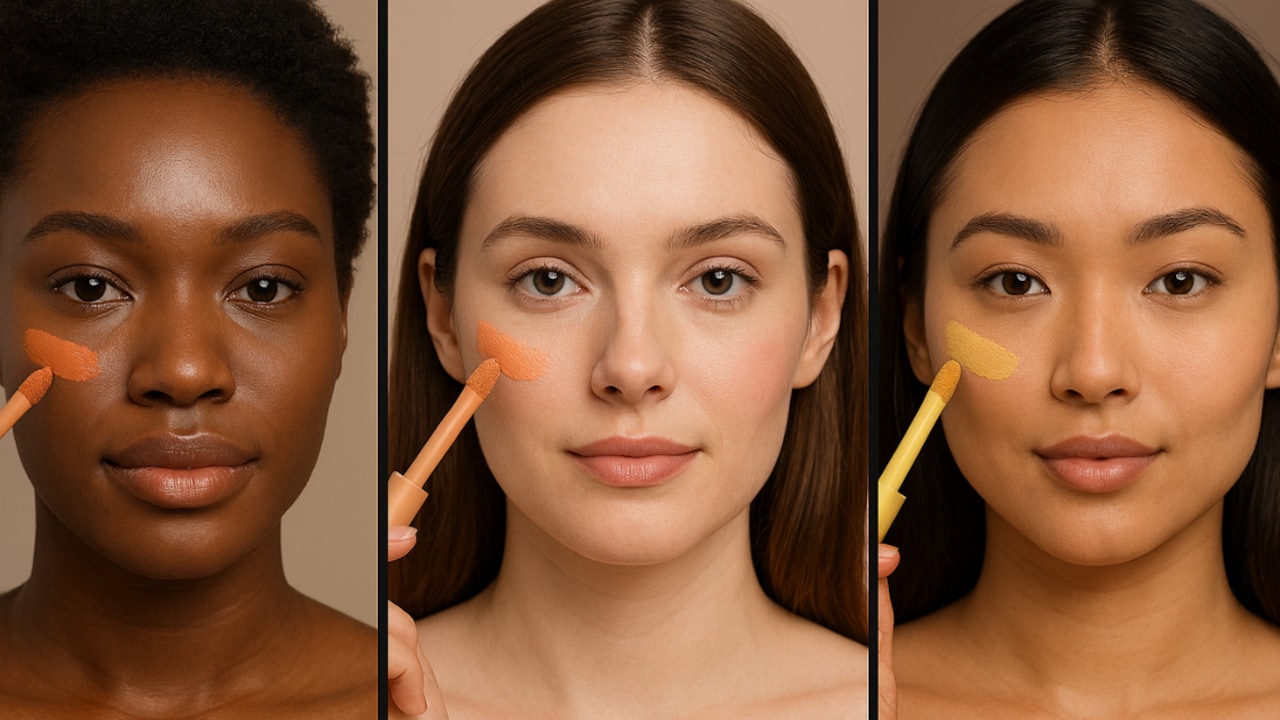
Read how each colour corrector works to hide imperfections on different skin tones
When it comes to achieving a flawless, airbrushed base, foundations and concealers aren't always enough. Despite using layers of base products, concerns like pigmentation, dark circles, and acne marks can still show up. That's where colour correctors step in. Inspired by colour theory, these products neutralise discolouration and give your makeup a more even, professional-looking finish. However, with options like peach, orange, and yellow, choosing the right shade can feel tricky. One wrong choice can make your makeup look grey, ashy, and oddly tinted.
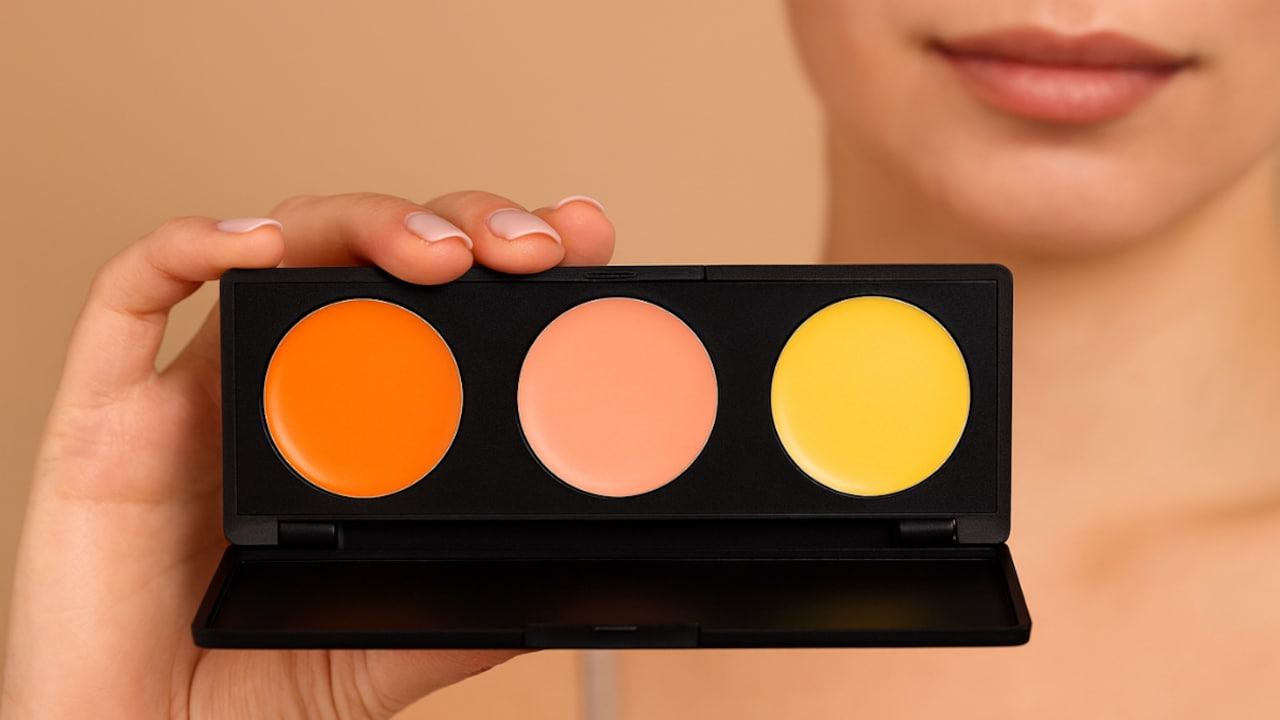
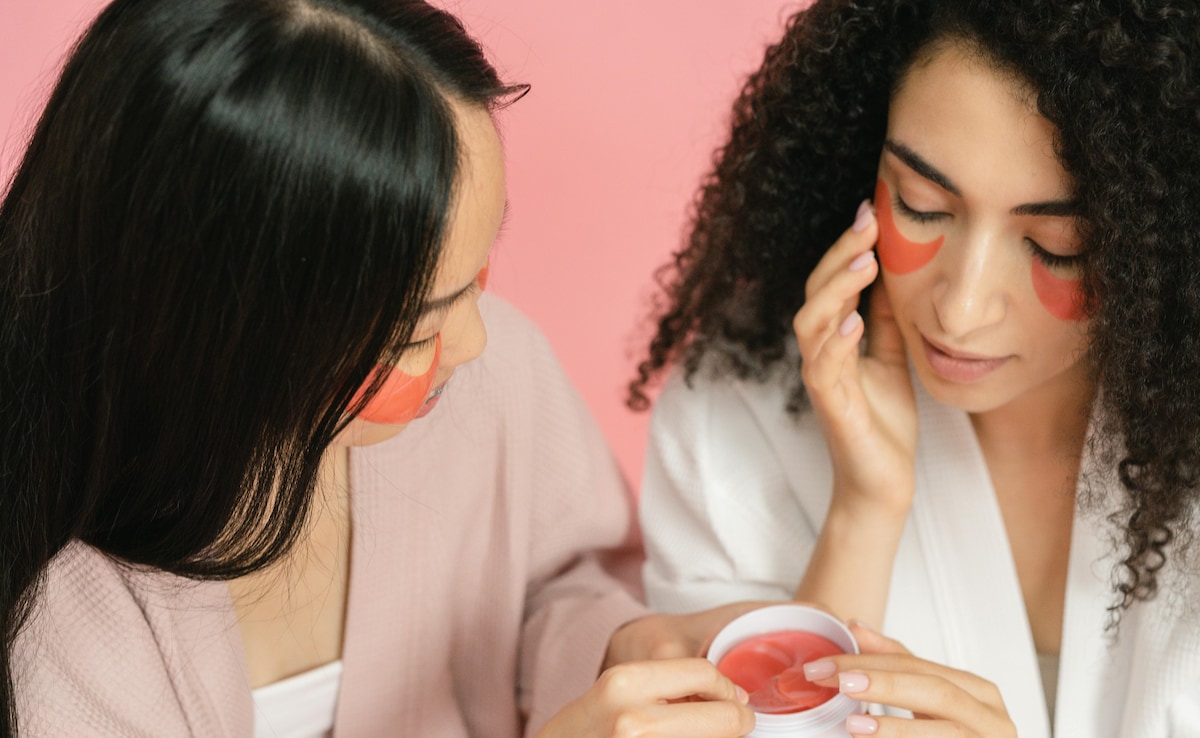
Beginner's guide to understanding how peach, orange, and yellow colour correctors work; Photo Credit: Copilot
The key to choosing the right colour corrector shade involves understanding your skin tone and the type of discolouration you have. Instead of layering heavy products, using the right shade can deliver better results with minimal product. So, if you want even-toned, skin-like makeup, let's break down colour correctors.
Also Read: Say Goodbye To Dark Circles, Acne Marks, And Pigmentation With These Colour Correctors Under ₹600
What Is Colour Correcting In Makeup
In simple words, colour correcting is the art of neutralising pigmentation for flawless-looking skin. It involves using specific hues to conceal redness, dark circles, and acne marks before applying foundation or concealer. The technique is essentially based on colour theory, where opposite shades from the wheel cance out each other. For instance, peach and orange can help conceal blue or purple undertones on the skin.
Importance Of Colour Correcting In Makeup
Colour correcting may look subtle at first, but it makes a noticeable change. In fact, professional makeup artists around the world swear by it. It is especially useful for:
- Under-eye dark circles
- Acne marks
- Uneven skin tone
- Darkness around lips
Understanding Colour Corrector Shades
Peach, orange, and yellow are the most commonly used colour correctors. Let us break down and understand each one.
1. Peach Colour Corrector
Peach correctors are ideal for neutralising blue or purple undertones. They are ideal for fair to medium skin tones and brighten your undereyes for a fresh look.
2. Orange Colour Corrector
Orange correctors are more pigmented than peach and work well for medium to deep Indian skin tones. They conceal hyperpigmentation and severe dark circles. They come in handy where peach correctors do not provide enough coverage.
3. Yellow Colour Corrector
Yellow correctors are used to add warmth and brightness to under eye areas. Ideal for light to medium skin tones, they can help with mild dullness and redness.
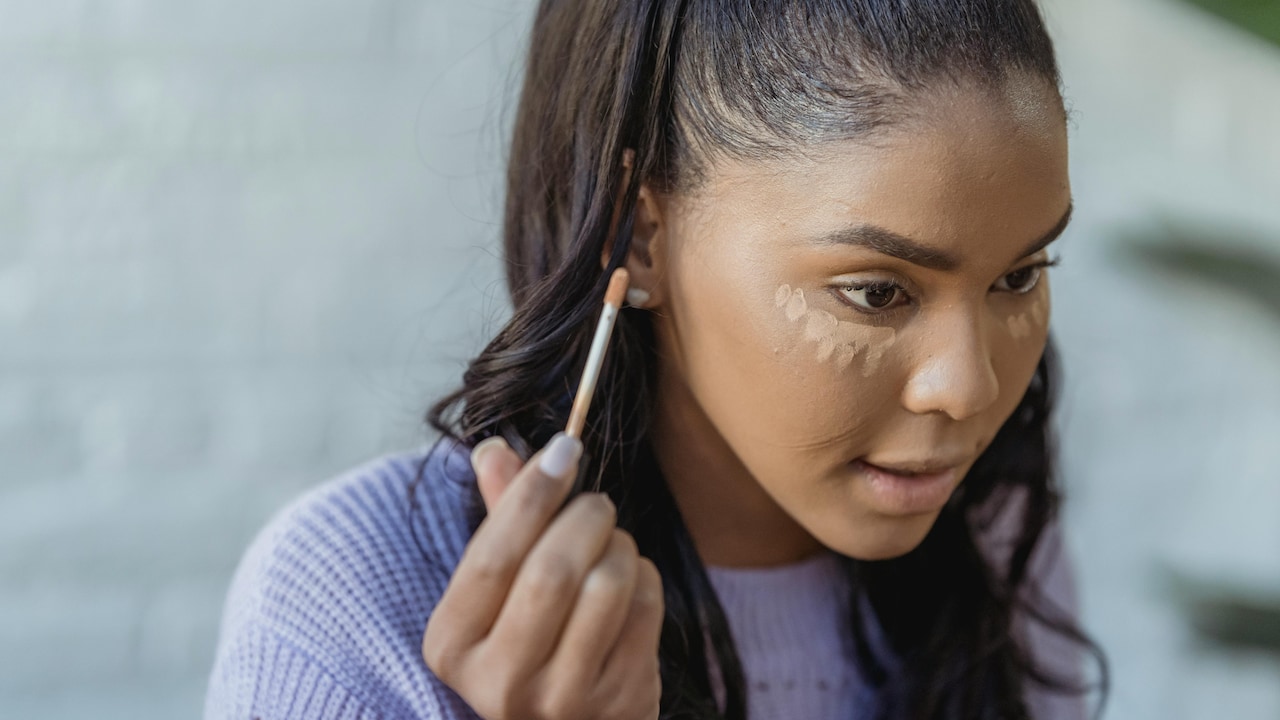
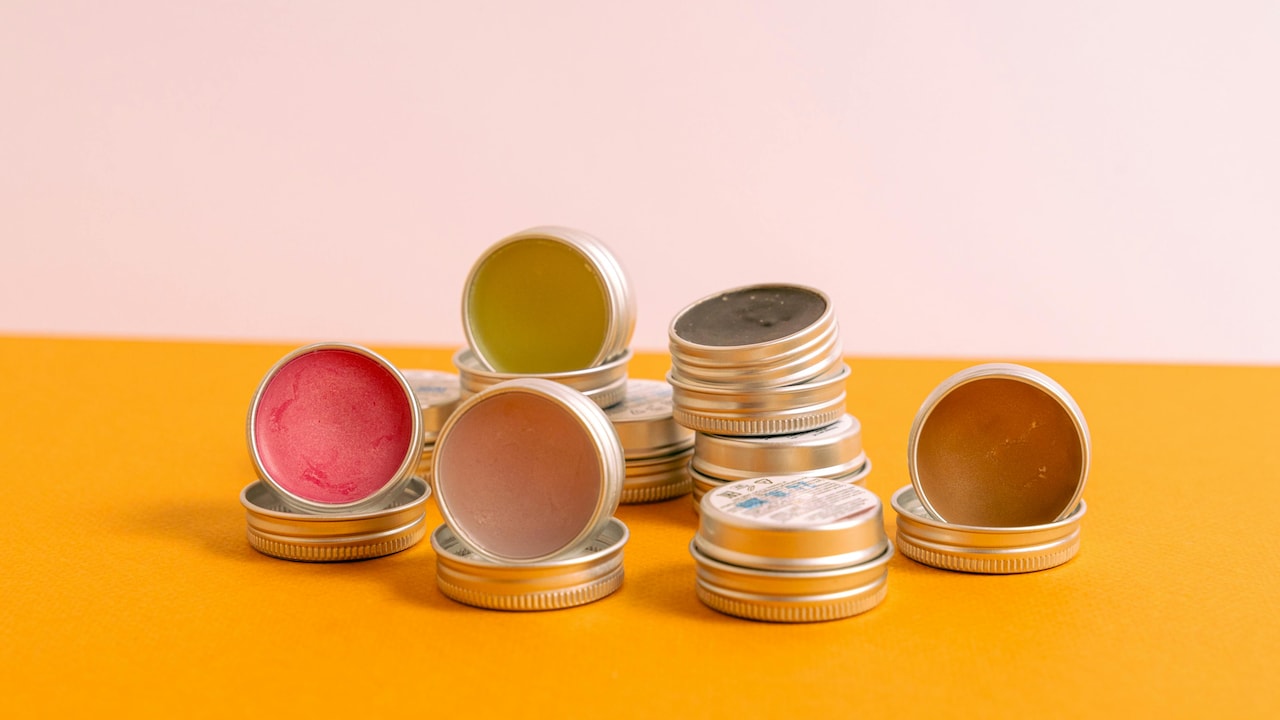
Each colour corrector works differently on skin tones and can hide imperfections using less product; Photo Credit: Pexels
How To Choose Colour Corrector For Your Skin Tone
One of the biggest mistakes while using colour correctors is choosing the wrong shade. Before choosing between peach, orange, or yellow, start by assessing your skin concerns first.
- Dark circles
- Uneven or dullness
- Intense pigmentation
- Mild discoloration
- Acne scars
Apart from this, your skin tone also plays a crucial role.
| Skin Concern | Colour Corrector Shade | Best For |
|---|---|---|
| Dark circles (fair skin) | Peach | Blue or purple shadows under eyes |
| Dark circles (deep skin) | Orange | Intense pigmentation |
| Dullness | Yellow | Adding a brightening touch |
| Yellow tone | Purple | Restoring a healthy glow |
| Redness | Green | Acne and rosacea |
How To Apply Colour Corrector Properly
Even the most accurate colour corrector shade can fail to deliver results if not applied correctly. Here are a few simple tips that can help enhance the overall look.
Step 1: Prep Your Skin
Start your makeup routine by prepping your skin. Use a light moisturiser, under eye cream, and a lightweight primer. This can prevent dryness and reduce creasing, especially under the eyes.
Step 2: Start With Thin Layers
Apply a few dots of the colour corrector on the back of your hand. Use your fingertips or a brush to apply and blend it properly. Always start with a thin layer and build up only if needed.
Step 3: Set It Properly
Next, use a compact or loose powder to lightly set the colour corrector. Apply using a fluffy brush to avoid excess buildup.
Common Colour Corrector Mistakes To Avoid
- Using the wrong shade of corrector
- Rubbing instead of dabbing the corrector
- Not setting it properly before applying base products
- Applying it on unprepped or dry skin
- Not blending it properly
Learning how to colour correct your face can change the way your makeup looks. A few dots of the right corrector shade can do more than layers of heavy makeup every could. The key is to understand your skin, identify your concerns, and apply the product strategically. When done right, colour correctors can give you the airbrushed look at home. So, go ahead, and start experimenting with colour correctors today.
Products Related To This Article
1. MARS Cover Rangers Concealer and Color Corrector Contour Palette
2. e.l.f. Cosmetics Camo Color Corrector
3. e.l.f. Cosmetics Camo Color Corrector
4. Lakme Unreal Cover Soft Creme Color Corrector
5. Huda Girl 5-Color Concealer & Corrector Palette With Brush
6. L.A Girl LA Girl Medium Concealer & Color Corrector Set
7. Huda Beauty Faux Filter Transfer-Proof Color Corrector
8. CUFFS N LASHES Cover Pots Long Lasting Makeup Base & Concealer
9. CUFFS N LASHES Cover Pots Long Lasting Makeup Base & Concealer
10. Colors Queen Conceal & Reveal Liquid Long Lasting Concealer
Frequently Asked Questions (FAQs)
1. How do I know which color corrector is good for me?
To find the right colour corrector, first identify the concern you wish to hide. Next, choose the colour based on its opposite shade on the colour wheel. For instance, green is best to hide acne and rosacea redness, whereas purple balances bruises.
2. Which color corrector is used for which?
Orange correctors conceal dark circles, peach correctors hide blue or grey tones, yellow add brightness, and green hide acne marks.
3. Should color corrector be lighter or darker?
Color correctors are completely different from concealers. The correct shade depends on your skin tone and concerns.
4. Can concealer help with hyperpigmentation?
Yes, concealers can help with hyperpigmentation, especially when paired with colour correctors.
5. Is pink color corrector good for dark circles?
Pink colour corrector is ideal for people with fair to light skin tone. It can neutralise cool blue, purple, or grey tones under your eyes.
(Disclaimer: This article may include references to or features of products and services made available through affiliate marketing campaigns. NDTV Convergence Limited (“NDTV”) strives to maintain editorial independence while participating in such campaigns. NDTV does not assume responsibility for the performance or claims of any featured products or services.)