10 Retinol Application Mistakes That Can Leave The Corners Of The Nose Flaky And Sore
Retinol can leave the corners of the nose dry, flaky and sore when applied incorrectly. From using too much to skipping moisturiser, these common mistakes can irritate delicate skin and weaken the barrier.
Why Retinol Makes The Sides Of Your Nose Sore: 10 Mistakes To Avoid
Retinol has earned its place on countless bathroom shelves. People reach for it to improve uneven texture, soften the appearance of fine lines, support clearer-looking skin and generally make the complexion look fresher. Yet this popular ingredient comes with a learning curve. One area often pays the price first: the corners and creases around the nose. Skin around the nostrils tends to be sensitive, mobile and easily irritated. Add regular nose wiping, sweat, cleansing, air conditioning, dust or a strong skincare routine, and the area may already have enough to deal with before retinol enters the picture. A little product that settles into those folds can therefore cause disproportionate irritation. Some mild dryness can happen while the skin adjusts to retinol, particularly during the early weeks. Persistent soreness, cracking or burning, however, deserves attention rather than another enthusiastic layer of serum. These ten application mistakes could explain why the rest of the face looks perfectly comfortable while the nose corners seem to be staging a protest.
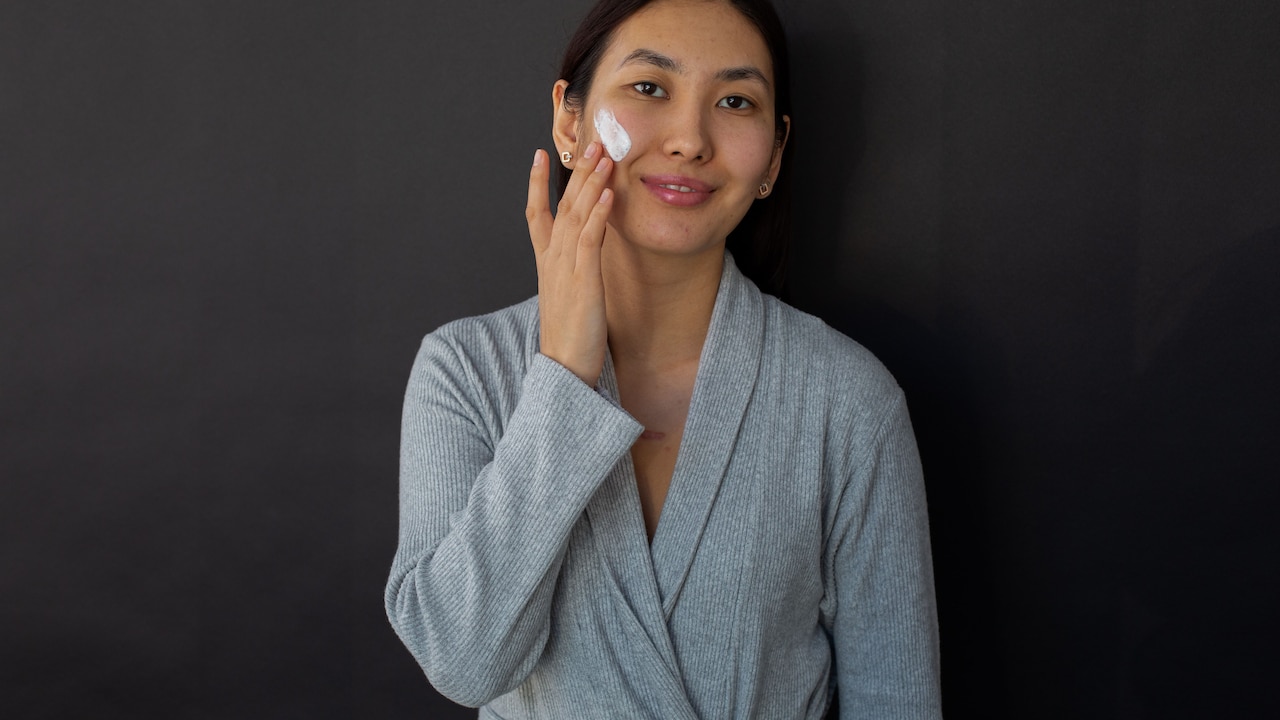
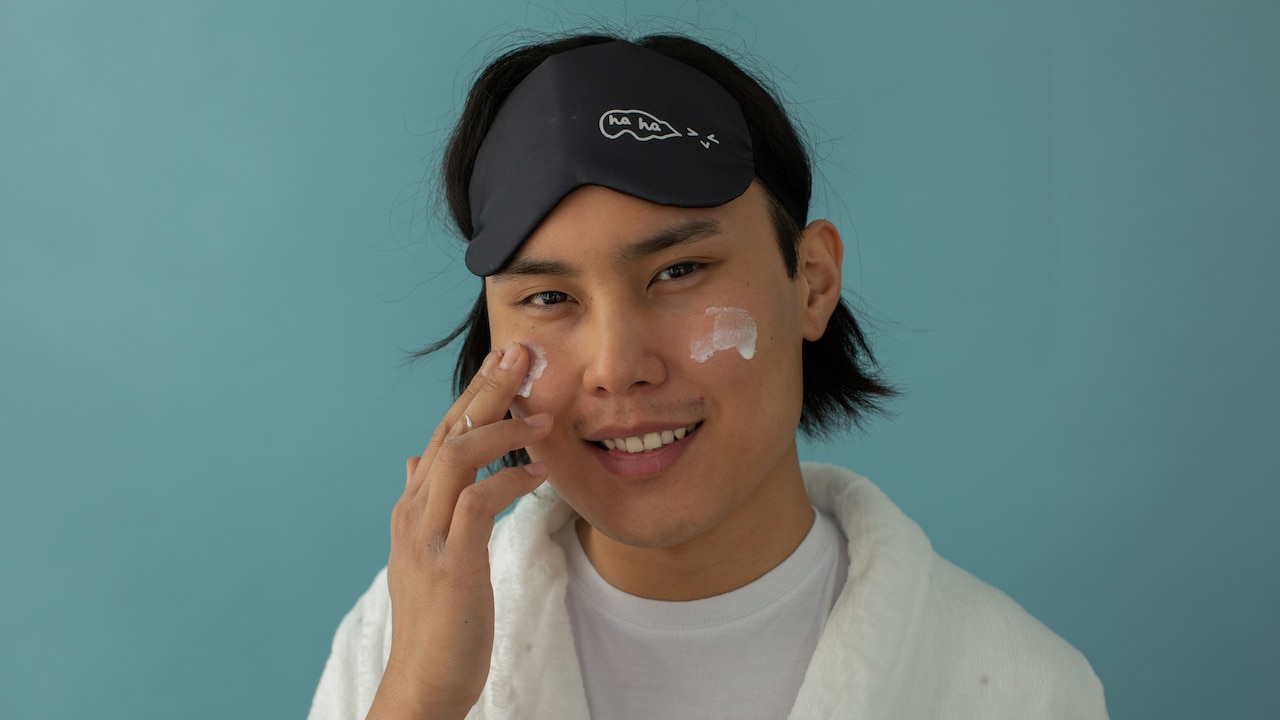
Why Retinol Makes The Sides Of Your Nose Sore: 10 Mistakes To Avoid; Photo Credit: Pexels
Common Retinol Mistakes That Can Irritate The Nose Creases
1. Applying Retinol Right Up To The Nose Creases
Retinol does not need to cover every millimetre of the face to work effectively. Yet one of the easiest mistakes involves carefully spreading it into every contour, including the tiny folds beside the nostrils.
Those creases can trap skincare products. Instead of remaining in a thin, even layer, retinol may collect there and create a more intense dose than intended. The constant movement of the nose and mouth can make matters worse by adding friction to already irritated skin.
A safer approach involves leaving a small buffer around the nostril openings and deep nose creases. There is no prize for precision application here.
This becomes particularly important for beginners or anyone using a stronger formulation. If the area regularly becomes red or flaky while the cheeks and forehead remain comfortable, product migration may be the culprit.
Think of the corners of the nose as the neighbour who likes a little personal space. Retinol can still do its job nearby without knocking directly on the door every evening.
Also Read: How To Use Retinol Correctly For First-Time Users Without Irritating Your Skin
2. Using More Retinol Than The Skin Actually Needs
Skincare enthusiasm can make a generous squeeze seem productive. With retinol, however, more product rarely means faster results.
A pea-sized amount is commonly enough for the entire face with many retinol formulations, although individual product directions should always take priority. Applying a thick layer increases exposure without necessarily delivering better benefits. Sensitive areas such as the nose creases often reveal that mistake first.
Excess product can also travel. A large blob placed on the cheeks may spread towards the nostrils while moisturiser gets layered on top or while the face moves during the evening. By bedtime, the carefully avoided nose crease may have received its share anyway.
Using less also makes a skincare routine easier on the wallet. A retinol product that costs ₹1,000 or more should not disappear in two weeks because every application resembles icing a cake.
Measure the amount before dotting it around the face, then spread it gently into a thin layer. Retinol rewards consistency far more reliably than extravagance.
3. Starting With Retinol Every Single Night
The excitement of buying a new retinol can make nightly application tempting. If a little helps, seven nights a week must work brilliantly, right? Skin does not always appreciate that logic.
Retinol can temporarily increase dryness, peeling and irritation, particularly when someone begins using it. Jumping straight into daily application may overwhelm the skin barrier before it has time to adapt. The sides of the nose, mouth and eye area frequently show irritation first because these regions tend to be more delicate.
Beginners often do better by introducing retinol gradually. Depending on the formula and individual tolerance, that might mean using it a couple of evenings each week before slowly increasing the frequency.
The skin should guide the timetable rather than an ambitious calendar. If nose corners start stinging when water touches them or foundation suddenly clings to little flakes, pushing through with nightly retinol may make matters worse.
Progress with retinol resembles learning to enjoy spicy food. Starting gently often gets better results than proving bravery on day one.

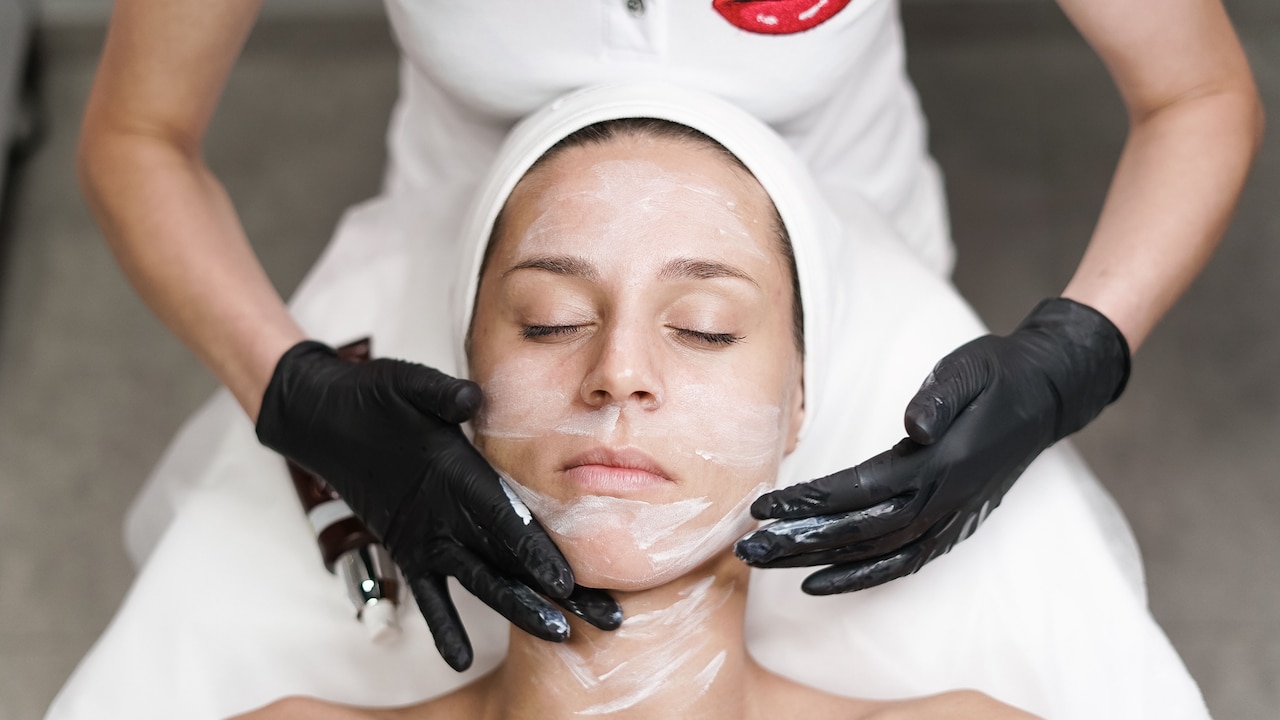
Why Retinol Makes The Sides Of Your Nose Sore: 10 Mistakes To Avoid; Photo Credit: Pexels
4. Putting Retinol On Damp Skin
Freshly cleansed skin can feel like the perfect canvas for skincare, but rushing straight in with retinol may intensify irritation.
Damp skin can increase the penetration of certain skincare ingredients. While that sounds attractive, greater penetration is not always desirable with an ingredient already known for causing dryness and sensitivity. Someone who tolerates retinol perfectly well on dry skin may suddenly notice burning or peeling when applying it immediately after washing the face.
Water also tends to linger around nose creases. Retinol applied over those damp folds may spread more easily and reach areas that already struggle with sensitivity.
After cleansing, gently pat the face dry and give residual moisture around the nostrils a chance to disappear before applying retinol. There is no need to turn the evening routine into an elaborate waiting ceremony, but visibly wet skin should not be the goal.
People with particularly sensitive skin may also benefit from discussing gentler application techniques with a dermatologist. Retinol works best when the routine remains sustainable, not when every evening ends with a burning sensation.
5. Skipping Moisturiser Around The Nose
Retinol and moisturiser make a far better team than retinol working alone.
When skin becomes dry from retinol, the corners of the nose can develop rough patches surprisingly quickly. Regular cleansing, facial expressions, tissues and environmental exposure add further stress. Without enough moisturising support, minor dryness can progress into visible peeling and tenderness.
A simple moisturiser can help support the skin barrier and reduce the uncomfortable tightness associated with retinol use. Some people prefer applying moisturiser after retinol, while sensitive skin may tolerate the so-called sandwich method better, where moisturiser goes on before and after the retinoid.
The exact approach depends on the product and the skin.
A small amount of plain moisturiser applied around vulnerable nose creases before retinol can also create a useful buffer, especially when that area becomes irritated repeatedly.
Fancy packaging matters far less than comfort here. The nose does not care whether the moisturiser arrived in a minimalist ₹2,000 jar or a modest pharmacy tube. It simply appreciates ingredients that help the barrier stay calm and hydrated.
6. Mixing Retinol With Too Many Strong Actives
A crowded skincare routine can look impressive on a shelf and feel disastrous on the face.
Retinol already carries some potential for dryness and irritation. Combining it carelessly with exfoliating acids, strong acne treatments, scrubs or other irritating actives during the same routine may increase the chance of redness and peeling. The nose creases often become collateral damage.
The problem becomes easy to miss because each product may seem harmless when used independently. An exfoliating cleanser, acid toner, retinol serum and aggressive spot treatment can collectively create far more irritation than expected.
Rather than turning every evening into a chemistry experiment, keep retinol nights relatively simple. A gentle cleanser, appropriate retinol product and moisturiser can be plenty. Other active ingredients may need separate nights or different routines depending on skin needs.
Anyone using prescription acne treatments or managing a skin condition should get personalised advice before combining products.
Skincare does not award extra marks for ingredient count. Sometimes a three-step routine leaves the face far happier than a bathroom counter that looks ready to open its own beauty store.
7. Rubbing Flaky Skin With Scrubs Or Towels
The appearance of flakes around the nose often triggers an understandable response: remove them immediately.
Unfortunately, aggressive rubbing can turn ordinary dryness into soreness. Facial scrubs, cleansing brushes, rough towels and enthusiastic fingernails may strip away loose skin while also irritating the healthier skin underneath. When retinol has already made the area more sensitive, that extra friction can leave the nose corners raw.
Make-up can encourage the same behaviour. Nobody enjoys watching concealer gather around visible flakes five minutes before leaving home. Still, scrubbing the area that morning usually creates a redder problem rather than solving the dry one.
Treat flaky skin gently. Use a mild cleanser, moisturise regularly and allow the barrier to recover. Temporarily reducing or stopping retinol on an irritated area may also help, depending on the severity.
Resist picking at peeling skin even when a stubborn flake appears to be requesting removal.
The goal is not to polish the nose like a steel vessel before guests arrive. Calm skin tends to look smoother once it has had enough time to repair itself.
Why Retinol Makes The Sides Of Your Nose Sore: 10 Mistakes To Avoid; Photo Credit: Pexels
8. Ignoring Irritation And Continuing Anyway
Retinol sometimes causes an adjustment period, but that does not mean every uncomfortable reaction deserves to be endured.
Mild dryness can occur, particularly after starting treatment or increasing strength. Persistent burning, pronounced redness, swelling, cracking or significant soreness tells a different story. Continuing to apply retinol directly over visibly irritated nose corners can prolong the problem.
The popular idea of “pushing through” skincare irritation often causes unnecessary misery. Skin does not become stronger simply because discomfort gets ignored.
When the nose creases become sore, giving the area time away from potentially irritating products can be sensible. Focus on gentle cleansing and moisturising while the skin settles. Once comfortable again, retinol may need to return more gradually, perhaps at a lower frequency or with a protective moisturiser buffer.
Severe, persistent or unusual irritation deserves professional assessment, especially when there is crusting, swelling, bleeding or a rash that refuses to improve.
Skincare should occasionally challenge patience, perhaps, but it should not turn smiling, eating or wiping the nose into an endurance sport.
9. Forgetting That Retinol Can Migrate Overnight
Carefully avoiding the sides of the nose during application does not guarantee that retinol stays exactly where it was placed.
Skincare products can move as layers blend, the face touches a pillow or natural skin oils spread during the night. Apply retinol too close to a sensitive crease and a small amount may eventually reach it anyway.
Heavy layers make migration even easier. Following retinol with several serums, oils and moisturisers can shift products across the face. Side sleepers may notice irritation developing unevenly depending on how the face meets the pillow.
Leaving a slightly wider gap around areas that repeatedly become sore can help. Applying a little bland moisturiser or another dermatologist-recommended protective product to the nose creases before retinol may provide an additional barrier.
This does not mean sleeping upright like royalty in an old portrait. Sensible product placement usually matters more.
If one tiny area becomes irritated again and again despite careful application, consider everything applied afterwards as well. The product causing trouble may have started several centimetres away before quietly travelling into the crease.
10. Neglecting The Rest Of The Skin Barrier Routine
Retinol does not operate in isolation. What happens during the rest of the day can determine whether the nose stays comfortable.
Harsh cleansers, frequent face washing, hot water, insufficient moisturising and excessive exfoliation can weaken an already stressed skin barrier. Add retinol at night and the sensitive creases beside the nose may finally object.
Sun protection also matters. Retinoid routines typically call for consistent daytime sun protection, not only because skincare should support long-term skin health but also because irritated skin needs sensible protection from additional environmental stress. Choose a broad-spectrum sunscreen that suits the skin and use it as directed.
Daily habits count too. Repeatedly wiping the nose during a cold or allergy flare can create friction, while sweat and heat may sting compromised skin.
A good retinol routine, therefore, involves more than one star ingredient. Gentle cleansing, adequate moisturising, sun protection and restraint with exfoliation create the supporting cast.
Retinol may receive the applause, but the skin barrier does much of the behind-the-scenes work.
Products Related To This Article
1. SkinInspired Retinol Night Cream For Wrinkles & Anti-Aging
2. Neutrogena Visible Repair Retinol Serum
3. Minimalist Anti-Aging Night Serum with 0.3% Retinol & Q10
4. Neutrogena Visible Repair Retinol Day & Night Cream
5. La Roche-Posay Mela B3 Anti-Dark Spot Serum with Melasyl & Niacinamide
6. Minimalist 2% Retinoid Anti Ageing Night Cream for Wrinkles
7. Chemist At Play 0.1% Encapsulated Retinol Night Cream for Face
Flaky, sore corners around the nose may seem like a tiny skincare problem, but anyone who has experienced them knows how irritating they can become. One minute the face feels fine; the next, smiling stretches a tender patch and concealer makes every flake look twice its actual size.
Retinol itself does not necessarily need to disappear from the routine. Often, the problem comes from how much gets used, where it gets applied, how frequently it appears or what accompanies it.
Keeping retinol away from delicate nose creases, introducing it gradually, moisturising consistently and avoiding an overcrowded routine can make a considerable difference. Most importantly, discomfort should not become a badge of commitment. Stronger irritation calls for a gentler approach rather than another layer.
If soreness becomes severe, keeps returning, involves cracking or swelling, or fails to improve after simplifying the routine, a dermatologist can help identify whether retinol is truly responsible or another skin condition is involved.
Retinol can be demanding, but it should not turn the humble corners of the nose into the most dramatic part of the skincare routine.
(Disclaimer: This article may include references to or features of products and services made available through affiliate marketing campaigns. NDTV Convergence Limited (“NDTV”) strives to maintain editorial independence while participating in such campaigns. NDTV does not assume responsibility for the performance or claims of any featured products or services.)