Serum vs Face Oil: Which Suits Oily Monsoon Skin?
Serum or face oil for oily monsoon skin? Learn how humidity affects oily skin, which formula works better, and how to choose the right skincare for you.
Serum vs Face Oil: Which Suits Oily Monsoon Skin?
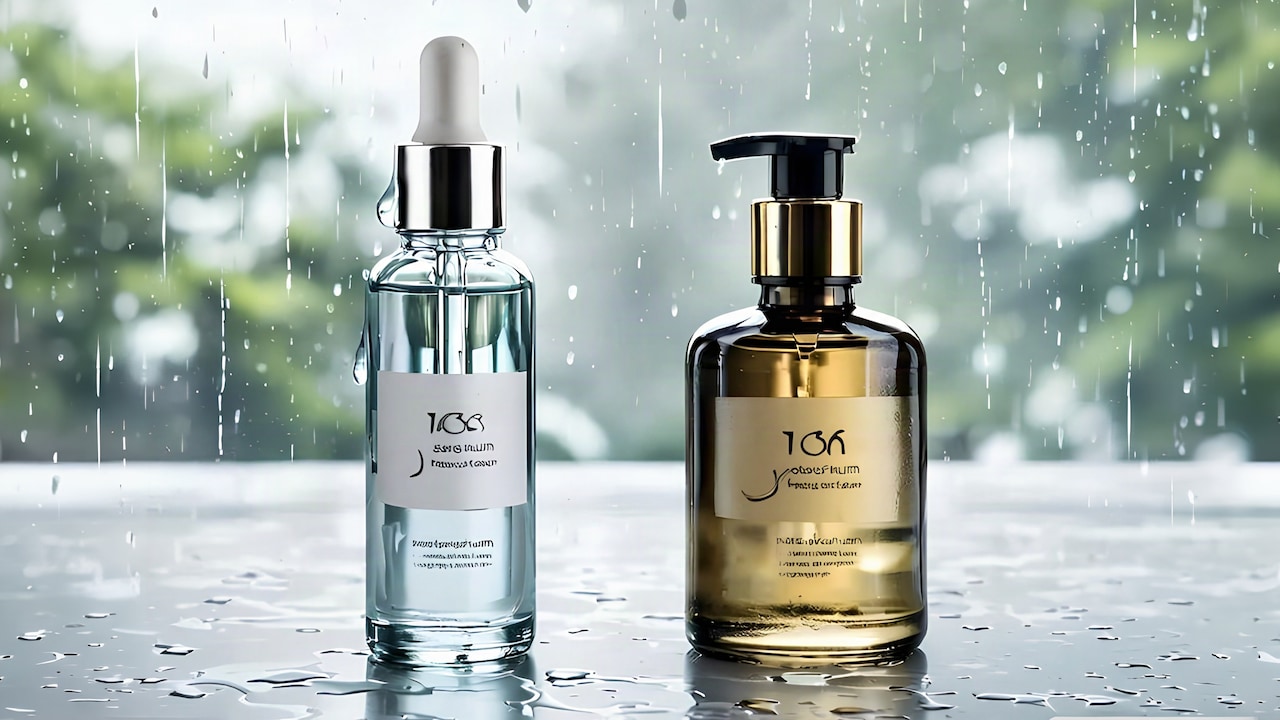
Monsoon skincare can be tricky to get right. One day your face looks fresh after cleansing, and the next, humidity has left your T-zone shiny, sticky, and ready for another wash. Add serums and face oils to the skin routine, and choosing what your skin actually needs can get confusing. Both products can have a place in skincare, but they work differently. So, when your skin is already producing plenty of oil and the weather is humid, should you reach for a lightweight serum or a face oil? The answer depends on your skin concerns, formula, and how your skin reacts.
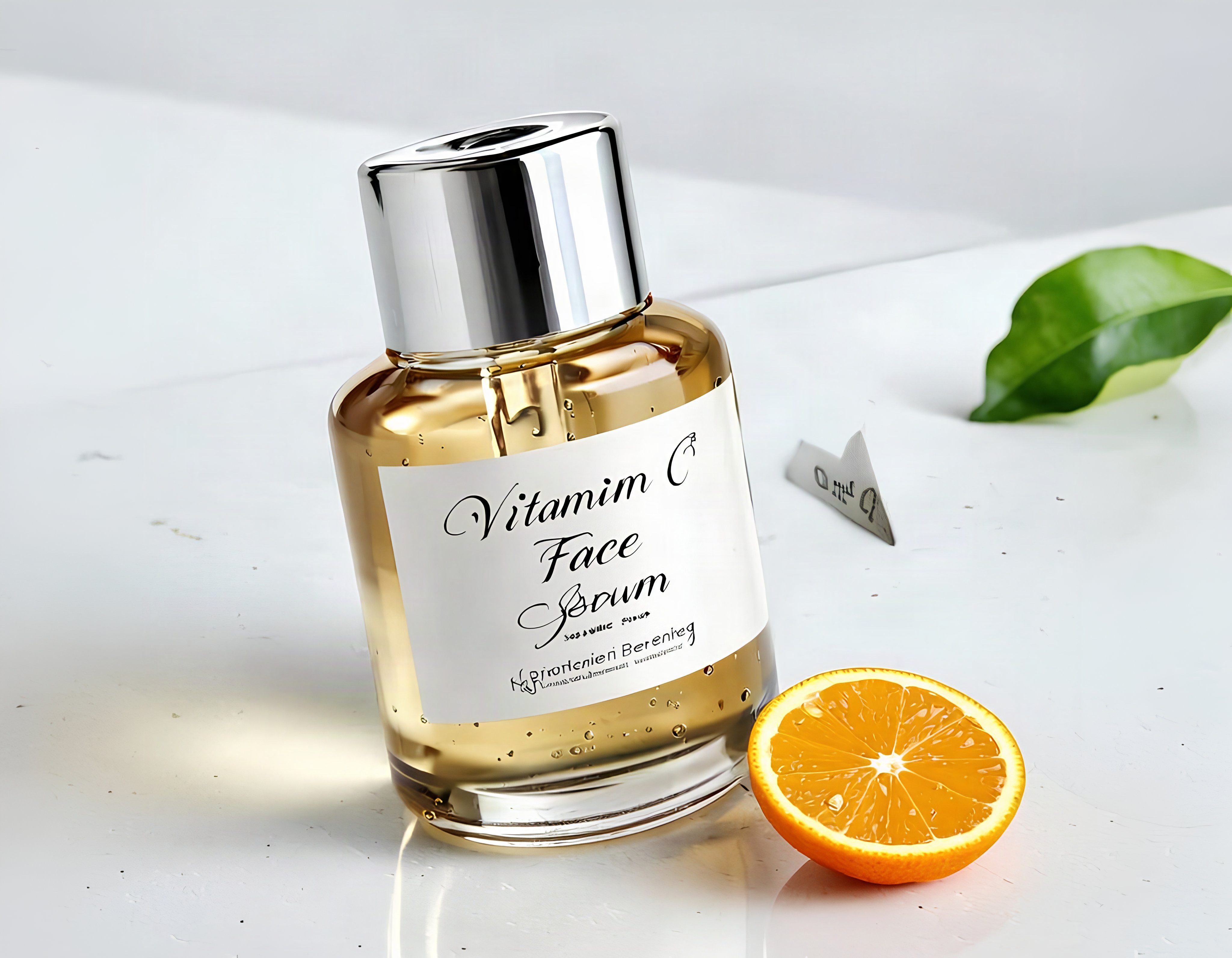
Why Does Oily Skin Need Extra Care During the Monsoon; Photo Credit: iStock
Why Does Oily Skin Need Extra Care During the Monsoon?
Humidity and sweat can make oily skin feel kind of more greasy, especially in the monsoon season. Washing your face repeatedly or using harsh products to eliminate shine can irritate the skin and may even cause it to produce more oil.
Then the “serum vs oil” confusion starts to matter. Rather than chasing away every single bit of oil, it's often smarter to keep the skin properly hydrated and pick textures that don't feel heavy or like they're sealing up your pores.
Serum vs Face Oil: What Is The Difference?
A serum is usually made to send targeted skincare ingredients into the skin with a light-feel formula. Depending on the item, it may include things like niacinamide, hyaluronic acid, salicylic acid, or antioxidants to deal with issues such as excess oil, spotty blemishes, dryness, or an uneven complexion.
Face oils act a different way, though. They're mainly lipid-based, so they can soften the skin and also help cut down water loss by making a sort of protective layer on top. Still, not every face oil works well for oily skin or for skin that breaks out easily.
For monsoon skin that often turns glossy or feels congested, this detail matters. A lightweight serum can feel simpler to stack during the day, while a facial oil can be useful when your skin feels parched or tight.
Also Read: Which Serum Is Best To Get Clear Skin? Top 5 Recommendations Under ₹500
Is Serum Better For Oily Monsoon Skin?
For many people with oily skin, a lightweight serum is the easier option, particularly when the main concerns are excess sebum, breakouts, enlarged-looking pores or uneven texture.
Try to find formulas that feel lighter and are marked as oil-free or non-comedogenic when you can, even if it seems small. Ingredients like niacinamide are often helpful for routines aimed at oily skin, while salicylic acid is usually used to cope with clogged pores.
Can You Use Face Oil On Oily Skin?
Having oily skin does not automatically mean you can never use a face oil. The bigger question is whether your chosen oil suits your skin and whether you actually need one.
Some face oils can be moisturising and help reduce water loss, but some oils may be comedogenic. If your skin becomes flaky, tight or uncomfortable during monsoon weather, a carefully selected facial oil may have a role.
How To Choose Between A Serum And Face Oil?
Think about what your skin is asking for rather than choosing a product simply because it is trending. If your face feels oily, congested and prone to breakouts, a lightweight serum is generally the more practical starting point. If your skin feels dehydrated or rough despite being oily, you may need more barrier-supportive hydration rather than stronger oil-control products.
The key is also to avoid overloading your routine. Dermatologists recommend keeping oily-skin routines gentle and choosing non-comedogenic products where possible.
1. If Your Main Concern Is Excess Oil
Pick a light serum that works well for oily or mixed skin. Something with niacinamide tends to be a good idea, since it can help keep the look of extra sebum under control, plus it supports the appearance of pores.
2. If Your Skin Feels Dehydrated
Don't assume that oily skin cannot be dehydrated. If your face feels tight after cleansing but becomes shiny later, focus on gentle hydration rather than stripping away more oil. A lightweight hydrating serum may be a better first choice than immediately adding a facial oil.
3. If You Frequently Get Clogged Pores
A non-comedogenic serum is generally the safer starting point. Avoid introducing several exfoliating or acne-focused products together, as irritation can make the skin feel worse and compromise your routine.
4. If Your Skin Looks Dull
A serum with an appropriate brightening or antioxidant ingredient can target dullness without necessarily adding another layer of facial oil. Choose one active ingredient at a time and allow your skin time to adjust.
5. If Your Skin Feels Dry Despite Being Oily
This scenario is where a face oil may have a limited role. If you want to try one, choose a product that is suitable for your skin type, use a tiny amount and monitor whether it causes congestion or breakouts.
6. If You Want A Simple Daytime Routine
A lightweight serum is usually easier to use under moisturiser and sunscreen. During humid weather, keeping the number of layers low can also make the routine more comfortable.
7. If You Want Extra Nourishment At Night
A face oil can be considered as an occasional final step if your skin tolerates it. Cleveland Clinic notes that when face oils are used, they are generally applied later in the skincare routine because of their more occlusive nature.
8. If Your Skin Is Acne-Prone
Try to choose non-comedogenic and oil-free options whenever you can, even if it's a bit of a hassle. And if you're seeing acne, persistent irritation, or the breakouts keep coming back, it might be wiser to talk to a dermatologist about the whole routine.
So, Which One Should You Pick?
For most oily monsoon skin, a lightweight serum is the more practical choice, especially if the goal is to manage excess oil, clogged pores, blemishes or dehydration without adding a heavy layer.
Whatever you choose, don't skip moisturiser just because your skin is oily. The right lightweight, non-comedogenic moisturiser can help maintain hydration without making your skin feel greasy.
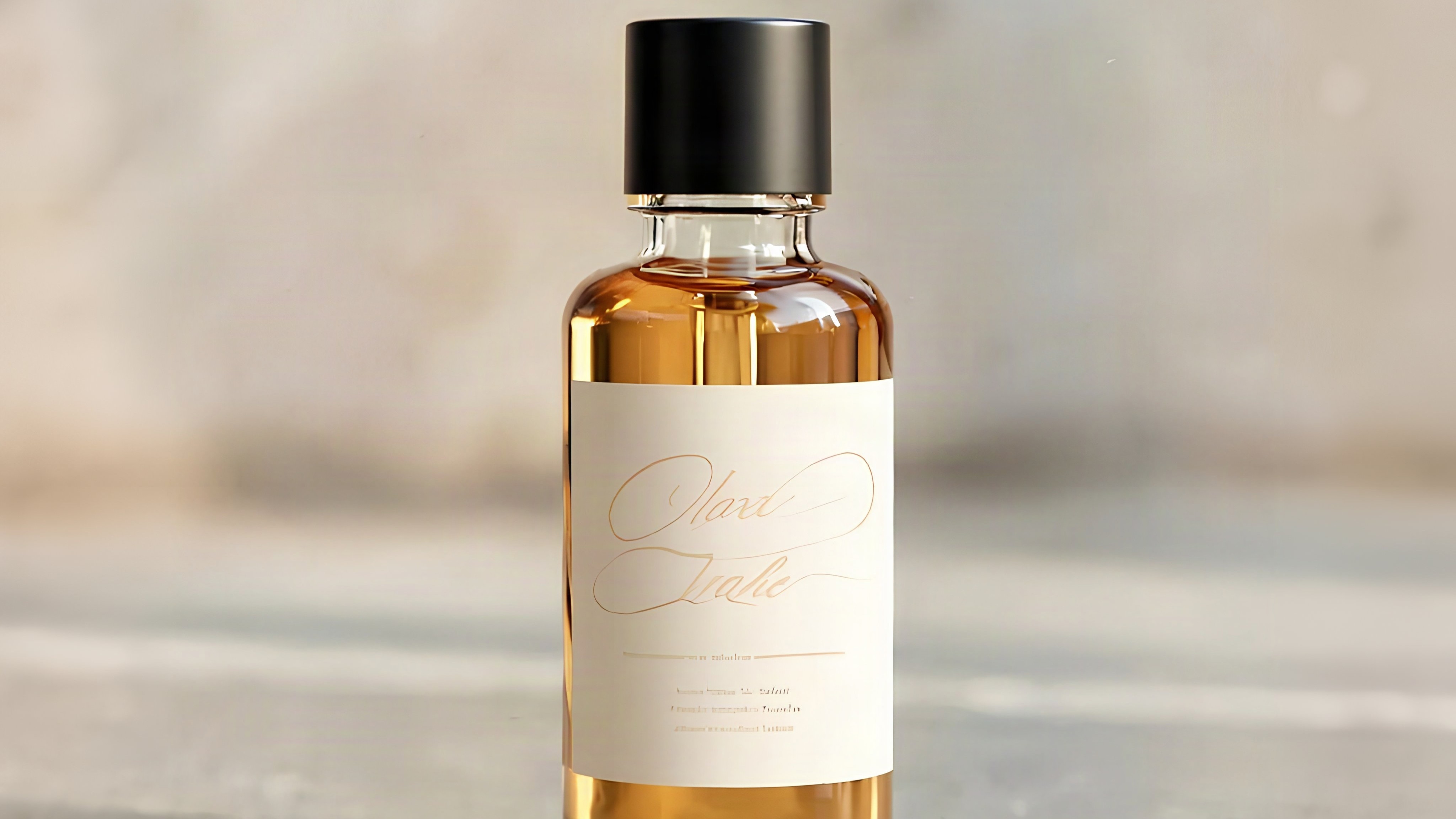
Serum vs Face Oil; Photo Credit: iStock
Top Serum And Face Oil Options To Consider
1. Garnier Vitamin C + Face Serum
2. Minimalist Dark Spots Removal Serum
3. Plum 10% Niacinamide Serum
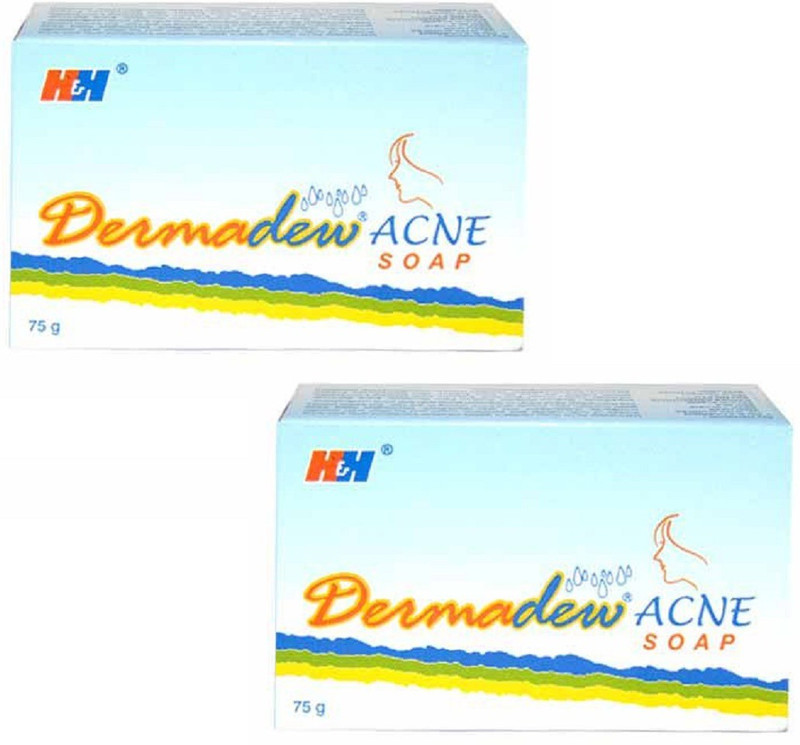
4. /PHD/ 10% Niacinamide Spot Correcting Serum
5. Nat Habit Saffron Tuberose Mukhalaya Face Oil
6. KERALA Ayurveda Nalpamaradi Keram Face Oil
7. Palmer's Skin Therapy Face Oil
8. Bio-Oil Specialist Skin Care Oil
Choosing the right serum or face oil is about more than skincare — it's about investing in long‑term health and radiance. With options ranging from brightening Vitamin C serums to nourishing Ayurvedic oils, today's formulations cater to every skin type and concern. Whether you're targeting pigmentation, dryness, or dullness, these products combine science and tradition to deliver visible results. The key lies in consistency and selecting formulas that align with your skin's needs. Ultimately, serums and face oils are not just beauty add‑ons; they are essentials for achieving balanced, glowing, and resilient skin every day. Shop now on Amazon.
Frequently Asked Questions (FAQs)
1. Is serum better than face oil for oily skin?
A light serum is usually the better pick for oily skin, especially if you are trying to dial down extra oil, stuck pores, or those little breakouts. You can use face oil too, but it's better for when your skin is dry or needs extra nourishment.
2. Can oily skin use face oil during monsoon?
Yes, but choose carefully. Choose a suitable product that is non-comedogenic, apply a small amount, and monitor for increased congestion or breakouts.
3. Does face oil make oily skin more oily?
It can make the skin feel more weighed down or a bit shinier, depending on the formula and how much you actually put on.
4. Which serum is best for oily skin in summer or monsoon?
There isn't one single best serum for everybody. Some users find that lightweight formulas, with ingredients such as niacinamide, work nicely if they're dealing with too much oil. And salicylic acid can be handy for blocked pores.
5. Can I use serum and face oil together?
You can, but you may not need both. If you use them together, apply the lighter serum first and the face oil later, and stop or reduce the oil if your skin becomes congested or irritated.
(Disclaimer: This article may include references to or features of products and services made available through affiliate marketing campaigns. NDTV Convergence Limited (“NDTV”) strives to maintain editorial independence while participating in such campaigns. NDTV does not assume responsibility for the performance or claims of any featured products or services.)