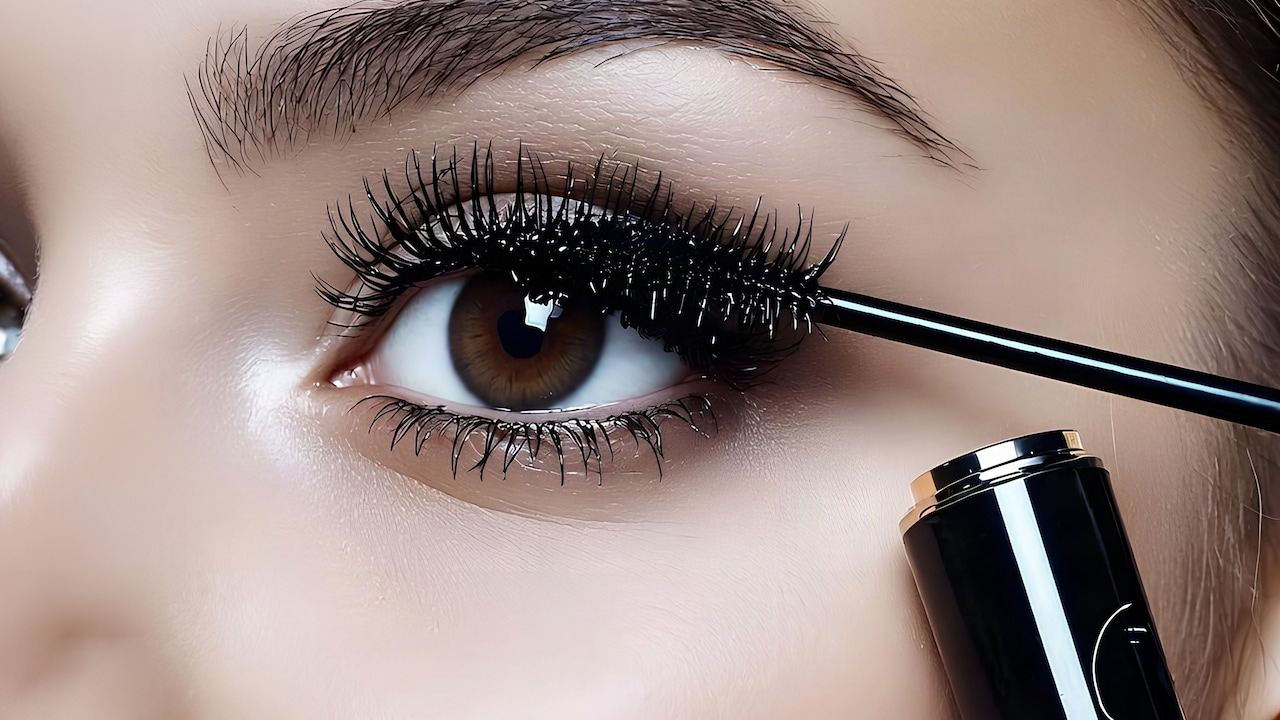
How To Use Retinol Correctly For First-Time Users Without Irritating Your Skin
Starting retinol for the first time? Learn how to use retinol correctly, avoid common mistakes, and build a beginner-friendly skincare routine safely.

How To Use Retinol Correctly For First-Time Users
Retinol has quietly taken over the skincare world, and honestly, it deserves the hype. Whether you are trying to fade stubborn acne scars, smooth out an uneven texture, deal with a dull complexion, or just get ahead of early fine lines, you have probably had this powerhouse ingredient recommended to you a thousand times. Yet, despite how much everyone raves about it, diving into the world of retinoids can feel incredibly daunting if you are a beginner.

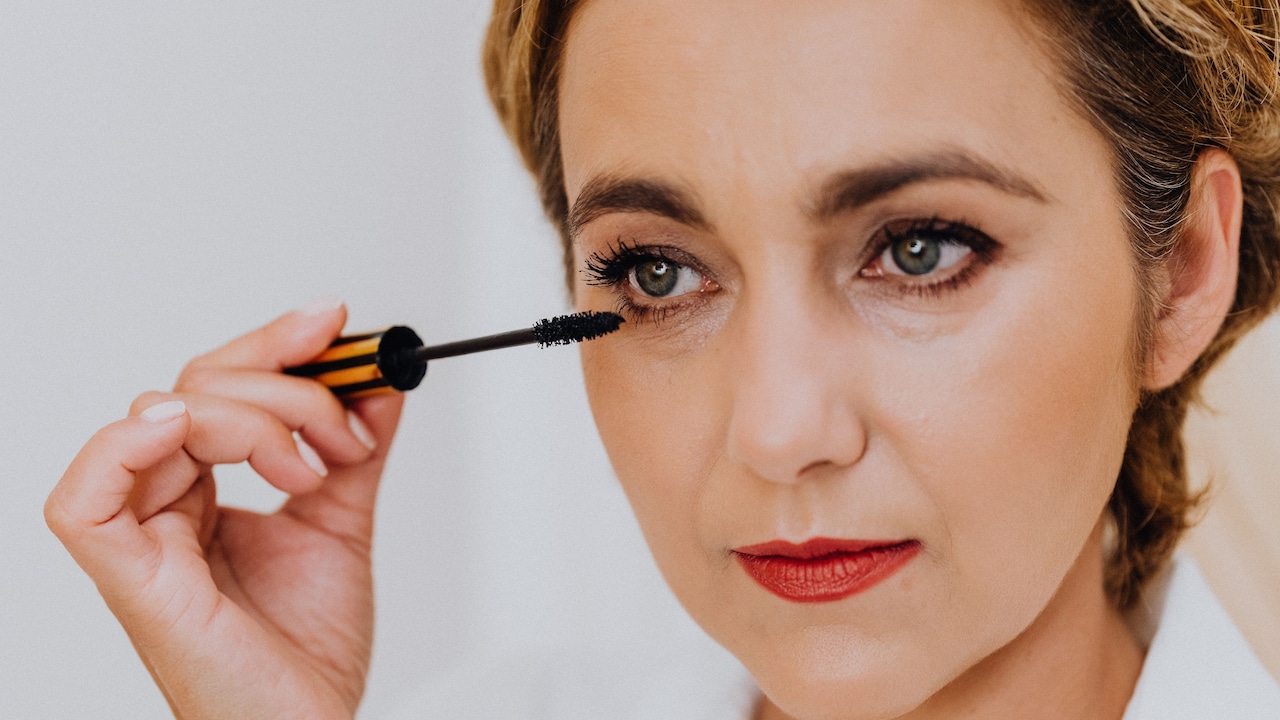
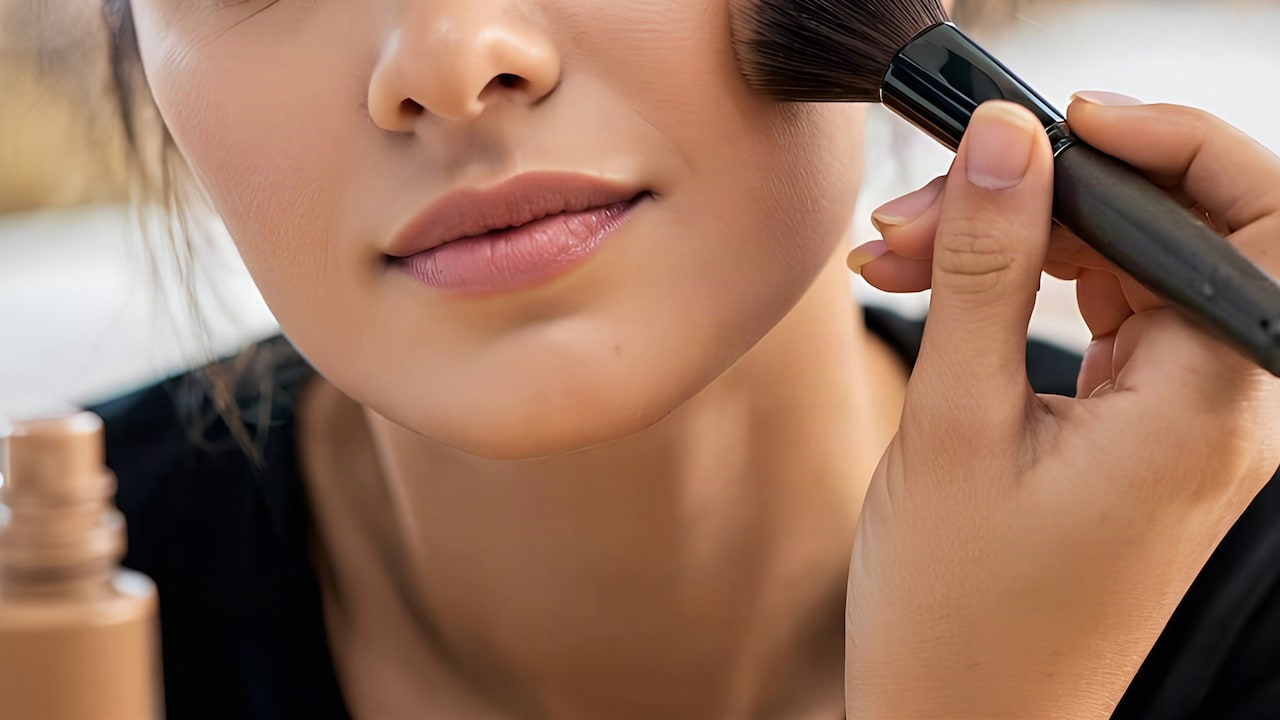
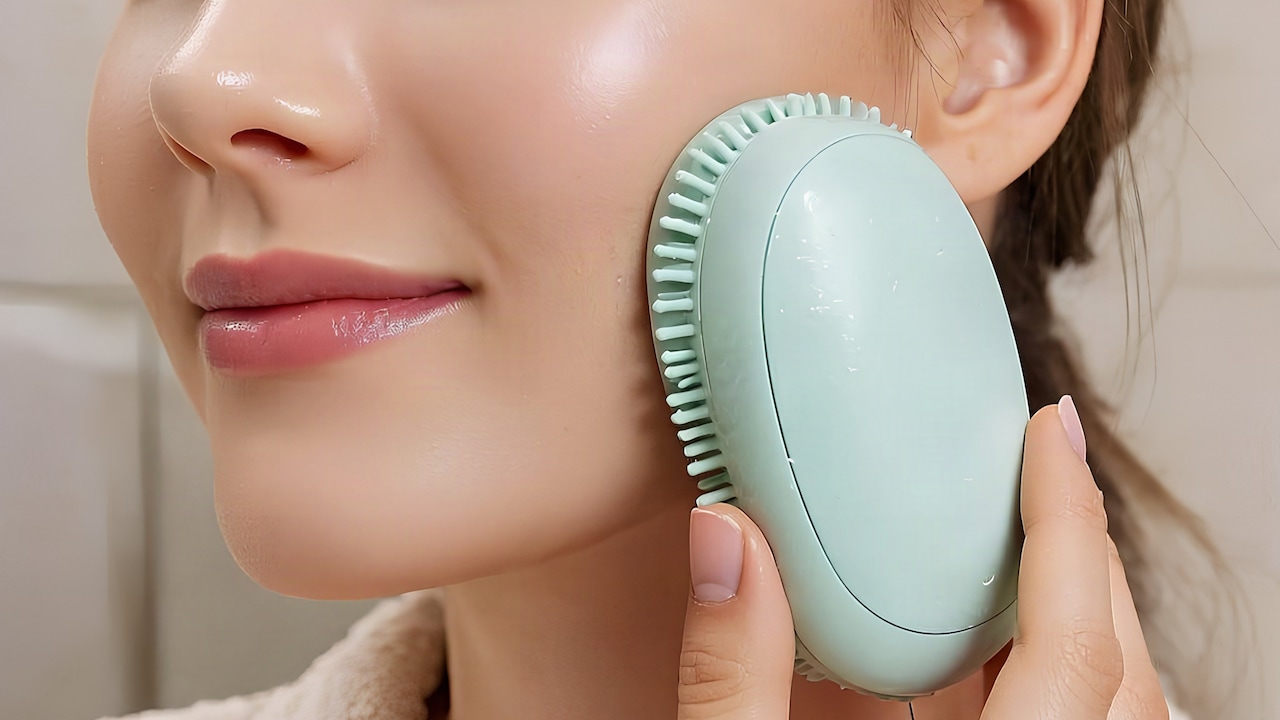
Learn how to use retinol correctly to avoid irritation and build a flawless skincare routine; Photo Credit: iStock
We have all heard the horror stories. Retinol has built up a bit of a scary reputation for triggering intense dryness, peeling sheets of skin, and random bouts of irritation. But here is the real secret: almost all of these side effects happen because of user error, not the ingredient itself. If you introduce it to your face with a bit of strategy and a lot of patience, it genuinely becomes one of the most rewarding steps in your entire beauty regimen. So, how exactly do you dip your toes into the water without destroying your skin barrier? Let's break down everything you need to loop into your routine safely.
Also Read: 5 Best Beginner-Friendly Retinol Products for Smooth, Healthy Skin
Why Retinol Has Become A Popular Skincare Ingredient
Few beauty ingredients maintain the same level of attention as retinol. As a derivative of vitamin A, this molecule works by speeding up your skin's natural cellular turnover and giving your body's collagen production a much-needed nudge. This dual action is precisely why it is the gold standard for tackling rough texture, lingering post-breakout marks, dark spots, and those initial fine lines.
What makes it a true holy grail, though, is its sheer multitasking ability. Instead of forcing you to buy five different bottles for five different issues, a single serum works on multiple visible concerns simultaneously. However, achieving success with retinol isn't simply a matter of purchasing the highest concentration available. The key is to take a long-term approach, maintain consistency, and pay attention to your skin's specific needs.
How To Use Retinol Correctly For First-Time Users
Step 1: Start With A Low-Strength Retinol Formula
Please resist the urge to grab the strongest bottle in the aisle, assuming it will work faster. When you first begin, your skin requires an adjustment period, making low-concentration formulas your best option. Starting small keeps flaking and redness to a minimum while letting your skin build up its tolerance naturally over a few weeks.
Step 2: Apply Retinol Only At Night
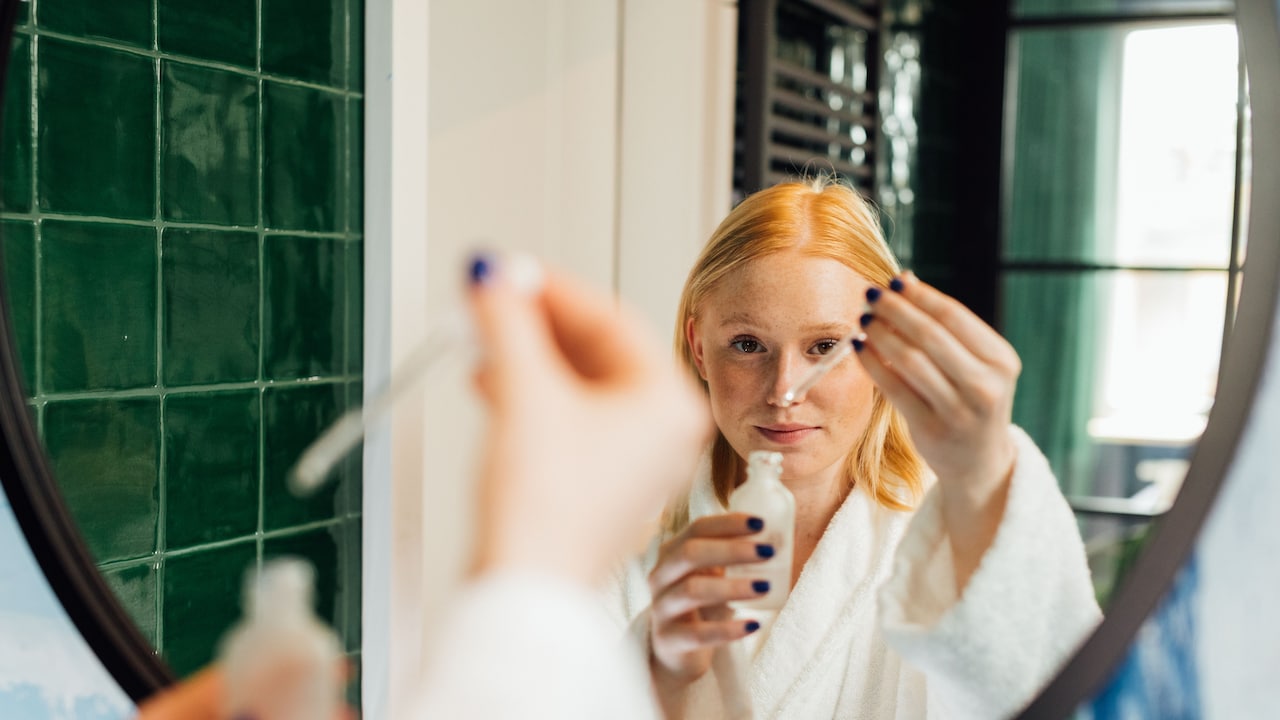
Retinol is strictly a nighttime player. After washing your face, ensure that your skin is completely, 100% dry before touching your serum—applying it on damp skin can lead to too-deep absorption and cause irritation. Squeeze out a tiny, pea-sized amount, dot it around, and blend it in. Incorporating it into your evening routine allows the active ingredient to work effectively without being compromised by daylight.
Step 3: Use The Sandwich Method To Reduce Irritation
If you have naturally sensitive skin or you are just terrified of flaking, the "sandwich method" will save your life. First, lay down a thin layer of your favourite basic moisturiser. Allow it to dry, then apply a pea-sized amount of retinol directly on top, and finish with a second layer of moisturiser to seal everything in. This creates a brilliant safety buffer that protects your skin barrier without cancelling the serum's benefits.
Step 4: Increase Usage Gradually Instead Of Every Night
When it comes to retinoids, more is definitely not better. Start by using your new serum just two nights a week, leaving a few days in between to see how your skin reacts. If your face feels calm and happy after a couple of weeks, you can slowly bump it up to every other night. Rushing into daily application is the fastest way to trigger a breakout of raw, angry skin.
Step 5: Never Skip Moisturiser And Sunscreen
Retinol and deep hydration are a package deal. You need a solid, nourishing moisturiser to keep your skin barrier intact while the serum does its job. More importantly, because retinol makes your skin significantly more vulnerable to UV damage, wearing a broad-spectrum sunscreen every single morning is non-negotiable. Skipping SPF can actually reverse all the hard work your serum is doing.
Common Retinol Mistakes First-Time Users Often Make
Before diving into retinol, it helps to know what not to do. Many first-time users experience irritation not because retinol is unsuitable for them, but because a few common mistakes make the adjustment process much harder than it needs to be.
1. Jumping Into High Percentages Immediately: Many beginners assume that a higher percentage translates to quicker magic. In reality, launching into a medical-grade or high-strength formula right away usually results in a raw, peeling, and red face. Taking a gradual approach consistently yields the best results.
2. Going All-In Every Single Night: It is tempting to get impatient and start slathering it on every evening from week one. Sadly, this sudden overload completely overwhelms your skin's protective barrier, leading to painful irritation.
3. Mixing Too Many Actives At Once: Using retinol on the same night as strong exfoliating acids (like AHAs or BHAs), vitamin C, or physical scrubs can lead to disastrous results. When starting, keep your routine simple and minimal.

Essential tips for retinol beginners to prevent common mistakes and achieve smooth, healthy-looking skin; Photo Credit: iStock
Some Retinol Products You May Like
Here are some excellent entry-level formulas to consider:
1. Minimalist 0.3% Retinol Anti-Ageing Night Serum
2. The Derma Co. Dr V Skin Renew Peptide Retinol Serum Cream
3. The Formularx Gentle Retinol Serum for Acne, Dark Spots, Enlarged Pores & Anti-Aging
4. Lakmé Retinol Advanced Renewal Serum 0.1% Retinol + 5% Peptide Complex
5. Bioreva 1% Retinol Serum for Anti-Ageing Skin
6. THE ORDINARY Retinol 0.5% in Squalane
7. DOT & KEY Pomegranate Youth 0.2% Retinol Complex Face Serum
8. Deconstruct Retino Face Serum with Peptid - 0.2% Retinol and 1% Peptide
Retinol products for every skin type and budget are now easily available on Amazon. From beginner-friendly 0.1% formulas to dermatologist-grade serums, you can start your anti-aging journey with just a click. Shop trusted brands, read real reviews, and let Amazon deliver glowing skin to your doorstep. Shop now on Amazon.
Frequently Asked Questions (FAQs)
1. Can beginners use retinol every day?
Absolutely not. It is way too much for uninitiated skin. Start by using it just twice a week, and only think about increasing the frequency once your skin feels completely comfortable with it.
2. At what age should I start using retinol?
Most dermatologists suggest introducing it in your mid-to-late twenties when natural collagen production starts slowing down. However, younger individuals often use it earlier to help manage acne and breakouts.
3. Can I use retinol with vitamin C?
Yes, but don't mix them at the same time. For beginners, it is simple to use your vitamin C serum in the morning for antioxidant protection and then leave retinol for the evening.
4. Why is my skin peeling after using retinol?
A bit of light peeling can be normal; it often just means your skin cells are turning over faster as your face adjusts. But if your skin is shedding in painful, thin sheets, then you might be using too much, applying it too frequently, or your formula is simply too strong.
5. How long does retinol take to work?
You should plan on staying consistent for at least 4 to 12 weeks before you notice visible improvements in skin texture. Things like softened fine lines or other structural changes can take several months, so patience is part of it.
(Disclaimer: This article may include references to or features of products and services made available through affiliate marketing campaigns. NDTV Convergence Limited (“NDTV”) strives to maintain editorial independence while participating in such campaigns. NDTV does not assume responsibility for the performance or claims of any featured products or services.)