Frizz Control in Humid Weather: What Actually Works In Indian Weather?
Humidity turns smooth hair into frizz within minutes. From oils to serums, what actually works? This guide breaks down simple, effective ways to keep hair manageable even in the stickiest weather.

Most effective ways to control frizzy hair in Indian weather conditions
Humidity has a personality of its own. It sneaks in quietly during early mornings, lingers through crowded train rides, and peaks just when a good hair day feels within reach. The result often appears as frizz that refuses to behave, no matter how much effort goes into styling.

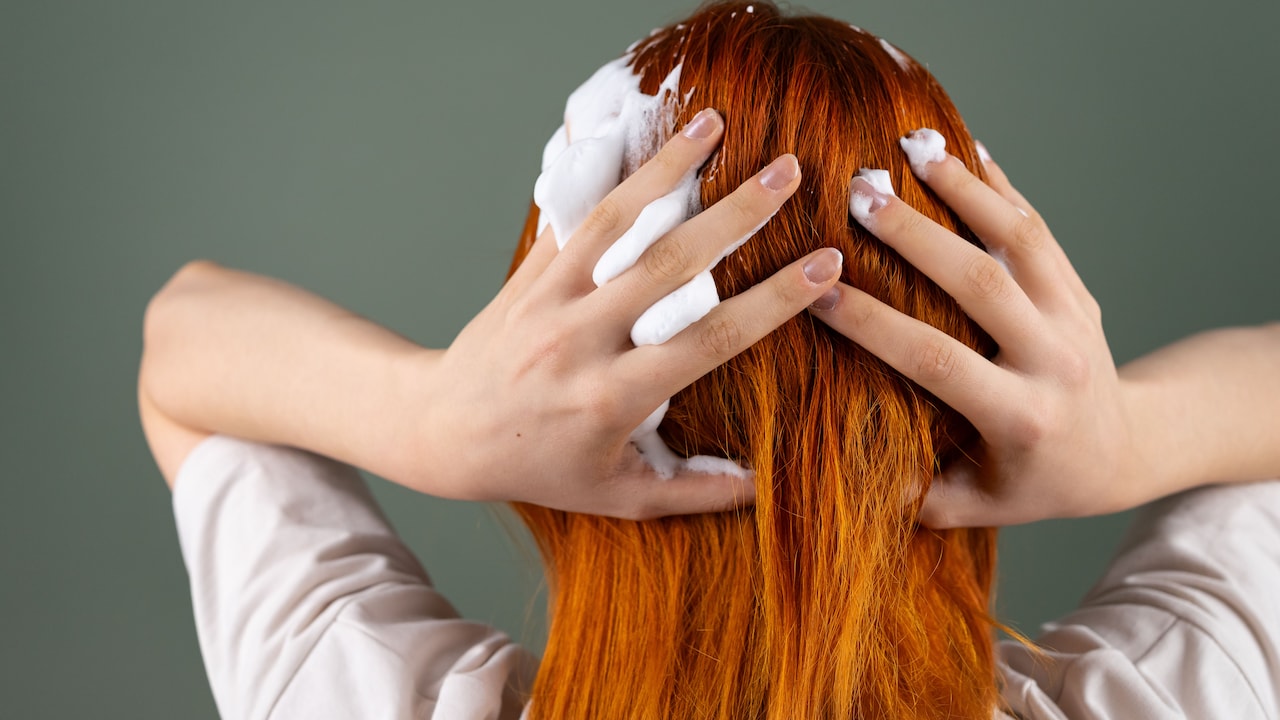
Easy tips to prevent frizzy hair in Indian humid weather; Photo Credit: Pexels
Many people chase miracle fixes. Shelves fill up with expensive serums, DIY mixes, and salon treatments that claim to seal every strand. Still, the mirror tells a different story. Hair puffs up, curls lose definition, and straightened strands revolt within hours.
The truth lies somewhere between tradition and science. Frizz control does not come from one magical product. It depends on understanding hair, weather, and habits. With the right approach, even the stickiest weather can feel manageable. The journey begins with simple shifts in routine, smarter product choices, and a bit of patience.
Also Read: Top 10 Anti-Frizz Shampoos And Tips For Indian Weather
Tried-And-Tested Methods For Managing Frizz In Sticky Weather
Understanding Why Humidity Causes Frizz
Humidity pulls moisture from the air straight into the hair shaft. Hair that lacks hydration or has damaged cuticles becomes more porous. That porosity allows excess moisture to enter, causing strands to swell unevenly.
Curly and wavy hair types face this struggle more often. The natural bends in the hair structure make it harder for oils to travel down the length. Straight hair deals with frizz, too, but it shows differently, often as flyaways.
Weather adds another layer. Coastal regions experience heavy moisture levels, while cities with sudden showers bring unpredictable humidity spikes. Hair reacts instantly to these changes.
Frizz, then, is not just a cosmetic issue. It signals an imbalance. When hair absorbs too much moisture from the air, it means internal hydration and external protection need attention. Understanding this makes every solution more effective, instead of chasing temporary fixes.
The Role Of Proper Hydration In Hair Care
Hydration forms the foundation of frizz control. Hair that receives consistent moisture behaves better in humid conditions. Without it, strands act like sponges, soaking up atmospheric moisture.
Hydration does not mean heavy oiling alone. It involves water-based products, conditioners, and masks that penetrate the hair shaft. Ingredients like aloe vera, glycerine, and panthenol help retain moisture inside the strands.
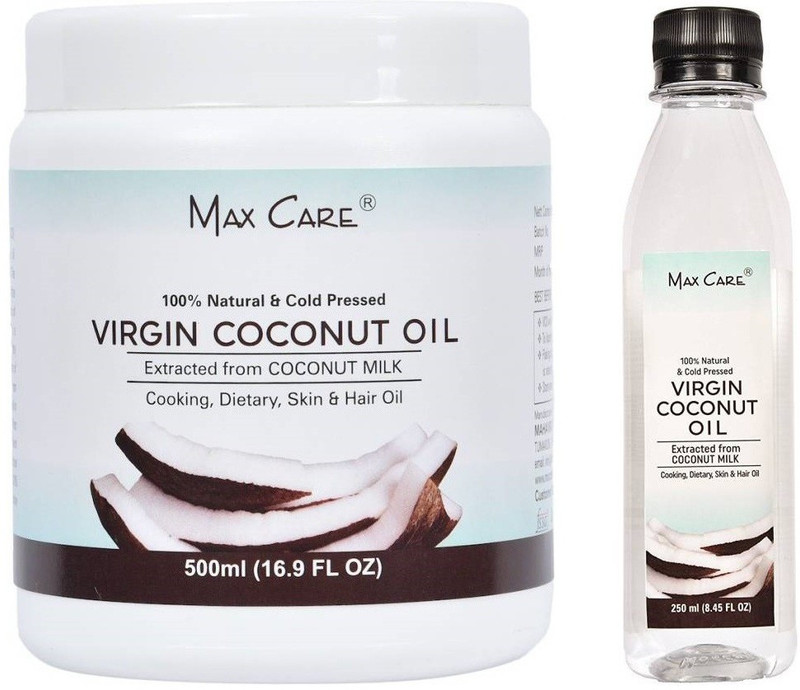
Traditional oiling still plays a role. Coconut oil, for instance, reduces protein loss and adds a protective layer. However, over-oiling without washing can weigh hair down and attract dust.
Balanced hydration ensures hair remains supple. It reduces the urge of hair to pull moisture from the environment. Once that balance settles, frizz naturally decreases, even during the stickiest afternoons.
Choosing The Right Shampoo And Conditioner
A good shampoo and conditioner routine can change everything. Sulphate-heavy shampoos strip natural oils, leaving hair dry and vulnerable to humidity. Switching to gentler cleansers helps maintain moisture balance.
Conditioner deserves more attention than it often receives. It smooths the cuticle, making it harder for humidity to enter the hair shaft. Leaving conditioner on for a few extra minutes allows better absorption.
Climate matters here too. During humid months, lightweight formulas work better than heavy, creamy ones. They hydrate without making hair greasy.
Many households still rely on traditional cleansers like reetha or shikakai. These can work well when used correctly, but pairing them with a modern conditioner improves results significantly.
Consistency matters more than brand. A steady routine builds resilience in hair, reducing frizz over time rather than offering a one-day fix.
Why Leave-In Products Make A Difference
Leave-in conditioners and serums act as shields. They sit on the hair surface and prevent excess moisture from entering. Without this barrier, humidity takes control quickly.
Lightweight leave-ins suit daily use. They detangle hair, reduce breakage, and add a soft finish. Serums, especially those with silicone, create a smooth coating that locks in moisture.
Many avoid silicones due to fear of build-up. However, when used in moderation and washed properly, they offer reliable frizz control. The key lies in balance rather than avoidance.
Application technique matters. A small amount spread evenly through damp hair works best. Overuse leads to greasy strands instead of smooth ones.
Leave-in products often deliver the fastest visible results. They turn chaotic hair into manageable strands within minutes, making them a favourite during rushed mornings.
The Truth About Hair Oils In Humid Weather
Hair oiling carries emotional value. It reminds many of weekend rituals and family traditions. Yet, its role in humid weather often gets misunderstood.
Oil does not hydrate hair. It seals moisture in. Applying oil to dry hair without prior hydration can make strands stiff instead of smooth.
Light oils work better in humid conditions. Coconut oil, argan oil, and almond oil provide nourishment without excessive heaviness. Thick oils may trap sweat and dust, leading to scalp issues.
Pre-wash oiling proves more effective than leaving oil in all day. It protects hair during washing and reduces protein loss without interfering with daily styling.
Oil still deserves its place in the routine. The trick lies in timing and quantity. When used thoughtfully, it supports frizz control rather than worsening it.
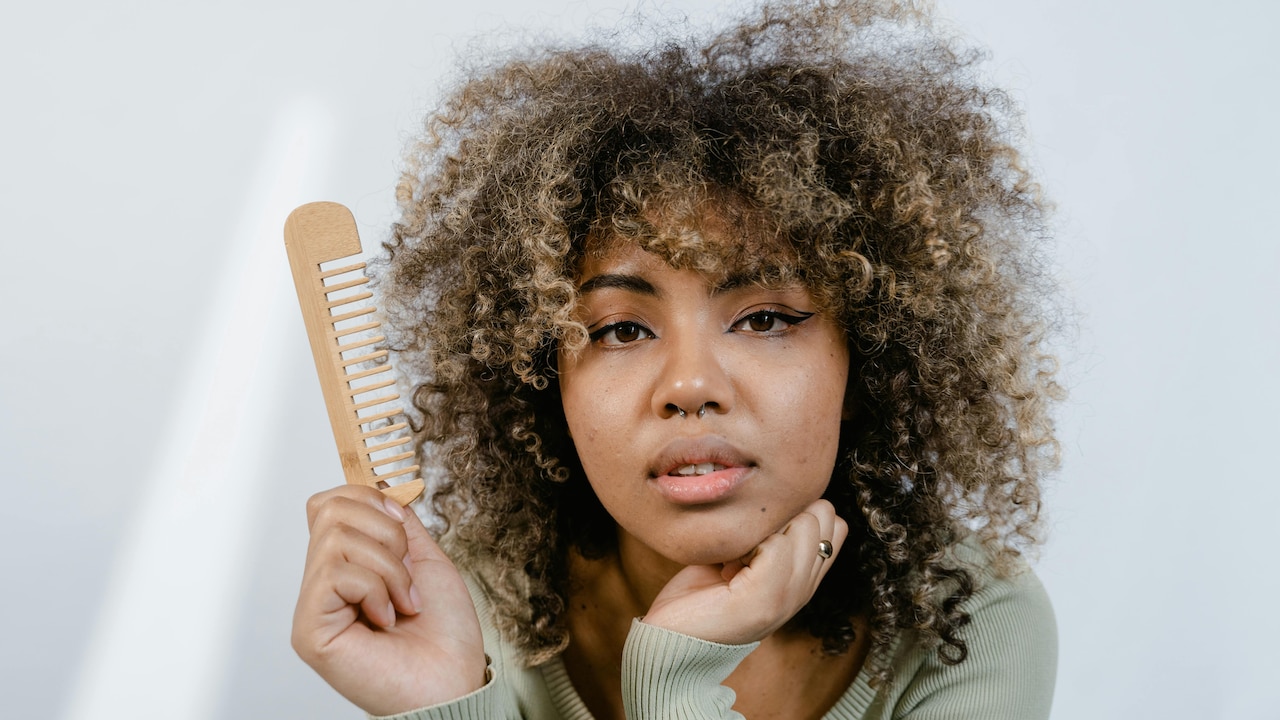
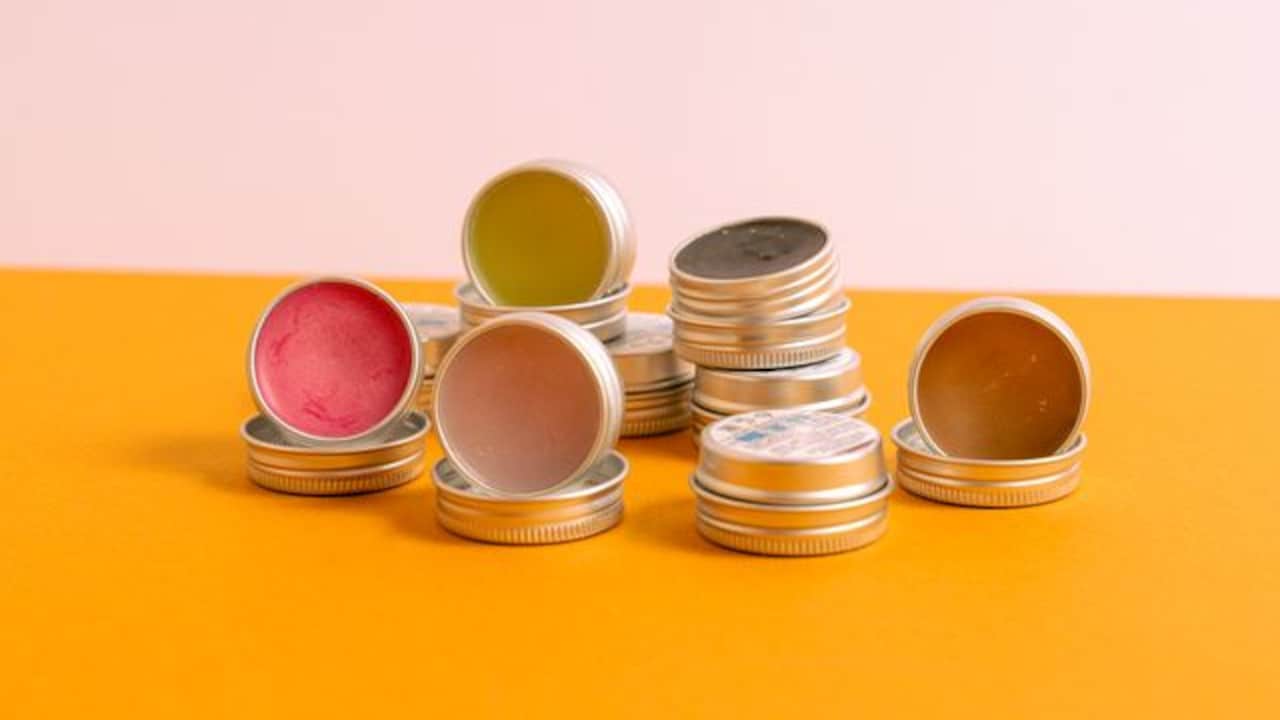
Light oils like coconut oil, argan oil, and almond oil provide nourishment without excessive heaviness; .Photo Credit: Pexels
Heat Styling: Friend Or Foe?
Heat styling offers quick results. Straighteners and blow dryers create sleek looks that resist frizz for a few hours. However, frequent heat use damages the cuticle, making hair more prone to humidity.
Heat protectants reduce this damage. They form a barrier between the hair and styling tools, preventing excessive moisture loss.
Air drying often seems like a safer option, but it can increase frizz if done incorrectly. Rough towel drying or leaving hair exposed to humid air for too long worsens the problem.
A balanced approach works best. Occasional heat styling with proper protection, combined with controlled air drying, keeps hair healthy.
Hair does not need perfection every day. Accepting a slightly natural texture while protecting hair health often leads to better long-term results than chasing pin-straight strands.
Microfibre Towels And Cotton T-Shirts: Small Changes, Big Impact
Traditional towels rough up the hair cuticle. This friction leads to breakage and frizz. Switching to microfibre towels or even a simple cotton T-shirt reduces this damage significantly.
These materials absorb water gently without disturbing the hair structure. They help maintain smoothness right from the drying stage.
The difference may seem minor at first. Over time, however, hair becomes noticeably softer and less frizzy.
This change requires minimal investment. A basic cotton T-shirt costs far less than most hair products, yet delivers impressive results.
Sometimes, the smallest tweaks bring the biggest improvements. Drying hair gently sets the tone for the rest of the routine.
Styling Techniques That Actually Help
Styling methods influence how hair reacts to humidity. Loose braids, buns, and twists help control frizz by keeping strands compact.
Open hair looks beautiful, but it exposes every strand to moisture. Protective styles reduce this exposure and maintain shape for longer periods.
Using wide-tooth combs instead of fine brushes prevents unnecessary breakage. Brushing dry hair in humid weather often increases frizz instantly.
Parting styles differently can also help. Middle parts tend to highlight frizz more than side parts, especially in high humidity.
Styling does not require perfection. It requires practicality. Choosing styles that work with the weather rather than against it makes daily life much easier.
Diet And Hydration: The Inside Story
Hair health reflects overall well-being. Dehydration, poor nutrition, and stress all contribute to frizz. Drinking enough water supports internal hydration, which directly impacts hair texture.
Foods rich in omega-3 fatty acids, proteins, and vitamins strengthen hair from within. Nuts, seeds, leafy greens, and lentils play a crucial role.
Street food cravings often win during rainy days, but balance matters. Occasional indulgence works fine, but consistent nutrition builds stronger hair.
Hair products alone cannot solve frizz. Internal care complements external efforts, creating a more sustainable solution.
Healthy hair begins long before any product touches it. What goes into the body often shows up in the mirror.
Salon Treatments: Worth The Cost?
Salon treatments promise long-lasting frizz control. Keratin, smoothening, and botox treatments deliver sleek results that survive humid conditions better than home care alone.
However, these treatments come at a price, often ranging from ₹3,000 to ₹10,000 depending on hair length and salon quality. Maintenance also adds to the cost.
Some treatments use chemicals that weaken hair over time. Choosing reputable salons and understanding the process helps avoid damage.
These treatments suit those seeking low-maintenance routines. They reduce daily styling effort significantly.
Still, they are not essential. A well-managed home routine can achieve impressive results without heavy spending. Salon treatments offer convenience, but they do not replace consistent care.
Products Related To This Article
1. L'Oréal Paris Extraordinary Oil Hair Serum with Precious Oils For Dry & Frizzy Hair
2. Streax Professional Vitariche Gloss Hair Serum - Vitamin E & Macadamia Oil (115 ml)
3. LIVON Hair Serum For Smooth, Frizz free & Glossy Hair (200 ml)
4. LISS UNLIMITED Anti Frizz Blow Dry Serum for Frizz Free Shiny Hair (125 ml)
5. MamaEarth Onion Hair Serum For Silky & Smooth Hair, Tames Frizzy Hair, with Onion & Biotin for Strong, Tangle Free & Frizz-Free Hair (100 ml)
Frizz control in humid weather does not depend on a single miracle solution. It grows from a combination of understanding, routine, and realistic expectations. Hair responds to care, not quick fixes.
Hydration, gentle handling, smart product choices, and mindful styling create lasting results. Small habits, like switching towels or adjusting oiling methods, often make the biggest difference.
Humidity may never disappear, but it does not have to ruin every hair day. With the right approach, even the most stubborn frizz can soften into something manageable, even charming.
After all, a little texture adds character. The goal is not perfection, but control with confidence.
(Disclaimer: This article may include references to or features of products and services made available through affiliate marketing campaigns. NDTV Convergence Limited (“NDTV”) strives to maintain editorial independence while participating in such campaigns. NDTV does not assume responsibility for the performance or claims of any featured products or services.)