How To Prevent Skin Infections During Monsoon Season
Monsoon may bring relief from the heat but can cause skin infections. Learn ways to avoid fungal infections, rashes and common skin concerns during the season.

How To Prevent Skin Infections During Monsoon Season
There is something undeniably comforting about the first spell of rain. The roads cool down, the air feels lighter and suddenly stepping outdoors becomes far more pleasant than it was a few weeks earlier. Unfortunately, your skin may not be enjoying the season quite as much. Monsoon brings moisture everywhere. Clothes take longer to dry, shoes remain damp for days and even a short walk outside can leave you feeling sticky. That constant humidity creates conditions that fungi and bacteria love. It is one of the reasons dermatologists often see a rise in fungal infections, rashes and scalp concerns during this time of year.

Avoid fungal infections this rainy season by keeping skin dry, using antifungal powders, and changing damp clothes; Photo Credit: iStock
The positive part? Most of these problems are easier to prevent than people think. A few sensible habits can help you get through the rainy season without constantly scratching your skin or dealing with uncomfortable infections.
Also Read: 5 Must-Have Moisturisers for Glowing Skin You Can Use Daily
How To Prevent Skin Infections During Monsoon Season?
You do not need a shelf full of products to keep your skin healthy during monsoon. In many cases, prevention comes down to a few everyday habits.
Step 1: Don't Stay In Wet Clothes Longer Than Necessary
Almost everyone has done it. You get caught in a sudden shower, reach home and decide to sit around in the same damp clothes for another hour. It may seem harmless, but moisture trapped against the skin creates the perfect environment for fungal growth.
Getting into dry clothes quickly is one of the easiest ways to lower your chances of developing a skin infection.
Step 2: Pay Extra Attention To Areas That Sweat Easily
Some parts of the body rarely get a chance to stay completely dry during humid weather. The underarms, groin area, neck folds and spaces between the toes tend to hold moisture for longer than other areas.
These are usually the first places where fungal infections show up. Drying them properly after a bath or after getting wet in the rain can make a surprising difference.
Step 3: Let Your Skin Breathe
Monsoon is not the best season for tight synthetic clothing. Fabrics that trap heat and sweat can leave the skin feeling irritated by the end of the day.
Cotton remains a reliable option because it absorbs moisture better and allows air to circulate more freely.
Step 4: Keep Personal Items Personal
Sharing towels, socks or footwear may seem harmless among family members, but it can sometimes spread fungal infections. During monsoon, when these infections are already more common, it is worth being a little careful.
How To Keep Your Skin Clean During Monsoon?
Most people focus on their face during monsoon, but skin infections can appear almost anywhere on the body. A simple cleansing routine often works better than complicated skincare regimens.
Step 1: Wash Away Sweat And Grime
The combination of humidity, pollution and sweat can leave the skin feeling greasy within hours. Cleansing your face twice a day and showering after excessive sweating helps remove the build-up before it causes trouble.
Step 2: Use A Fresh Towel
A towel that never completely dries can become a breeding ground for germs. During monsoon, you must change towels more often than usual.
Step 3: Don't ignore Small Cuts
Minor cuts and scratches are something people ignore. But damp weather can increase the chances of irritation or infection. Cleaning and covering small wounds can help them heal without complications.

Protect skin in monsoon weather through moisture control, gentle cleansing, and seeking medical help for persistent symptoms; Photo Credit: iStock
How To Prevent Fungal Infections During the Monsoon?
If there is one skin problem that practically becomes synonymous with monsoon, it is fungal infection.
Step 1: Take Better Care Of Your Feet
Your feet deal with puddles, wet roads and damp footwear throughout the season. Unfortunately, they are also one of the most common places for fungal infections to develop.
Once you return home, wash your feet and dry them properly, especially between the toes.
Step 2: Choose breathable clothes
Tight-fitting clothing traps heat and sweat. Cotton and other breathable fabrics allow better airflow, helping the skin remain cooler and drier all day.
Step 3: Dry Skin Folds Properly
Fungal infections often appear in places where air circulation is limited. The underarms and neck folds can stay moist for hours during humid weather. Drying these areas properly is important after baths or heavy workouts.
How To Look After Your Scalp During Monsoon?
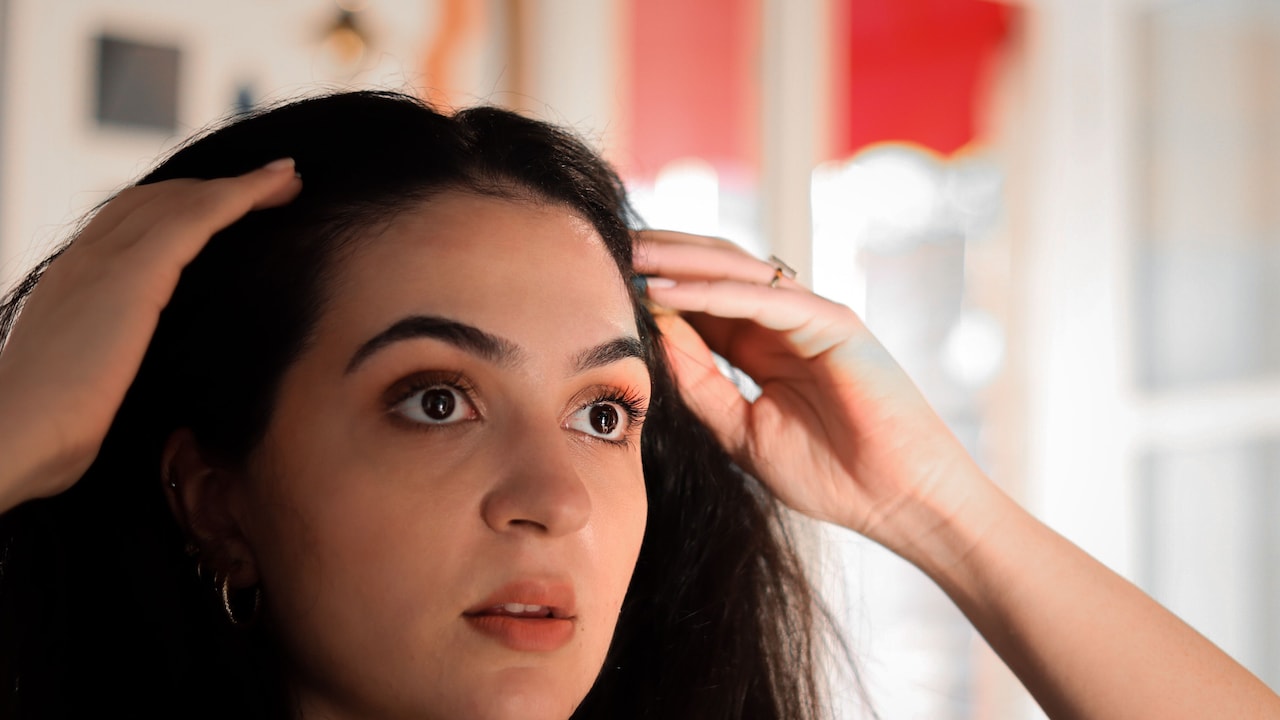
Skin concerns during the monsoon do not stop at the face and body. The scalp often struggles as well.
Step 1: Wash Away Excess Oil
Humidity can leave the scalp feeling greasy much sooner than usual. Regular washing helps remove sweat, oil and dirt before they contribute to dandruff or itching.
Step 2: Don't Keep Your Hair Damp For Too Long
Many folks often tie up their hair while it is still wet. But, in monsoon, doing so can make the scalp feel uncomfortable and lead to fungal growth.
Step 3: Keep Hair Products Light
Heavy products can weigh your hair down and make the scalp feel even oilier. Lighter products often feel nice during humid weather.
What Daily Habits Can Help Keep Skin Healthy During Monsoon?
Skincare is only one aspect of the equation. Everyday habits matter too.
Step 1: Drink Enough Water
Usually people drink less water when temperatures drop. Even during monsoon, staying hydrated helps overall skin health.
Step 2: Choose Fresh Foods More Often
Seasonal fruits, vegetables and yoghurt can be useful additions to your diet. It helps in general wellbeing and helps your body cope with seasonal changes.
Step 3: Get Adequate Sleep
A late night is unlikely to cause issues. However, when done repeatedly, poor sleep can leave the skin looking tired and make it harder for the body to recover from daily stress.
Some Monsoon Skin Care Products You May Like
1. Calendula Plus Lotion with Calendula
2. Healing Pharma Sulfomol Medicated Soap
3. Candid Prickly Heat Powder
4. Tetmosol Anti-fungal Dusting Powder
5. Calo Ease Calamine Lotion
6. Kitcoz Anti-Fungal Body Wash For Men & Women
7. Puretive Psori Care Body & Scalp Oil
8. EMBEDIC CALEMEDIC LOTION
Keep your skin calm and fresh even when the weather is damp and sticky. Pick gentle cleansers, light moisturisers and waterproof care that suit monsoon needs. Visit Amazon now, choose what fits your skin, and make your routine steady for the season.
Frequently Asked Questions (FAQs)
1. Why do skin infections become more common during monsoon?
Humidity, sweat and damp surroundings create conditions that let fungi and bacteria multiply more easily.
2. What is the most common skin infection during monsoon?
Fungal infections such as ringworm and athlete's foot are some of the common issues during the rainy season.
3. Can wet shoes lead to skin problems?
Yes. Wearing damp footwear for long periods can lead to fungal infections, particularly around the feet and toes.
4. Is sunscreen necessary during the monsoon?
Yes. Ultraviolet rays can still reach your skin even on cloudy days; hence, sunscreen remains important during the monsoon.
5. How often should I wash my face during the monsoon?
For most people, cleansing twice a day is enough to remove sweat, oil and dirt without making the skin feel overly dry.
(Disclaimer: This article may include references to or features of products and services made available through affiliate marketing campaigns. NDTV Convergence Limited (“NDTV”) strives to maintain editorial independence while participating in such campaigns. NDTV does not assume responsibility for the performance or claims of any featured products or services.)