Sonic Vs Oscillating Toothbrush: Which Cleans Better
Deciding between a sonic and an oscillating toothbrush? Learn how each one works, what it cleans better, and which one to shop for on Amazon right now.
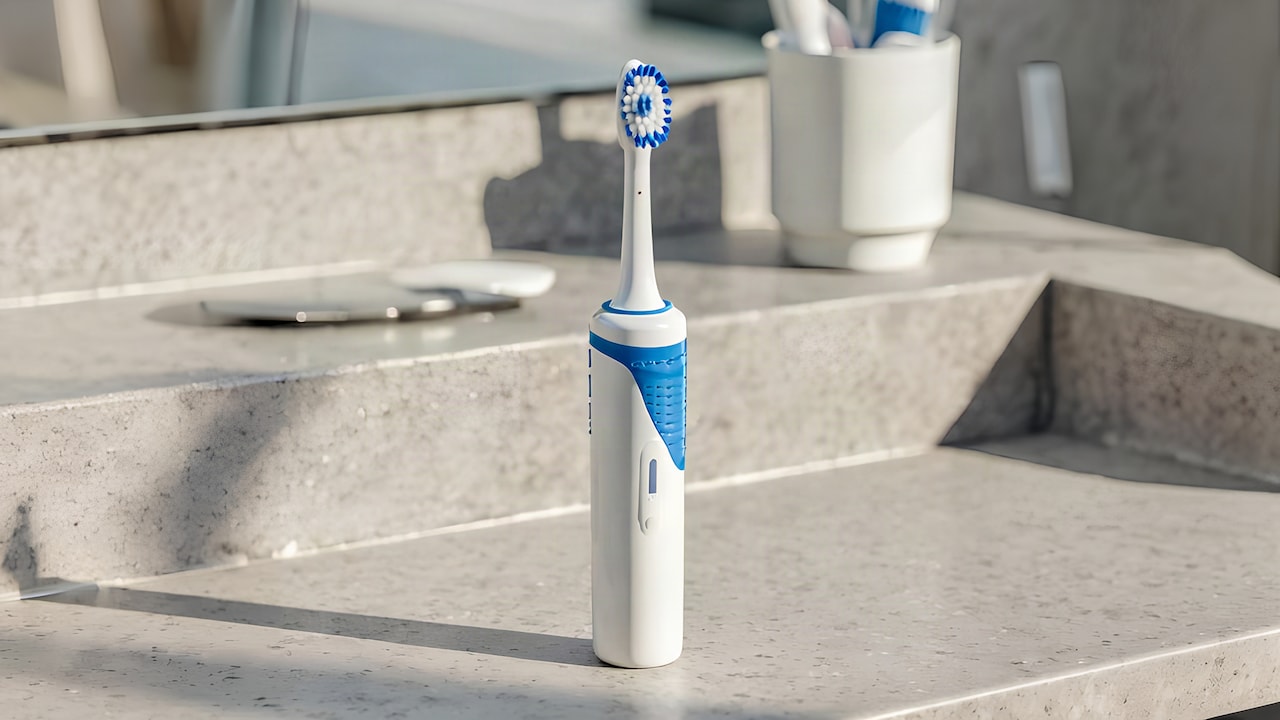
How to choose between sonic vs oscillating toothbrush
Choosing a new electric toothbrush should be fairly straightforward. But then you find yourself weighing up two very different technologies - sonic and oscillating - and suddenly the decision becomes a whole lot tougher than it needs to be. Both claim to be thorough cleaners, both have strong reviews on Amazon, and both appear to tick most of the boxes at first glance. But they each work very differently, and those differences really matter depending on the state of your teeth, the tenderness of your gums and what you actually want from your daily brushing routine.
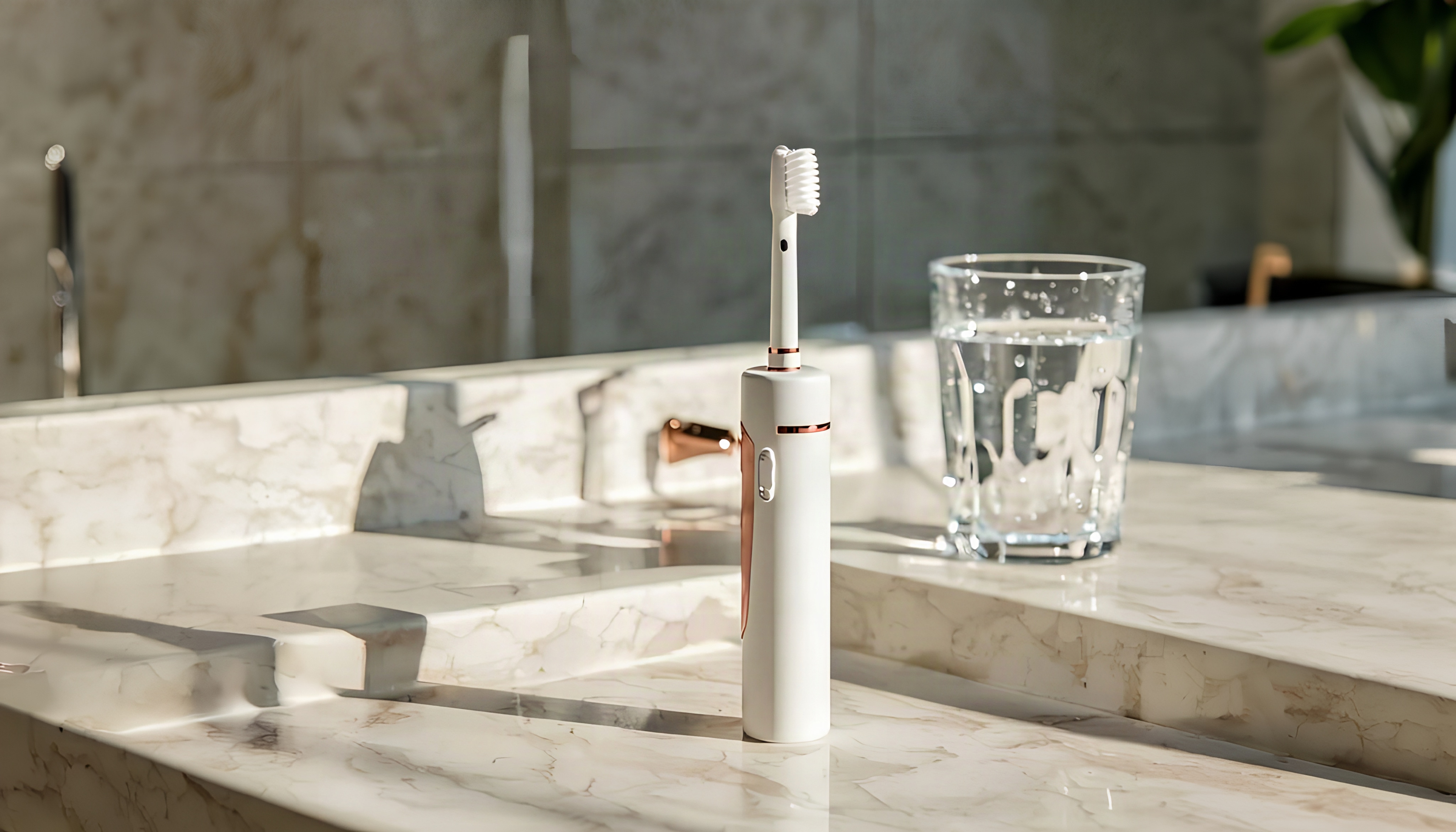
How Do Sonic And Oscillating Toothbrushes Actually Work?
Photo Credit: iStock
Both do a great job compared to manual brushing, so it's completely fair to confuse the two. The difference is in the mechanism, the feeling, and what each one is better for specific dental problems. Here's a closer look at both so you can figure out which one actually suits you.
Also Read: How to Choose the Right Toothpaste Gel: 5 Trusted Picks for Daily Oral Care
How Do Sonic And Oscillating Toothbrushes Actually Work?
1. The Mechanism Behind Sonic Toothbrushes
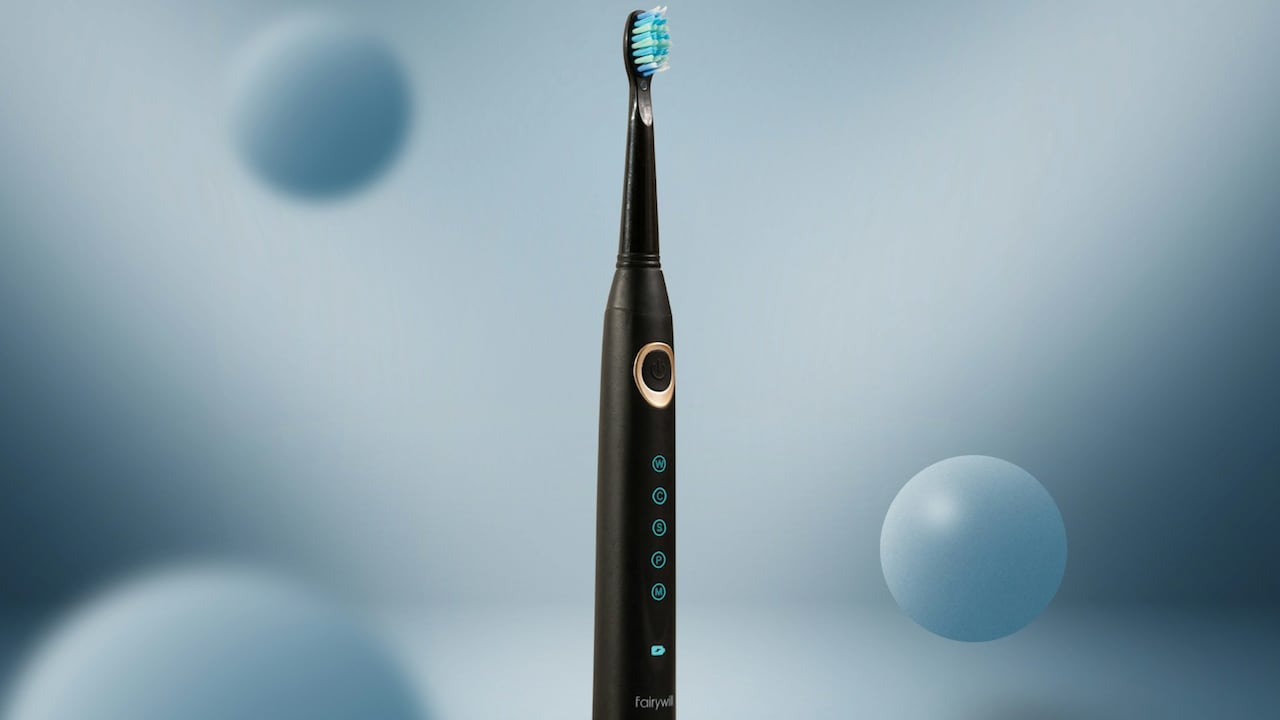
Sonic toothbrushes operate with very high frequency vibrations to move the bristles at an incredibly fast speed – typically 31,000 to 40,000 strokes per minute. But the speed does more than just wash. It creates fluid dynamics that push toothpaste and water into the gaps between teeth. That means cleaning activity is taking place just outside the area the bristles are actually touching, even without the brush head coming into direct contact. This makes Sonic toothbrushes particularly helpful for those wanting a more thorough clean without the manual effort.
2. The Mechanism Behind Oscillating Toothbrushes
Oscillating toothbrushes, also known as rotating-oscillating brushes, have a small, round brush head that moves back and forth in small arcs. This motion is supposed to work on each tooth, each surface with a focused movement. Some models also incorporate a pulsating action that disrupts plaque before the oscillating bristles sweep it away. The brush head surrounds each tooth physically and is regarded by many dentists as very effective in mechanically removing plaque.
Sonic Vs Oscillating Toothbrush: Cleaning Performance
1. Plaque Removal
In clinical comparisons, oscillating toothbrushes have a slight advantage in removing plaque. The rotation action means that every tooth surface is in direct, constant contact, making it harder for plaque to adhere. That's not to say Sonic brushes are slouches. Their fluid cleaning action can reach interdental areas without direct contact, which is important for people who have difficulty manoeuvring around tight spaces. Either way, you're upgrading, as both are much more effective than a manual brush.
2. Gum Health
If you have sensitive gums or early signs of gingivitis, you will generally find sonic brushes gentler to use. The vibration action does not physically push against the gum line as hard as the mechanical rotation of an oscillating brush. This is not to say that oscillating models are bad for your gums — most have pressure sensors and soft-bristle settings — but the feeling is different. If your gums are prone to bleeding or feel sore after brushing, a sonic version may be the most comfortable option over time.
3. Cleaning Hard-To-Reach Areas
Sonic toothbrushes have a built-in advantage here. The dynamics of fluid allow the cleaning radius to extend beyond the bristle tips, reaching between the teeth and along the gum line without the brush head pressing directly into those areas. The ability to get into tighter gaps with oscillating brushes depends on physical contact and the technique and angle at which you hold the brush. Neither is a replacement for flossing, but for cleaning between brushing sessions, sonic technology is more effective.
Which One Is Better For Specific Dental Needs?
1. For Sensitive Teeth And Gums
Sonic toothbrushes are normally a better bet if you're prone to sensitivity. The softer action and lower pressure make brushing more comfortable, and many sonic models have dedicated sensitive modes that reduce the intensity even further. If your dentist has talked about recession or enamel wear, low mechanical force is something to think about.
2. For Deep Plaque Removal
If you're after aggressive plaque control — particularly around crowded teeth, brackets, or areas prone to buildup — an oscillating toothbrush is often the more focused tool. It's a systematic rotation from tooth to tooth that keeps the cleaning focused, which is great for people who stick to a structured dental care routine or have conditions like periodontitis.
Price, Availability, And Which One To Actually Buy
What To Expect At Different Price Points
Sonic and oscillating toothbrushes range in price. The entry-level electric brushes for both categories are good, and the premium versions add smart pressure sensors, app connection, travel cases and multiple brush modes. Often the sweet spot are established brands in the mid-range – good enough features without paying too much for tech you may not use every day.
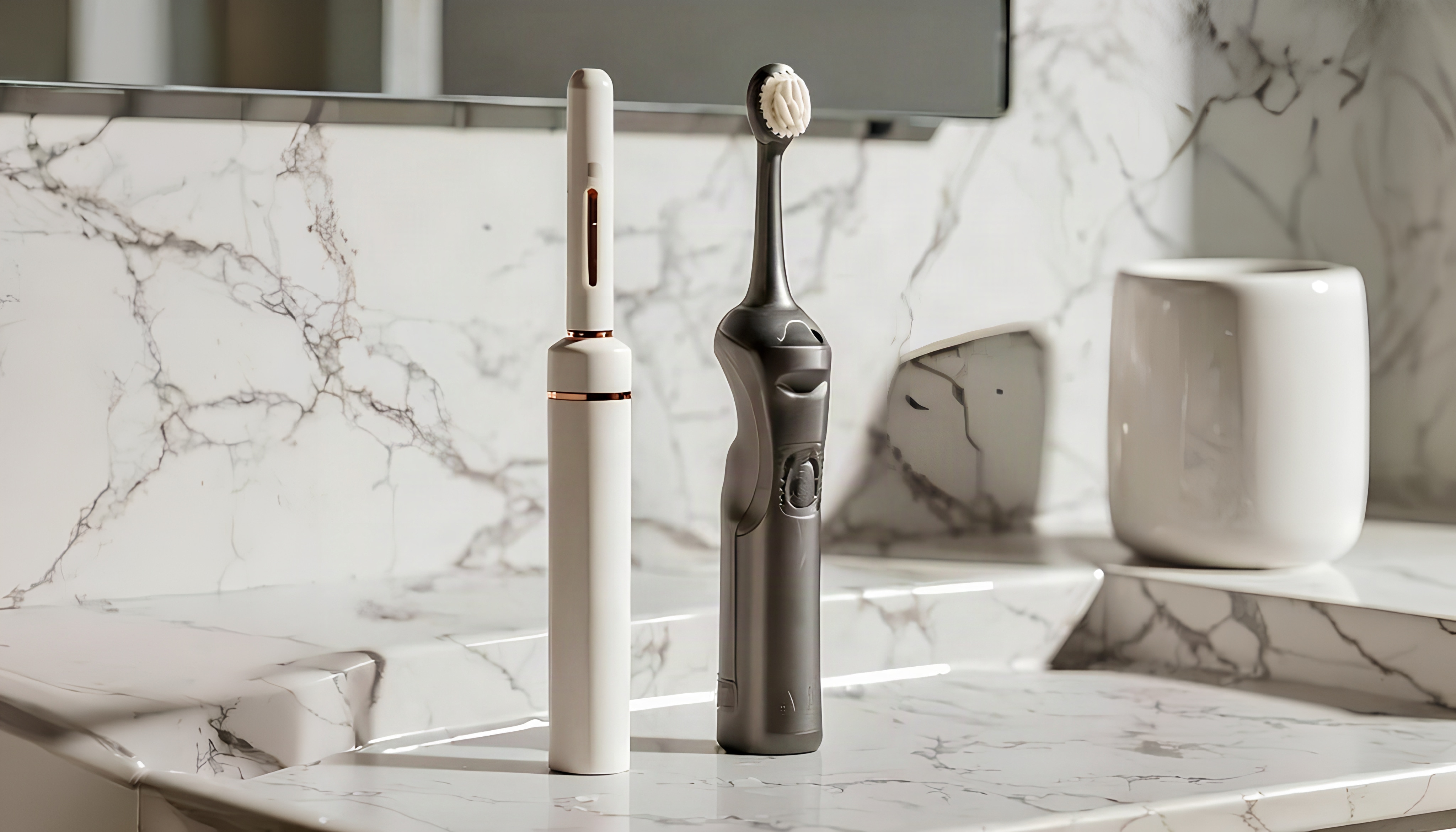
Some Products You May Like
Photo Credit: iStock
Some Products You May Like
1. Perfora PRO Oscillating Electric Toothbrush
2. Pressure Sensor Electronic Smart Oscillating Toothbrush
3. Oracura OB100 Oscillating Electric Toothbrush
4. AGARO Rex Oscillating Kids Electric Toothbrush
5. VeeDe Sonic Electric Datun (Electric Toothbrush) for Adults
6. AGARO COSMIC LITE Sonic Electric Toothbrush
8. CLEON Pulsex Sonic Electric Toothbrush
Frequently Asked Questions (FAQs)
1. Is a sonic toothbrush better than an oscillating one?
Neither is better; it really depends on your dental needs. Sonic brushes are less abrasive and cover a larger area, while oscillating brushes offer targeted mechanical plaque removal. Both are far superior to manual brushing.
2. Can I use a sonic toothbrush if I have braces?
Yes, but check with your orthodontist first. Sonic brushes are often recommended around brackets because the fluid action can get into places that are hard to clean manually. Use a soft bristle head, and slow down around wires.
3. How long do electric toothbrush heads last?
The majority of dentists suggest changing your brush head every two to three months, or sooner if the bristles look frayed. This applies to both sonic and oscillating-type brushes.
4. Are oscillating toothbrushes loud?
Oscillating toothbrushes make a hum when they are used that can be heard, but it usually doesn't bother most people. Sonic toothbrushes are a bit louder because they vibrate at a higher frequency, but both types are definitely manageable.
5. Which electric toothbrush type do dentists recommend more?
Opinions vary, but many dental professionals recognise oscillating brushes for consistently delivering positive clinical results in studies on plaque and gingivitis. That said, the best toothbrush is the one you'll ultimately use correctly and consistently every day.
(Disclaimer: This article may include references to or features of products and services made available through affiliate marketing campaigns. NDTV Convergence Limited (“NDTV”) strives to maintain editorial independence while participating in such campaigns. NDTV does not assume responsibility for the performance or claims of any featured products or services.)