Why Your Moisturiser Feels Sticky In Humidity And What Gel-Creams Fix It
Humidity slows absorption, leaving moisturisers sitting on the skin and feeling sticky. Gel-creams solve this with lightweight, fast-absorbing hydration that keeps skin fresh without the greasy residue.
Why Moisturiser Feels Sticky In Humidity And How Gel-Creams Fix It
There's a familiar moment during muggy mornings or post-monsoon afternoons. Skin feels freshly washed, a trusted moisturiser goes on, and for a brief second, everything seems perfect. Then, as the air thickens and the day unfolds, that smooth skin turns into an uncomfortable stickiness. The face feels heavier, almost like it's holding onto something it shouldn't.
Blame it on humidity. When the air is already saturated with moisture, skin behaves differently. Products that worked beautifully in dry weather suddenly feel excessive, even suffocating. It's not just about sweat or heat; it's about how skincare interacts with the environment.
Yet, not all moisturisers respond the same way. Some glide through humidity like a breeze, while others sit stubbornly on the skin. That's where gel-creams quietly step in, offering hydration without the clingy aftermath.
Understanding this shift can make daily skincare feel less like a battle and more like a small, satisfying ritual again.
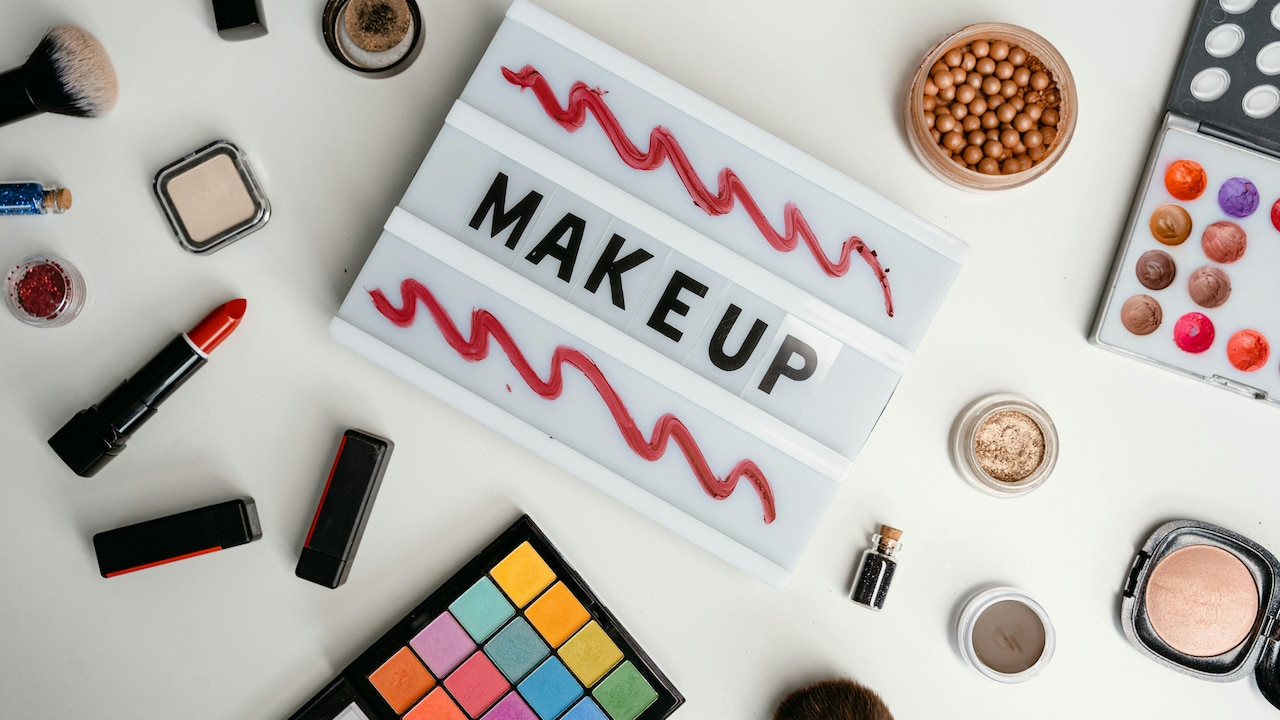
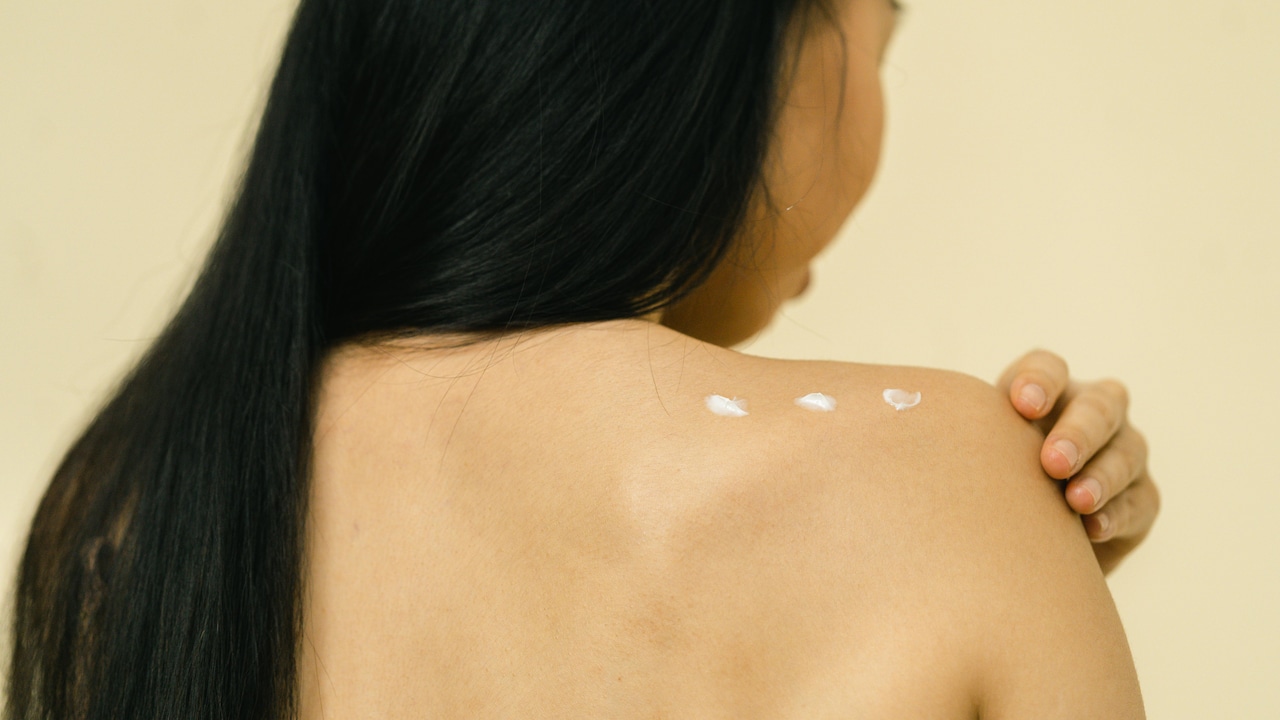
Why Moisturiser Feels Sticky In Humidity And How Gel-Creams Fix It; Photo Credit: Pexels
What's Really Happening To Your Skin In Humid Weather
Humidity Changes How Skin Absorbs Moisture
Humidity isn't just about discomfort; it actively alters how skin behaves. When the air is heavy with moisture, the skin's natural ability to absorb products slows down. Instead of absorbing a moisturiser, the skin often leaves it sitting on the surface.
Think of it like trying to dry clothes during the monsoon. No matter how long they hang, the dampness lingers. Skin works similarly. When it already feels saturated, it resists taking in more hydration.
This is why even a lightweight cream can suddenly feel thick and sticky. The product isn't necessarily heavier; it's just not being absorbed efficiently.
The result is that familiar tacky feeling that builds up through the day. It's not always sweat or oil. Often, it's simply the moisturiser refusing to sink in.
Understanding this subtle shift explains why skincare routines need to evolve with the weather, rather than stay the same all year round.
Heavy Creams Trap Moisture On The Surface
Traditional moisturisers are often designed to lock moisture into the skin. They contain occlusive ingredients that form a barrier, preventing water loss. In dry climates, this works beautifully.
In humid conditions, however, this same barrier can backfire. When there's already plenty of moisture in the air, trapping it against the skin creates a layered effect. Instead of feeling nourished, the skin feels coated.
This is where the sticky sensation intensifies. The cream doesn't disappear; it lingers, mixing with sweat and natural oils. The result is a film-like texture that feels uncomfortable, especially during long commutes or outdoor errands.
It's not that these creams are ineffective. They're simply mismatched to the environment. Using them in high humidity is like wearing a wool jumper in summer. It might be well-made, but it's not suited to the moment.
Switching textures becomes less about luxury and more about practicality.
Also Read: Top 5 Budget-Friendly Moisturisers under ₹200 that Give the Best Results
Sweat And Sebum Make Things Worse
Humidity doesn't come alone. It often brings along increased sweating and oil production. Skin starts to produce more sebum as temperatures rise, creating a naturally glossy layer.
When a moisturiser sits on top of this, things get complicated. Sweat and sebum mix with the product, breaking it down unevenly. Instead of a smooth finish, the skin feels patchy and sticky.
It's the kind of feeling that makes one reach for tissues or blotting papers repeatedly throughout the day. That constant need to dab away shine isn't just about oiliness; it's about product build-up.
This combination can also clog pores over time, leading to breakouts. What began as a simple moisturising step can quickly turn into a source of frustration.
Recognising this interaction helps explain why lighter formulations feel far more comfortable when the air turns thick and humid.
Ingredients Matter More Than You Think
Not all moisturisers are created equal. Some ingredients are more prone to causing stickiness in humid weather. Heavy oils, waxes, and certain emollients can linger on the skin, especially when absorption slows down.
Humectants like glycerine and hyaluronic acid can also behave differently. In moderate climates, they draw moisture into the skin. In high humidity, they may pull in excess moisture from the air, making the skin feel overly damp.
This doesn't mean these ingredients are bad. It simply means their behaviour changes depending on the environment.
Reading labels becomes surprisingly useful. A product that feels luxurious during winter might feel overwhelming during the monsoon.
Choosing the right combination of ingredients can transform how a moisturiser feels. It's less about brand loyalty and more about understanding what the skin needs in that moment.
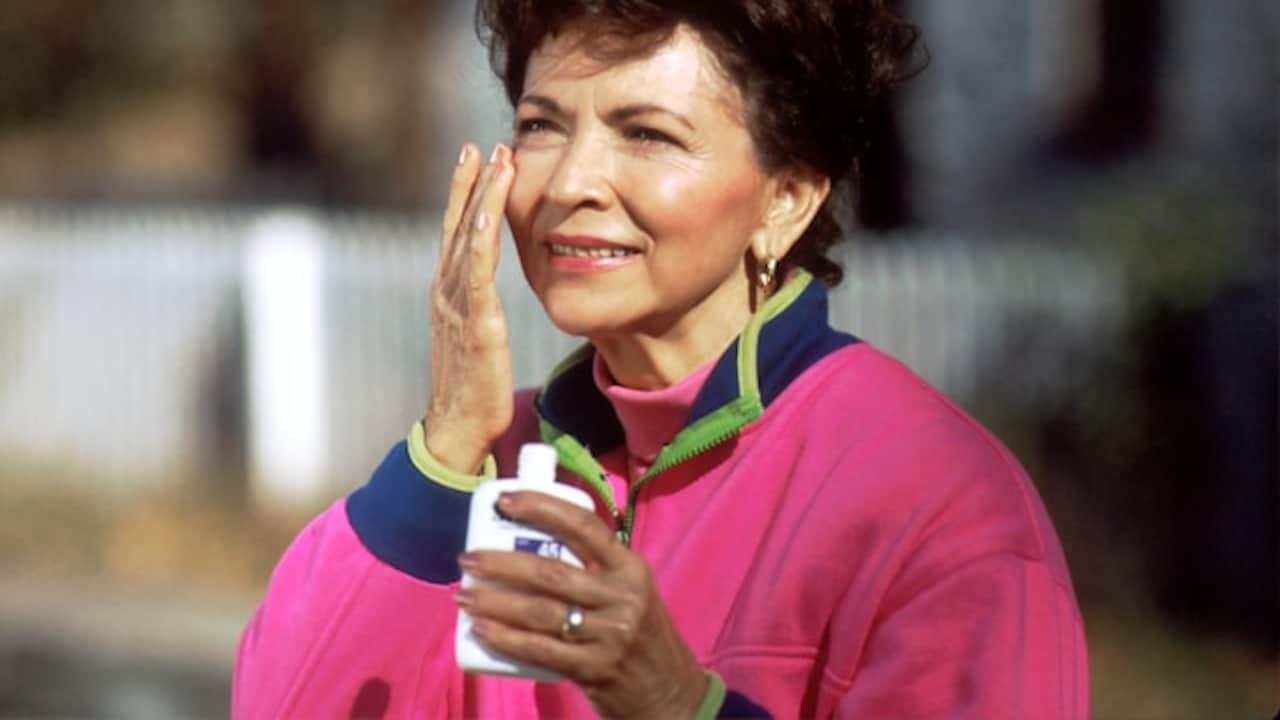
Why Moisturiser Feels Sticky In Humidity And How Gel-Creams Fix It; Photo Credit: Pexels
Gel-Creams Offer A Balanced Alternative
Gel-creams sit comfortably between traditional creams and lightweight gels. They provide hydration without the heaviness, making them ideal for humid conditions.
Their texture feels refreshing on application. Instead of forming a thick layer, they spread easily and absorb quickly. The skin feels hydrated, but not coated.
This balance is what sets them apart. They hydrate without trapping excess moisture, allowing the skin to breathe even when the air feels dense.
The experience is noticeably different. There's no lingering film, no constant urge to wipe the face. Just a light, comfortable finish that lasts through the day.
It's a small change, but one that makes daily routines feel far more manageable, especially during long, humid days.
Water-Based Formulas Absorb Faster
One of the defining features of gel-creams is their water-based composition. Unlike oil-heavy creams, they rely on water as their primary base, which makes them absorb more quickly.
In humid weather, this is a game-changer. The skin doesn't have to work as hard to take in the product. It settles almost instantly, leaving behind a fresh, non-sticky feel.
This quick absorption also reduces the chances of product mixing with sweat and sebum. Instead of sitting on the surface, it integrates into the skin more effectively.
The result is a cleaner, lighter finish. The kind that doesn't demand constant attention throughout the day.
For anyone tired of that mid-day stickiness, switching to water-based formulations often feels like a quiet revelation.
They Help Control Excess Shine
Humidity tends to amplify shine, especially in the T-zone. Forehead, nose, and chin often bear the brunt of it, turning visibly oily within hours.
Gel-creams help manage this by offering hydration without adding extra oil. They strike a delicate balance, ensuring the skin doesn't overcompensate by producing more sebum.
When the skin feels adequately hydrated, it's less likely to become excessively oily. This reduces the greasy shine that builds up throughout the day.
The difference is subtle but noticeable. Skin looks fresher, more balanced, and far less weighed down.
It's not about achieving a completely matte finish. It's about finding that middle ground where the skin looks healthy without feeling sticky or overly shiny.

Why Moisturiser Feels Sticky In Humidity And How Gel-Creams Fix It; Photo Credit: Pexels
Layering Becomes Easier And Cleaner
Skincare rarely stops at moisturiser. Sunscreen, serums, and sometimes makeup follow. In humid weather, layering these products can quickly turn messy.
Heavy creams can pill or mix awkwardly with other products, creating an uneven texture. This makes the entire routine feel cumbersome.
Gel-creams simplify this process. Their lightweight nature allows other products to sit comfortably on top without clashing.
Sunscreen glides on more smoothly. Makeup feels less cakey. Even minimal routines feel more cohesive.
This ease of layering is often overlooked, but it plays a significant role in how enjoyable a skincare routine feels. When products work together rather than against each other, the entire experience improves.
They Suit A Wide Range Of Skin Types
One of the biggest misconceptions is that lightweight moisturisers are only for oily skin. In reality, gel-creams cater to a wide range of skin types, including combination and even mildly dry skin.
They provide hydration without overwhelming the skin. For those who feel their usual creams are too heavy during humid months, gel-creams offer a comfortable alternative.
Even sensitive skin can benefit from their gentle, breathable texture. They reduce the risk of clogged pores and irritation caused by heavy formulations.
This versatility makes them a practical choice during seasons when the weather feels unpredictable.
Instead of constantly switching products, a well-formulated gel-cream can become a reliable staple.
Products Related To This Article
1. Re'equil Oil Free Mattifying Moisturising Gel (75 g)
2. Moisturex SunPharma Hydra 50ml, Moisturizer, Deep Hydration for All Skin Types (50 ml)
3. Conscious Chemist Retinol Night Cream | Anti-Aging for Face & Neck | Reduces Fine Lines & Wrinkles (50 g)
4. Cerasoft OC Moisturizer Cream (60 g)
5. Naturali Soothing Face Moisturiser for Men (100 ml)
Humidity has a quiet but powerful effect on a skincare routine. It changes how products behave, how skin absorbs moisture, and how comfortable everything feels throughout the day.
That sticky sensation isn't a sign of poor skincare. It's often a mismatch between product and environment. Understanding this can shift the approach from frustration to adaptation.
Gel-creams offer a simple yet effective solution. They respect the skin's needs without overwhelming it, especially when the air feels heavy and relentless.
Sometimes, the smallest changes bring the most relief. A lighter texture, a faster-absorbing formula, and suddenly, skincare feels effortless again.
And on days when stepping outside feels like walking into a warm cloud, that little bit of comfort makes all the difference.
(Disclaimer: This article may include references to or features of products and services made available through affiliate marketing campaigns. NDTV Convergence Limited (“NDTV”) strives to maintain editorial independence while participating in such campaigns. NDTV does not assume responsibility for the performance or claims of any featured products or services.)