Derma Stamp Or Derma Roller? How To Choose The Right Microneedling Tool For Hair Regrowth
Derma stamp vs derma roller, learn the key differences, benefits, needle depth, safety and which microneedling tool works better for hair regrowth.

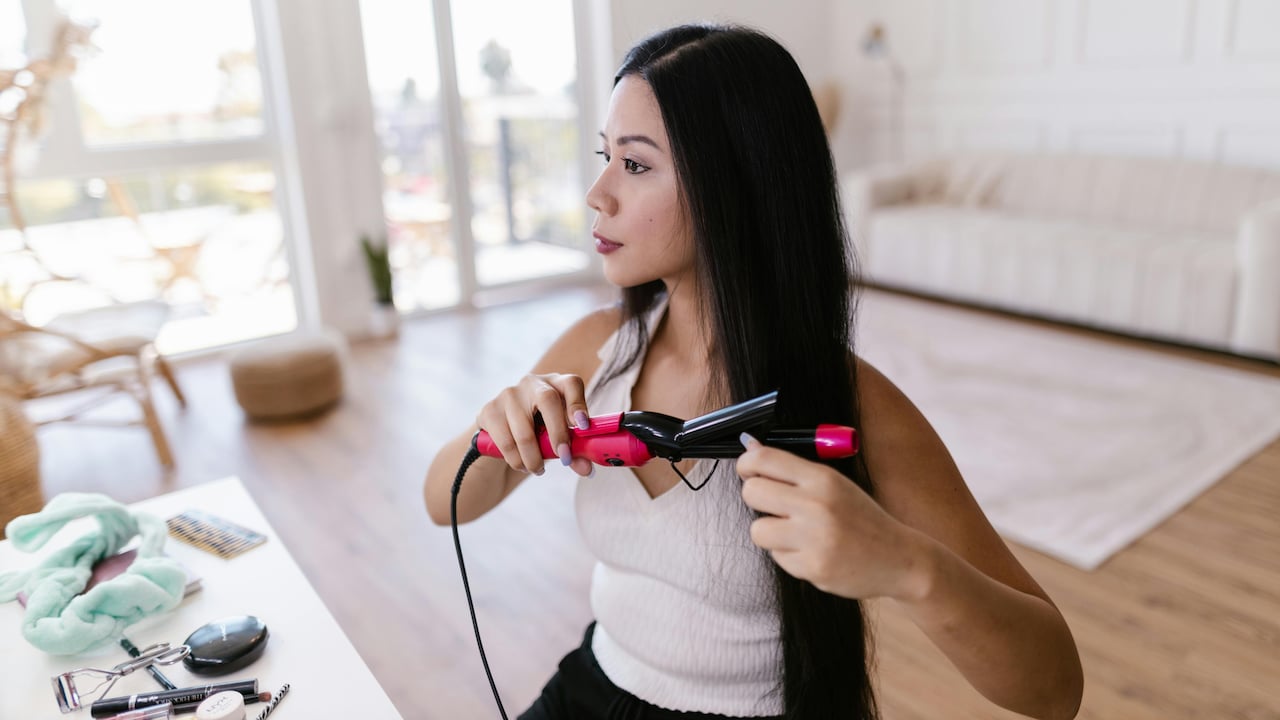
Microneedling can help activate dormant hair follicles by improving blood circulation to the scalp.
Hair loss is no longer a silent struggle. From thinning hairlines to widening parts and patchy regrowth, more people today are actively searching for effective, science-backed solutions to restore hair health. Among the many treatments that have gained popularity in recent years, microneedling has emerged as a promising non-surgical option for hair regrowth.
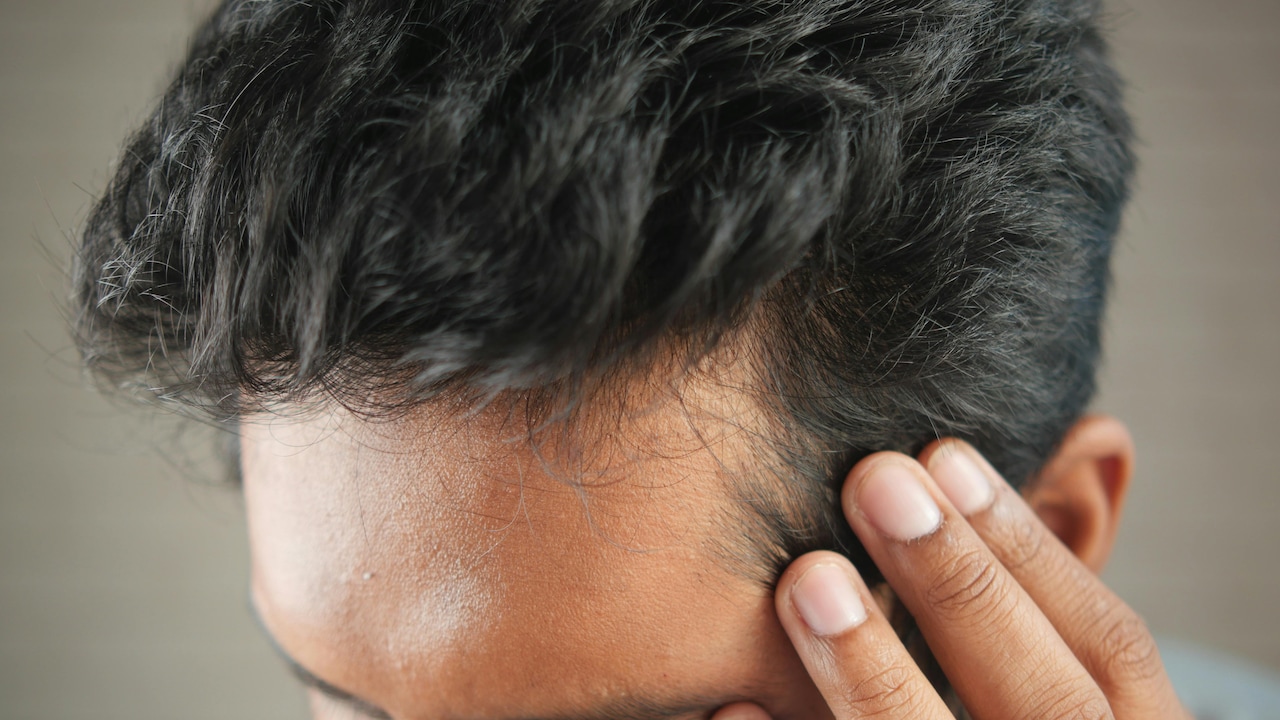
Microneedling helps activate dormant hair follicles by improving blood circulation to the scalp.
Photo Credit: Pexels
And within microneedling, two tools often dominate the conversation: the derma roller and the derma stamp. While both use tiny needles to stimulate the scalp, they are not interchangeable, and choosing the right one can make a noticeable difference in your results.
Also Read: How To Use Scalp Scrubs Without Over-Exfoliating Your Hair
If you're confused about which tool is better for hair regrowth, this detailed guide will help you understand how each works, their key differences, and which option may suit your needs best.
What Is Microneedling For Hair Regrowth?
Microneedling involves creating microscopic punctures in the scalp using fine needles. These tiny injuries trigger the body's natural wound-healing response, increasing blood circulation, collagen production, and the release of growth factors that support hair follicle function.
When done correctly, microneedling can:
- Reactivate dormant hair follicles
- Improve scalp health
- Enhance the absorption of topical hair growth treatments like minoxidil or hair serums
- Promote thicker and stronger hair over time
Both derma rollers and derma stamps work on this principle, but the way they interact with the scalp differs significantly.
What Is a Derma Roller?
A derma roller is a handheld device with a cylindrical drum covered in rows of fine needles. You roll it across the scalp horizontally, vertically, or diagonally, allowing the needles to puncture the skin as the drum rotates.
Benefits Of Using A Derma Roller
- Covers larger scalp areas quickly
- Widely available and usually more affordable
- Familiar tool often recommended for beginners
- Effective for diffuse hair thinning
Limitations Of Derma Rollers
While derma rollers are effective, they do have some drawbacks:
- The rolling motion can cause needles to enter and exit at an angle, potentially leading to more discomfort
- Higher risk of needle bending or breakage
- Can pull or tangle hair if not used carefully
- Less precise in targeting specific thinning or bald patches
Derma rollers are generally better suited for people dealing with overall thinning rather than small, defined areas of hair loss.
What Is a Derma Stamp?
A derma stamp uses a flat stamping head with needles fixed in place. Instead of rolling, you press the stamp directly onto the scalp, lifting and repositioning it with each press.
Benefits of Using a Derma Stamp
- Needles penetrate the skin vertically, causing more controlled micro-injuries
- Reduced risk of skin tearing or scalp irritation
- Greater precision for targeting temples, crown, or patchy alopecia
- More comfortable for people with longer hair
Limitations of Derma Stamps
- Takes more time to cover larger areas
- Slightly higher learning curve for beginners
- Usually a bit more expensive than rollers
Despite these points, derma stamps are increasingly preferred by professionals due to their controlled and scalp-friendly approach.
Key Differences Between Derma Roller and Derma Stamp
| Aspect | Derma Roller | Derma Stamp |
| Needle Motion | Rolling | Vertical Stamping |
| Precision | Moderate | High |
| Pain Level | Slightly Higher | Generally Lower |
| Risk of Irritation | Higher if Overused | Lower with Proper Use |
| Best For | Diffuse Thinning | Targeted Hair Loss |
| Ease of Use | Beginner-Friendly | Required Patience |
Which One Is Better for Hair Regrowth?
Both tools can support hair regrowth when used correctly, but the derma stamp often has a slight advantage, especially for long-term scalp health.
Choose a Derma Stamp if:
- You have patchy hair loss, receding temples, or crown thinning
- You want a more controlled and precise approach
- You have sensitive scalp or are prone to irritation
- You already use topical treatments and want better absorption
Choose a Derma Roller if:
- You experience generalised hair thinning
- You want a quicker treatment session
- You're new to microneedling and prefer a simple tool
- You're working within a budget
For many users, the ideal approach may even involve using both tools selectively, depending on the area of the scalp.
Needle Size And Microneedling Schedule
For hair regrowth, needle size plays a crucial role:
- 0.5 mm: Enhances product absorption, good for beginners
- 1.0 mm: Stimulates blood flow and follicles effectively
- 1.5 mm: Used less frequently; best under professional guidance
Using longer needles too often can damage the scalp rather than help it, so moderation and proper technique are essential.
- 0.5 mm: 2 to 3 times per week
- 1.0 mm: Once every 7 to 10 days
- 1.5 mm: Once every 2 to 4 weeks
Always allow the scalp time to heal between sessions.
Tips for Safe and Effective Use
- Always sanitise your tool before and after use
- Use mild pressure, microneedling should never cause bleeding
- Avoid use on infected, inflamed, or broken skin
- Do not apply harsh products immediately after needling
- Be consistent; visible results often take 3 to 6 months
Derma Stamp or Derma Roller?
When it comes to hair regrowth, both derma rollers and derma stamps can be effective tools, but the derma stamp stands out for its precision, comfort, and reduced risk of scalp trauma. For those serious about long-term results and scalp health, a derma stamp may be the better investment. You can explore hair-regrowth products here.
That said, microneedling is not a miracle cure. It works best when combined with good nutrition, proper scalp care, and evidence-based treatments. Consulting a dermatologist before starting any hair regrowth regimen is always a wise step.
Frequently Asked Questions (FAQs)
1. Is derma stamp better than derma roller for hair regrowth?
A derma stamp offers more precision and causes less scalp trauma compared to a derma roller, making it a better option for targeted hair regrowth and sensitive scalps.
2. Can derma roller and derma stamp be used together?
Yes, some people use a derma roller for overall scalp coverage and a derma stamp for specific areas like the hairline or crown, depending on hair loss patterns.
3. What needle length is best for microneedling the scalp?
Needle lengths between 0.5 mm and 1.0 mm are commonly recommended for scalp microneedling aimed at hair regrowth when used safely.
4. How long does it take to see results from microneedling for hair growth?
Visible improvements typically take 3 to 6 months of consistent use, combined with a proper hair care routine.
5. Is microneedling for hair regrowth safe at home?
Microneedling can be safe at home if performed correctly, using sanitised tools, appropriate needle lengths, and adequate recovery time between sessions.
(Disclaimer: This article may include references to or features of products and services made available through affiliate marketing campaigns. NDTV Convergence Limited (“NDTV”) strives to maintain editorial independence while participating in such campaigns. NDTV does not assume responsibility for the performance or claims of any featured products or services.)