The Best Lip Balms For Dry Lips: What Ingredients Actually Work
Dry, cracked lips need more than a quick fix. This article breaks down the lip balm ingredients that actually heal, protect, and hydrate, while exposing common additives that make dryness worse.
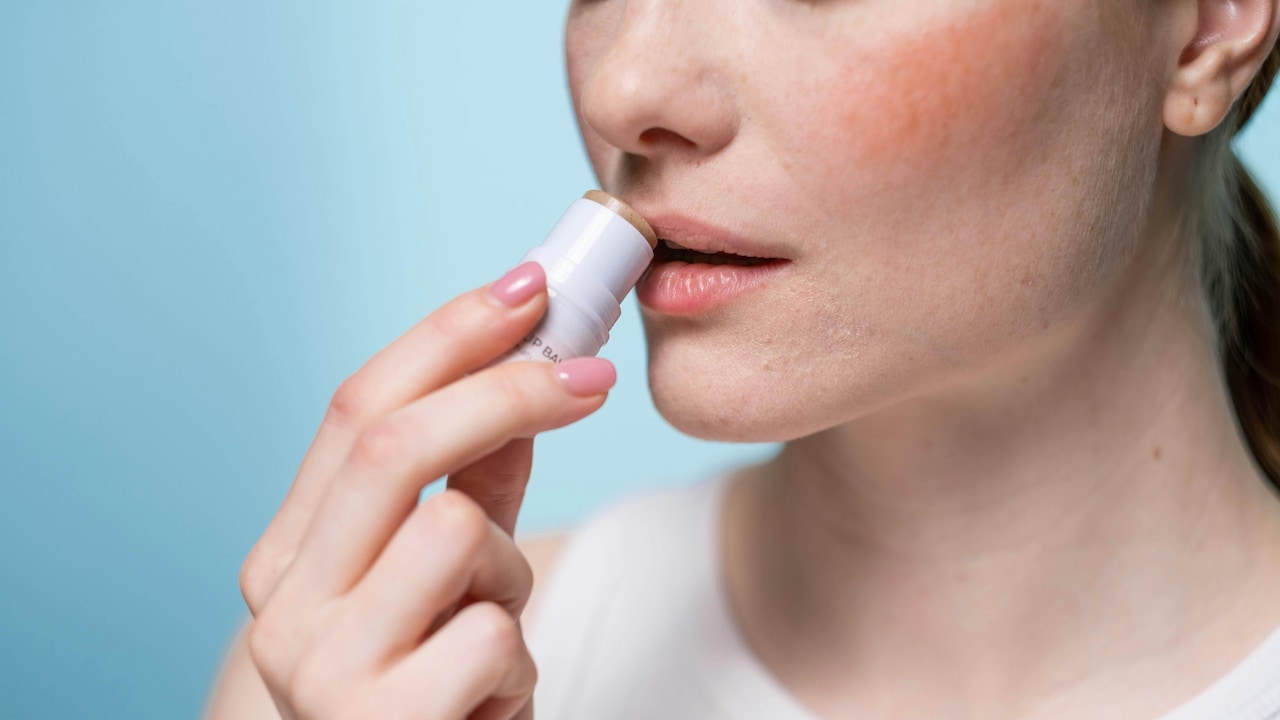
What Makes a Lip Balm Effective? Here Are The Ingredients That Truly Heal Dry Lips.
Dry lips rarely feel like a serious issue until they sting, crack, or peel mid-conversation. Suddenly, smiling hurts. Talking feels awkward. Even morning tea turns uncomfortable. Despite shelves stacked with colourful tubes and tempting flavours, relief often stays temporary. That happens because most people choose lip balms by smell, brand name, or impulse rather than ingredients.
Lips differ from the rest of the skin. They lack oil glands, making them vulnerable to moisture loss. Weather changes, pollution, dehydration, and habitual lip licking only make matters worse. A good lip balm should protect, repair, and nourish. A bad one offers short-lived shine followed by tighter dryness.
This article explores ingredients that genuinely help dry lips recover and stay soft. Each section focuses on one hero component, explaining how it works and why it matters. Think of this as a friendly chat with clarity, not a chemistry lecture. The goal stays simple: healthier lips that feel comfortable all day.
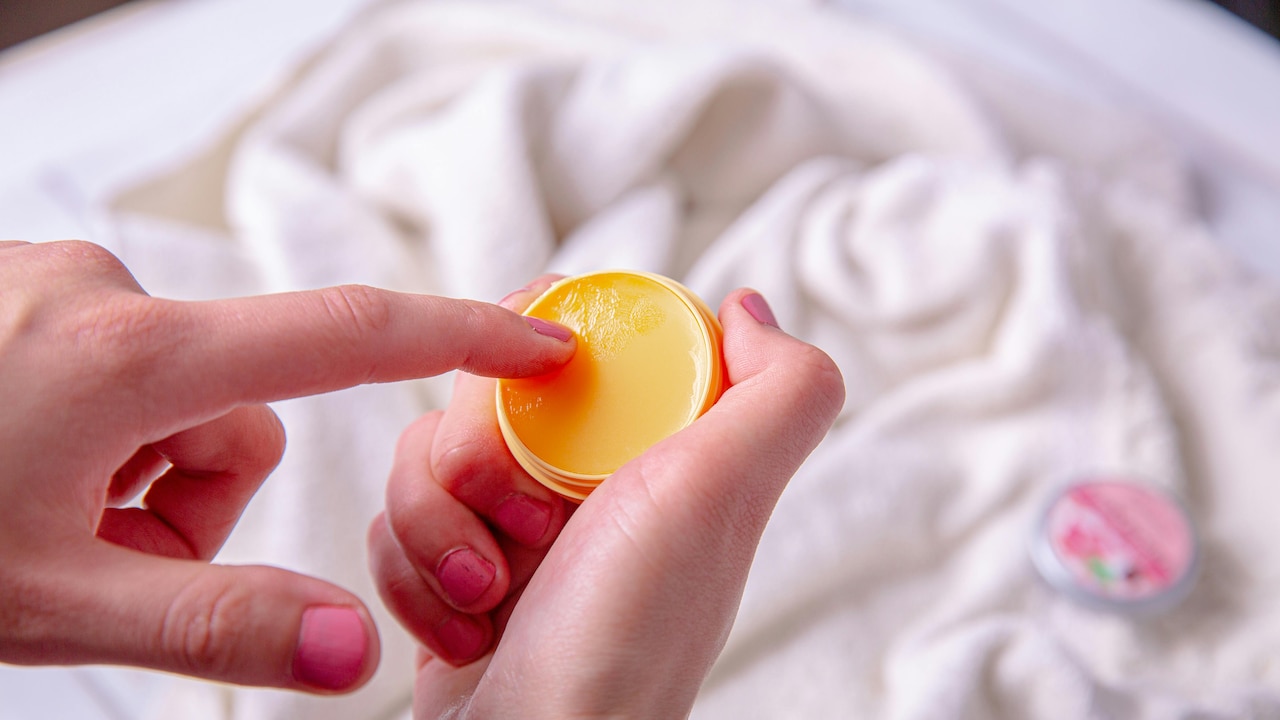
Best Lip Balms for Dry Lips: Ingredients That Actually Work; Photo Credit: Pexels
A Closer Look At Ingredients That Make A Difference
1. Beeswax: The Unsung Protector
Beeswax rarely steals the spotlight, yet it quietly does the heavy lifting in many effective lip balms. This natural wax forms a breathable barrier over the lips, locking in moisture without feeling heavy or sticky. Unlike petroleum-based occlusives, beeswax allows the skin to breathe while still guarding against harsh winds and dry indoor air.
For daily commuters facing dust and sun exposure, beeswax acts like a soft shield. It prevents further moisture loss while supporting healing. Another bonus lies in its texture. Beeswax gives lip balm structure, preventing that annoying melting-in-the-pocket situation during hot afternoons.
Sensitive lips benefit, too. Beeswax rarely causes irritation and suits most skin types. When paired with nourishing oils, it creates a balanced formula that lasts longer than glossy alternatives. Look for beeswax high on the ingredient list. That placement signals real protection rather than decorative marketing.
Dry lips crave consistency. Beeswax delivers exactly that, quietly and reliably, without demanding constant reapplication.
2. Shea Butter: Deep Comfort in a Swipe
Shea butter brings comfort the moment it touches dry lips. Extracted from shea nuts, this creamy ingredient works as an emollient, meaning it softens and smoothens cracked skin. It seeps into tiny fissures, easing tightness and reducing flakiness within minutes.
What sets shea butter apart is its fatty acid profile. These natural fats mimic the skin's own lipids, helping repair the moisture barrier rather than sitting on top. That makes it ideal for lips that feel rough even after repeated balm use.
Another strength lies in its mild anti-inflammatory properties. Lips irritated by sun exposure, spicy food, or over-exfoliation calm down faster with shea butter in the mix. The texture feels rich yet non-greasy, making it suitable for both daytime and overnight use.
A good shea butter balm feels comforting without turning waxy. When dryness feels stubborn, this ingredient often makes the difference between temporary relief and genuine recovery.
Also Read: Try These 5 Lip Balms To Stay Hydrated And On The Trend This Season
3. Coconut Oil: Nourishment with Caution
Coconut oil enjoys cult status in skincare routines, and lips benefit too, when used wisely. Rich in medium-chain fatty acids, coconut oil moisturises and adds softness quickly. It melts at body temperature, spreading easily across the lips and giving that immediate smooth feel.
However, coconut oil works best as part of a blend. On its own, it absorbs fast and may not provide lasting protection against moisture loss. That means lips might feel dry again sooner than expected, especially in cold or air-conditioned environments.
Its mild antibacterial properties offer a bonus for lips prone to tiny cracks. Those small openings often invite discomfort, and coconut oil helps keep things clean while soothing irritation.
People who enjoy lighter textures appreciate coconut oil-based balms for daytime use. They feel comfortable, smell pleasant, and suit quick touch-ups. For severe dryness, pairing coconut oil with waxes or butters brings better results.
4. Cocoa Butter: The Repair Specialist
Cocoa butter feels indulgent, yet its benefits go beyond luxury. This rich butter excels at repairing damaged lips. Packed with fatty acids, it strengthens the skin barrier and improves elasticity, which helps prevent further cracking.
Lips exposed to frequent temperature changes often lose flexibility. Cocoa butter restores that softness, making lips feel resilient again. Its dense texture also means longer-lasting coverage, reducing the need for constant reapplication.
Another advantage lies in its natural antioxidants. These compounds support skin health and combat environmental stressors. For city dwellers facing pollution daily, cocoa butter offers subtle yet meaningful protection.
The familiar chocolatey aroma adds a comforting touch, turning lip care into a small pleasure rather than a chore. Cocoa butter suits overnight treatments particularly well. Applied before bed, it works through the night, leaving lips smoother by morning.
When dryness feels deep-rooted, cocoa butter delivers the repair work lips quietly crave.

Best Lip Balms for Dry Lips: Ingredients That Actually Work; Photo Credit: Pexels
5. Lanolin: Nature's Moisture Magnet
Lanolin often sparks debate, yet it remains one of the most effective moisturisers for severely dry lips. Derived from wool, lanolin mimics skin's natural oils remarkably well. That similarity allows it to attract and hold moisture like a magnet.
Unlike many plant oils, lanolin penetrates deeply, soothing lips from within. It works wonders on lips that crack, peel, or bleed, especially during winter or illness. Many nursing balms rely on lanolin for good reason.
Texture-wise, lanolin feels thick initially but warms and spreads easily. Once settled, it creates a protective layer that lasts for hours. That longevity reduces the urge to keep reapplying balm throughout the day.
Some prefer plant-only formulas, which makes lanolin a personal choice. Still, for lips that refuse to heal, few ingredients match its effectiveness. A small amount goes a long way, making it both practical and economical over time.
6. Vitamin E: The Supportive Healer
Vitamin E rarely works alone, yet it plays a crucial supporting role in lip care. Known for its antioxidant properties, it helps protect lips from environmental damage caused by sun exposure and pollution. That protection becomes vital for lips that darken or feel rough over time.
Beyond defence, vitamin E aids healing. It supports skin repair, making it helpful for lips recovering from cracks or minor cuts. Many balms include it to enhance the effectiveness of oils and butters.
Texture matters too. Vitamin E adds a slight thickness, improving glide and comfort. It reduces that thin, slippery feeling found in cheaper formulas. Lips feel cushioned rather than coated.
While vitamin E may not transform lips overnight, its consistent use strengthens overall lip health. Think of it as a quiet team player that keeps things balanced, smooth, and protected, especially when combined with richer moisturising ingredients.
7. Hyaluronic Acid: Hydration Without Heaviness
Hyaluronic acid sounds technical, yet its job stays simple. It attracts water and holds it within the skin. In lip balms, this ingredient hydrates without adding weight or greasiness.
Dry lips often lack water rather than oil alone. Hyaluronic acid addresses that gap by drawing moisture into the skin. The result feels plump, smooth, and comfortable, even in dry climates.
Balms with hyaluronic acid suit daytime wear. They absorb well and layer nicely under lipstick. No sliding, no smudging, just soft lips that behave.
One caveat exists. Hyaluronic acid needs a protective layer on top to prevent moisture loss. When combined with waxes or butters, it performs beautifully. On its own, hydration may evaporate quickly.
For those who dislike heavy textures yet want real hydration, this ingredient offers a refreshing solution that feels modern and effective.

Best Lip Balms for Dry Lips: Ingredients That Actually Work; Photo Credit: Pexels
8. Natural Oils: Almond, Jojoba, and Olive
Natural oils form the heart of many nourishing lip balms. Almond oil, jojoba oil, and olive oil each bring unique benefits. Almond oil softens and soothes, making it ideal for sensitive lips. Jojoba oil closely resembles natural sebum, helping balance moisture without clogging. Olive oil offers deep nourishment and antioxidants.
These oils improve lip texture over time rather than delivering instant shine alone. They work best when blended with occlusives that seal in moisture. Together, they create a well-rounded formula that feels caring rather than cosmetic.
Daily habits influence results too. Applying an oil-rich balm before stepping out into the sun or dust offers added protection. At night, these oils support repair and softness.
Simple ingredients often outperform flashy trends. Natural oils prove that effective lip care does not need complexity, just thoughtful combinations and regular use.
9. Ingredients That Worsen Dryness
Not all lip balms help. Some quietly worsen dryness despite promising relief. Menthol, camphor, and strong mint extracts create a cooling sensation that feels soothing at first. Over time, they irritate delicate lip skin, leading to more dryness.
Fragrances and artificial flavours also cause trouble. They smell delightful yet often trigger sensitivity. Lips respond with peeling, stinging, or dependence on frequent reapplication.
Alcohol-based ingredients deserve caution, too. They evaporate quickly, taking moisture with them. That leaves lips drier than before.
Reading labels matters. If lips feel better briefly and worse soon after, the formula likely contains irritants. True care focuses on repair, not sensation. Choosing gentle, nourishing ingredients breaks the cycle of dryness and disappointment.
10. Texture, Habit, and Consistency Matter
Even the best ingredients fail without the right habits. Lip balm works best when applied consistently, especially before exposure to harsh conditions. Waiting until lips crack delays healing.
Texture preference matters too. A balm that feels unpleasant rarely gets used. Some prefer thick overnight treatments. Others need lightweight daytime comfort. Finding a texture that fits daily routines ensures regular application.
Hydration plays a role as well. Drinking enough water supports lip health from within. External care works better when the body stays hydrated.
A quality lip balm costs less than ₹300 in many cases and lasts months. That small investment saves discomfort and constant product hopping. Healthy lips result from smart ingredients paired with mindful habits, not miracle claims.
Products Related To This Article
1. DOT & KEY Meltie SPF 50+ Lip Balm with 2% Kojic & Shea Butter 4g
2. WishCare Unisex Ceramide Tinted Lip Balm with SPF50PA+++
3. SUGAR Tipsy Lips Moisturizing Balm 4.5 g- 06 Mango Margarita
4. The Derma co. 1% Ceramide Complex Lip Balm For Dry & Chapped Lips
5. Hyphen Tinted Lip Balm with 1% Vit E & 2% Squalane to Brighten & Moisturize 10g
6. Renee Lip Fix Lip Balm 1.6g
7. Sebamed Lip Defense SPF30 Lip Balm with Vit E & Jojoba Oil 4.8g
Dry lips may seem minor, yet they affect comfort, confidence, and daily interactions more than expected. The solution lies not in chasing trends but in understanding ingredients. Beeswax protects, butters repair, oils nourish, and humectants hydrate. Together, they create balance.
Choosing the right lip balm becomes easier when labels make sense. Avoid irritants, embrace nourishment, and stay consistent. Lips respond quickly to thoughtful care, rewarding patience with softness and resilience.
In the end, good lip care feels simple. A small tube in a pocket, applied with intention, keeps smiles comfortable through changing seasons, long commutes, and everyday moments. That quiet comfort speaks volumes.
(Disclaimer: This article may include references to or features of products and services made available through affiliate marketing campaigns. NDTV Convergence Limited (“NDTV”) strives to maintain editorial independence while participating in such campaigns. NDTV does not assume responsibility for the performance or claims of any featured products or services.)