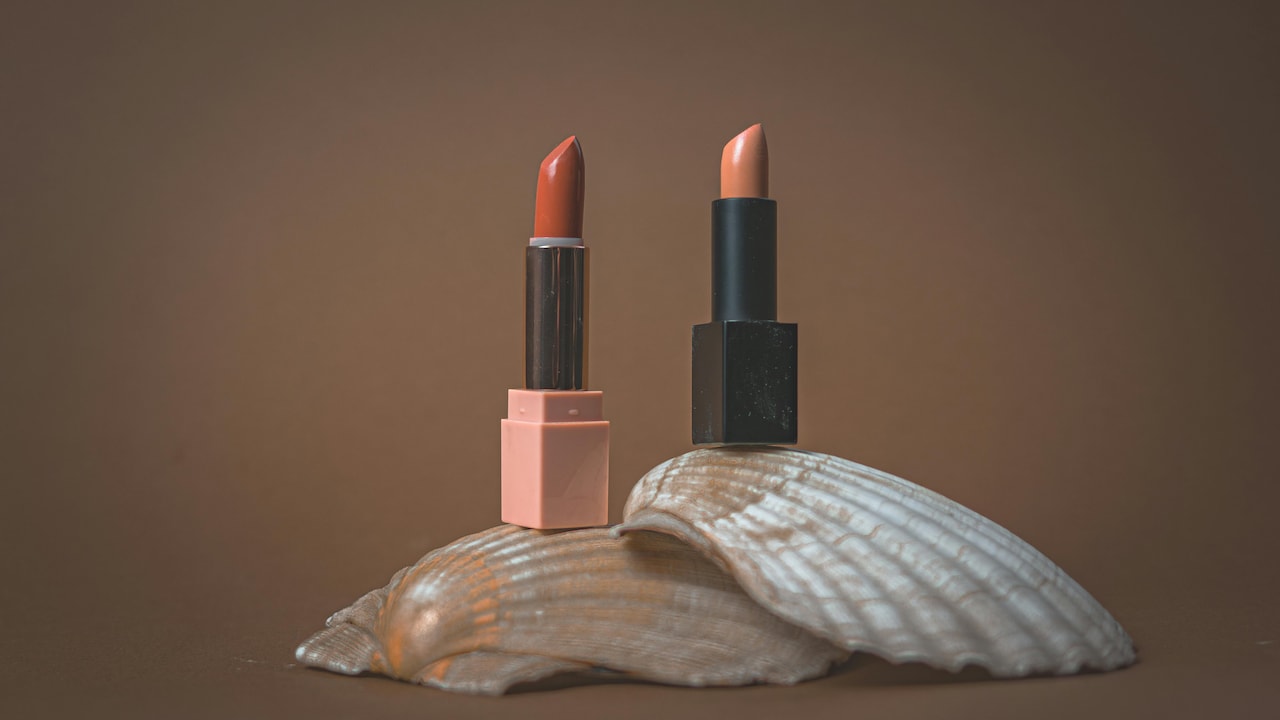
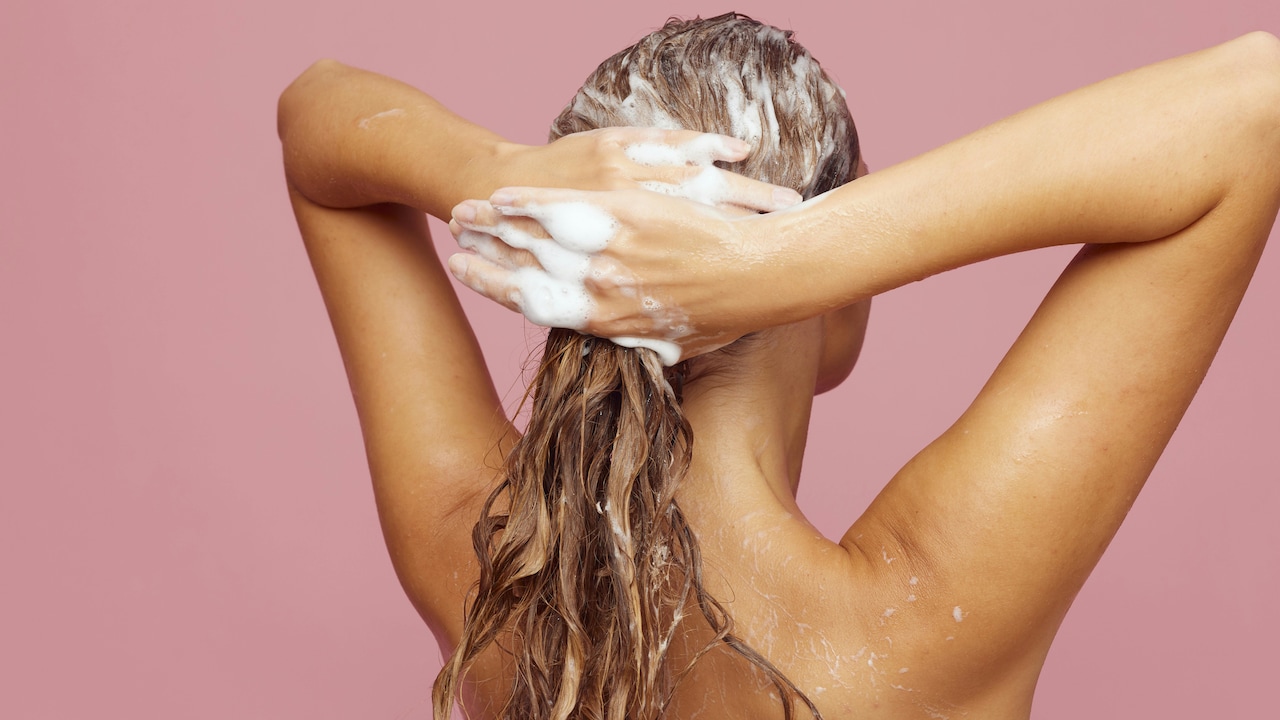
Top Liquid Lipsticks: Long-Wear Hacks To Keep Your Lips Comfortable And Prevent Stickiness
Liquid lipsticks don’t have to feel dry or sticky. Learn easy long-wear hacks to keep colour comfortable, smooth and transfer-resistant — even through meals, humidity and long days.
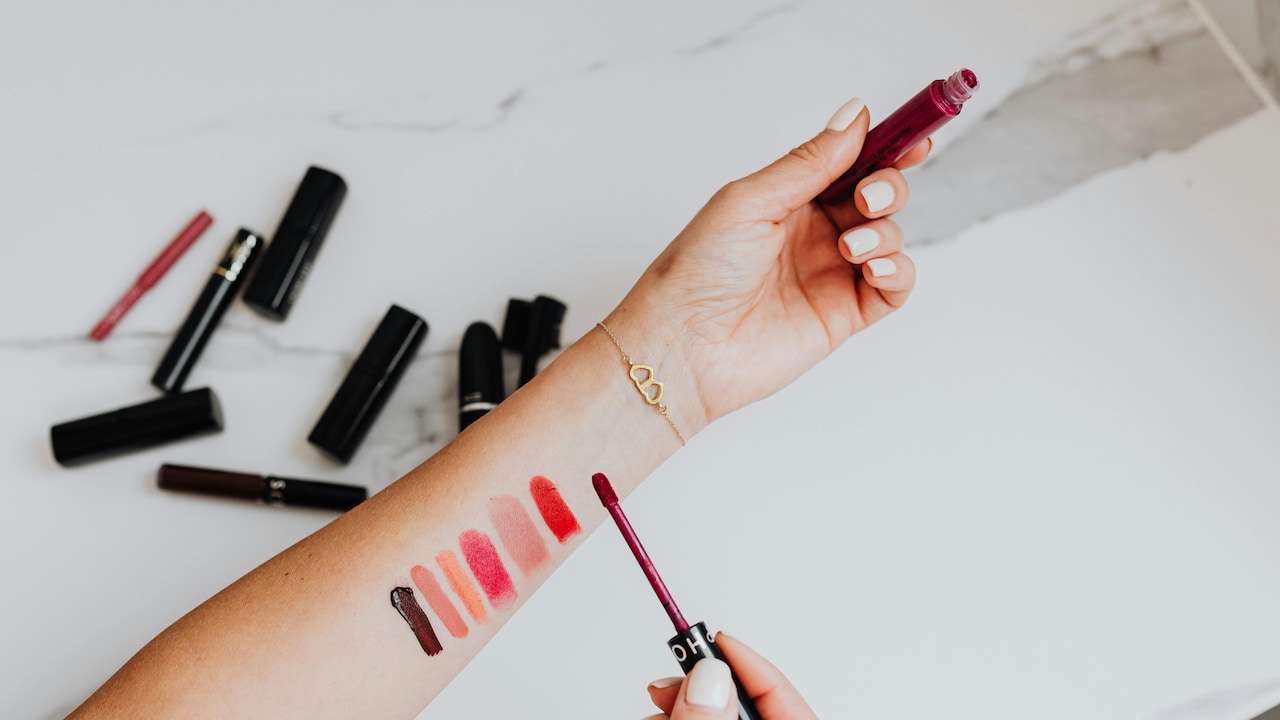
Top Liquid Lipsticks: Before You Reapply Again, Here Are 10 Simple Hacks That Actually Work.
Liquid lipstick is a bit like a strong cup of coffee. When it's good, it makes everything feel more put-together. When it's bad, it leaves regret and a slightly chaotic mood. Many people love liquid lipsticks because they look crisp and stay put through long workdays, humid weather, weddings, metro rides, and those “just one more snack” moments.
But the biggest complaint stays the same: comfort. Some formulas feel like paint. Some stay tacky for ages. Some look perfect for twenty minutes and then start breaking up like a bad relationship. The trick is not only choosing the right liquid lipstick, but also wearing it the right way.
This is not a lecture. It's a friendly, practical cheat sheet for getting that smooth, long-wear finish without the sticky drama.
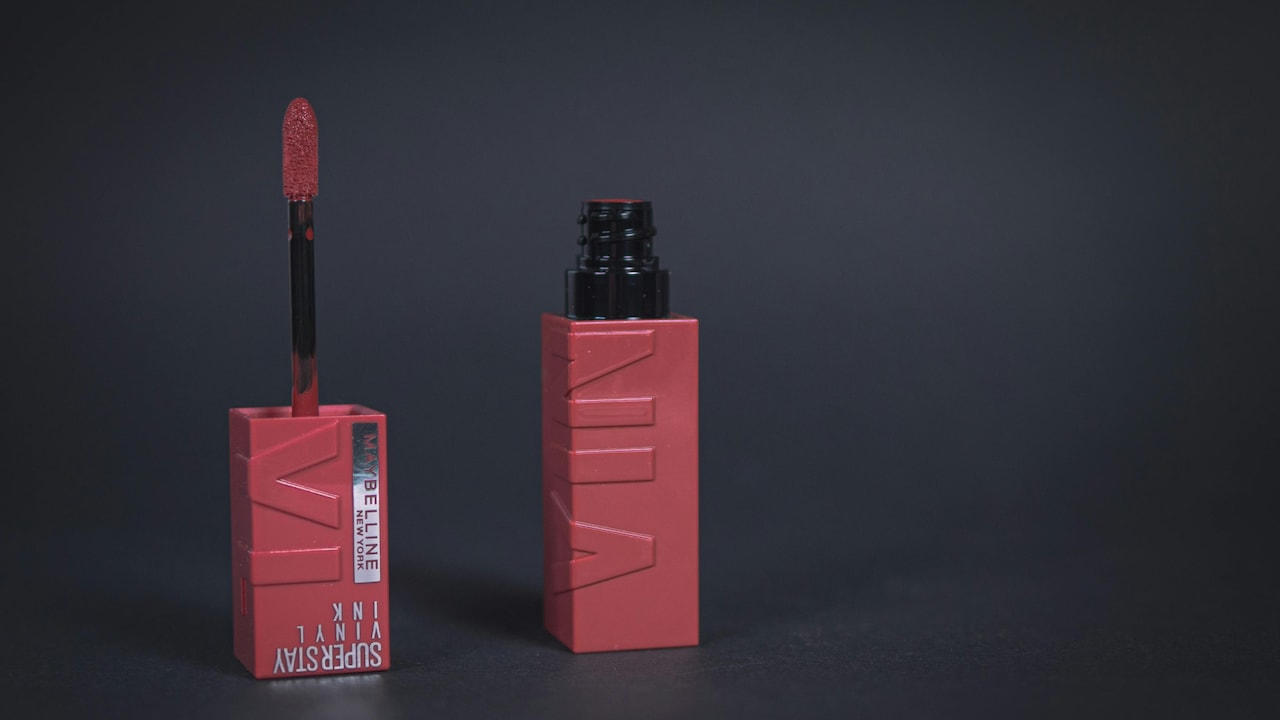
Before You Reapply Again: 10 Simple Hacks That Actually Work
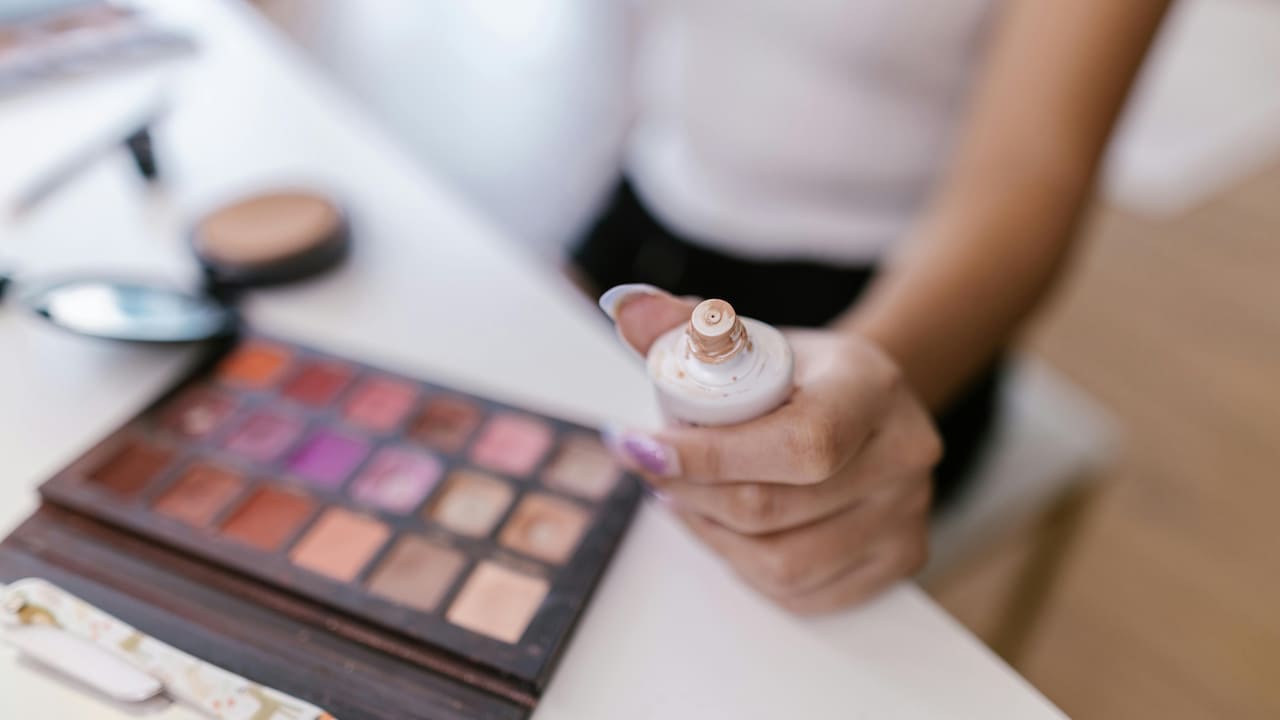
Photo Credit: Pexels
Top Liquid Lipsticks: 10 Long-Wear Hacks To Prevent Stickiness And Dry Lips
1) Pick a Formula That Matches the Weather (And Your Patience)
Liquid lipsticks are not one single category. They behave differently depending on texture, finish, and climate. In hot and humid cities, ultra-matte formulas can dry down fast but may also cling to every dry patch. In cooler weather, creamy matte liquids feel more forgiving, but some can remain slightly tacky.
A smart approach is choosing based on what the day looks like. For a long office day with tea breaks and lunch, a lightweight matte that sets fully works best. For weddings or long events where lips may need touching up, a comfortable mousse-like liquid lipstick can look softer and fade more gracefully.
The biggest hack is not chasing the driest matte just because it promises “24 hours”. Most people do not need 24 hours of lipstick. They need 6 to 10 hours with comfort, good fading, and no weird inner-lip patchiness. A lipstick that wears off evenly often looks better than one that cracks but refuses to leave.
2) Lip Prep Is Not Optional, It's the Whole Game
A liquid lipstick is like a spotlight. It highlights everything: dryness, texture, and even the tiny line that appears when smiling. Skipping lip prep is the fastest way to end up with that flaky, crusty look by mid-day.
The simplest routine works best. A gentle lip scrub once or twice a week helps, but the real hero is hydration. A thin layer of lip balm applied 10 to 15 minutes before lipstick makes a difference. The key word is thin. A thick layer will stop the liquid lipstick from setting properly and can cause sliding.
A good trick is wiping the lips lightly with tissue after the balm settles. Lips stay smooth, but the surface becomes clean enough for the lipstick to grip. It's a small step, but it changes everything. Think of it as ironing clothes before stepping out. Nobody notices the ironing. Everyone notices the wrinkles.
3) Use a Lip Liner Like a Seatbelt, Not Like Decoration
Many people skip lip liner because liquid lipstick already has a wand and seems precise. That confidence disappears the moment the lipstick bleeds at the corners or fades unevenly after snacks.
Lip liner helps in three ways. It creates a clean boundary, it stops feathering, and it improves wear time. The trick is choosing a liner close to the lipstick shade and blending it slightly inward. That soft base makes the liquid lipstick grip better and fade more evenly.
For darker shades like deep berry, wine, or brown, liner becomes even more important. Without it, the colour can migrate and create a messy outline. With it, the lipstick stays where it belongs.
The best part is that a liner also saves money. When the lipstick fades from the centre, the outline still looks neat. A quick dab in the middle and the whole look returns, without needing to repaint the entire mouth like a wall.
4) Apply Thin Layers, Because Thick Layers Always Betray You
Liquid lipstick marketing often shows one swipe perfection. Real life is not a studio. One heavy coat is the biggest reason for stickiness, cracking, and that uncomfortable tight feeling.
A thin layer sets faster, feels lighter, and lasts longer. The easiest method is applying a small amount to the centre of the lips first, then spreading outward. If more coverage is needed, add a second very thin layer after the first dries fully.
This is also how to avoid the dreaded “inner lip ring” where the lipstick disappears near the mouth opening. Thick layers break apart faster with talking and eating. Thin layers bond better.
There's also a practical benefit: less product means less transfer. It sounds obvious, but many people forget it in the rush. Liquid lipstick is not like lip gloss. More does not mean better. More usually means mess.
5) Let It Dry Properly, Even If It Feels Like Waiting for a Train
Impatience ruins liquid lipstick. Pressing lips together too soon, talking too much during the first minute, or layering before it sets leads to tackiness.
A good liquid lipstick needs a short drying window. During that time, avoid rubbing lips together like checking if it has dried. That movement breaks the film before it forms. It's the lipstick version of opening the oven repeatedly while baking.
A practical hack is doing the rest of makeup while it dries. Apply blush, fix brows, or put on earrings. Give it 60 to 90 seconds. Once set, it becomes more comfortable and more transfer-resistant.
If the lipstick still feels sticky after several minutes, that is not your fault. That formula may simply not set fully. Some creamy liquid lipsticks stay slightly tacky by design. In that case, there's a fix: a tiny dusting of translucent powder on the lips, pressed gently through tissue.
6) Stop Stickiness With the Tissue-and-Powder Trick
This hack feels old-school, but it works like magic. It's especially useful for creamy mattes that look beautiful but remain slightly tacky.
After applying the lipstick and letting it dry, place a single layer of tissue over the lips. Then lightly tap translucent powder over the tissue using a fluffy brush. The tissue acts as a filter, so only a tiny amount of powder reaches the lips. This reduces tackiness without making the lipstick look dusty.
It also boosts wear time. In humid weather, this trick helps keep the lipstick from breaking down too quickly. It's the same logic as setting foundation. A thin powder layer controls slip.
The key is being gentle. Heavy powder makes lips look flat and dry. A light touch keeps the finish smooth. The goal is comfort, not turning the lips into a chalkboard.
This is especially useful during weddings or long events when lipstick needs to stay presentable through food, photos, and endless conversations.
7) Avoid the “Cracked Desert” Look With a Micro-Balm Tap
Many people believe matte liquid lipstick means no balm allowed. That's partly true. A thick balm layer ruins the finish. But a tiny amount, applied the right way, can improve comfort without destroying wear.
The trick is using the smallest possible dab of balm or lip oil and tapping it gently onto the lips after the lipstick sets. It should not look glossy. It should not feel slippery. It should feel like the lips can breathe again.
This works best with very dry matte formulas. It also helps when lips start feeling tight in air-conditioned offices. The lipstick stays intact, but the discomfort reduces.
Another version of this hack is using a hydrating setting spray sprayed onto a clean finger, then tapping it lightly on the lips. It sounds extra, but it's surprisingly effective when lips feel tight.
Comfort matters because uncomfortable lipstick makes people touch their lips more, and touching ruins lipstick faster than any meal.
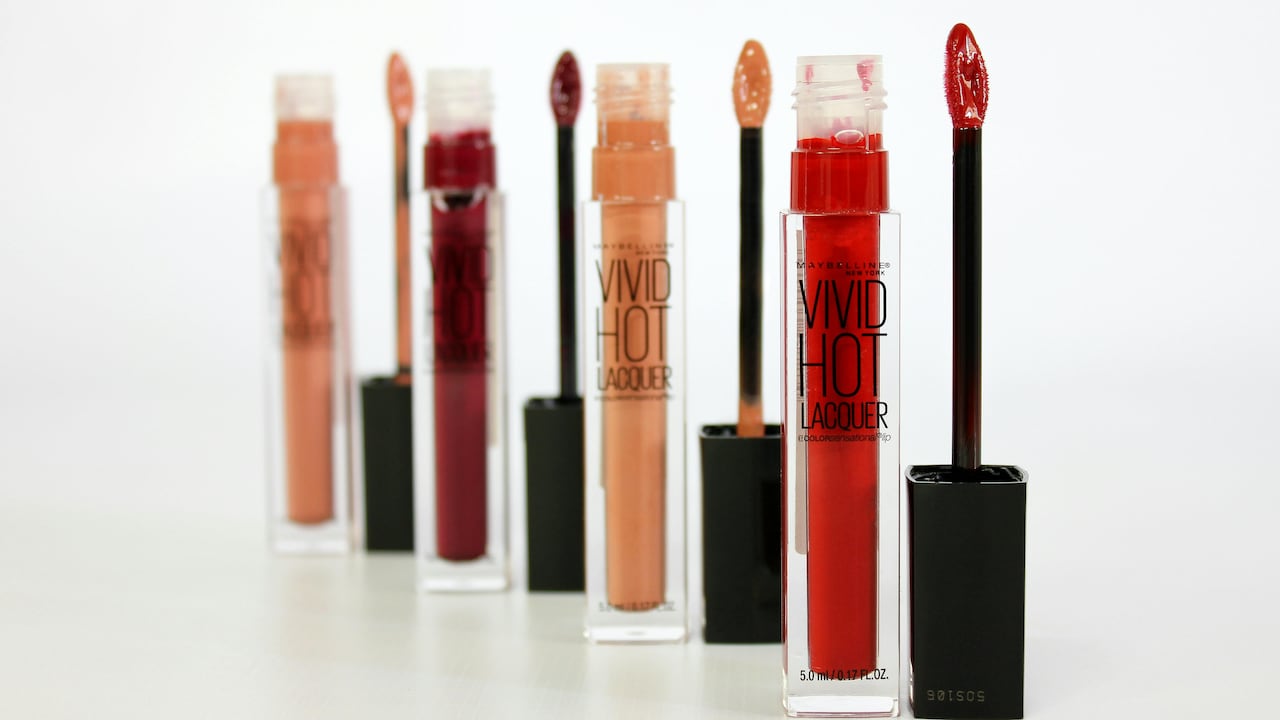
Before You Reapply Again: 10 Simple Hacks That Actually Work
Photo Credit: Pexels
8) Choose Shades That Fade Gracefully, Not Just Dramatically
Not all shades behave the same. Bright reds and deep plums can fade in a way that looks patchy if the formula is not great. Nude shades can turn uneven or cling to dry patches. Some pinks leave a weird stain that looks nothing like the original shade.
A smart long-wear choice is picking shades that look good even when they fade. Soft browns, rosy nudes, muted mauves, and warm terracotta tones usually wear off more naturally. They blend with the natural lip colour and don't scream for attention when they start fading.
For bolder looks, choosing a stain-like liquid lipstick helps. These tend to leave a softer tint even after the top layer wears away. That means fewer touch-ups and less panic after meals.
Also, lighting matters. A lipstick that looks stunning in bedroom lighting can look too stark in daylight. Testing a shade near a window is a simple way to avoid surprise regret.
9) Eat Smart Without Living in Fear of Your Own Lipstick
Liquid lipstick is strong, but it's not invincible. The biggest enemies are oily foods, very spicy gravies, and anything that requires wide-mouth biting. Yes, that includes burgers, rolls, and certain types of street food that demand commitment.
But there's no need to live like a cautious robot. A few simple habits help. Taking smaller bites, using a spoon for oily dishes, and blotting lips after eating can keep lipstick looking decent.
The best trick is touching up only the centre of the lips instead of layering on top of everything. Over-layering creates texture and thickness, which cracks faster.
Another hack is carrying a small lip brush. It makes touch-ups cleaner than using the wand, especially in public. Nobody wants to fight a liquid lipstick wand in a moving auto.
Makeup should support real life, not restrict it. If a lipstick forces fear around food, it's either the wrong formula or the wrong expectations.
10) Know When to Quit: Removing Properly Protects Lips Long-Term
The secret to enjoying liquid lipsticks is not only application. It's removal. Many people scrub their lips aggressively at night, which causes dryness and makes the next day's lipstick look worse.
A good oil-based remover, cleansing balm, or micellar water designed for waterproof makeup works best. Hold the soaked cotton on the lips for a few seconds before wiping. Let the product do the work. Rubbing hard is a fast track to sore lips.
After removal, apply a nourishing balm and let it sit overnight. This helps lips recover, especially if matte lipstick is worn often.
A useful habit is taking “lipstick breaks” on some days. A tinted balm or comfortable gloss can give lips a rest. Long-wear makeup is fun, but skin still needs recovery time.
In the long run, healthy lips make every lipstick look better. No product can fully hide dryness, but consistent care can reduce it dramatically.
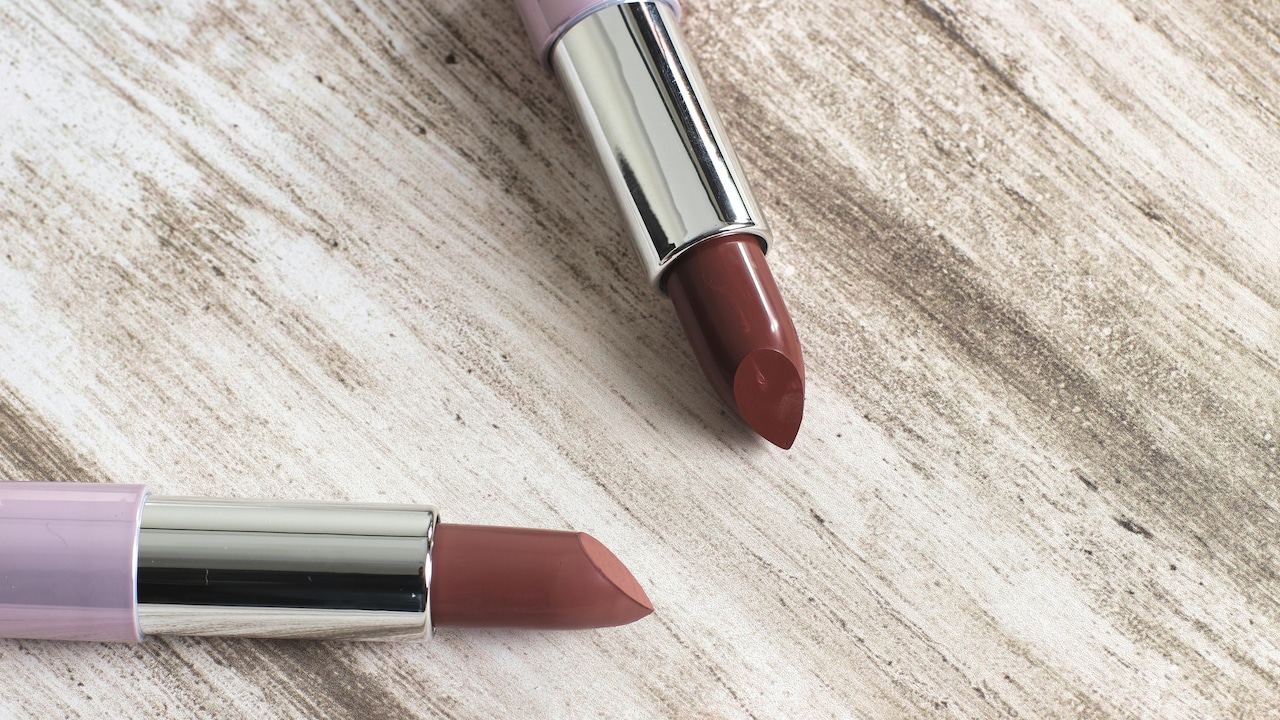
Before You Reapply Again: 10 Simple Hacks That Actually Work
Photo Credit: Pexels
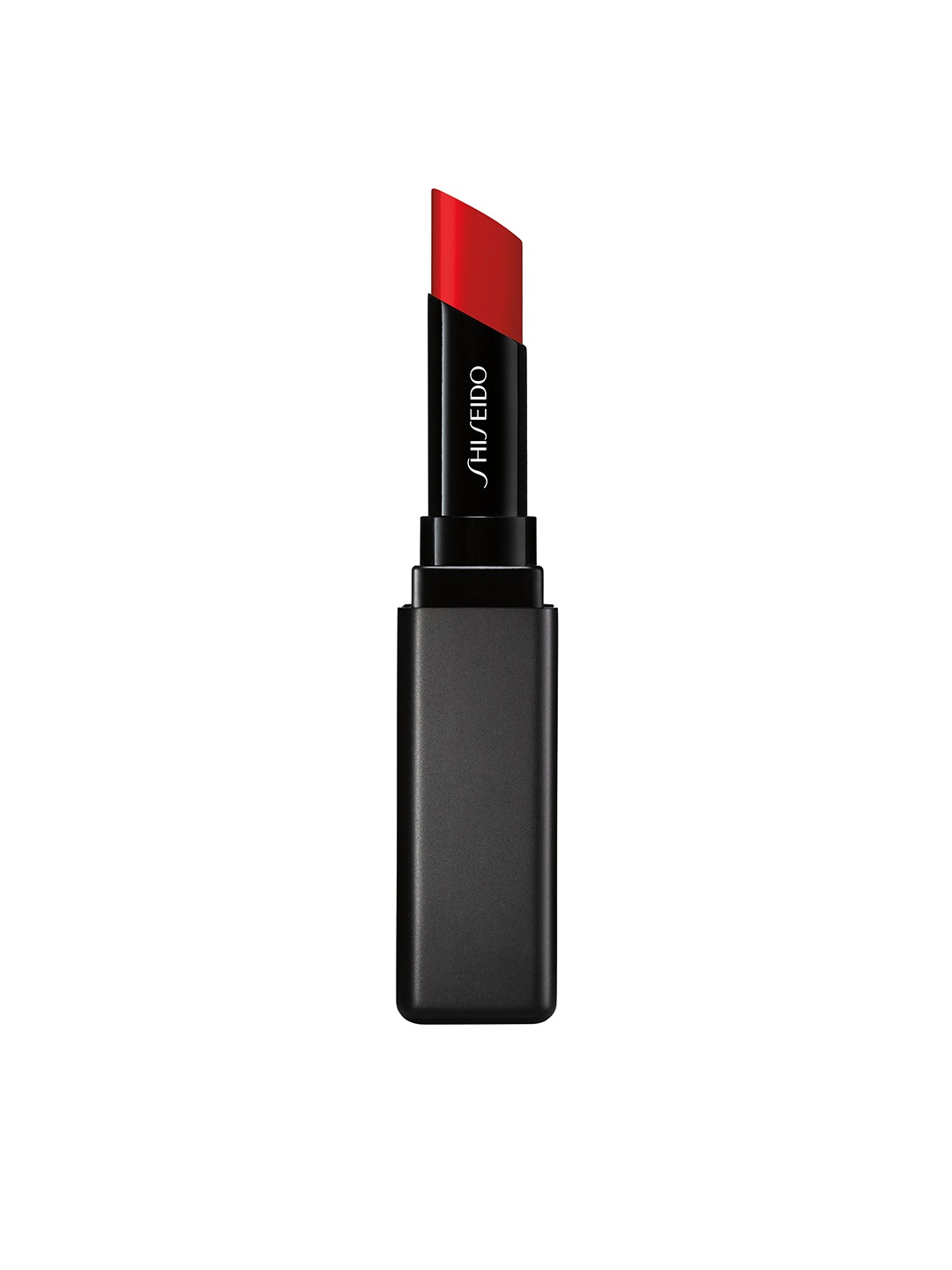
Products Related To This Article
1. Maybelline New York Sensational Liquid Matte
3. Fope Lipstick Gift Combo
2. Blushis Non Transfer Insta Beauty Waterproof Longlast Sensational Liquid Matte Mini Lipstick
3. Fope Lipstick Gift Combo
4. Verymiss Kiss Proof Liquid Lipstick
5. Parul Garg Silk Matte-liquid-lipstick
Liquid lipsticks can be brilliant, but they need strategy. The best results come from choosing a comfortable formula, prepping lips properly, applying thin layers, and setting the finish without overdoing it. Small hacks like tissue-and-powder or a micro-balm tap can turn a sticky, uncomfortable lipstick into a wearable favourite.
Long-wear should feel like confidence, not like punishment. With the right approach, liquid lipstick can survive long days, humid weather, food breaks, and endless conversations while still keeping lips soft and comfortable. And honestly, that's the dream: bold colour, zero stickiness, and enough comfort to smile without fear.
(Disclaimer: This article may include references to or features of products and services made available through affiliate marketing campaigns. NDTV Convergence Limited (“NDTV”) strives to maintain editorial independence while participating in such campaigns. NDTV does not assume responsibility for the performance or claims of any featured products or services.)