Vitamin C Serums That Oxidise Quickly: How to Identify a Truly Stable Formula
Vitamin C serums oxidise faster than most people realise. Learn how to spot unstable formulas, understand why oxidation happens, and identify packaging and ingredients that keep vitamin C effective till the last drop.
Vitamin C Serums That Oxidise Quickly: How To Identify A Stable Formula That Works.
Vitamin C has earned cult status in skincare. Dermatologists praise it. Beauty influencers swear by it. Friends recommend it with the same enthusiasm as a trusted home remedy. Yet disappointment often follows. A serum darkens within weeks. The glow never arrives. Breakouts appear instead.
Oxidation sits at the heart of the problem. Vitamin C, especially in its pure form, reacts easily with air, light and heat. Once oxidised, it loses potency and can even irritate skin. Many serums on the market struggle to stay stable long enough to finish the bottle.
Understanding stability feels confusing, wrapped in chemistry terms and marketing jargon. This article breaks it down in plain language. From packaging tricks to ingredient lists, every clue matters. With a little knowledge, glowing skin stops feeling like a gamble and starts becoming a smart choice.
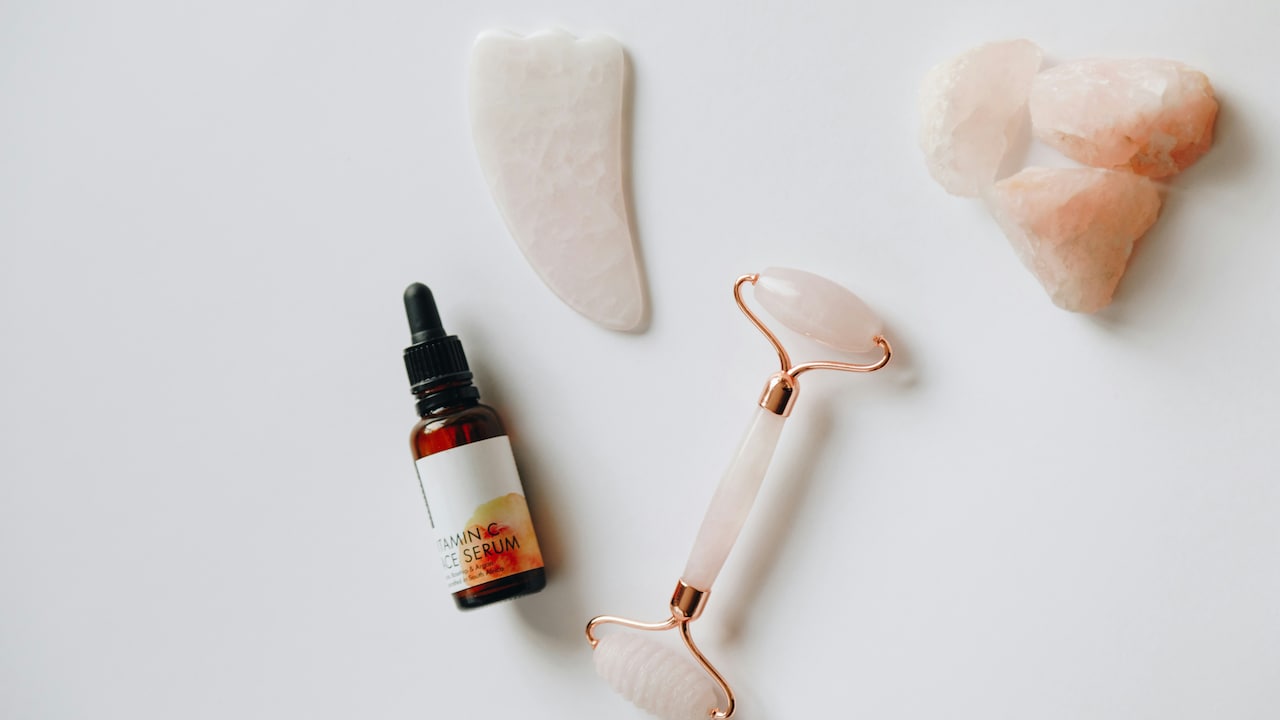
Vitamin C Serums That Oxidise Quickly: How to Identify a Truly Stable Formula
Photo Credit: Unsplash
Before You Buy: How To Tell If Your Vitamin C Serum Will Actually Last
1. Why Vitamin C Oxidises Faster Than Expected
Vitamin C sounds sturdy, yet it behaves like a fragile fruit. Exposure to oxygen triggers rapid breakdown. Heat and sunlight speed up the process even more. In warm climates, this reaction happens faster, especially when bottles sit on dressing tables near windows.
Pure L-ascorbic acid remains the most effective form, but also the most unstable. Once it oxidises, the serum turns yellow, then orange, and finally brown. At that stage, the formula loses most benefits. Some users notice tingling or redness, which often signals oxidation rather than sensitivity.
Manufacturers sometimes ignore local conditions. A formula developed in cooler regions may not survive long journeys or hot storage spaces. Without stabilisers, the serum begins deteriorating before purchase. Understanding this vulnerability helps set realistic expectations and encourages smarter buying habits.
2. Colour Changes: The First Warning Sign
A fresh vitamin C serum should look clear or very pale. Any noticeable yellow tint suggests early oxidation. Dark orange or brown shades signal a product past its prime. Many users ignore this shift, assuming colour does not matter. In reality, colour tells the whole story.
Oxidised vitamin C not only loses strength but may also cause irritation. Instead of brightening skin, it can trigger dullness or uneven texture. Applying such a product feels like pouring spoiled juice on the face.
Checking colour regularly becomes a simple habit. Holding the bottle against white paper reveals subtle changes. If the shade deepens quickly, the formula lacks stability. Good serums stay clear for months, even with daily use, proving thoughtful formulation and proper packaging.
3. Packaging Plays a Bigger Role Than Ingredients
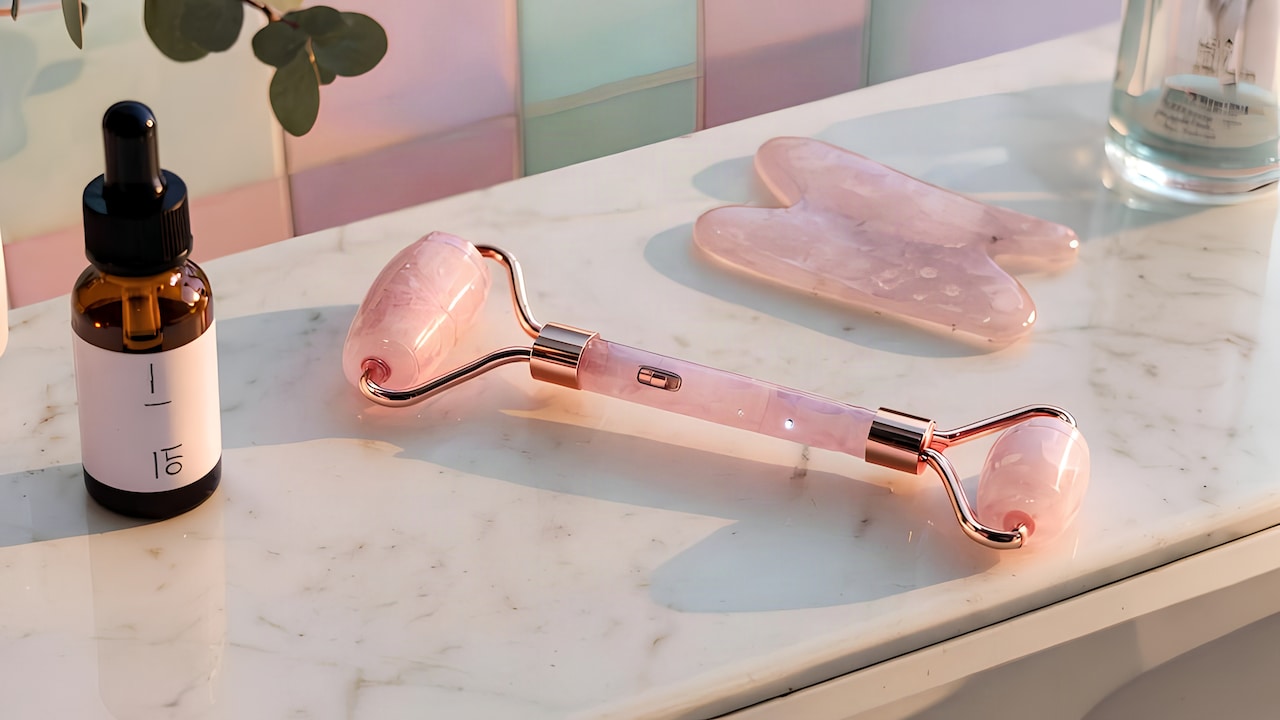
A brilliant formula can fail inside poor packaging. Transparent glass bottles look elegant, yet invite light exposure. Dropper bottles allow air to enter with every use. Each dropper squeeze speeds up oxidation.
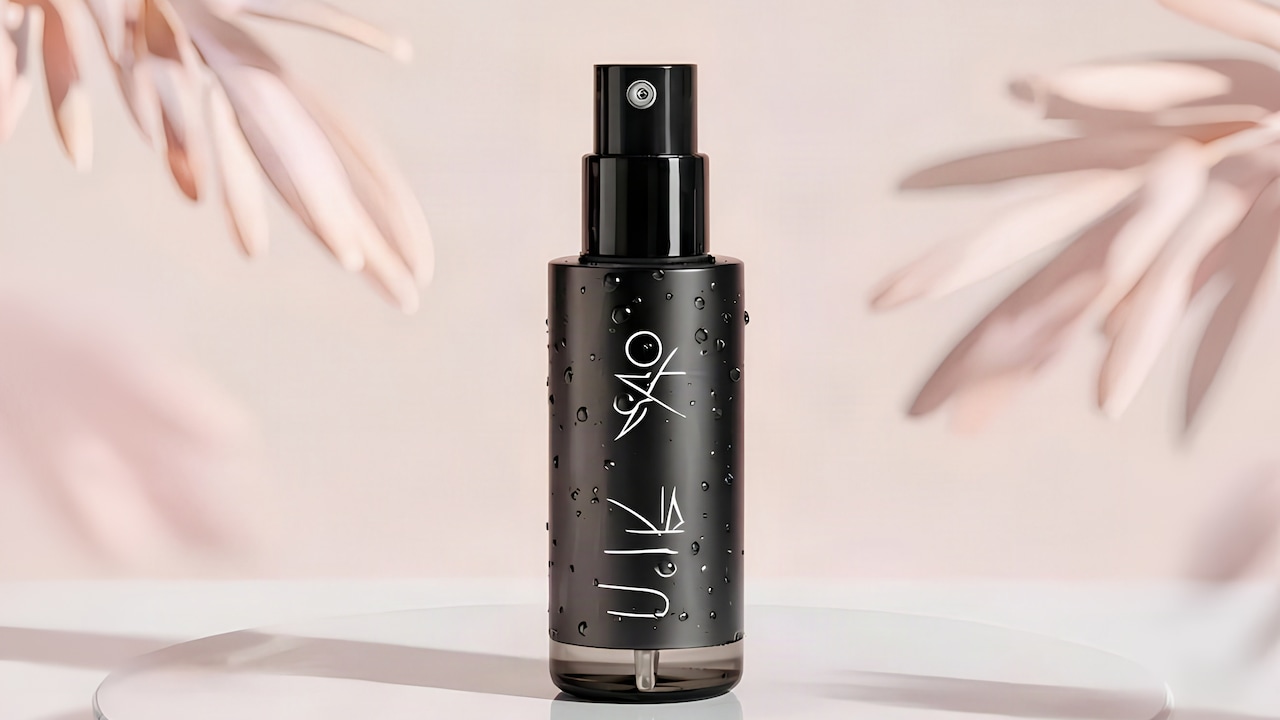
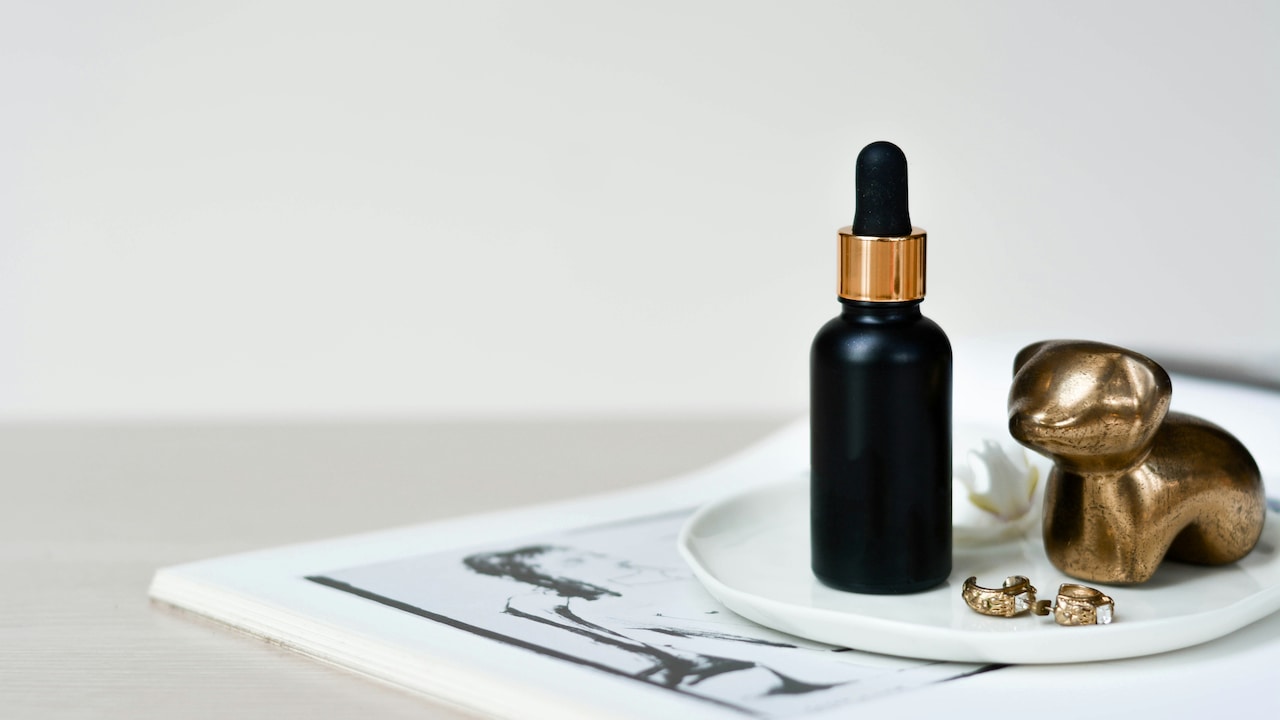
Airless pumps and opaque containers protect better. These designs limit contact with oxygen and block sunlight. Small details, such as narrow openings or sealed pumps, extend shelf life significantly.
Packaging also reflects brand priorities. Companies investing in protective containers often care about stability. Cheaper packaging choices hint at cost-cutting elsewhere. A sturdy, light-blocking bottle may feel less glamorous, but it protects the serum far more effectively than a pretty dropper ever could.
4. The Role of pH in Stability
Vitamin C thrives within a specific pH range. Too high and it loses effectiveness. Too low and irritation follows. Maintaining the right pH requires careful formulation and testing.
Stable serums usually sit between pH 2.5 and 3.5. Within this range, vitamin C penetrates skin and remains active longer. Poorly balanced formulas oxidise faster and feel harsh on sensitive skin.
Brands rarely print pH values clearly, yet clues exist. Excessive stinging or burning often suggests an imbalance. Well-formulated serums absorb smoothly with mild tingling at most. Consistent comfort often signals thoughtful chemistry behind the scenes.
5. Stabilising Ingredients That Make a Difference
Certain ingredients slow oxidation dramatically. Ferulic acid stands out as a star stabiliser. It enhances vitamin C performance and extends shelf life. Vitamin E works similarly, offering antioxidant support and improved skin benefits.
Together, these ingredients form a protective network. They reduce exposure damage and improve overall effectiveness. Serums lacking such companions often oxidise faster, even if the vitamin C concentration looks impressive on paper.
Reading ingredient lists helps. Short lists without stabilisers raise red flags. A balanced formula includes supportive antioxidants and chelating agents. These additions may sound technical, but they separate reliable products from disappointing ones.
6. Concentration Myths and Marketing Tricks
Higher percentages sound tempting. Labels boasting 20 per cent or more attract attention. Yet high concentration does not equal better results. In fact, excessive vitamin C destabilises formulas and irritates skin.
Most benefits appear between 10 and 15 per cent. Within this range, absorption remains effective without overwhelming the formula. Lower concentrations with good stability often outperform stronger yet unstable serums.
Marketing often focuses on numbers rather than formulation quality. A modest concentration paired with stabilisers and proper packaging delivers consistent results. Chasing high percentages often leads to wasted money and compromised skin health.
7. Storage Habits That Protect Potency
Even the best serum suffers under poor storage. Leaving bottles open or near heat sources speeds up oxidation. Bathrooms with steam and sunlight create harsh conditions.
Keeping vitamin C serums in cool, dark places extends lifespan. Some users store them inside refrigerators, though this step remains optional. Closing lids tightly after each use prevents air exposure.
Simple habits make a difference. Using clean hands or pumps avoids contamination. Finishing the bottle within the recommended timelines ensures maximum potency. Skincare thrives on consistency, not neglect.
8. Shelf Life Claims Versus Reality
Labels often promise long shelf lives. Twelve months or even twenty-four months appear common. These claims assume ideal storage conditions rarely achieved in everyday life.
Once opened, vitamin C begins interacting with air immediately. Realistic usage shortens effective lifespan. Many stable formulas remain potent for three to six months after opening.
Checking manufacturing dates helps. Fresher products perform better. Buying directly from trusted retailers reduces the risk of old stock. Shelf life claims serve as guidelines, not guarantees, especially for fragile ingredients like vitamin C.
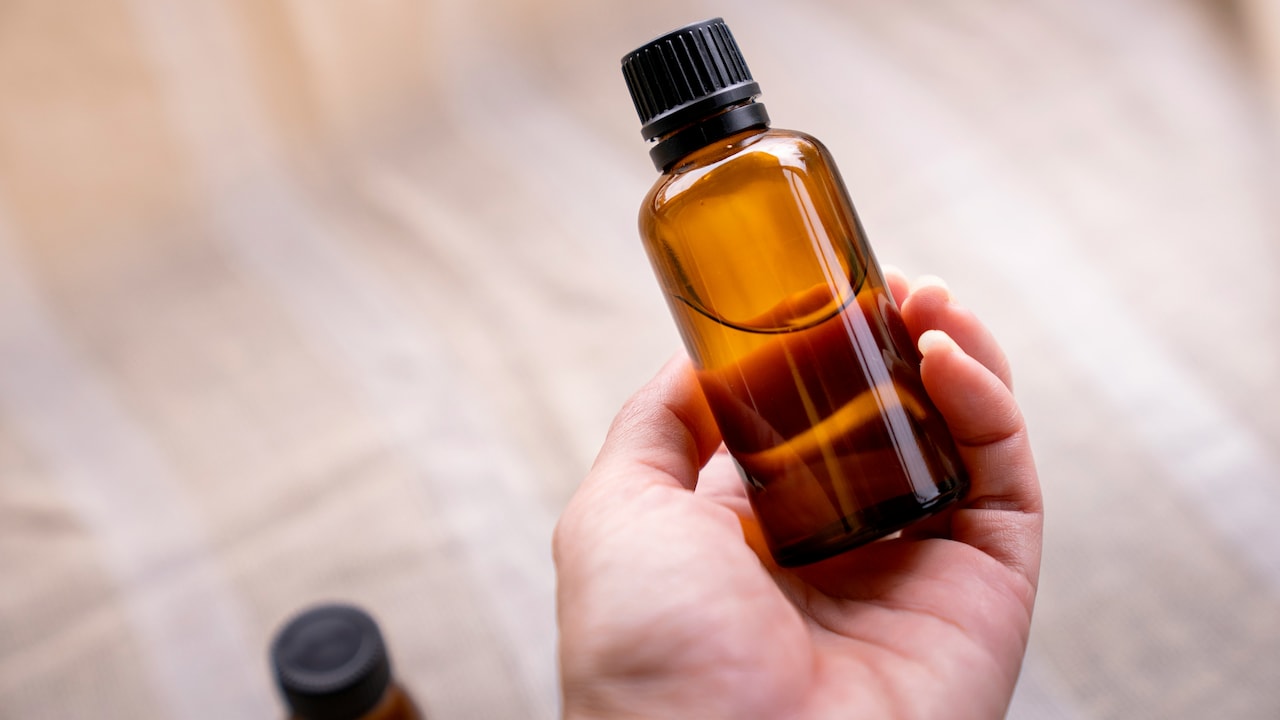
Vitamin C Serums That Oxidise Quickly: How to Identify a Truly Stable Formula
Photo Credit: Pexels
9. Skin Reactions That Signal Oxidation
Breakouts, redness and itching sometimes appear suddenly after weeks of smooth use. These reactions often surprise users who previously tolerated the serum well.
Oxidised vitamin C changes its chemical structure. This alteration irritates the skin and disrupts barrier function. Instead of brightening, the serum triggers inflammation.
Listening to skin feedback matters. Sudden discomfort often points to oxidation rather than sensitivity. Discontinuing use prevents further irritation. Fresh formulas should feel gentle yet effective, not aggressive or unpredictable.
10. How to Choose A Truly Stable Formula
Choosing wisely begins with packaging. Opaque, airless designs win immediately. Next comes formulation. Look for stabilisers such as vitamin E and ferulic acid. Moderate concentrations offer a better balance.
Price does not always equal quality. Some affordable brands invest heavily in stability. Paying attention to details matters more than chasing luxury labels.
Testing new serums slowly helps. Observing colour, texture and scent over weeks reveals stability. A reliable vitamin C serum remains clear, absorbs smoothly and delivers consistent results until the final pump. That consistency defines true quality.
Products Related To This Article
1. Chemist at Play 10% Vitamin C Face Serum
2. Aqualogica Glow+ 30X Vitamin C Hydrating Serum
3. Proskire Advanced Vitamin C Face Serum
4. Lotus Botanicals Vitamin C Skin Brightening
5. Mamaearth 10% Vitamin C Face Serum - Essence Serum with Vitamin C & Gotu Kola
Vitamin C serums promise transformation, yet only stable formulas fulfil that promise. Oxidation turns powerful antioxidants into ineffective liquids. Recognising the signs saves skin and money.
From packaging choices to ingredient lists, every detail tells a story. Colour changes warn early. Proper storage extends usefulness. Balanced concentrations outperform flashy numbers.
Skincare works best when approached thoughtfully. Understanding stability empowers better decisions and healthier skin. A truly stable vitamin C serum does not rush results. It delivers them steadily, drop by drop, until the bottle runs dry.
(Disclaimer: This article may include references to or features of products and services made available through affiliate marketing campaigns. NDTV Convergence Limited (“NDTV”) strives to maintain editorial independence while participating in such campaigns. NDTV does not assume responsibility for the performance or claims of any featured products or services.)