Retinol Purging Explained: Why Your Skin May Get Worse Before It Gets Better
Experiencing breakouts after starting retinol? Learn what retinol purging means, how long it lasts, how to tell it apart from irritation, and the best way to use retinol safely.
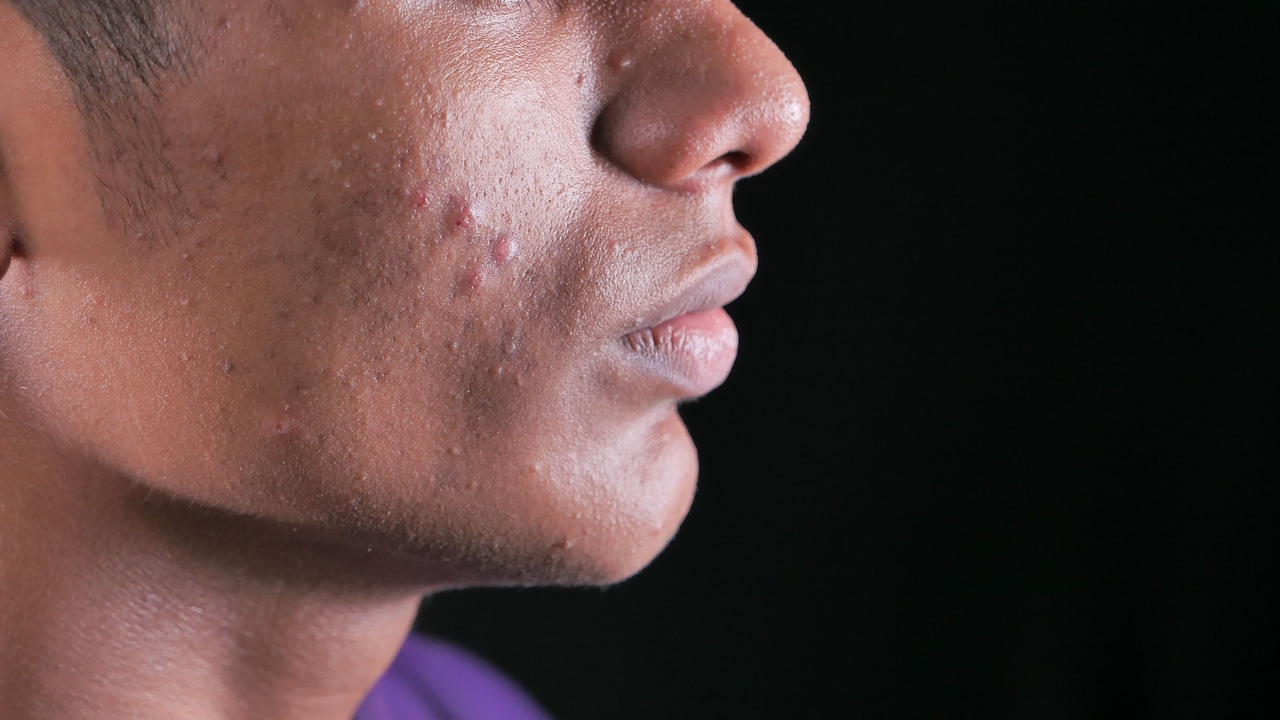
Retinol purging is a temporary phase
If you have recently added a retinol serum or cream to your skincare routine and suddenly noticed more breakouts than usual, don't panic just yet. Those unexpected spots, clogged pores and tiny bumps may not necessarily mean the product is damaging your skin. Instead, you could be experiencing something known as retinol purging.
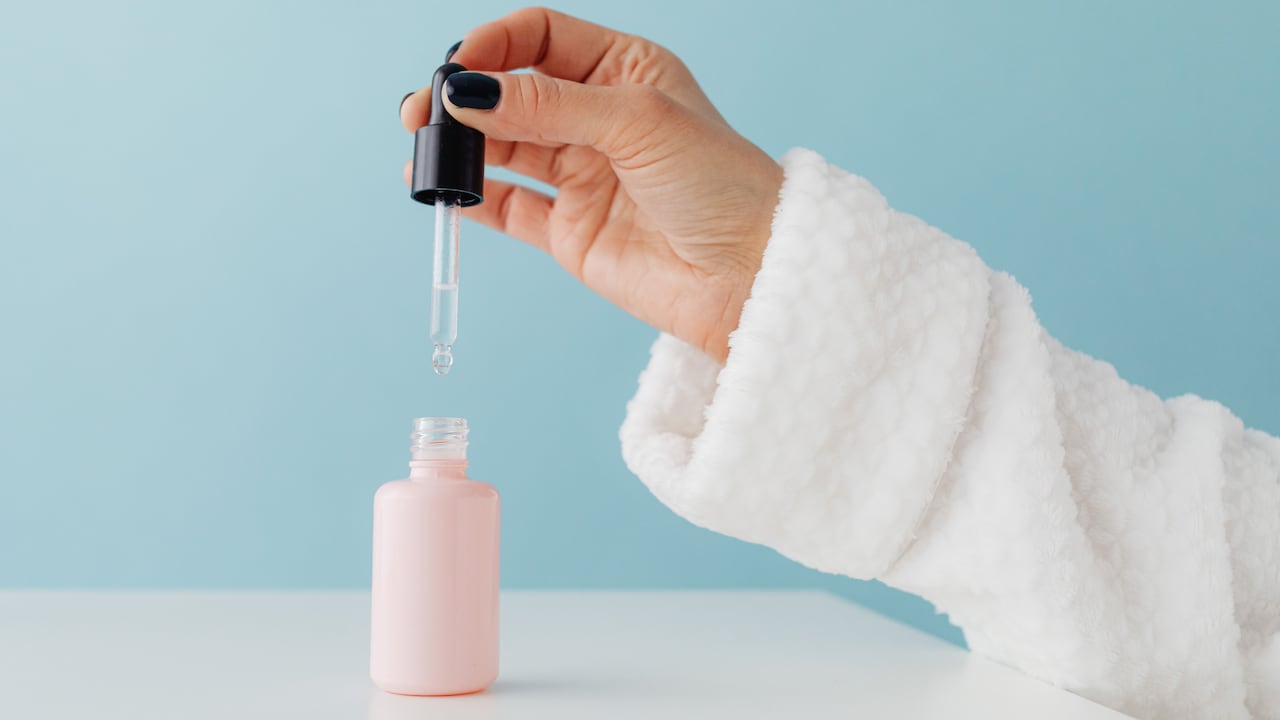
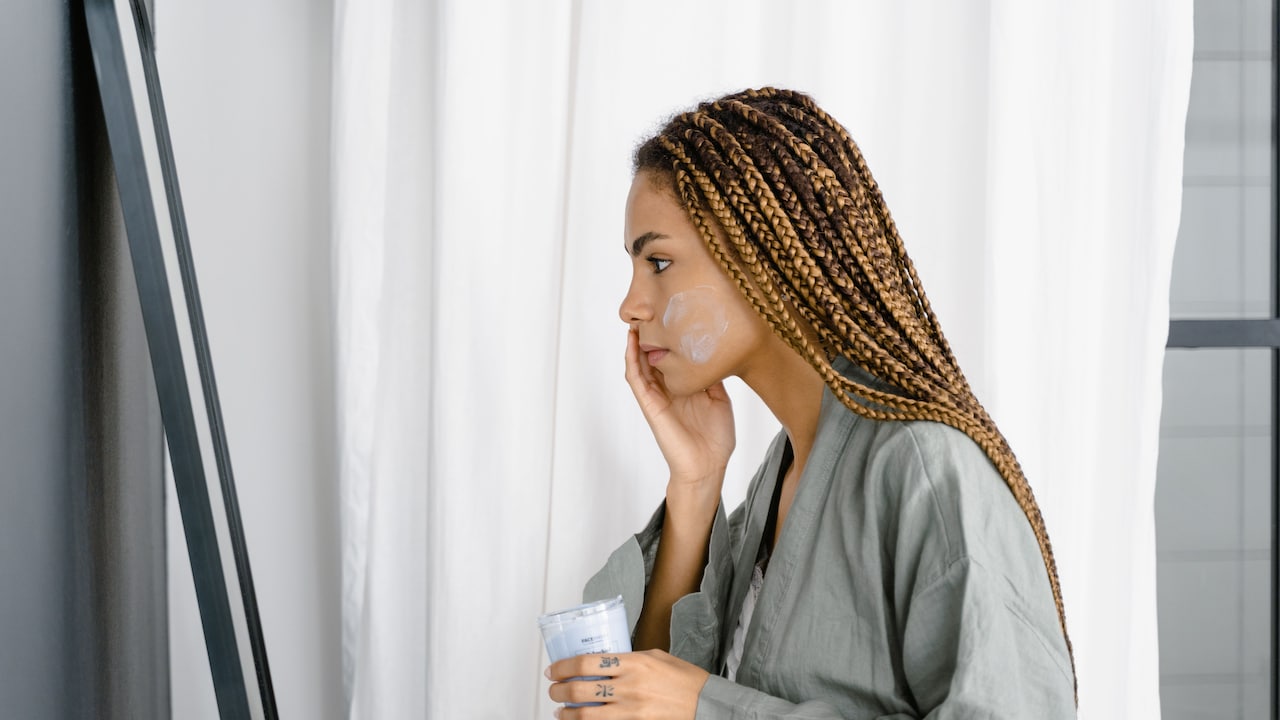
Not everyone who uses retinol will experience purging.
Photo Credit: Pexels
The term has become increasingly common on social media and beauty forums, but it is often misunderstood. Many people assume every breakout triggered by a new skincare product is a purge. Others stop using retinol altogether because they believe it is making their skin worse.
Also Read: From De-Tan Creams To Brightening Cleansers: Amazon Top Skincare Deals
The truth lies somewhere in between.
Retinol remains one of the most researched and dermatologist-recommended skincare ingredients for addressing acne, uneven texture, fine lines, pigmentation and signs of ageing. However, the adjustment period can sometimes feel frustrating. Understanding what retinol purging is, why it happens and how to use retinol correctly can make the journey far less intimidating.
What Is Retinol?
Retinol is a derivative of vitamin A and belongs to a family of ingredients known as retinoids. It works by increasing skin cell turnover, encouraging old skin cells to shed more quickly and allowing fresh new cells to surface.
This accelerated renewal process can help with:
- Fine lines and wrinkles
- Acne and clogged pores
- Uneven skin texture
- Dark spots and post-acne marks
- Dull-looking skin
- Enlarged pores
Because retinol influences how skin cells behave, it is often regarded as one of the most effective ingredients available in over-the-counter skincare.
However, this increased cell turnover is also the reason some users experience purging during the first few weeks.
What Is Retinol Purging?
Retinol purging refers to a temporary worsening of the skin caused by an increase in cell turnover after introducing retinol.
Think of it as retinol speeding up traffic beneath the skin's surface. Tiny blockages, microcomedones and developing blemishes that may have taken weeks to emerge are pushed to the surface much faster.
As a result, you might notice:
- Whiteheads
- Blackheads
- Small red spots
- Mild inflammation
- Increased breakouts in acne-prone areas
While it can appear alarming, a genuine purge is generally a sign that the ingredient is actively increasing skin renewal.
The important thing to remember is that purging is usually temporary. Once the skin adjusts and underlying congestion clears, many people begin to see smoother, clearer skin.
Why Does Purging Happen?
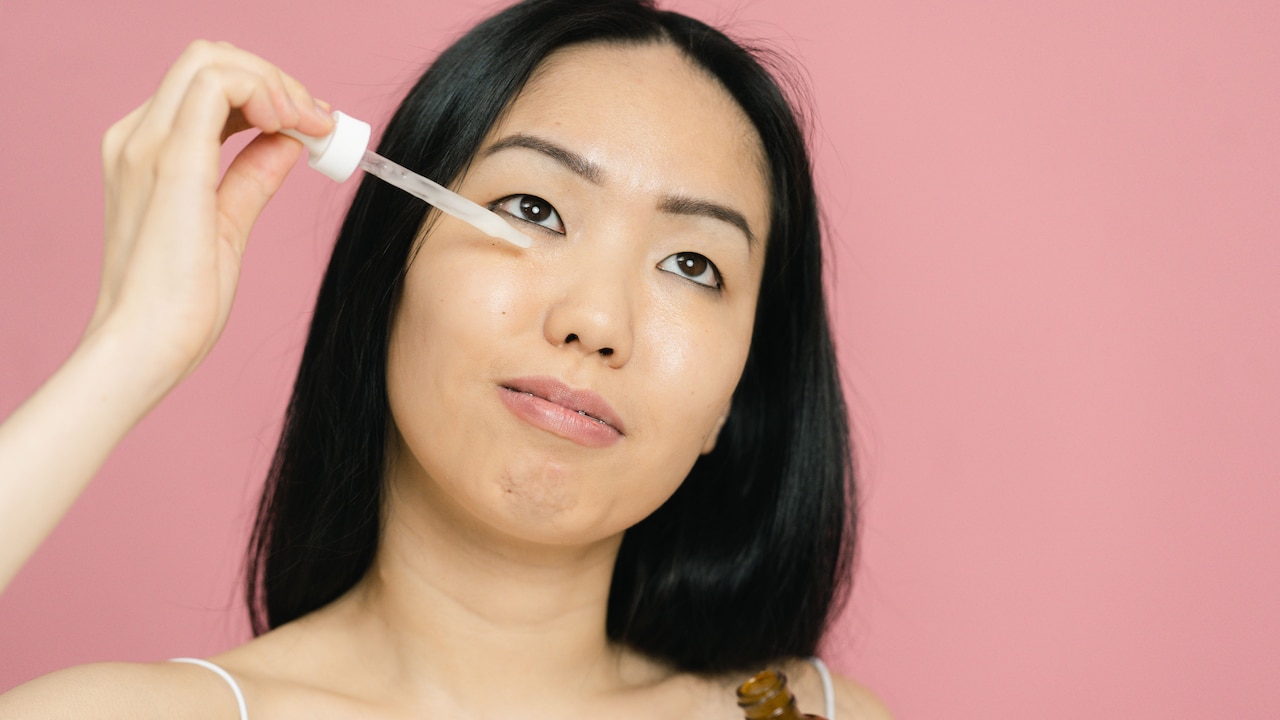
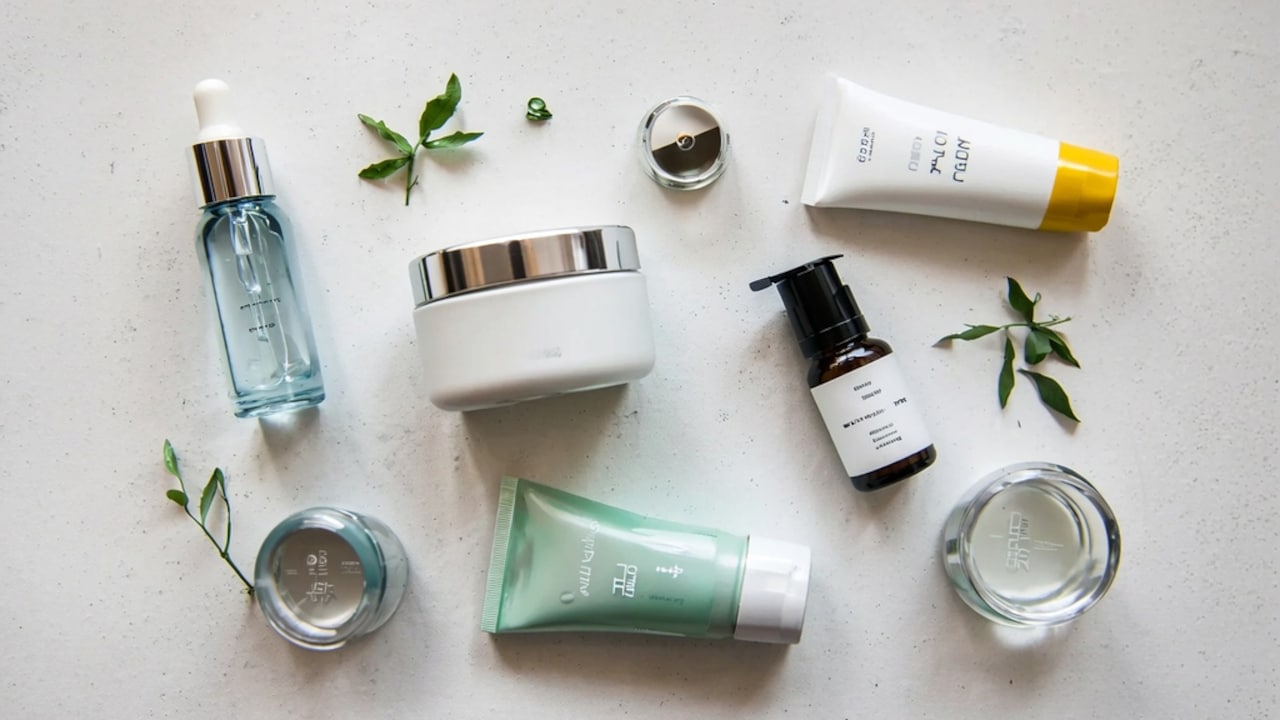
Most retinol purging episodes improve within two to six weeks.
Photo Credit: Pexels
Not every skincare ingredient can trigger purging. It is most commonly associated with ingredients that increase cell turnover, including retinol, adapalene, tretinoin and certain exfoliating acids.
Under normal circumstances, skin cells shed naturally over a period of several weeks. Retinol accelerates this process.
Imagine a queue of hidden blemishes waiting beneath the skin. Retinol effectively fast-forwards the queue, causing multiple imperfections to surface in a shorter period than usual.
This sudden appearance of breakouts can make it seem as though the product is causing acne when, in reality, it may simply be revealing existing congestion more quickly.
Retinol Purging Vs A Bad Reaction: How To Tell The Difference
One of the biggest challenges for skincare beginners is determining whether they are purging or experiencing irritation.
Signs Of Retinol Purging
- Breakouts occur in areas where you usually get spots.
- The spots tend to resemble your normal acne.
- Symptoms begin shortly after introducing retinol.
- Skin gradually improves over several weeks.
Signs Of Irritation Or An Adverse Reaction
- Severe redness or burning.
- Intense itching.
- Swelling.
- Rash-like bumps in unusual areas.
- Skin feels painful or excessively sensitive.
- Breakouts continue getting worse for several months.
If your skin feels raw, inflamed or uncomfortable, you may be dealing with irritation rather than purging.
How Long Does Retinol Purging Last?
The timeline varies from person to person, but most retinol purging episodes last anywhere between two and six weeks.
Several factors influence duration, including:
- Skin type
- Retinol concentration
- Frequency of application
- Existing acne severity
- Overall skincare routine
For some users, the adjustment period is so mild they barely notice it. Others may experience several weeks of breakouts before their skin settles.
If significant worsening continues beyond eight weeks, it may be worth reassessing the product, concentration or application method.
Does Everyone Experience Retinol Purging?
No. In fact, many people never go through a noticeable purge.
Those with acne-prone or congested skin are generally more likely to experience some form of purging because they have existing blockages waiting beneath the surface.
People with relatively clear skin often transition into retinol use with little more than mild dryness or flaking.
So if your friend experienced dramatic purging and you did not, or vice versa, neither outcome is unusual.
How To Start Using Retinol Correctly
The biggest mistake beginners make is assuming more retinol equals better results.
With retinol, patience wins.
1. Start With A Low Strength
If you are new to retinol, choose a beginner-friendly concentration such as 0.1% to 0.3%.
Jumping straight to stronger formulas can increase irritation and discomfort without necessarily delivering faster results.
2. Use It Only A Few Nights Per Week
A sensible starting schedule looks like this:
- Week 1-2: Twice weekly
- Week 3-4: Three times weekly
- Week 5 onwards: Increase gradually if tolerated
This allows your skin time to adapt.
Apply At Night
Retinol is best used during your evening skincare routine.
A simple routine might include:
- Gentle cleanser
- Moisturiser
- Retinol
- Optional second layer of moisturiser
This approach is often called the "sandwich method" and can reduce irritation.
The Importance Of Moisturising
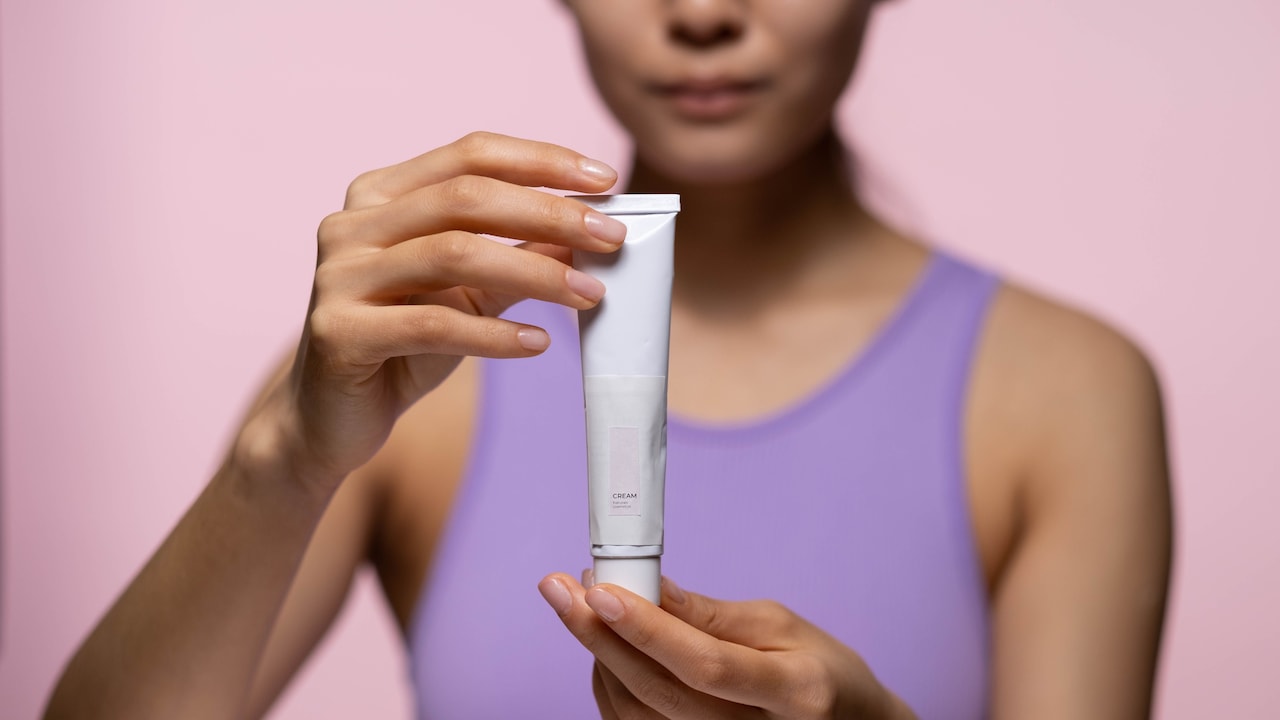
Starting with a low-strength retinol and using it gradually can reduce irritation.
Photo Credit: Pexels
Retinol and hydration should go hand in hand.
As skin adapts, you may notice:
- Dryness
- Tightness
- Peeling
- Flaking
A nourishing moisturiser helps support the skin barrier and minimise discomfort.
Look for ingredients such as:
- Ceramides
- Hyaluronic acid
- Glycerin
- Squalane
- Panthenol
Healthy skin barriers tend to tolerate retinol better over time.
Never Skip Sunscreen
This step cannot be overstated. Retinol can make skin more sensitive to environmental damage, particularly sunlight. Daily use of a broad-spectrum SPF 30 or higher is essential, even on cloudy days.
Without adequate sun protection, you may increase the risk of:
- Sunburn
- Pigmentation
- Uneven skin tone
- Premature signs of ageing
Many dermatologists consider sunscreen the non-negotiable partner to any retinol routine.
Common Mistakes To Avoid
1. Using Too Much Product
A pea-sized amount is generally enough for the entire face.
Applying more product does not speed up results and may increase irritation.
2. Combining Too Many Active Ingredients
Beginners should be cautious about pairing retinol with:
- Strong exfoliating acids
- Benzoyl peroxide
- High-strength vitamin C
- Scrubs
Introducing multiple powerful ingredients simultaneously can overwhelm the skin.
3. Expecting Overnight Results
Retinol is not an instant-gratification ingredient. Visible improvements often take several weeks and, in some cases, a few months.Consistency matters far more than speed.
4. Quitting Too Soon
Many users stop during the adjustment phase and never reach the stage where benefits become visible.
Provided your skin is experiencing a genuine purge rather than severe irritation, persistence often pays off.
Who Should Avoid Retinol?
Retinol is not suitable for everyone.
Those with extremely sensitive skin, certain skin conditions or specific medical concerns may need personalised advice from a dermatologist.
Pregnant individuals are commonly advised to avoid retinoids unless specifically guided by a healthcare professional.
If you are unsure, professional consultation is always the safest route.
Retinol purging can feel discouraging, particularly when you begin using an ingredient in the hope of achieving clearer skin. Seeing new spots appear may make you question whether retinol is worth the effort.
In many cases, however, purging is simply your skin speeding through the congestion that was already developing beneath the surface. The process is temporary, and for many users it becomes the first step towards smoother texture, fewer breakouts and more even-looking skin.
The key is to approach retinol gradually. Start with a low strength, use it sparingly, moisturise generously and wear sunscreen every day. Rather than chasing quick results, think of retinol as a long-term investment in your skin's health.
Because when used correctly, retinol is not just another skincare trend, it is one of the few ingredients that has earned its reputation through decades of consistent results.
Top 8 Retinol-Based Moisturisers For Beginners
1. Olay Regenerist Retinol 24 Night Mini Cream - Fragrance Free - 8g
2. Reequil 0.1% Retinol Night Cream - 32g
3. L'Oreal Paris Revitalift Anti-Wrinkles & Radiance SPF35 PA++ Moisturizing Day Cream - 50ml
4. Chemist at Play Anti- Agieng Retinol Body Lotion Niacinamide And Zemea - 200ml
5. O3+ Derma Cult Retinol Cream Night Moisturizer with Adaptogen - 40 g
6. FoxTale Ageing Shield Duo with SPF 70, Retinol & Niacinamide - 80 ml
7. SkinInspired Retinol Night Cream For Wrinkles & Anti-Aging - 50g
8. Ayumcure Retinol Night Cream with Hyaluronic Acid, Glutathione & Alpha Arbutin 50g
Frequently Asked Questions (FAQs)
1. What is retinol purging?
Retinol purging is a temporary increase in breakouts that can occur when retinol speeds up skin cell turnover, bringing underlying congestion and clogged pores to the surface more quickly.
2. How long does retinol purging last?
Retinol purging typically lasts between two and six weeks, although the duration can vary depending on your skin type, retinol strength and existing skin concerns.
3. How can I tell if my skin is purging or reacting badly to retinol?
Purging usually appears as your normal acne in areas where you commonly break out, while irritation often includes severe redness, burning, itching, swelling or a rash in unusual areas.
4. Should I stop using retinol if my skin starts purging?
Not necessarily. If the symptoms are consistent with purging and not severe irritation, continuing with a gentle, gradual retinol routine may help your skin adjust and improve over time.
5. Can beginners use retinol every day?
No. Beginners should start using retinol two to three times a week and gradually increase frequency as their skin becomes more tolerant.
(Disclaimer: This article may include references to or features of products and services made available through affiliate marketing campaigns. NDTV Convergence Limited (“NDTV”) strives to maintain editorial independence while participating in such campaigns. NDTV does not assume responsibility for the performance or claims of any featured products or services.)