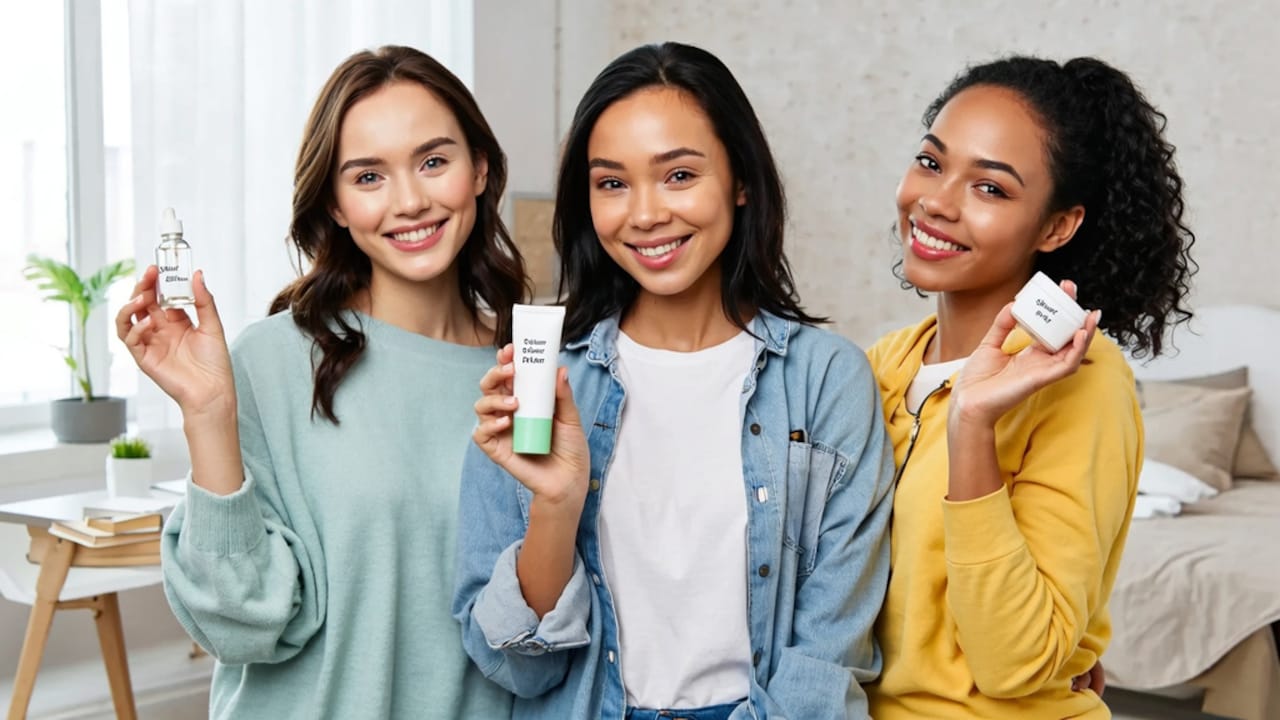
Why Luxury Face Creams Still Pill Under Makeup And What Formula Texture Has To Do With It
Luxury face creams can still pill under makeup when rich oils, silicones and film-formers clash with sunscreen or foundation, leaving flakes instead of a smooth, even base.
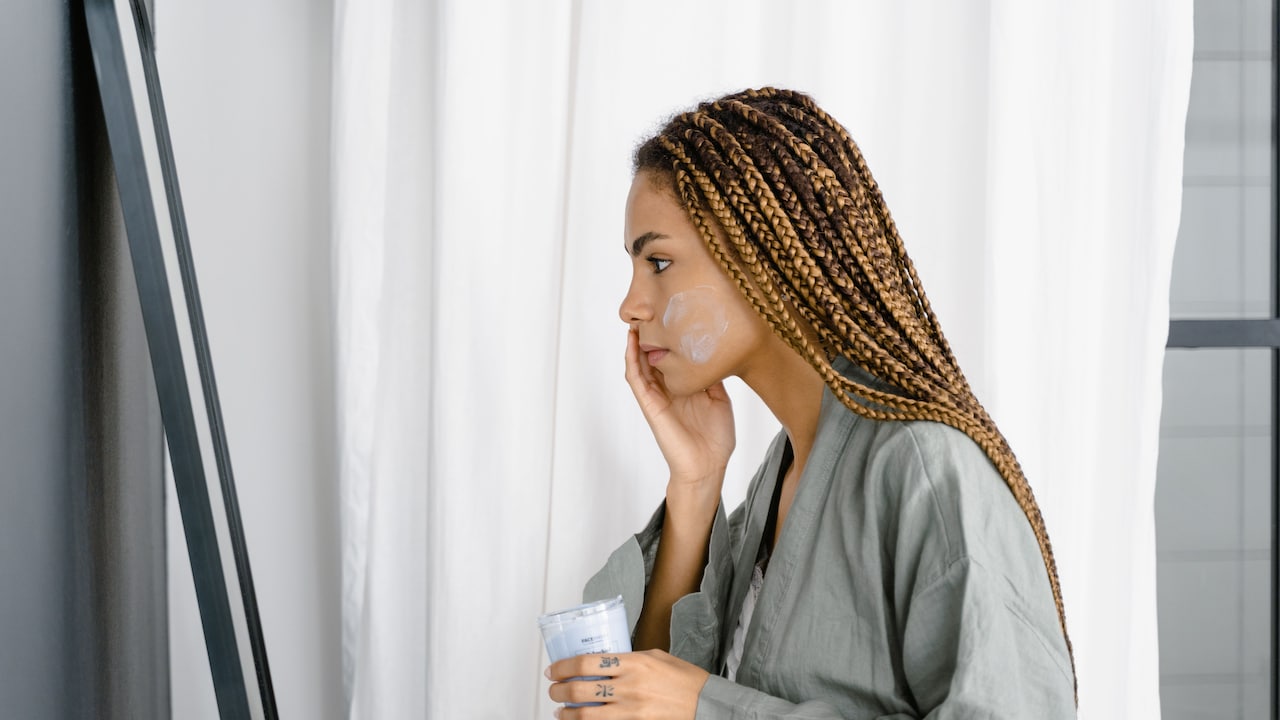
How does face cream texture affect piling during makeup
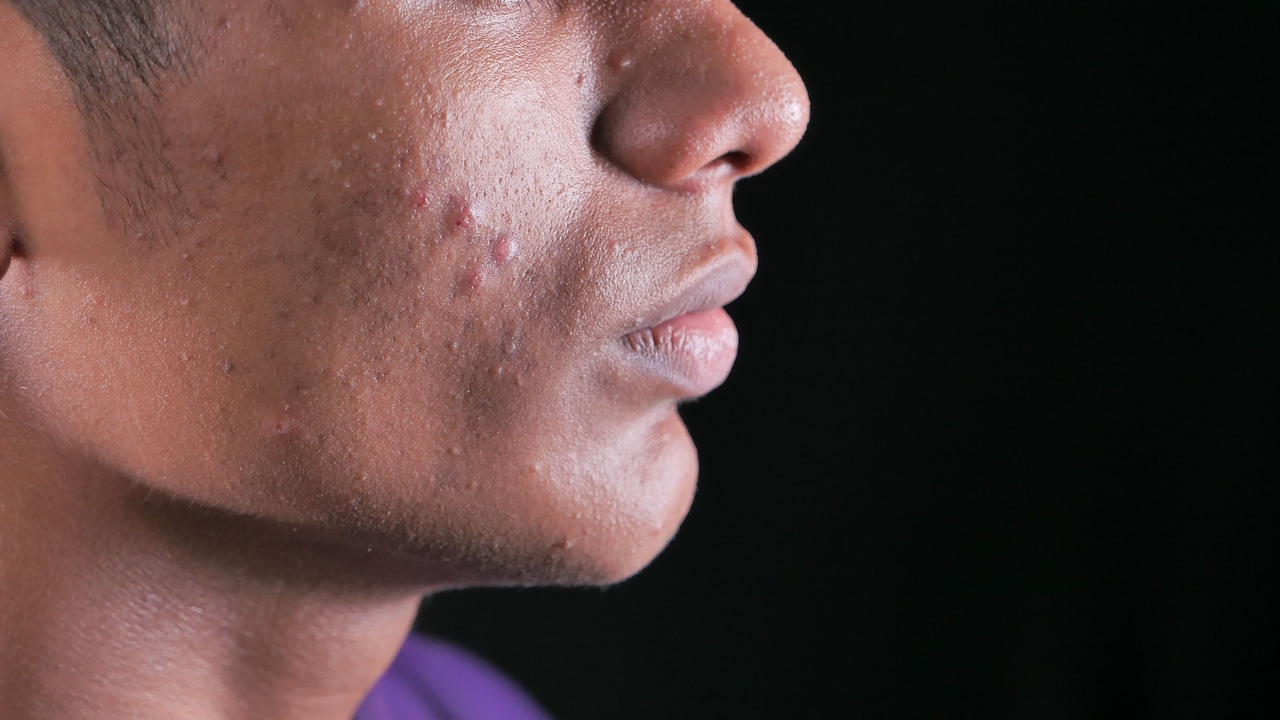
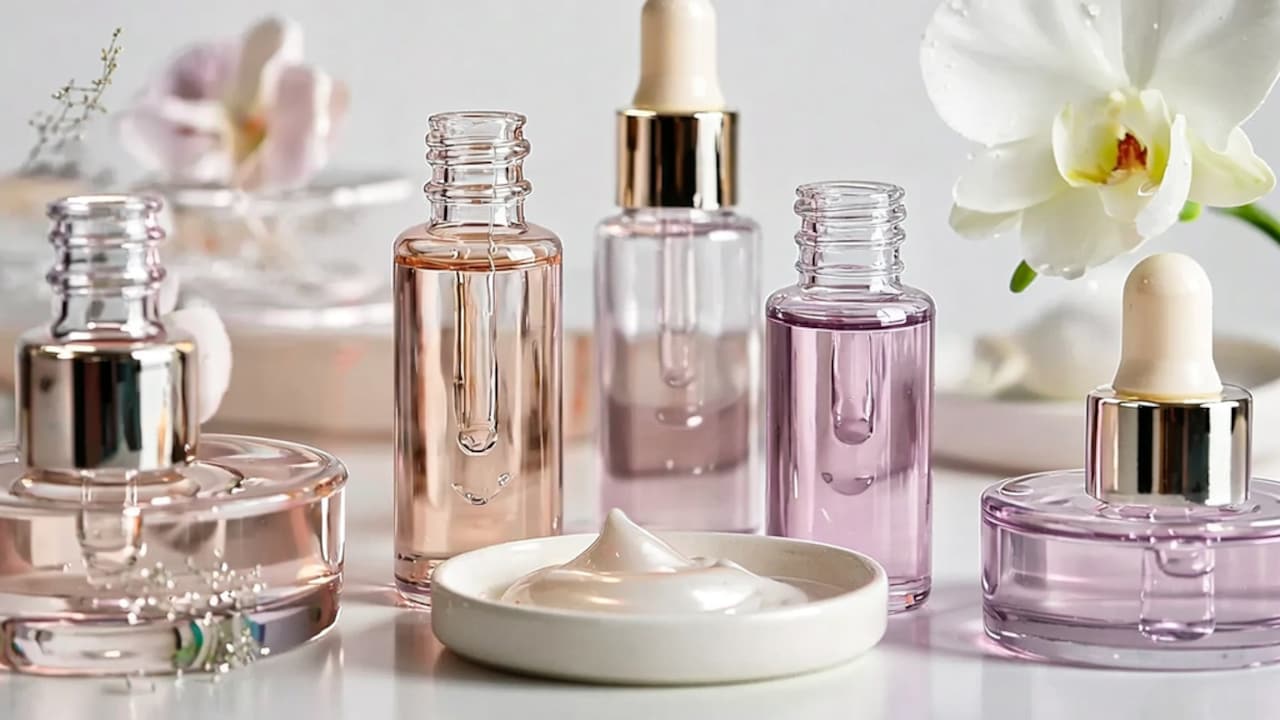
Few beauty mishaps feel as irritating as watching an expensive face cream roll into little crumbs under makeup. The skin looked smooth after moisturising. The bottle felt reassuringly heavy. The label mentioned rare extracts, advanced peptides and enough scientific language to fill a chemistry textbook. Then the foundation brush arrived, and suddenly the face resembled an eraser-covered school desk. This frustrating effect has a name: pilling. It happens when skincare or makeup gathers into tiny flakes, balls or threads on the skin instead of settling into an even layer. Luxury creams can pill just as easily as affordable ones because elegant packaging cannot overrule formulation chemistry.
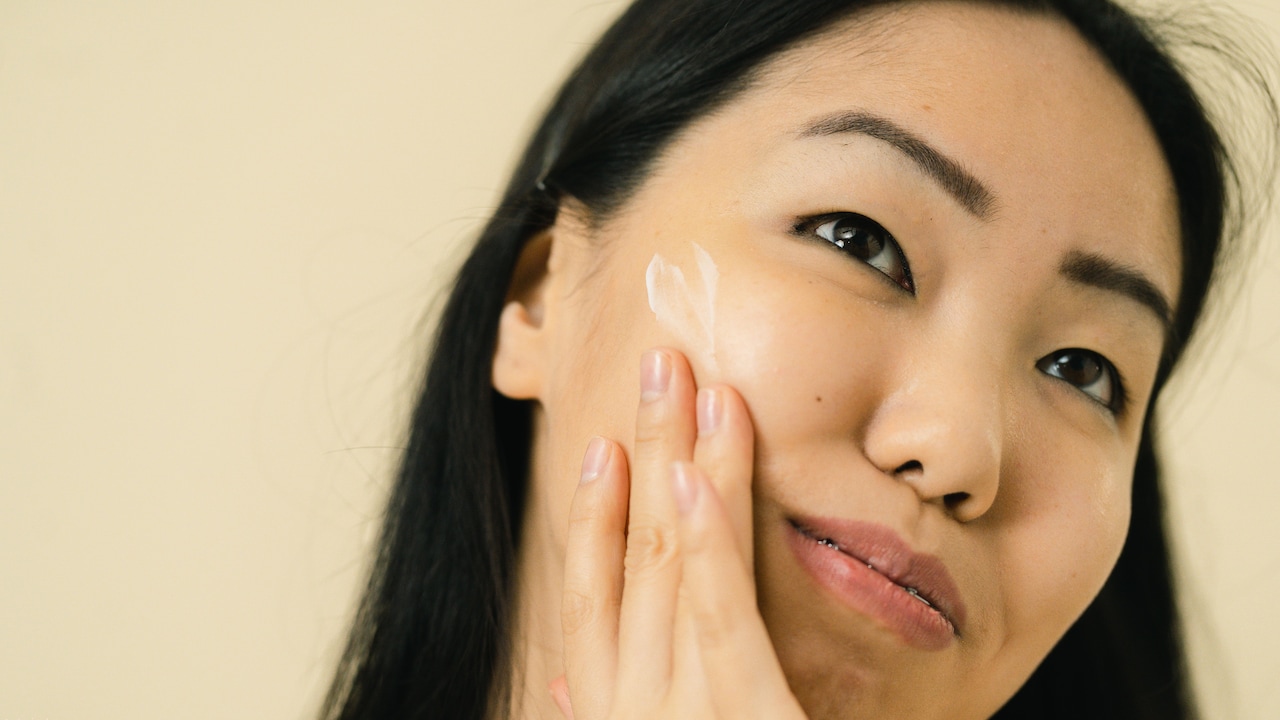
Common reasons for piling due to face cream texture
Photo Credit: Pexels
The real story lies in texture. Thick creams, silky gels, silicone-rich primers, quick-drying serums and long-wear foundations all create different films on the face. When these films fail to sit comfortably together, friction pulls them apart.
Also Read: Luxury Day Creams That Can Hydrate, Moisturise, And Protect Your Skin
Understanding that interaction can save a rushed morning, protect a carefully blended base and make a ₹5,000 moisturiser feel less like an expensive practical joke.
The Real Reasons Your Face Cream Pills Under Makeup
Rich Texture Does Not Always Mean Better Makeup Grip
A luxurious cream often aims to feel rich, comforting and indulgent. That buttery texture works beautifully at night, especially when air conditioning, winter dryness or strong active ingredients leave the skin tight. Under makeup, however, the same richness can become troublesome.
Dense creams contain higher levels of oils, waxes and emollients. These ingredients soften the skin and reduce moisture loss, but they may also leave a mobile layer on the surface. Foundation then sits on top of that layer rather than gripping the skin evenly.
The problem becomes more obvious in warm, humid weather. A heavy cream may soften further as body heat rises. When a sponge or brush moves across the face, it pushes the cream around. The product collects in patches, mixes with foundation and forms tiny rolls.
A rich texture does not make a cream poorly formulated. It may simply suit bedtime better than a weekday makeup routine. Much like wearing a velvet shawl in peak May, the product can feel beautiful while remaining completely wrong for the occasion.
Silicone Layers Can Clash Instead Of Sliding Smoothly
Silicones give many luxury creams their polished, silky finish. Ingredients such as dimethicone help blur roughness, soften the appearance of pores and create that satisfying slip associated with premium skincare. They also appear in primers and foundations.
At first glance, silicone over silicone sounds like a perfect match. In practice, each formula may use a different blend, concentration or structure. One product may create a flexible film, while another dries into a firmer layer. When both layers meet, they can drag against each other.
Problems often begin when too much product enters the routine. A silicone-rich serum, followed by a smoothing moisturiser, followed by a pore-blurring primer, creates several films before foundation even begins. Rubbing then lifts the upper layers from the lower ones.
The result looks like dry skin, although the skin may feel perfectly hydrated underneath. Reducing one smoothing product often solves the issue faster than adding more moisturiser. Sometimes the pursuit of glass-like skin produces something closer to a peeling phone screen protector.
Water-Based And Oil-Based Products May Resist Each Other
Makeup artists often discuss whether a foundation has a water, oil or silicone base. The same question matters for moisturiser. Products with very different bases do not always blend comfortably.
A water-light foundation may struggle over an oily cream that remains glossy on the skin. Instead of spreading evenly, the foundation can separate, bead or gather around the nose and mouth. An oil-heavy foundation may also shift over a water-gel moisturiser if that gel forms a tight, quick-drying film.
This does not mean water and oil can never work together. Cosmetic chemists regularly combine them with emulsifiers. Trouble usually appears when two finished products use incompatible film-forming systems or when one layer has not settled before the next arrives.
A simple texture check can help. When the moisturiser leaves a dewy, oily finish, a similarly emollient foundation may blend more naturally. When the cream dries to a soft, weightless finish, a lighter base often behaves better.
Matching textures resembles pairing fabrics. Silk glides over silk. Cotton grips cotton. Sequins over chiffon require patience and perhaps a prayer.
Too Many Film-Forming Ingredients Create Surface Build-Up
Modern skincare formulas often do more than moisturise. They tighten, smooth, blur, lift and create an invisible shield against moisture loss. To achieve these effects, brands use film-forming ingredients.
These ingredients can make the skin feel refined and protected. Yet several film-forming products in one routine may create excessive build-up. A hydrating essence, peptide serum, sunscreen, luxury cream and primer can form five distinct layers before concealer touches the face.
Each layer needs enough flexibility to move with facial expressions and enough adhesion to remain in place. When the combined film becomes too thick, makeup application creates friction. The upper layer catches, stretches and rolls away.
Pilling often appears first around active areas such as the mouth, jaw and sides of the nose. These areas experience more movement and more blending. A morning routine that looks sophisticated on the dressing table can act like an overcrowded local train on the skin: everyone has entered, nobody has space, and something eventually gets pushed out.
Using fewer layers often gives better results than hunting for one miracle product.
Fast-Drying Gels Can Turn Tacky Beneath Foundation
Gel creams attract anyone who wants hydration without heaviness. They feel cool, fresh and ideal for humid mornings. Many also dry quickly, which sounds perfect for makeup preparation. Yet quick drying can create its own challenge.
Some gels contain humectants, polymers and thickeners that leave a slightly tacky film. In a controlled amount, that tackiness can help makeup grip. In excess, it acts like glue. A foundation brush pulls against the sticky surface, and the gel begins to lift.
The amount matters greatly. A generous scoop may feel refreshing, but the skin can absorb only so much. The remaining product sits on top and forms a soft film. Adding sunscreen, primer, and foundation increases pressure on that film.
Application technique makes a difference too. Rubbing foundation back and forth creates more friction than pressing it in with a damp sponge. Gentle tapping keeps the lower layer intact.
Gel creams often work best in thin quantities. The face needs hydration, not enough product to recreate a monsoon puddle across both cheeks.
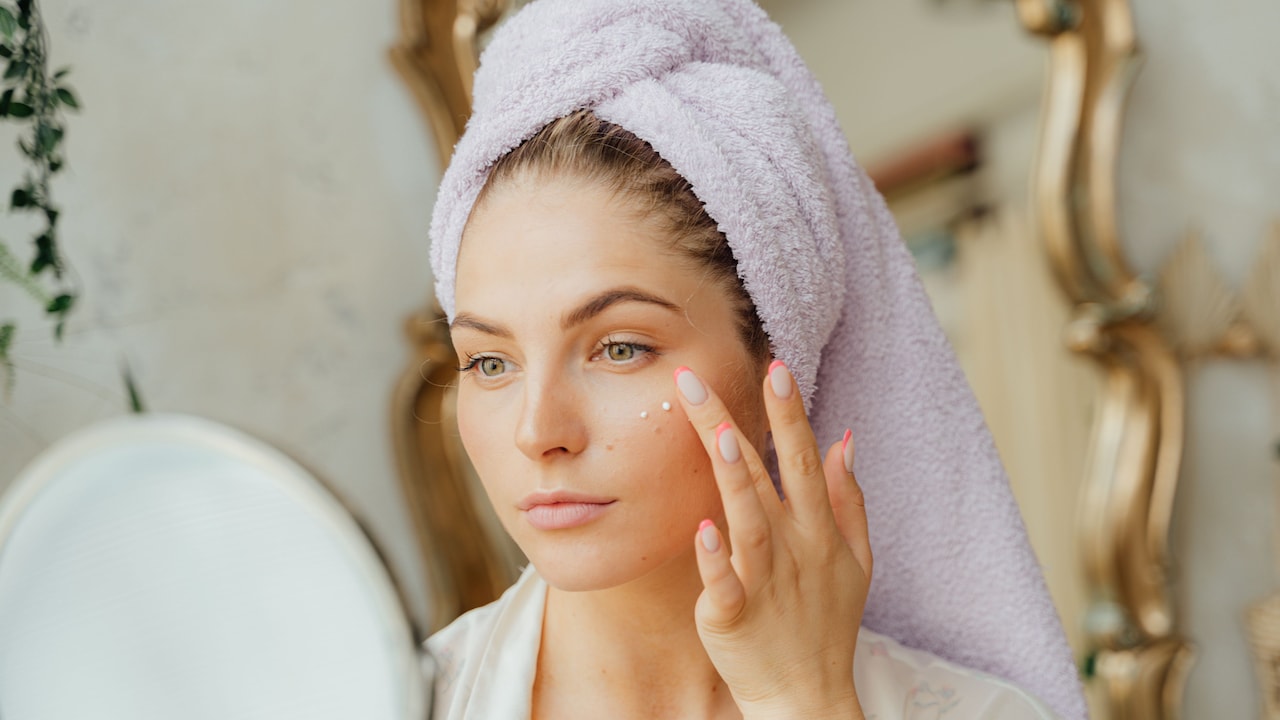
Fast drying gel formulas can feel tacky under makeup
Photo Credit: Pexels
Botanical Extracts Can Change The Feel Of A Formula
Luxury skincare frequently highlights botanical extracts, fermented ingredients, floral waters and plant oils. These ingredients may offer antioxidant, soothing or sensory benefits, but they also influence texture.
A cream packed with gums, natural thickeners or powdered extracts may feel elegant when applied alone. Under makeup, those materials can create drag. Some natural polymers swell in water and form a soft mesh on the skin. When another product moves across that mesh, it may break into visible pieces.
Plant oils can also alter how quickly a cream settles. Rich oils remain on the surface longer, especially when the skin already produces plenty of sebum. Foundation may slide over them or combine with them unevenly.
The presence of botanical ingredients does not automatically cause pilling. The full formula matters far more than a single fashionable extract. A beautifully balanced cream can contain dozens of plant ingredients without trouble. A poorly matched routine can pill with only three products.
The lesson feels familiar: a long guest list does not guarantee a good wedding. Harmony matters more than numbers.
Sunscreen Often Becomes The Hidden Trouble-Maker
Face cream usually receives the blame because it sits closest to the skin, but sunscreen often plays a major role. Many sunscreens use film-formers to create an even protective layer. Water-resistant formulas rely on these ingredients even more heavily.
When moisturiser remains wet or oily, sunscreen may not form a uniform film. It mixes with the cream, dries unevenly and becomes vulnerable to rubbing. Foundation then exposes the problem.
Mineral sunscreens can also contribute because zinc oxide and titanium dioxide add weight and texture. When layered over a rich cream, these powders may gather into tiny particles. Silicone-heavy sunscreens can pill when placed over another strongly silicone-based product.
The answer does not involve skipping sunscreen. That trade-off makes no sense, especially during long commutes, outdoor errands or bright afternoons. Instead, use less cream beneath a moisturising sunscreen or choose a lighter moisturiser in the morning.
Allowing sunscreen to settle before makeup also helps. A few quiet minutes can prevent twenty frantic minutes of scraping flakes from the jawline.
Rubbing Technique Can Break Even A Good Formula
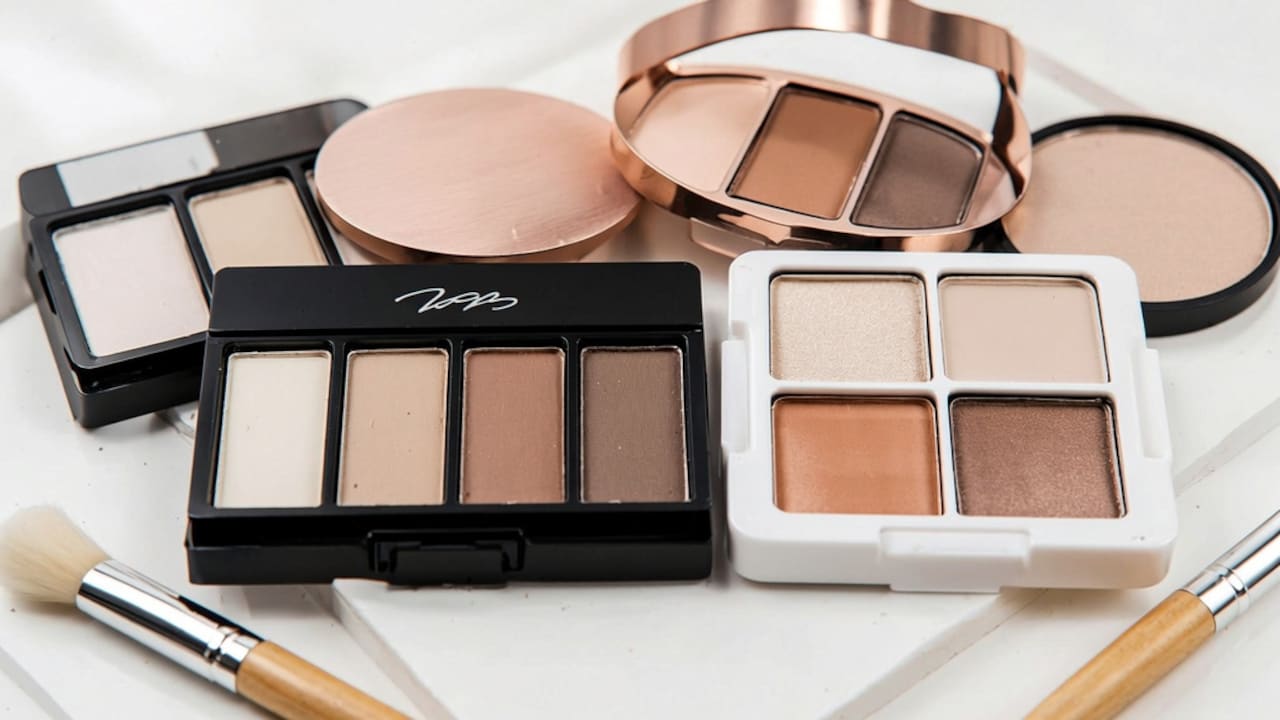
Sometimes the products work perfectly well together until aggressive blending enters the scene. Fingers, brushes and sponges create friction, and friction causes pilling.
Circular rubbing often creates the most trouble. It repeatedly moves across the same area and lifts any layer that has started to dry. Stiff foundation brushes can have a similar effect, especially around the cheeks and forehead.
Pressing works better than polishing. After moisturiser and sunscreen have settled, foundation can be tapped on with a damp sponge or gently pressed with fingers. This method reduces movement across the skin and keeps the skincare film intact.
The same principle applies before makeup. Patting serum and moisturiser into the skin usually creates less disturbance than massaging each layer for several minutes. Facial massage has its place, but a rushed makeup morning may not suit a full spa routine.
More effort does not always produce a smoother finish. Chapati dough appreciates determined kneading. A delicate skincare film does not. Sometimes the gentlest hand creates the most polished result.
Drying Time Matters More Than Most Labels Admit
Product instructions often say “allow to absorb”, but few explain what that actually means. Absorption and film formation take time, even when the skin no longer feels wet.
A cream may feel settled after thirty seconds while its water continues to evaporate and its polymers continue to arrange themselves on the skin. Applying sunscreen or foundation too early interrupts that process.
The ideal waiting time depends on the formula, climate and amount used. A light lotion may need only a minute or two. A rich cream may need longer. Sunscreen generally benefits from several minutes before makeup, particularly when it leaves a noticeable film.
Busy mornings make this sound unrealistic, but the routine can run in parallel. Apply skincare, then make tea, fix the hair or search for the earring that mysteriously vanished despite living in a closed box.
Drying time does not need to become a beauty ritual with a stopwatch. The skin simply needs a brief pause between layers. Cosmetics, like people, behave better when given a little breathing room.
The Most Expensive Cream May Suit A Different Moment
Price shapes expectations. When a cream costs ₹4,000, ₹8,000 or more, flawless performance seems reasonable. Yet luxury often pays for sophisticated packaging, rare ingredients, sensorial texture, research, branding and prestige. It does not guarantee compatibility with every foundation.
Some premium creams prioritise nourishment and comfort. Others focus on glow, overnight repair or a plush application experience. Makeup friendliness may not sit at the top of the design brief.
A cream can deliver excellent results and still pill beneath a particular base. It may work perfectly at night, during dry weather or on makeup-free days. Another lighter product may perform better at 8 a.m. under sunscreen and long-wear foundation.
This distinction prevents unnecessary disappointment. The goal involves assigning the right product to the right job, not forcing one expensive jar to handle every situation.
A silk sari can look spectacular at a celebration and inconvenient during a crowded commute. Neither fact cancels the other. Context decides whether luxury feels effortless or exhausting.
Products Related To This Article
1. THE ORDINARY Natural Moisturizing Factors + HA
2. LOreal Paris Revitalift Anti-Wrinkles & Radiance SPF35 PA++ Moisturizing Day Cream
3. Olay Total Effects Day Cream with SPF15 - Fights 7 Signs of Ageing
4. Neutrogena Ultra Gentle SPF 15 Daily Face Moisturizer with 2% Glycerine
5. LOreal Paris Glycolic Bright Matte Luminizing Cream to Fade Dark Spots
6. Plum Youthful Glow Moisturizer
7. Brinton Acmist Moisturizing Cream Gel
Pilling does not prove that a face cream lacks quality, nor does it mean the skin needs endless exfoliation. It usually signals a conflict between textures, layers, quantities or application habits.
Rich creams may stay too mobile. Gels may turn tacky. Silicones may form competing films. Sunscreen may disturb the layers beneath it. Brushes may create too much friction, while rushed timing may prevent products from settling properly.
The most practical fix starts with subtraction. Use thinner layers. Reduce overlapping serums and primers. Give each product a moment to settle. Press foundation into the skin rather than rubbing it across the face. Match creamy formulas with similarly emollient bases and lighter moisturisers with weightless makeup.
Luxury skincare should feel pleasurable, not like a daily chemistry exam. Once texture receives as much attention as ingredients and price, the mystery becomes easier to solve. The best cream under makeup is not always the richest, trendiest or most expensive one. It is the formula that knows how to sit quietly, behave politely and let the foundation have its moment.
(Disclaimer: This article may include references to or features of products and services made available through affiliate marketing campaigns. NDTV Convergence Limited (“NDTV”) strives to maintain editorial independence while participating in such campaigns. NDTV does not assume responsibility for the performance or claims of any featured products or services.)