Why Does My Hair Feel Rough Even After Using Conditioner
Wondering why your hair still feels rough after using conditioner? Learn the common causes, effective fixes, and products that can help restore softness.

Why Does My Hair Feel Rough Even After Using Conditioner
Smooth, silky hair is usually treated like a quiet signal of healthy strands, so many people grab conditioner after every single wash. But then it gets weird because even when you do the right thing, your hair can still end up rough and dry. If you're thinking, “Why does my hair feel rough even after conditioner?” you're definitely not the only one. And the truth is, it's not always about the conditioner itself, not entirely anyway. Your hair texture can shift from a bunch of things, including product buildup, existing damage, the water quality where you live, and even the way you rinse and scrub while washing it. This little guide walks through the most common culprits behind that rough feel and then suggests practical ways to bring back softness and make your hair easier to manage without turning your routine into chaos.

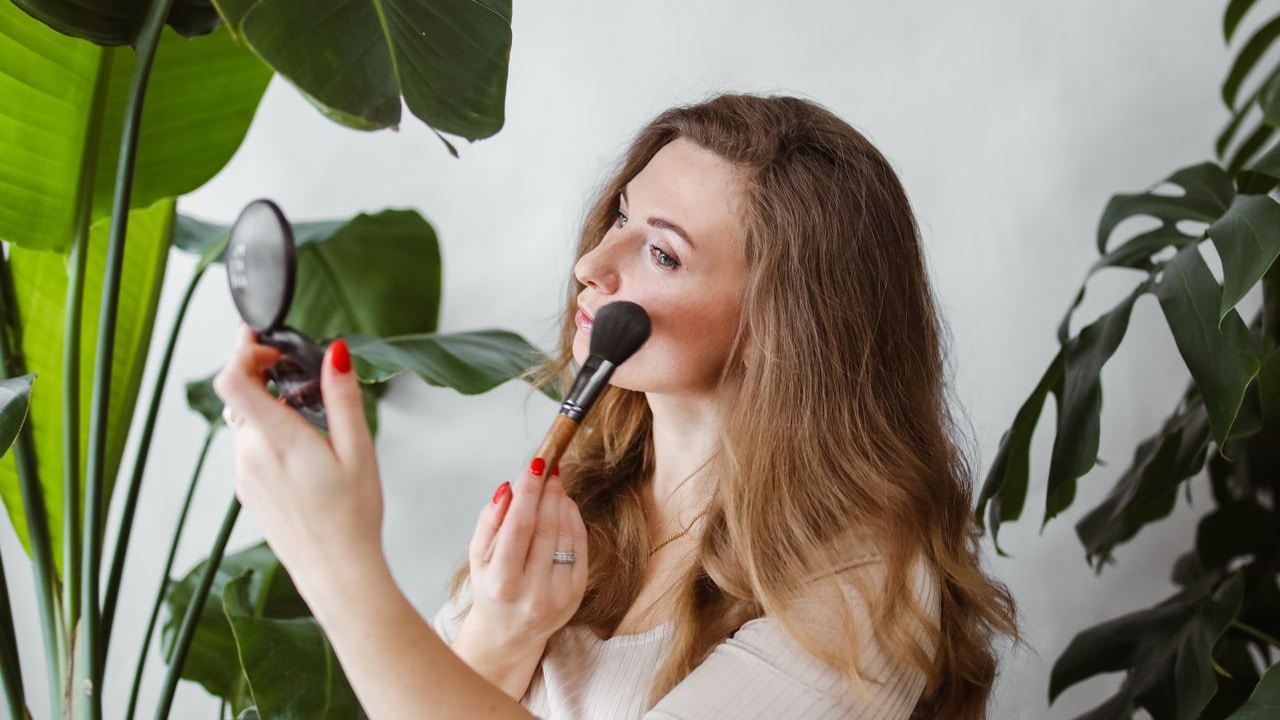
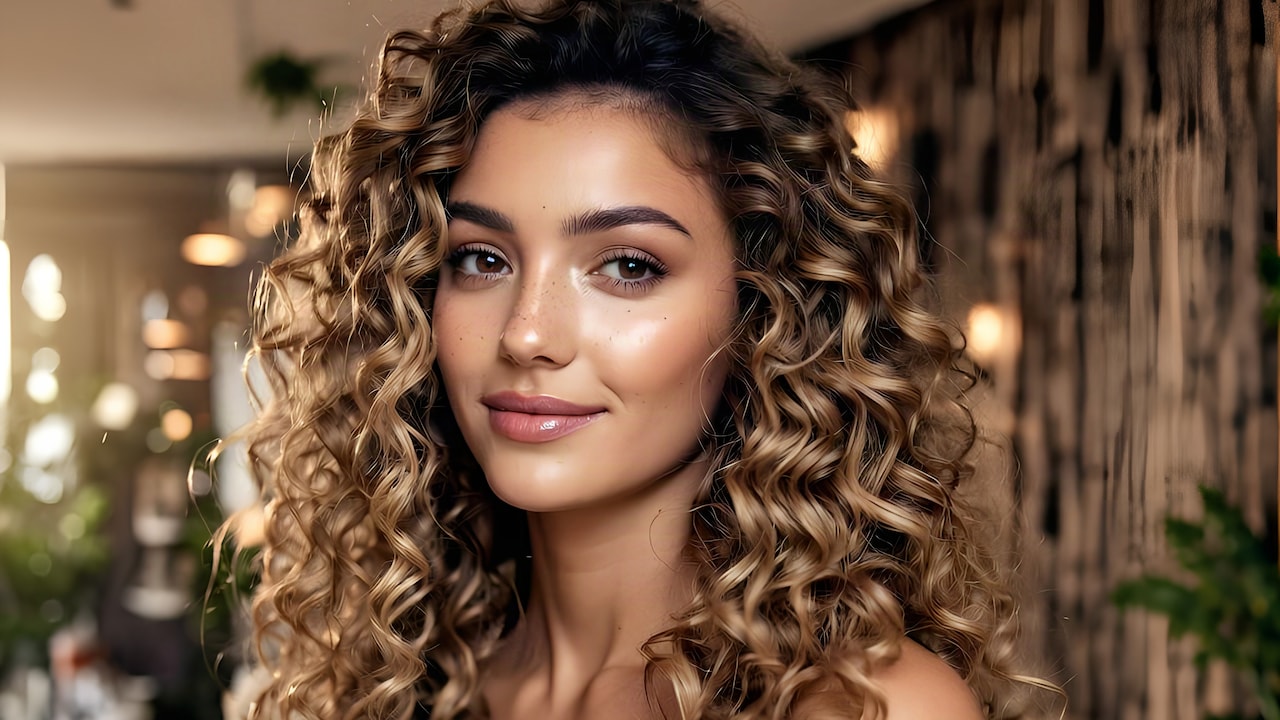
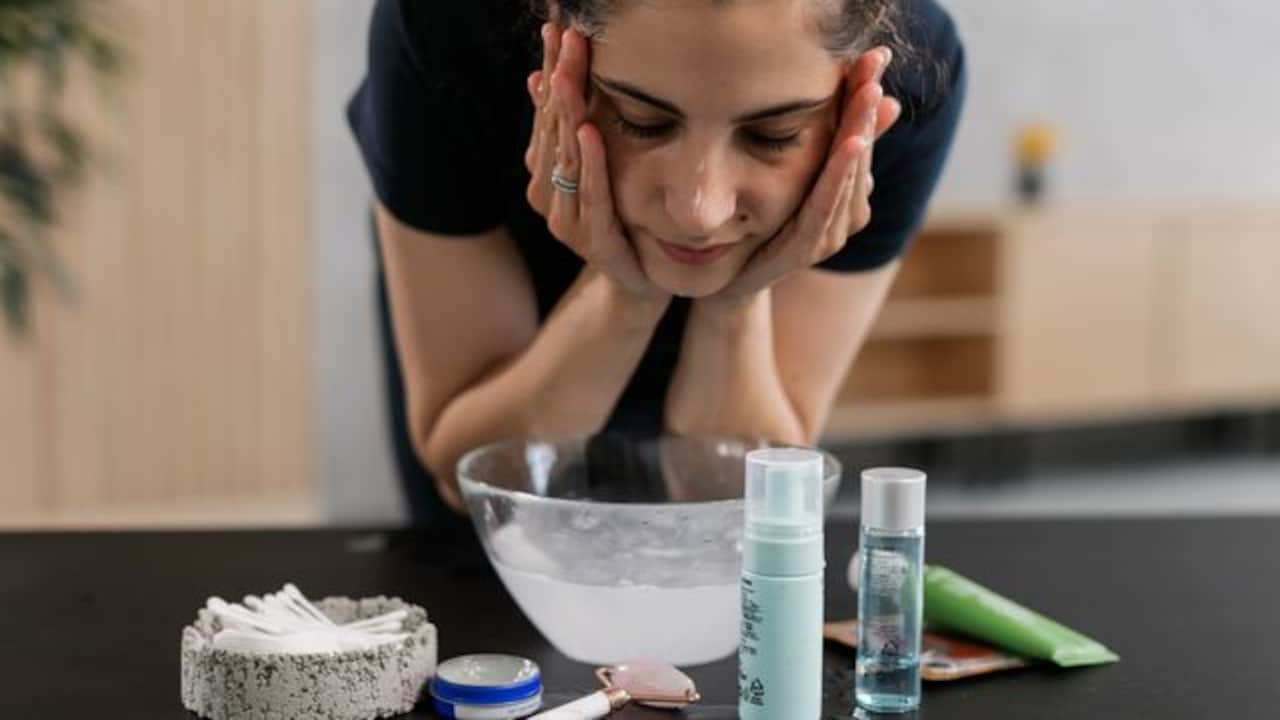
Learn the common mistakes that ruin your conditioner results and how to restore hair softness; Photo Credit: iStock
Why Does Hair Feel Rough Even After Using Conditioner?
While conditioner can smooth the hair cuticle and retain moisture, it is not a complete solution. If your hair still feels rough after conditioning, there may be a deeper issue preventing the product from working effectively. Heat styling, chemical processes, hard water buildup, outdoor exposure, and even a mismatched haircare routine can all leave the hair cuticle sort of lifted rather than sleek. Then your hair ends up feeling dry, knotty, and rough when you run your fingers through it.
Common Reasons Your Hair Still Feels Dry and Rough
1. Product buildup
Silicones, styling products, dry shampoo, and oils can accumulate on your hair over time. This buildup creates a barrier that prevents conditioner from penetrating the hair shaft effectively.
2. Heat and chemical damage
Lots of blow-drying, straightening, curling, bleaching, or colouring can make the hair cuticle a bit more fragile. Damaged cuticles quickly lose moisture, leaving the hair feeling coarse even after conditioning.
3. Hard water minerals
If your water contains high levels of calcium and magnesium, these minerals can coat the hair strands. This residue reduces the effectiveness of conditioners and often leaves hair feeling stiff or rough.
4. Protein-moisture imbalance
Too much protein, and also not enough moisture, can mess up the hair texture a bit. A healthy balance of protein is needed for strength, while moisture is essential for softness.
5. Wrong conditioner for your hair type
Not all conditioners behave the same on everyone's hair. Lighter formulas may not offer enough nourishment for thick or curly hair, but the richer kind can end up weighing down fine hair and fail to actually moisturise it properly.
Also Read: Conditioner Not Working? Common Hair Care Mistakes and Moisturising Tips for Healthier Hair
Step-by-Step: How To Make Hair Feel Soft Again
Step 1: Use a clarifying shampoo occasionally
If product buildup is the issue, use a clarifying shampoo once every two to four weeks. It removes residue that regular shampoos may leave behind, allowing conditioners to work more effectively.
Step 2: Apply conditioner correctly
Concentrate the conditioner on the mid-lengths and the ends, not the scalp. Let it sit for 3 to 5 minutes to let the ingredients seep in.
Step 3: Rinse with cool or lukewarm water
Using very hot water can make the hair cuticle lift, and then you end up removing natural oils. When you finish with cool or lukewarm water, it kind of helps seal the cuticle so the hair feels a lot more silky and smooth.
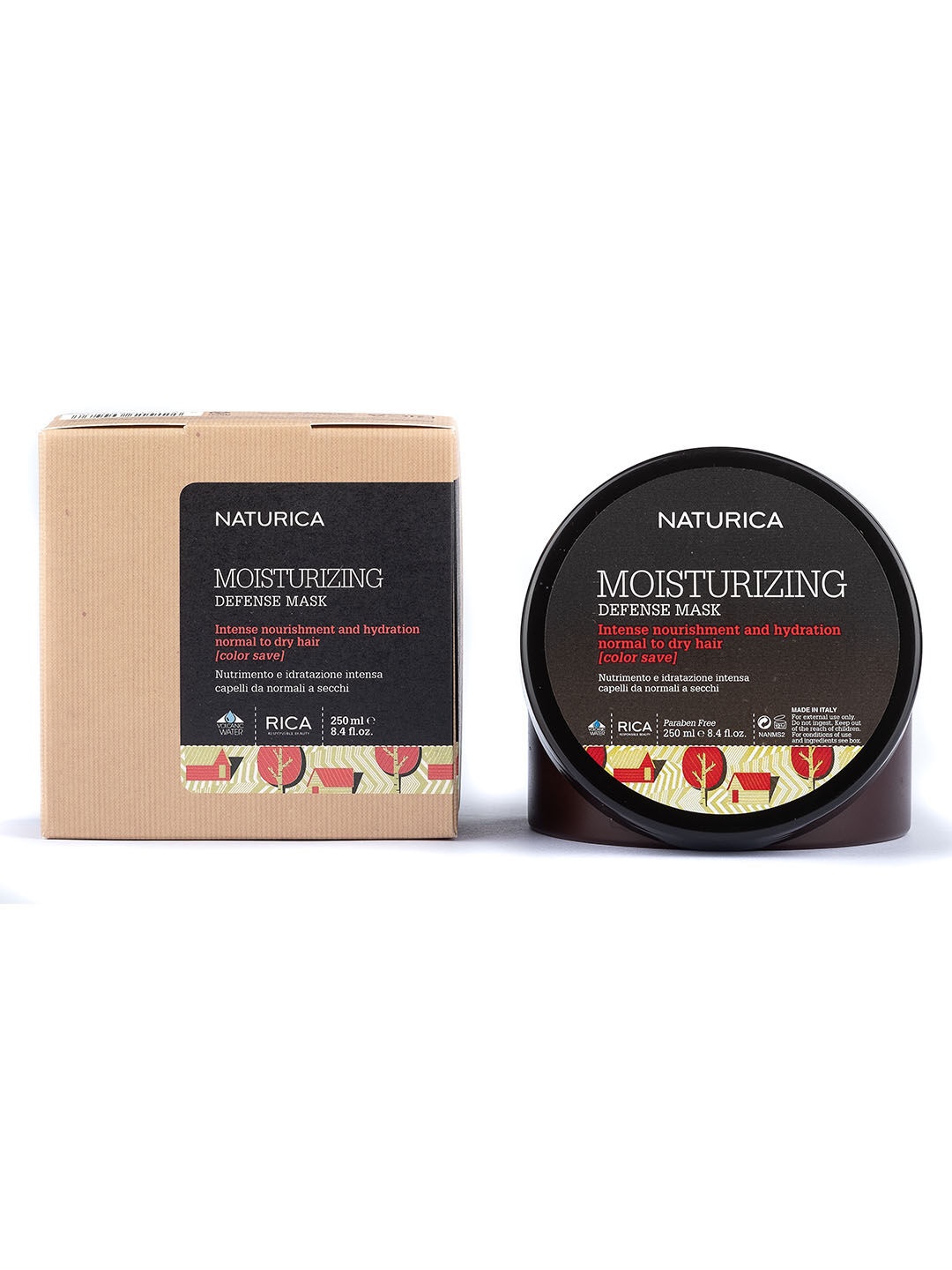
Step 4: Add a weekly deep-conditioning mask
A deep conditioning treatment brings a more concentrated hit of moisture plus nourishing compounds that regular conditioner might not fully give. Try doing it once per week, especially if your hair is dry or feels damaged.
Step 5: Reduce heat styling
Frequent heat styling messes with hair over time. Whenever you can, let it air dry, or at least use a heat-protectant product before you go in with hot tools.
Step 6: Protect hair while sleeping
Cotton pillowcases can cause friction, and that makes the hair cuticle feel rougher overnight. If you switch to a silk or satin pillowcase, it helps lessen breakage and also helps keep moisture from slipping away while you sleep.
Step 7: Trim damaged ends regularly
Split ends really can't be fixed in a permanent way. Getting regular trims every six to eight weeks removes the damaged bits before they crawl up the hair shaft, so things don't get worse.
Step 8: Eat a balanced diet and stay hydrated
Healthy hair begins with a nutritious diet and proper hydration. Protein, iron, omega-3 fatty acids, biotin, zinc, and drinking enough water all help hair grow stronger and end up softer, gradually over time.
When Should You Be Concerned About Rough Hair?
Occasional dryness is common, especially during seasonal changes or after heat styling. But if your hair suddenly gets consistently rougher or brittle or starts snapping way more than usual even though you stick to a solid haircare routine, then it could be smart to check in with a dermatologist or a trichologist.
Things like thyroid problems, nutritional gaps, shifts in hormones, or even scalp conditions can also mess with the feel and texture of your hair, pretty directly.
Can Conditioner Alone Fix Rough Hair?
Conditioner is a crucial component of healthy haircare, but it is just one aspect of the overall process. Using the right products, minimising damage, caring for the scalp, and protecting the hair from external stressors will achieve long-term softness. If you tackle the underlying cause, you will usually get way better results than just swapping conditioners over and over, like it's a quick fix.

Fix rough hair with these effective product tips and routines for ultimate post-shower softness; Photo Credit: iStock
Some Hair Conditioner Products You May Like
1. Moxie Beauty Ultra Hydrating Conditioner
2. Forest Essentials, Ayurvedic Hair Conditioner Bhringraj & Shikakai
3. L'Oreal Paris Fresh Hyaluron Moisture 72HR Moisture Sealing Conditioner
4. TRESemmé Keratin Smooth Anti Frizz Conditioner
5. Bare Anatomy Anti-Dandruff Hair Conditioner
6. Wella Professionals Invigo Nutri-Enrich Conditioner
7. WishCare Multi Peptide Anti Hairfall Conditioner
8. Schwarzkopf Professional Spa Essence Nourishing Conditioner
By selecting these products that match specific hair needs, such as repair, colour protection, or sulfate-free cleansing, you can maintain healthier-looking strands without exceeding your spending limits. A steady routine, combined with appropriate conditioning, contributes to a softer texture and improved control over time. Shop now on Amazon
Frequently Asked Questions (FAQs)
1. Why is my hair rough immediately after washing it?
This can happen due to hard water, over-cleansing, product buildup, or using a shampoo that is too harsh for your hair type.
2. Can hard water make hair feel rough even after conditioning?
Yes. Mineral deposits from hard water can coat the hair, making it feel dry, stiff, and difficult to soften with conditioner alone.
3. How often should I deep condition rough hair?
Most people with dry or damaged hair benefit from deep conditioning once a week. Extremely damaged hair may require more frequent treatments based on product instructions.
4. Is rough hair always a sign of damage?
Not necessarily. Temporary dryness, humidity, weather changes, or buildup can also make hair feel rough without causing permanent damage.
5. What ingredients should I look for in a conditioner for rough hair?
Look for ingredients like shea butter, argan oil, glycerin, hyaluronic acid, ceramides, coconut oil, or panthenol, which help hydrate and smooth the hair cuticle.
(Disclaimer: This article may include references to or features of products and services made available through affiliate marketing campaigns. NDTV Convergence Limited (“NDTV”) strives to maintain editorial independence while participating in such campaigns. NDTV does not assume responsibility for the performance or claims of any featured products or services.)