Why Your Shampoo Makes Hair Rough: The Surfactant Problem
Your shampoo may be making your hair rough. Harsh surfactants strip natural oils, lift the cuticle, and cause frizz, dryness, and tangles. This is what is really happening, and how to fix it.
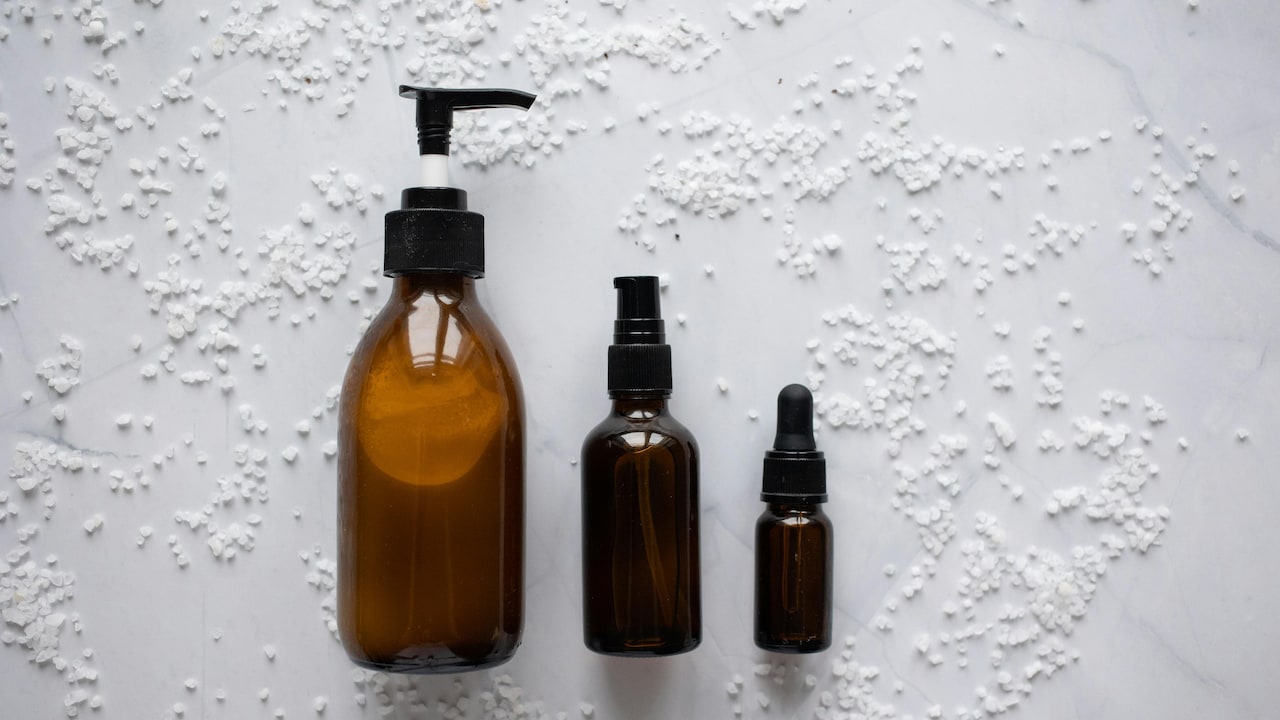
Why Shampoo Makes Hair Rough - Surfactants, Sulphates; Know What to Use Instead Too.
Hair problems have a special talent for ruining good moods. A great outfit, a solid plan, even a perfect cup of chai, all can collapse when the mirror shows hair that looks dry, rough, and offended by existence.
Most people blame the weather, hard water, stress, hormones, “heat damage”, or the evil eye from that one aunt who compliments too loudly. Sometimes those are real factors. But there's a quieter, more common reason that hides in plain sight: the shampoo.
Shampoo is meant to clean. But cleaning can turn into over-cleaning. And over-cleaning is how hair starts feeling like it has been scrubbed with a dishwashing liquid. The main player behind this is the surfactant, the ingredient that makes shampoo foam, removes oil, and gives that satisfying “fresh” feeling.
The twist is simple: the same thing that makes shampoo effective can also make hair rough. Once you understand surfactants, haircare stops feeling like a confusing guessing game and starts feeling… manageable. Almost suspiciously manageable.
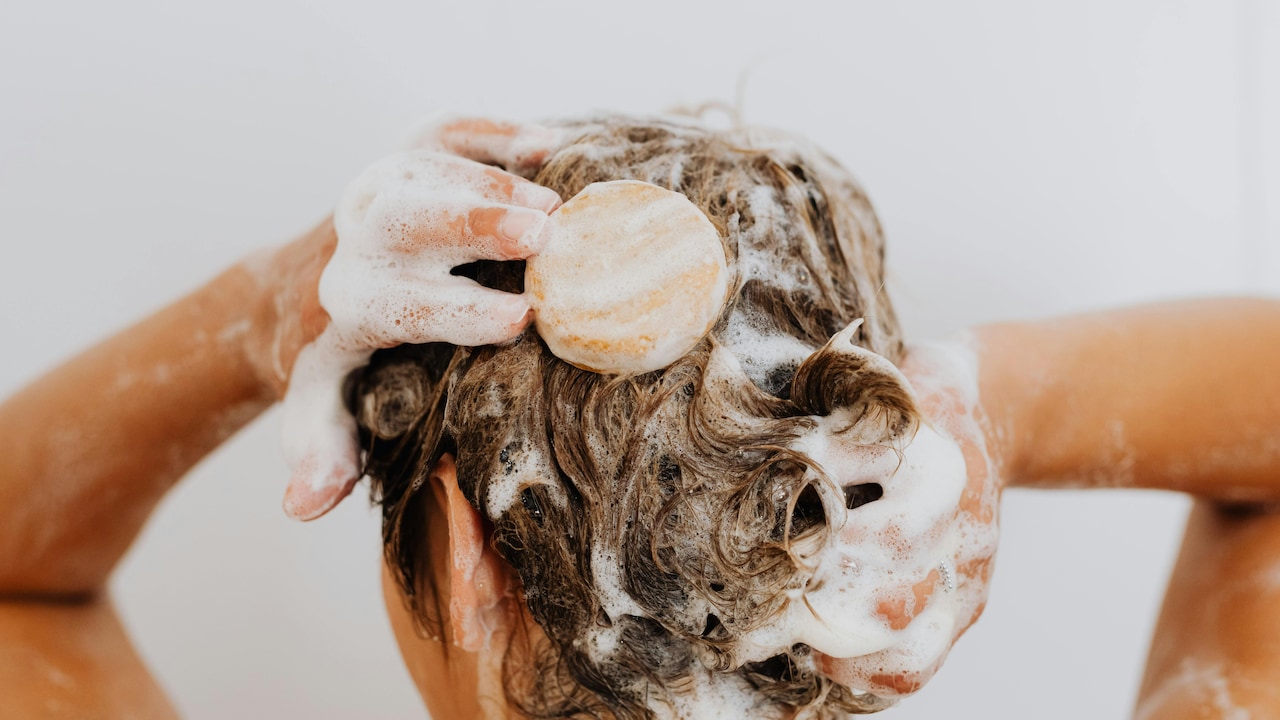
Why Your Shampoo Makes Hair Rough: The Surfactant Problem
Photo Credit: Pexels
Top 10 Surfactant Mistakes That Turn Smooth Hair Rough
1) The “Squeaky Clean” Feeling Is Not a Compliment
A lot of shampoos sell the idea that squeaky clean equals healthy. That sharp, stripped feeling after washing can feel like proof the shampoo worked. But hair does not need to feel like a freshly washed steel plate.
That squeak happens when the shampoo removes not only dirt and sweat, but also the natural oils that coat the hair shaft. These oils act like a protective jacket. They reduce friction, add softness, and help hair lie flat instead of puffing up like a startled cat.
When surfactants strip too much oil, the hair cuticle lifts slightly. That makes strands catch against each other. The result is roughness, tangling, and breakage, even if hair looks shiny for a day.
It's like washing your face with a strong soap bar. The face feels “clean”, yes. Then five minutes later, it feels tight, dry, and slightly angry. Hair behaves the same way, just with fewer complaints and more split ends.
2) Surfactants: The Tiny Cleaners With Big Attitude
Surfactants sound intimidating, but the idea is simple. They are molecules with two personalities. One side loves water. The other side loves oil. That's why they can lift oily grime off hair and rinse it away.
The problem starts when the surfactant behaves like an overenthusiastic cleaner. Some surfactants are very strong and remove oil aggressively. They don't stop at “enough”. They go for “everything must go”.
This is why two shampoos can feel completely different even if both claim to be “for smooth hair” or “for frizz control”. The surfactant decides how the wash feels.
A strong surfactant can make the scalp feel fresh, but it can also roughen the hair's surface. That roughness shows up as frizz, dryness, dullness, and the kind of tangling that turns a simple combing session into a full emotional experience.
Surfactants are not villains. They are tools. The trouble comes from using the wrong tool too often.
3) Sulphates: The Famous Ones Everyone Loves to Hate
Sulphates have become the celebrity gossip of haircare. The moment someone hears “SLS” or “SLES”, they react as if the shampoo personally insulted their family.
The truth is more nuanced. Sulphates are strong surfactants. They create rich foam and remove oil very efficiently. That's why they work well for people with very oily scalps, heavy styling products, or frequent exposure to pollution.
But for many people, sulphates are simply too intense for regular use. They can strip the hair shaft and irritate the scalp. Hair feels rough, especially at the ends. The scalp can feel tight or itchy. Some people even notice more frizz and more breakage over time.
In hot, humid cities, hair already deals with sweat, dust, and friction. Add a harsh surfactant, and the hair becomes dry, but the scalp becomes oily again quickly. Then people wash more often. Then the hair gets rougher. It becomes a dramatic cycle.
Sulphates aren't evil. They're just not a daily driver for everyone.
4) Your Hair Is Not One Thing: Scalp and Length Want Different Treatment
A big reason shampoos cause roughness is that people treat the scalp and the hair length as one unit. They are not.
The scalp is skin. It produces oil. It gets sweaty. It needs cleansing. The hair length, especially mid-length to ends, is dead fibre. It does not “heal”. It cannot produce oil. It only holds onto whatever moisture and conditioning it already has.
When shampoo with strong surfactants runs down the length every wash, it repeatedly strips the most vulnerable part of hair. That's why the scalp may feel fine, but the ends feel rough and straw-like.
This gets worse if hair is long, coloured, chemically treated, or frequently styled. It also gets worse if the hair rubs against backpacks, dupattas, helmet straps, and the rough cotton of everyday life.
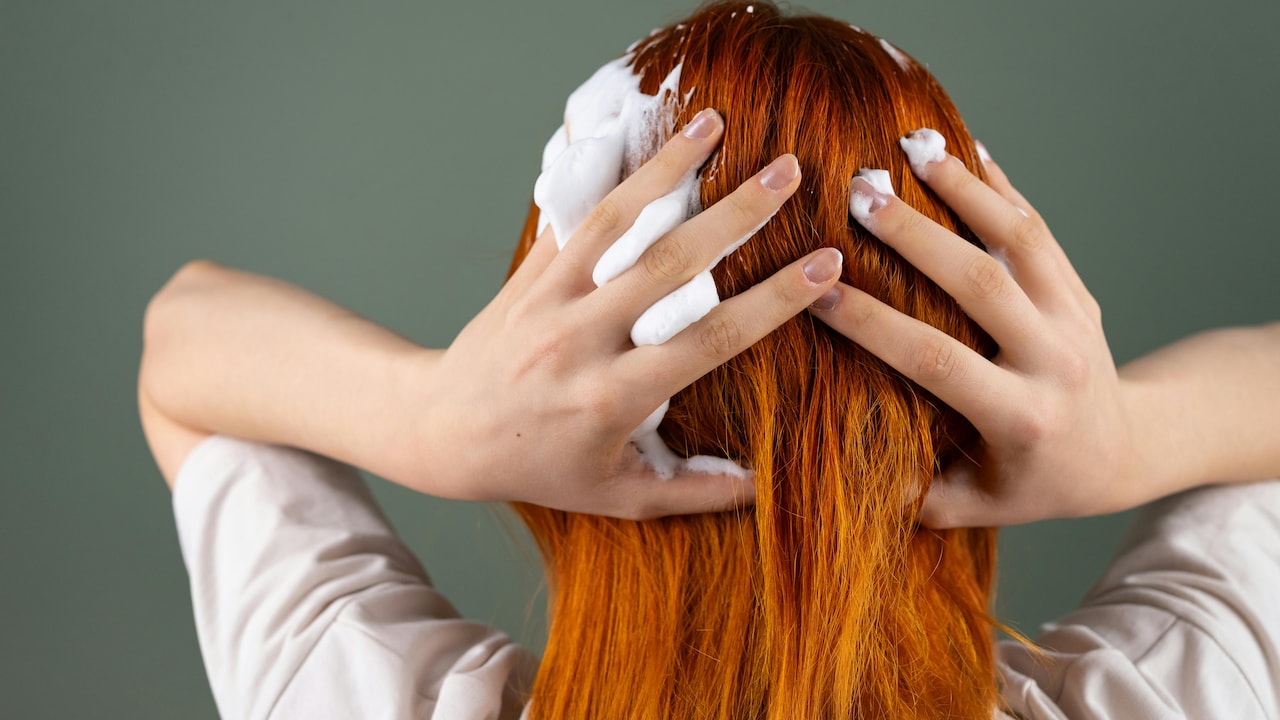
A simple shift helps: focus shampoo on the scalp. Let the foam rinse down gently. Hair length needs cleansing, but it rarely needs aggressive scrubbing.
5) Hard Water Makes Surfactants Act Worse
Many households deal with hard water. Hard water contains minerals like calcium and magnesium. These minerals interact with surfactants in a way that can make shampoo less effective and more irritating.
The shampoo may not rinse cleanly. It may leave residue. Hair may feel coated yet rough. The scalp may feel squeaky but still not clean. Then people add more shampoo, thinking they didn't use enough. The surfactant load increases. Hair gets drier. Everyone loses.
Hard water can also make hair look dull and feel stiff. When hair already feels rough due to mineral buildup, a strong surfactant can make it worse by lifting the cuticle and increasing friction.
This is why someone can use the same shampoo in one city and love it, then move to another city and suddenly hate it. It's not always the shampoo that's changing. Sometimes the water changes, and the surfactant chemistry becomes a different beast.
A clarifying wash occasionally helps, but doing it too often can worsen roughness. Balance matters.
6) Overwashing Turns Your Scalp Into a Panic Factory
There's a belief that washing hair more often keeps it healthier. A clean scalp equals a healthy scalp. That's partly true. But overwashing can trigger a rebound effect.
When strong surfactants strip too much oil, the scalp gets a signal: “Oil is gone. Emergency.” Then it produces more oil to protect itself. The scalp becomes oily faster. Hair looks greasy sooner. So people wash again. And again.
Meanwhile, the hair length suffers because it never gets a chance to retain natural lubrication. Ends become rough and frizzy. Breakage increases. Hair starts looking thinner even if it's not actually thinning.
This is one reason people feel trapped: wash daily and hair gets rough, skip washing and scalp feels oily. It's not a personal failure. It's the scalp trying to restore balance after repeated stripping.
A gentler surfactant system, or alternating shampoos, often breaks this cycle. So does using less shampoo than the bottle suggests. Those “coin-sized amount” instructions can be hilariously unrealistic for thick hair.
7) Foam Is Not the Same as Cleaning
Foam has excellent marketing. It makes people feel the shampoo is working. Thick lather feels luxurious. It feels satisfying. It feels like value for money.
But foam is not a measure of gentle cleansing. It's mostly a measure of how a surfactant behaves in water. Some mild shampoos barely foam but clean well. Some harsh shampoos foam like a Bollywood dance number and leave hair dry.
Many people associate low foam with “not clean” and use more product. That increases surfactant exposure and roughness. The hair becomes dry, so they buy a heavier conditioner. Then the hair feels coated. Then they use stronger shampoo to remove the coating. It becomes a full soap opera.
There's also a psychological trick: foam spreads easily. It makes it easier to rub the hair length. That rubbing creates friction and cuticle damage, especially on wet hair, which is more fragile.
A good wash does not need drama. It needs efficiency. Hair should feel clean, not punished.
8) “Herbal” or “Natural” Can Still Be Harsh
A shampoo can be marketed as herbal, botanical, ayurvedic, or natural and still contain strong surfactants. Labels can be charming. Ingredients are less romantic.
Some plant-based surfactants are mild, but not all. Some “natural” cleansers can still be stripping, especially if combined with essential oils or strong extracts that irritate sensitive scalps.
Then there's the classic situation: a shampoo smells like a spa, claims to be gentle, and yet hair feels rough afterwards. People feel confused and betrayed. The truth is that the surfactant system matters more than the vibe.
Also, some “herbal” shampoos skip conditioning agents. Hair feels clean but rough because nothing is added back to smooth the cuticle. That can work for very oily hair, but for most people, it creates frizz and tangling.
A good shampoo is not defined by whether it sounds ancient or modern. It's defined by how it cleans and how it leaves the hair afterwards.
9) Rough Hair After Shampoo Is Often a Cuticle Problem
Hair strands have an outer layer called the cuticle. Think of it like tiny overlapping tiles on a roof. When the cuticle lies flat, hair looks smooth and shiny. When it lifts, hair looks frizzy and feels rough.
Harsh surfactants lift the cuticle by stripping oils and increasing friction. Hard water and heat styling add to the damage. So does rough towel drying, aggressive combing, and washing with very hot water.
Once the cuticle is lifted, hair tangles more. When you detangle, you pull. When you pull, you break strands. That breakage makes hair feel even rougher because the ends become uneven.
This is why “rough hair” is not always about moisture alone. It's about surface smoothness. You can pour all the oils in the world on top, but if the cuticle is constantly being roughed up, softness won't last.
Conditioners help by smoothing the surface. But the root fix is choosing surfactants that clean without constant cuticle chaos.
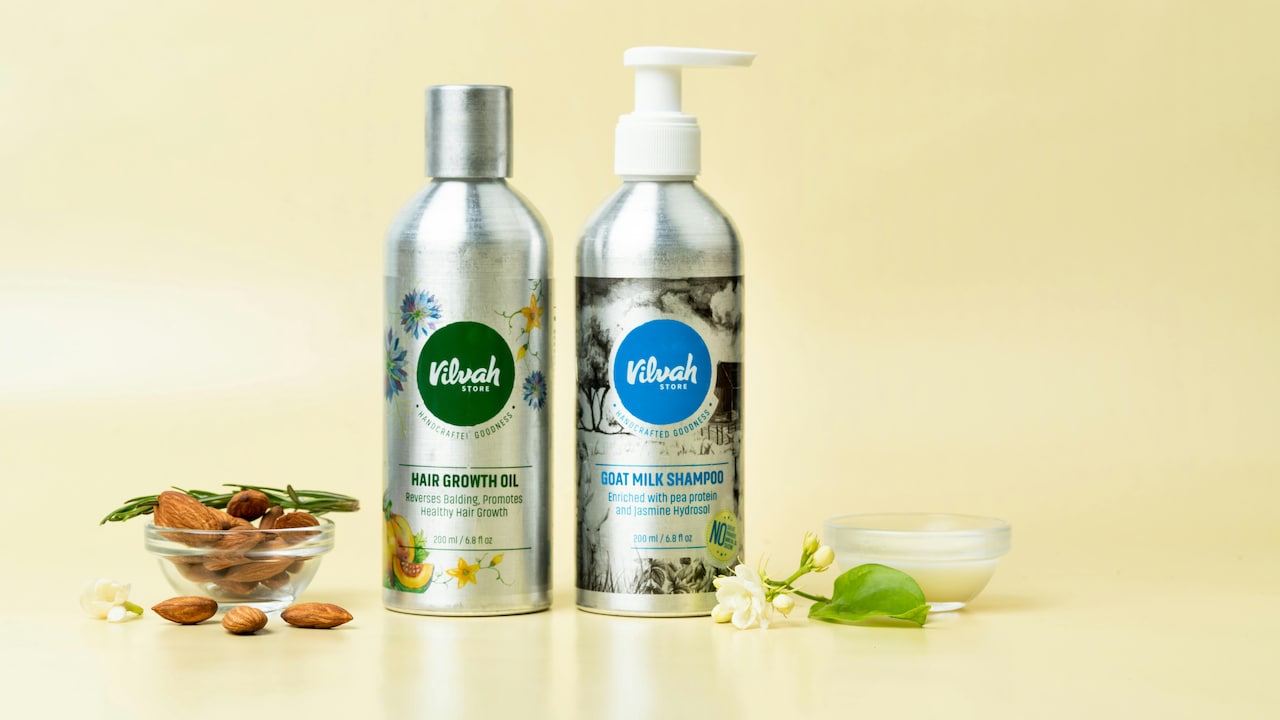
Why Your Shampoo Makes Hair Rough: The Surfactant Problem
Photo Credit: Pexels
10) The Fix: Choose Smarter Cleansers, Not More Products
Most people try to solve roughness by adding more: more serums, more masks, more oils, more treatments. That can help, but it often treats the symptom, not the cause.
If the shampoo keeps stripping the hair, the roughness returns no matter how expensive the conditioner is. Even a ₹1,200 hair mask cannot win against a daily surfactant assault.
A more effective approach is adjusting the cleansing system. A gentler shampoo, used properly, changes everything. Many people do well with sulphate-free or low-sulphate formulas, especially if hair is dry, curly, wavy, coloured, or prone to frizz.
Another practical approach is alternating: use a stronger shampoo once a week to remove buildup, then use a gentle one for regular washes. This works well in humid cities where sweat and pollution are real.
Also, technique matters. Use shampoo mainly on the scalp. Avoid piling hair on top of the head and scrubbing lengths. Rinse thoroughly. Follow with conditioner on the mid-lengths and ends. Keep it simple.
Haircare should not feel like preparing for an exam.
Products Related To This Article
1. WishCare Multi Peptide Anti Hair Fall Shampoo for Frizzy Hair & Hairfall Control
2. Love Beauty & Planet Argan Oil & Lavender Sulfate Free Smooth and Serene Shampoo
3. Pilgrim Australian Tea Tree Anti-Dandruff Shampoo With Salicylic Acid
4. Mamaearth Onion Shampoo
5. KHADI MEGHDOOT Set Of 2 Satreetha Shampoo for Hair Fall Control & Scalp Care
6. Scalpe Pro Daily Anti Dandruff Shampoo
7. LOreal Professionnel Xtenso Care Shampoo for Frizz-Free, Smooth & Manageable Hair
Rough hair after shampoo is not a mystery. It's often a surfactant story. Shampoo's job is to cleanse, but cleansing has a limit. When surfactants strip too much, hair loses its protective oils, the cuticle lifts, and softness disappears. The result is frizz, tangles, dryness, and the dreaded “straw” texture that makes people stare at the mirror like it personally betrayed them.
The good news is that this problem is fixable without a complete bathroom makeover. A smarter shampoo choice, a gentler washing technique, and a little respect for the difference between scalp and hair length can change the entire hair experience.
Hair does not need to be squeaky. It needs to be balanced. Clean enough to feel fresh, gentle enough to feel soft. And if a shampoo leaves hair rough every single time, it's not “your hair being difficult”. It's the surfactant being a bit too enthusiastic.
(Disclaimer: This article may include references to or features of products and services made available through affiliate marketing campaigns. NDTV Convergence Limited (“NDTV”) strives to maintain editorial independence while participating in such campaigns. NDTV does not assume responsibility for the performance or claims of any featured products or services.)