Why SPF Works Differently On Face Vs Body
SPF doesn't perform the same on your face and body. Differences in skin thickness, oil levels, sweat and exposure change how sunscreen protects. Here's why one formula rarely fits all.
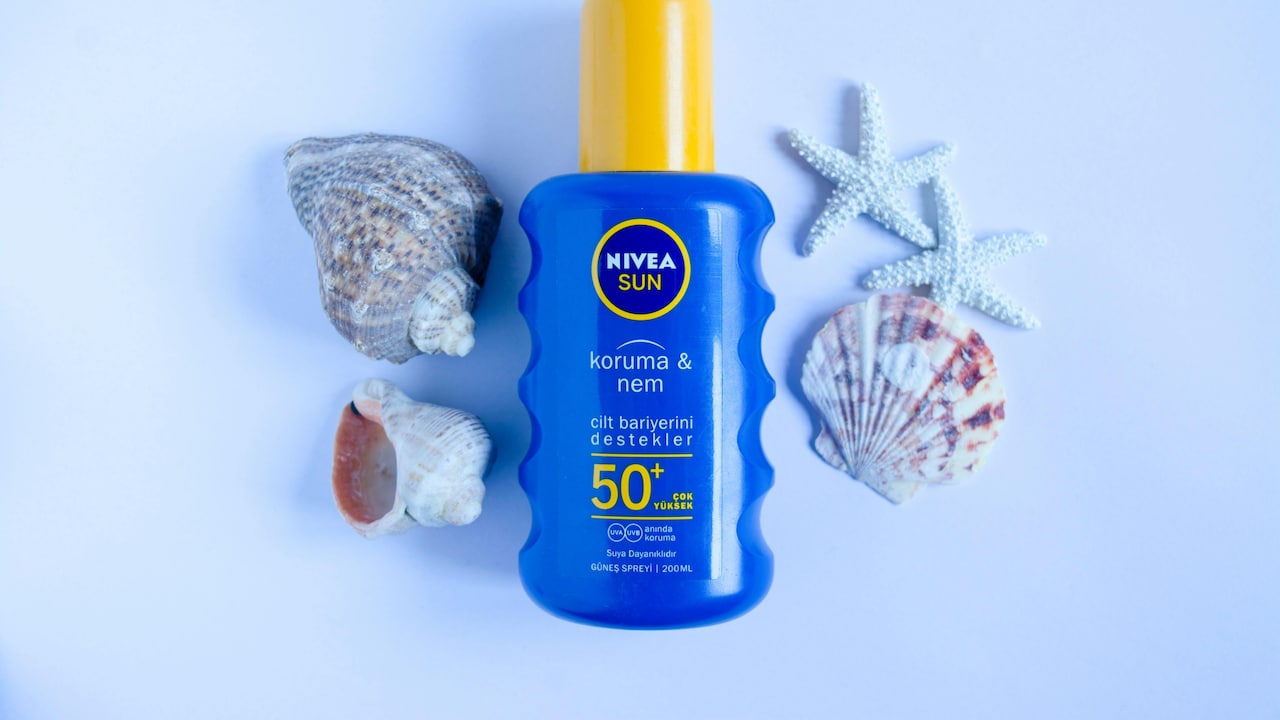
Why SPF Works Differently On Face Vs Body: What You Need To Know.
Sunscreen often feels like a simple step. Pick a bottle, check the SPF number, apply generously, and step out. Yet anyone who has used the same sunscreen on their face and arms knows something feels different. The face may turn greasy, sting around the eyes, or break out. Meanwhile, the arms feel fine. Or the opposite happens: the body burns despite careful application, while the face stays protected.
SPF, or Sun Protection Factor, measures defence against UVB rays. However, skin does not behave uniformly from head to toe. Climate, pollution, sweat, and even lifestyle play a role. Daily commutes in humid heat, bike rides through dusty streets, or long hours at cricket matches change how sunscreen performs. A formula that works beautifully on the shoulders may clog pores on the nose.
Understanding why SPF works differently on the face versus the body helps in choosing skincare products wisely. It also prevents wasted money and irritated skin. The differences lie deeper than packaging.

Why SPF Works Differently On Face Vs Body; Photo Credit: Pexels
The Science Behind Why One Sunscreen Isn't Enough
Skin Thickness And Structure
Facial skin tends to be thinner and more delicate than the skin on arms, legs, and back. Cheeks and eyelids especially have fine layers that react quickly to irritation. Body skin, particularly on the thighs or back, carries a thicker outer layer. That thickness changes how sunscreen sits and absorbs.
When sunscreen rests on thinner skin, it penetrates slightly faster and may cause tingling or redness if the formula feels harsh. Fragrance, alcohol, or strong chemical filters often trigger reactions on the face first. The body rarely protests in the same way.
The face also contains more nerve endings. That sensitivity makes every texture noticeable. A heavy cream that feels comforting on dry elbows can feel suffocating on the forehead. For this reason, facial sunscreens usually come in lighter gels, fluids, or lotions. They spread smoothly and settle quickly.
Choosing a body sunscreen for the face may save ₹300, yet it can lead to irritation, uneven texture, and frustration. Structure alone explains part of the story.
Oil Production And Breakouts
Sebaceous glands cluster densely on the face. The T-zone often shines by midday, especially in humid cities. Sweat mixes with oil, pollution particles cling to the skin, and clogged pores follow. Body skin produces oil too, but far less dramatically.
Because of this, SPF on the face must balance protection with breathability. Thick, occlusive formulas trap oil and trigger breakouts. Acne-prone skin reacts quickly. A sunscreen that feels nourishing on dry arms might feel greasy and heavy across the cheeks.
Facial SPFs often include ingredients that control shine. Matte finishes, oil-free bases, and non-comedogenic labels cater to this need. Body sunscreens rarely focus on pore congestion. They prioritise coverage and water resistance instead.
Imagine applying a rich body sunscreen before heading to a crowded metro during peak summer. Within hours, the face may look like it needs blotting paper. The arms, however, remain comfortable. Oil production drives this contrast. The face demands a smarter balance between protection and clarity.
Also Read: Using Sunscreen? Here Is How to Read SPF Labels Without Getting Confused
Sun Exposure Patterns
The face faces the sun more directly than most parts of the body. Even during short errands, the face receives steady exposure. The neck and hands follow closely behind. Meanwhile, arms and legs may stay covered by clothing for much of the day.
Because of this constant exposure, facial sunscreen often includes added features such as higher UVA protection and antioxidants. UVA rays contribute to ageing and pigmentation. Dark spots and uneven tone commonly appear first on the cheeks and forehead.
Body skin, although exposed during outdoor activities, does not face the same daily intensity. A long weekend at the beach demands heavy-duty protection for shoulders and back. Yet on a typical workday, the face absorbs more cumulative damage.
Repeated exposure explains why fine lines appear earlier around the eyes. Facial SPFs therefore aim to defend against both immediate burns and long-term ageing. Body sunscreens focus more on preventing sunburn during prolonged outdoor time.
Sweat And Climate
Hot weather changes everything. Sweat flows freely during afternoon traffic, outdoor weddings, or festive processions. The face sweats more visibly. Sweat mixes with sunscreen and causes it to slip, sting, or run into the eyes.
Body skin sweats too, yet the impact feels less dramatic. A bit of stickiness on the arms rarely causes concern. However, sunscreen dripping into the eyes during a bike ride feels unbearable.
Facial sunscreens often contain lightweight, sweat-resistant formulas. They set quickly and reduce migration. Some even promise a semi-matte finish to survive humidity. Body sunscreens, especially those designed for swimming, prioritise water resistance. They create thicker barriers to withstand long exposure.
Climate plays a major role here. Coastal humidity differs from dry heat in inland cities. The face reacts instantly to these shifts. A sunscreen that behaves perfectly in cooler months may feel overwhelming in peak summer.
Sweat changes how SPF performs, particularly on the face. That difference shapes formulation and experience.

Why SPF Works Differently On Face Vs Body; Photo Credit: Pexels
Cosmetic Compatibility
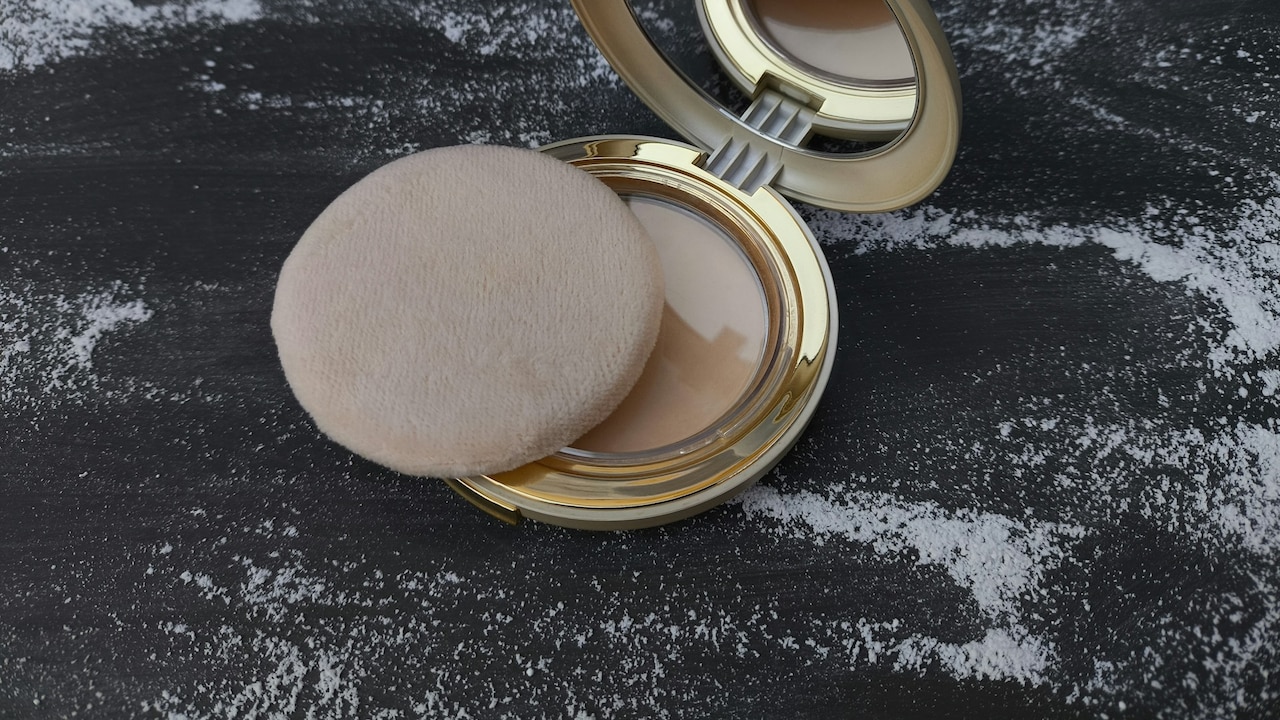
Make-up complicates facial sunscreen. Many people layer moisturiser, SPF, foundation, and compact powder before stepping out. If sunscreen pills or feels sticky, the entire routine suffers. The body rarely faces this issue. No one applies foundation to their arms before work.
Facial SPFs must blend seamlessly with cosmetics. They need to sit smoothly under makeup and avoid flashbacks in photographs. A greasy base can cause the foundation to slide. A heavy white cast can alter skin tone.
Body sunscreens do not carry this burden. They simply need to protect and feel comfortable. A slight sheen on the shoulders rarely matters.
This cosmetic compatibility explains why facial sunscreens often cost more. They combine skincare and sun care in one product. The formula must protect, hydrate, and cooperate with other layers.
Skipping facial SPF because it ruins make-up often leads to tanning and pigmentation. Choosing the right texture solves the issue. The face demands finesse. The body demands endurance.
Sensitivity And Eye Area
The area around the eyes remains one of the most sensitive parts of the body. Chemical filters sometimes cause stinging when sweat carries them into the eyes. Redness and watering follow quickly.
Body skin, especially on arms or legs, does not contain such delicate zones. Even if a product feels slightly strong, discomfort rarely escalates.
Facial sunscreens often use gentler filters or mineral options like zinc oxide. These ingredients reduce irritation. Brands also test facial formulas more rigorously for sensitivity.
Anyone who has experienced burning eyes during a sunny commute understands the difference. That discomfort discourages regular use. A comfortable facial SPF encourages daily application.
The face needs sunscreen that respects delicate areas. The body tolerates stronger blends without complaint. Sensitivity shapes performance more than many realise.
Reapplication Habits
Experts recommend reapplying sunscreen every two to three hours. In reality, most people forget. Reapplication on the body feels easier during beach holidays. One can slather lotion across arms and shoulders without much fuss.
Reapplying to the face feels more complicated. Make-up, sweat, and busy schedules create barriers. Sprays, sticks, and powders now target facial reapplication specifically. These formats minimise disruption.
Because facial sunscreen often stays on longer without touch-ups, it must perform consistently. It must resist breakdown from oil and pollution. Body sunscreen, during outdoor activities, often gets reapplied more generously.
This behavioural difference affects how SPF works. A body sunscreen may provide excellent protection when reapplied often. A facial sunscreen must maintain defence even during long office hours.
Practical habits influence effectiveness. Skin type matters, but routine matters too.
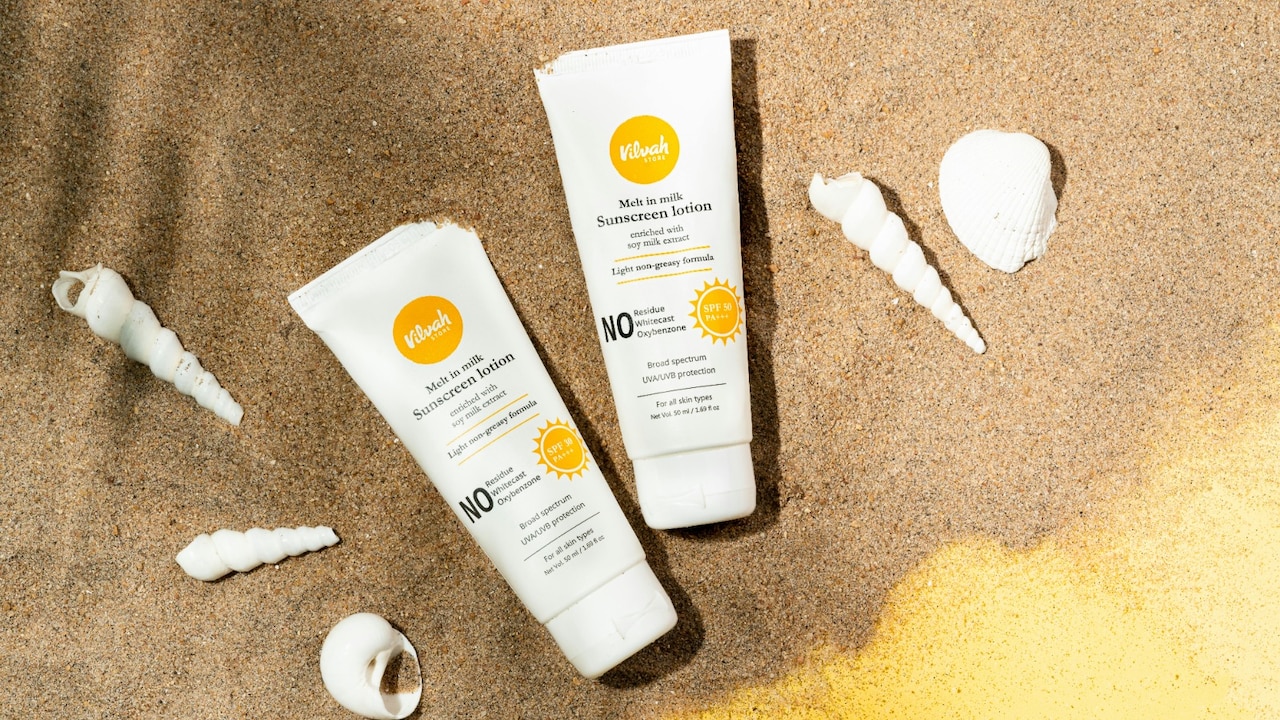
Why SPF Works Differently On Face Vs Body; Photo Credit: Pexels
Pollution And Environmental Stress
Urban environments expose facial skin to dust, smoke, and pollutants. These particles cling to the face throughout the day. Pollution increases oxidative stress and worsens pigmentation.
Facial sunscreens frequently include antioxidants such as vitamin C or E. These ingredients fight free radicals and reduce environmental damage. Body sunscreens rarely emphasise this function.
The face also receives more frequent cleansing. Double cleansing at night removes sunscreen, pollution, and grime. Body skin often gets a quick wash. This difference affects how sunscreen interacts with the skin barrier.
Environmental stress adds another layer to facial SPF performance. Protection extends beyond UV rays. It includes defence against everyday city life.
Body skin faces pollution too, yet the face stands on the frontline. Sunscreen reflects this reality.
Ageing Concerns
Fine lines, dark spots, and uneven texture appear earlier on the face. People often invest heavily in facial serums and creams. A small 50 ml tube priced at ₹700 feels reasonable for the face. The same price for body sunscreen feels excessive.
Because of these ageing concerns, facial SPFs often combine anti-ageing ingredients. Peptides, hyaluronic acid, and niacinamide appear frequently in facial formulas.
Body skin ages too, yet the focus remains lower. Many only notice tanning or sunburn on the arms and back. The emotional response differs. Facial ageing affects confidence more deeply.
This difference drives innovation in facial sun care. Brands design formulas that promise glow, brightness, and smoother texture. Body sunscreens focus on coverage and hydration.
Ageing anxiety shapes expectations. SPF adapts accordingly.
Application Quantity And Coverage
Dermatologists recommend using roughly two finger-lengths of sunscreen for the face and a generous amount for the body. In practice, most people underapply, especially on the face. Fear of greasiness leads to thinner layers.
Under-application reduces SPF effectiveness dramatically. A sunscreen labelled SPF 50 may deliver far less when applied sparingly. Because facial formulas feel lighter, they encourage adequate use.
Body sunscreen often gets applied more generously during outdoor events. However, some miss areas such as the back of the neck or ears. Uneven coverage leads to patchy tanning.
Texture influences quantity. A comfortable facial sunscreen promotes consistent use. A sticky one leads to shortcuts.
SPF works best when applied correctly. Differences in texture and habit alter real-world performance between face and body.
Products Related To This Article
1. Aqualogica Everyday Glow+ Combo - Dewy Sunscreen 50g & Smoothie Face Wash
2. Minimalist SPF 50 Sunscreen With Niacinamide
3. Hyphen All I Need Sunscreen SPF50 PA++++ In-Vivo Tested Moisturizing Sunscreen
4. FIXDERMA Shadow SPF 50+ UVA & UVB Protection Gel Sunscreen
5. Reequil Ultra Matte Dry Touch Sunscreen Gel SPF 50 PA++++
6. Aqualogica Illuminate+ Dewy Sunscreen SPF 50+ PA++++
7. DR. SHETHS Ceramide & Vitamin C Sunscreen SPF 50+ In-Vivo Tested
SPF Sunscreen may carry one label, yet skin tells a more complex story. The face and body differ in thickness, oil production, sensitivity, and exposure. Climate, pollution, and daily routine further shape how SPF behaves.
Using one product for everything might seem convenient. However, understanding these differences leads to better choices. A lightweight, gentle facial SPF protects delicate skin without clogging pores. A sturdy, water-resistant body sunscreen shields arms and shoulders during long days outdoors.
Smart sun care does not demand luxury. It demands awareness. Spending ₹500 wisely on the right formula saves far more in future treatments for pigmentation or premature ageing.
The sun shines generously across the country. With thoughtful selection and consistent use, skin can enjoy that warmth without regret. SPF works differently on the face and body for clear reasons. Respecting those differences keeps skin healthy, comfortable, and confidently protected every single day.
(Disclaimer: This article may include references to or features of products and services made available through affiliate marketing campaigns. NDTV Convergence Limited (“NDTV”) strives to maintain editorial independence while participating in such campaigns. NDTV does not assume responsibility for the performance or claims of any featured products or services.)