Worried About Perfumes Fading Too Quickly? How Concentration Affects Longevity
Does your perfume vanish too quickly? The secret often lies in fragrance concentration. From eau de cologne to parfum, understanding oil levels can help you choose scents that last longer and make every spritz worth it.
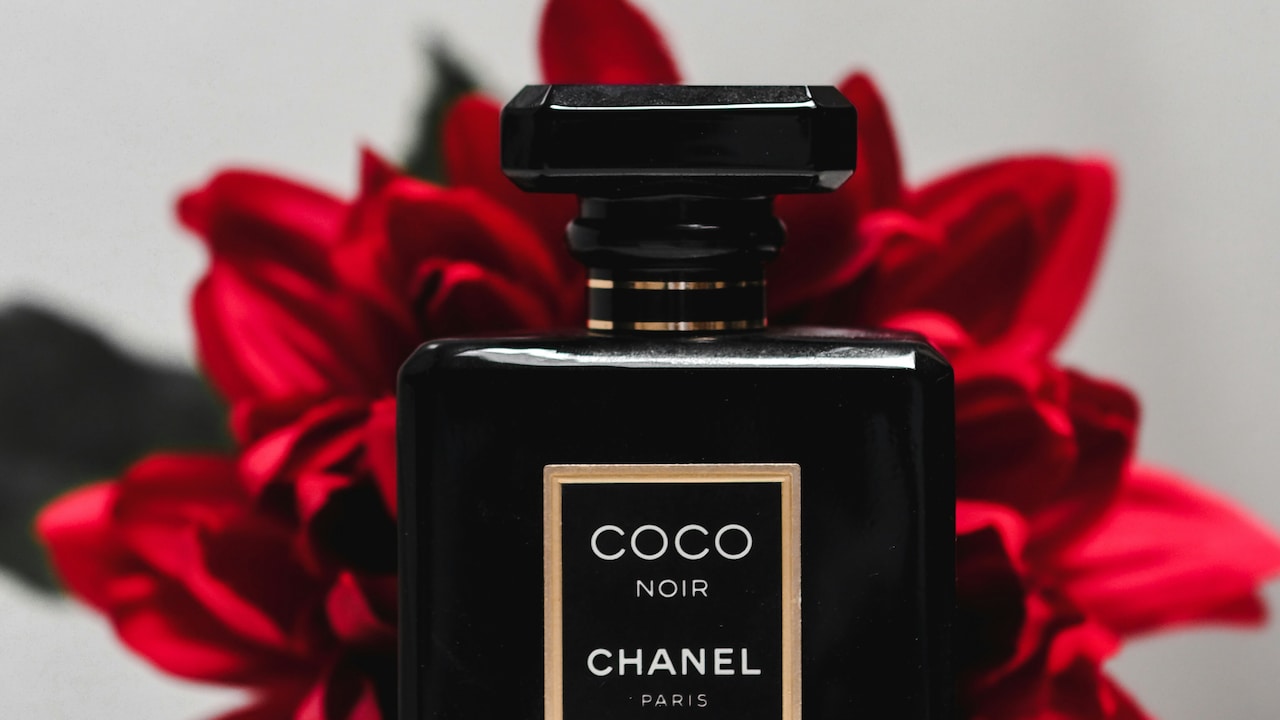
Why Your Perfume Fades Quickly: Understanding Fragrance Concentration And Longevity.
A spritz of perfume often feels like the finishing touch before stepping out. Clothes look crisp, shoes shine, and a fragrance adds that invisible confidence boost. Yet frustration creeps in when a lovely scent fades before lunch. One moment, the fragrance smells delightful; the next, it seems to vanish completely.
Many blame the brand, the weather, or even the skin. However, the real answer often hides in something simple: perfume concentration. Not every fragrance carries the same strength. Some deliver a light, breezy aroma that disappears quickly, while others linger well into the evening.
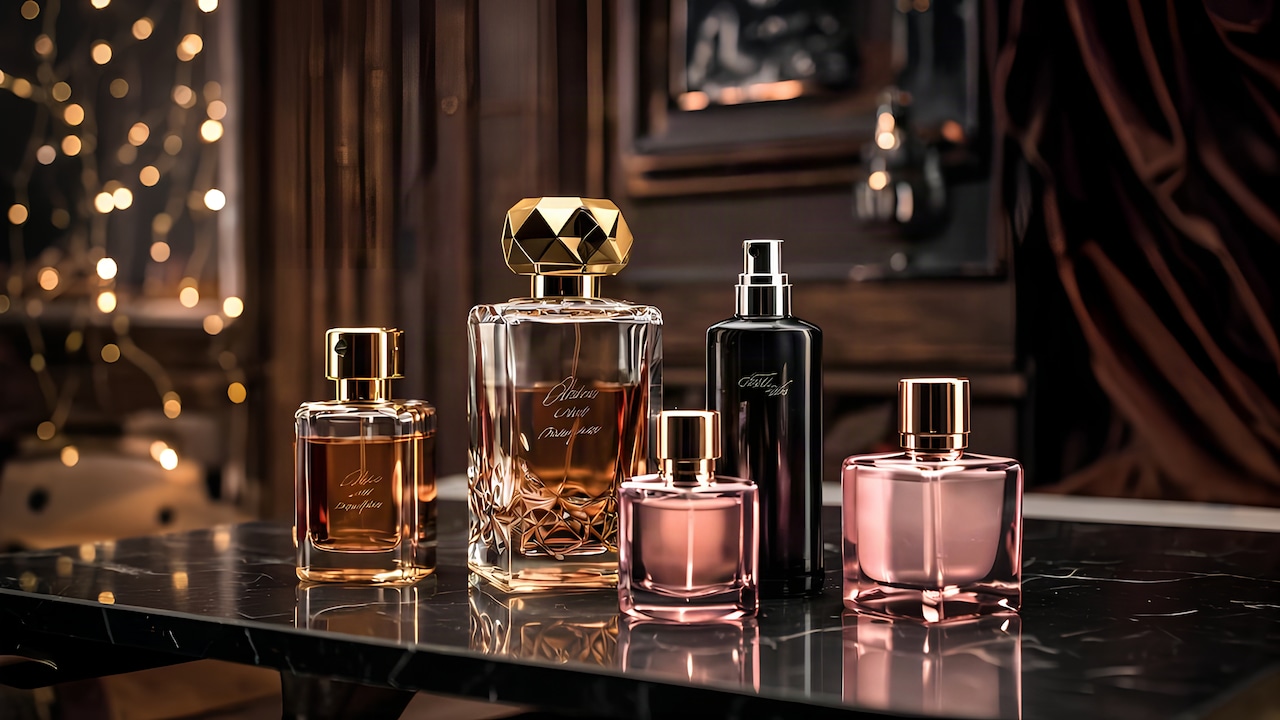
Perfume labels usually display terms like eau de parfum, eau de toilette, or parfum. These words may look fancy on a bottle sitting in a mall display for ₹3,000 or even ₹12,000, but they actually reveal how much fragrance oil the perfume contains. More oil generally means a stronger scent and longer wear.
Understanding concentration transforms the entire perfume experience. A fragrance that fades too fast might simply belong to a lighter category. Once that detail becomes clear, choosing the right scent becomes easier and far more satisfying.
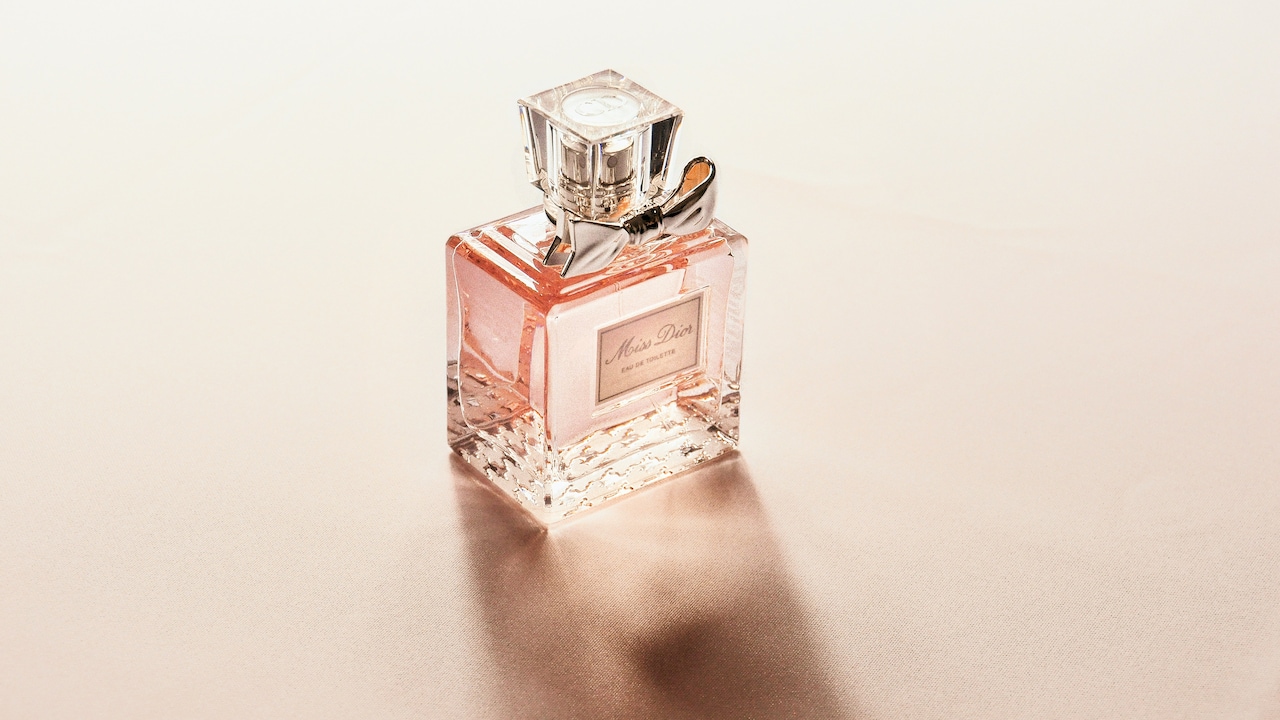
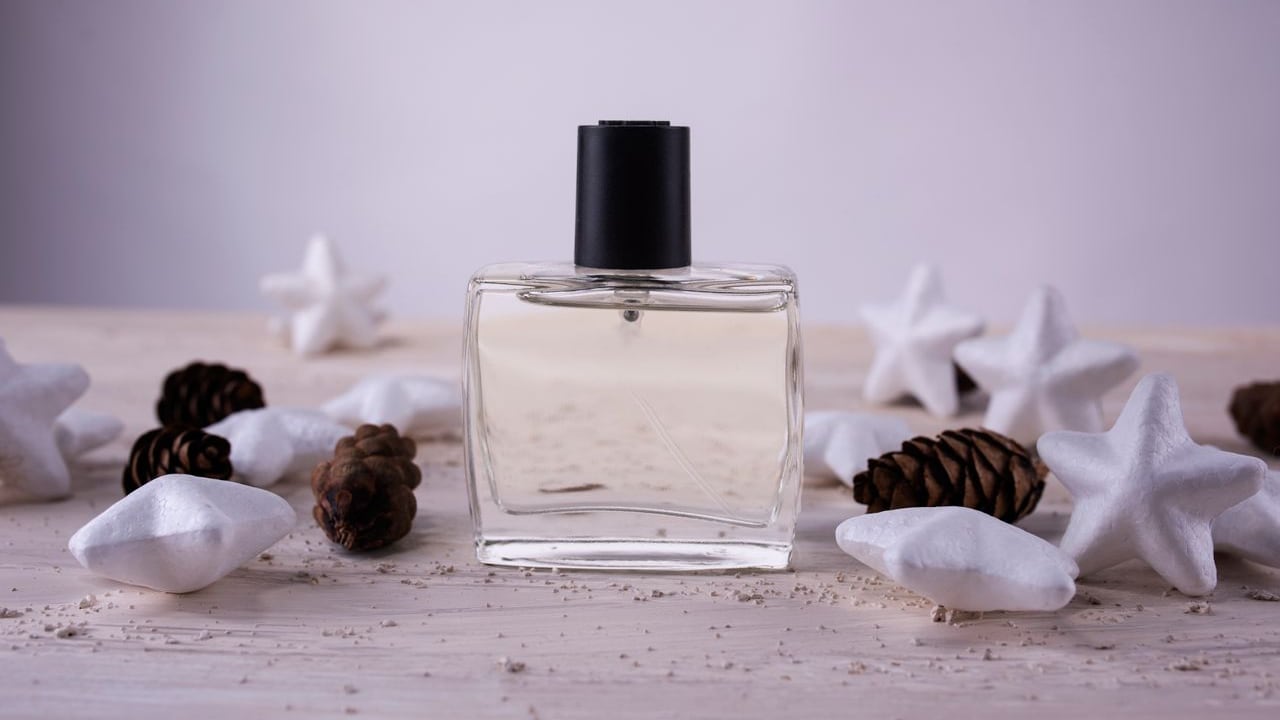
Worried About Perfumes Fading Too Quickly? How Concentration Affects Longevity
Photo Credit: Unsplash
What Determines How Long A Perfume Lasts
Understanding What Perfume Concentration Actually Means
Perfume concentration simply refers to the percentage of aromatic oils mixed into alcohol and water. These oils carry the fragrance notes that the nose detects. Higher concentration means more oils, which generally results in a stronger and longer-lasting scent.
Perfume houses use several categories to classify fragrances. Parfum sits at the top with the highest oil content, while eau de cologne sits near the bottom with a lighter concentration. These differences may sound technical, yet they shape everyday experiences with fragrance.
Imagine two people purchasing similar floral perfumes at a shopping centre. One spends ₹2,500 on an eau de toilette while another buys a parfum for ₹8,000. The eau de toilette may smell wonderful initially but fade by afternoon. The parfum, however, might still whisper softly on the skin during dinner.
Weather and body chemistry influence performance, but concentration remains the backbone of fragrance longevity. Without enough aromatic oil, even the most luxurious scent struggles to stay noticeable for long.
Understanding this basic principle removes much of the mystery surrounding fading perfumes. The issue often lies not in the scent itself, but in the strength chosen from the start.
Why Lighter Fragrances Fade So Quickly
Lighter fragrances often charm the senses during the first spray. Fresh citrus bursts, airy florals, and clean aquatic notes create a refreshing feel. Yet these scents vanish quickly because they contain lower levels of fragrance oils.
Eau de cologne typically carries around two to five per cent aromatic oil. Eau de toilette increases that number slightly, but still sits on the lighter side. These compositions focus on freshness rather than endurance.
Such fragrances suit daytime routines beautifully. A light citrus scent feels perfect for a hot afternoon commute or a casual outing. However, expecting it to last eight hours often leads to disappointment.
Heat also plays a role. Warm climates cause fragrance molecules to evaporate faster. Combine that with a low concentration, and the scent disappears even quicker.
This does not mean lighter fragrances lack value. Many people prefer their subtle nature, especially in offices or crowded spaces. Still, understanding their short lifespan prevents unrealistic expectations.
When a perfume fades too fast, the concentration often provides the answer. A lighter category simply behaves differently from richer fragrance blends.
The Power Of Eau De Parfum In Everyday Wear
Eau de parfum strikes a comfortable balance between strength and wearability. With a fragrance oil concentration usually between fifteen and twenty per cent, it offers noticeable longevity without overwhelming the senses.
Many perfume lovers gravitate toward this category for daily use. A few sprays in the morning often last through a workday, making it a practical choice for busy routines. Brands also produce a wide range of scents in this concentration, from woody notes to soft florals.
Imagine preparing for a long day filled with meetings, traffic, and perhaps an evening dinner. An eau de parfum provides enough depth to remain present without constant reapplication. Even after several hours, the fragrance tends to soften into a gentle skin scent.
Price differences also appear here. An eau de parfum may cost ₹4,000 compared with ₹2,000 for a lighter version of the same fragrance. The additional oil content explains the higher price, as stronger formulations require more raw materials.
Choosing eau de parfum often solves the common complaint of disappearing perfume. It delivers durability while still feeling comfortable in daily settings.
Parfum: The True Long-Lasting Luxury
Parfum, sometimes called extrait de parfum, sits at the highest level of fragrance concentration. These blends usually contain between twenty and thirty per cent aromatic oils, making them the richest form of perfume available.
Such strength means remarkable longevity. A tiny dab can linger on skin for twelve hours or more. Clothing may even hold the scent for days. This intensity explains why parfum bottles often appear smaller yet cost significantly more.
Luxury boutiques frequently display parfum editions priced above ₹10,000. At first glance, the price seems steep. However, the formula requires far more fragrance oil than lighter versions.
Another interesting detail lies in how parfum develops on the skin. Instead of a sharp burst, it unfolds gradually. The scent warms slowly, revealing layers over time rather than fading quickly.
Because of its potency, parfum suits special occasions beautifully. Weddings, evening celebrations, or formal gatherings benefit from its deep presence. Only a small amount becomes necessary, which allows the fragrance to feel elegant rather than overpowering.
For anyone frustrated by fleeting scents, parfum represents the ultimate solution.
Climate And Skin Chemistry Still Matter
Even the strongest perfume cannot completely escape environmental influence. Temperature, humidity, and individual skin chemistry all affect how a fragrance behaves.
Warm climates accelerate evaporation. Fragrance molecules react to heat and disperse faster in high temperatures. A perfume that lasts ten hours in cooler weather might last six during peak summer.
Skin type also contributes to longevity. Oily skin tends to hold fragrance longer because natural oils bind with perfume molecules. Dry skin often struggles to retain scent for extended periods.
Hydration plays a surprisingly important role. Applying perfume to moisturised skin often extends its performance. A simple unscented lotion creates a surface that helps fragrance cling more effectively.
Diet, lifestyle, and body chemistry add further complexity. Spicy foods, hormonal shifts, and even stress levels influence how perfume interacts with skin.
Despite these factors, concentration still provides the strongest foundation for longevity. Climate and chemistry may adjust performance slightly, but a higher oil percentage almost always delivers a longer-lasting scent.
The Difference Between Top, Heart And Base Notes
Perfume composition follows a layered structure often described as a fragrance pyramid. Understanding these layers helps explain why some scents disappear quickly while others linger.
Top notes appear immediately after spraying. Citrus, herbs, and light fruits dominate this stage. These molecules evaporate quickly, which creates the bright opening many people notice first.
Heart notes emerge once the top layer fades. Floral, spicy, or green elements often appear here. This stage defines the personality of the fragrance and typically lasts a few hours.
Base notes provide depth and staying power. Ingredients like sandalwood, amber, vanilla, and musk anchor the scent. These heavier molecules evaporate slowly, allowing the fragrance to remain noticeable long after the initial spray.
Higher concentration perfumes usually emphasise base notes more strongly. This balance explains why richer formulations linger longer on skin.
When a fragrance fades quickly, the composition may lean heavily on top notes combined with a lower concentration. Understanding these layers reveals why certain perfumes vanish faster than others.
Why Price Often Reflects Concentration
Perfume pricing often surprises shoppers. One bottle may cost ₹2,000 while another may reach ₹15,000. Branding certainly plays a role, yet concentration often explains a large portion of the difference.
Fragrance oils require careful extraction from natural or synthetic sources. Some ingredients demand enormous quantities of raw material. Rose oil, for instance, requires thousands of petals to produce a small amount of extract.
Higher concentration perfumes use more of these costly oils. As the oil percentage increases, production expenses rise significantly.
Packaging and marketing also influence price tags, but the formula itself remains a key factor. A parfum with thirty percent oil inevitably costs more to produce than a light cologne with only three percent.
Consumers sometimes assume higher price automatically means better fragrance. In reality, the price often reflects strength and ingredients rather than pure quality.
Understanding concentration helps shoppers make smarter choices. Spending more on a richer formula may actually deliver better value if the scent lasts much longer.
Smart Application Makes A Huge Difference
Even the best perfume struggles when applied poorly. Simple techniques can dramatically improve how long a fragrance lasts throughout the day.
Pulse points provide excellent application spots. Areas such as wrists, neck, and behind the ears generate gentle warmth that helps fragrance diffuse slowly. This warmth allows scent molecules to release gradually rather than vanish quickly.
Moisturised skin also enhances performance. Applying fragrance after lotion creates a hydrated surface that holds scent better than dry skin.
Many people rub their wrists together after spraying perfume. Unfortunately, this habit breaks fragrance molecules and shortens longevity. Allowing the perfume to settle naturally preserves its structure.
Clothing can also hold fragrance longer than skin. A light mist on fabric often extends the scent's presence well into the evening.
Proper application does not replace concentration, yet it certainly helps maximise it. Combined with a stronger formulation, these habits allow a favourite fragrance to perform at its best.
Worried About Perfumes Fading Too Quickly? How Concentration Affects Longevity
Photo Credit: Unsplash
Choosing The Right Concentration For Different Occasions
Not every situation calls for the same fragrance strength. Matching concentration with the occasion often creates the most pleasant experience.
Light eau de cologne works beautifully for quick errands or casual daytime outings. Its airy nature feels refreshing and unobtrusive. For someone stepping out briefly in the afternoon heat, this style suits the moment perfectly.
Eau de toilette often fits office settings well. It provides a noticeable scent without dominating shared spaces. Many professionals prefer this balance during long workdays.
Eau de parfum brings greater presence, making it ideal for dinners, events, or long schedules. The fragrance remains noticeable without requiring frequent reapplication.
Parfum shines during special occasions. Celebrations, weddings, and evening gatherings benefit from its luxurious longevity.
Owning multiple concentrations of fragrance allows flexibility. Instead of relying on one perfume for every situation, different strengths create a versatile scent wardrobe.
Selecting the right concentration transforms perfume from a fleeting pleasure into a reliable companion throughout the day.
Products Related To This Article
1. Wild stone Wild Stone Men Edge Eau de Parfum
2. Marks & Spencer Velvet Amber Eau De Toilette
3. BLA BLI BLU Men Hustler Long Lasting Perfume
4. Marks & Spencer Soft Oud Long Lasting Eau De Toilette
5. Carlton London Euphoria Women Gift Set of 4 EDP Perfume
Perfume often feels mysterious, yet its behaviour follows surprisingly simple rules. When a beloved fragrance fades too quickly, concentration frequently provides the explanation.
Lower oil levels create light, refreshing scents that disappear faster. Higher concentrations deliver richer aromas that linger longer on skin and clothing. Climate, skin type, and application techniques influence performance, but concentration forms the foundation of longevity.
Understanding these differences helps fragrance lovers make smarter choices. Instead of blaming a perfume for fading, attention can shift toward selecting the right formulation.
Whether choosing an affordable eau de toilette for daily wear or investing ₹10,000 in a luxurious parfum for special occasions, the secret lies in knowing what each category offers.
Once that knowledge settles in, perfume stops behaving unpredictably. The scent stays longer, confidence rises, and every spritz feels worth it.
(Disclaimer: This article may include references to or features of products and services made available through affiliate marketing campaigns. NDTV Convergence Limited (“NDTV”) strives to maintain editorial independence while participating in such campaigns. NDTV does not assume responsibility for the performance or claims of any featured products or services.)