How To Pick An Everyday Perfume That Will Not Give Headaches
Every day perfume shouldn’t cause headaches. Learn how to choose light, wearable scents that stay fresh in heat and offices, without overwhelming your nose or everyone around you.
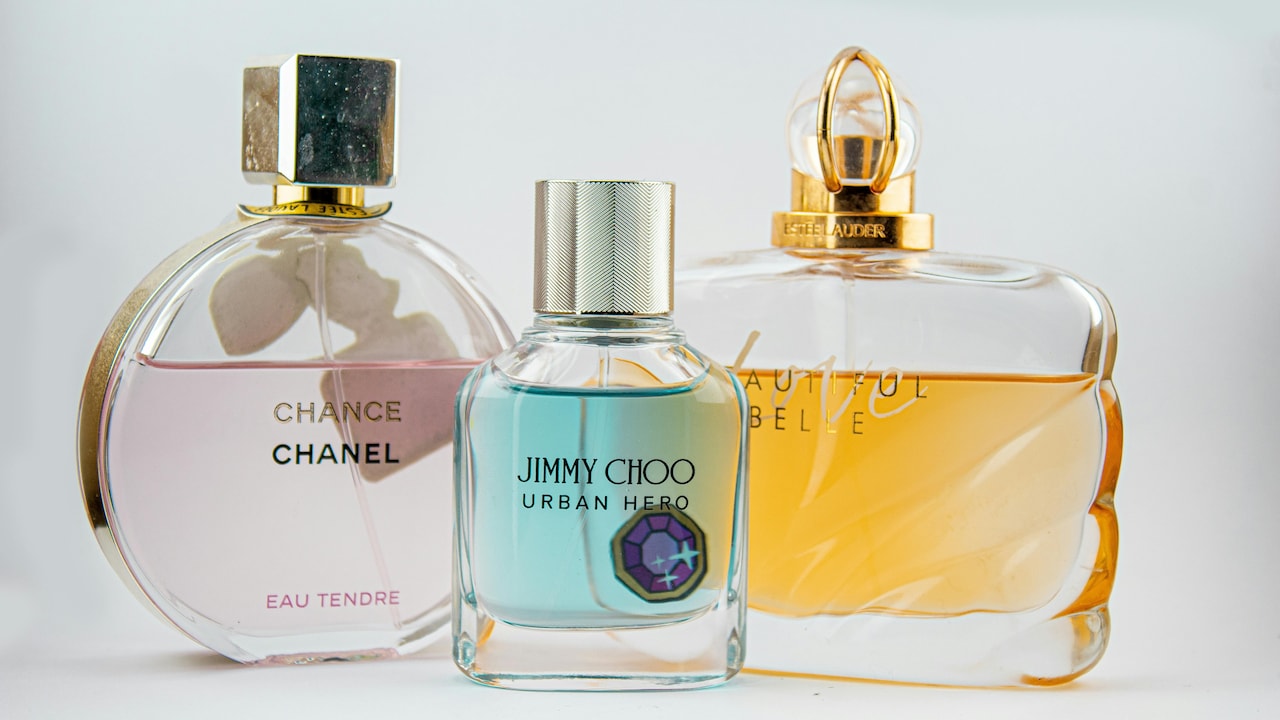
Say goodbye to strong fragrances that cause headaches with these perfume shopping tips.
Perfume is supposed to be a small daily joy. The kind that makes getting dressed feel complete, even on days when the only big plan is surviving meetings and dodging potholes. Yet for many people, fragrance comes with a catch: headaches. Sometimes it starts as a mild pressure behind the eyes. Sometimes it feels like someone switched on a loud bulb inside the skull. Dramatic? Yes. Real? Absolutely.

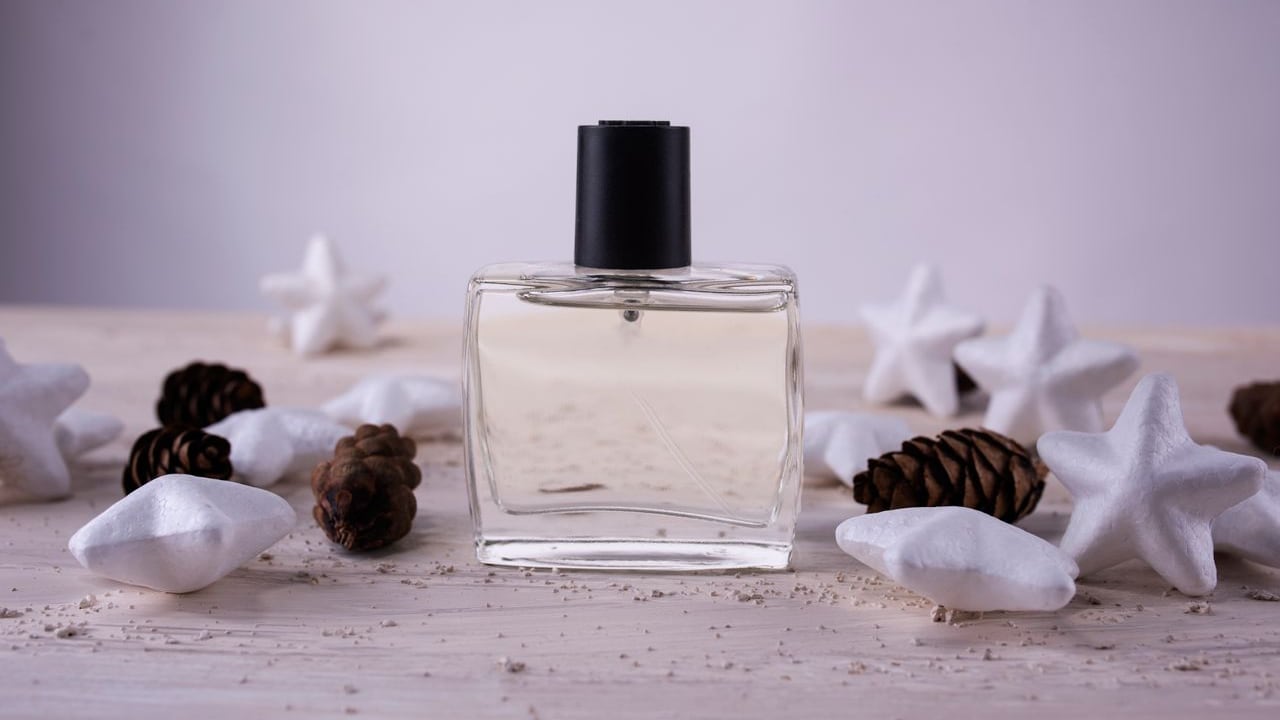
Try these tips to buy an everyday perfume that doesn't cause headaches; Photo Credit: Pexels
The good news is this: most perfume headaches are avoidable. The body isn't being “too sensitive” or “too fussy”. It's reacting to overload, too much alcohol, too many sharp synthetic notes, too much sweetness, or a scent that simply doesn't suit the wearer's environment.
Everyday perfume is a different category from party perfume. It needs to sit close to the skin, behave politely, and survive heat, humidity, AC blasts, and crowded commutes. The goal is to smell fresh and put-together, not like a walking air freshener.
Below are ten practical, no-nonsense ways to pick an everyday perfume that feels good all day and keeps headaches away.
Also Read: Top 5 Long-Lasting Perfumes That Stay Longer From 9 To 5
Ten Smart Ways To Choose A Headache-Free Daily Scent
1. Understand Why Perfume Triggers Headaches
Headaches from perfume often come from sensory overload rather than “allergy”. Strong fragrance molecules hit the nose hard, especially in closed spaces like cars, lifts, and offices. Some scents feel sharp, like they poke the inside of the nose. Others feel thick and cloying, like breathing through syrup. Both can lead to discomfort, nausea, or a dull headache that refuses to leave.
Heat makes it worse. A perfume that feels fine in an air-conditioned shop can turn aggressive outside in the afternoon sun. Add humidity and it gets louder. Some people also react to certain synthetic musks, heavy amber notes, or very sweet accords that sit stubbornly in the air.
This is why “more expensive” doesn't always mean “more comfortable”. A premium perfume can still contain bold, dense ingredients. On the other hand, a simple, airy scent can feel soothing even if it costs ₹800.
The key is to stop thinking of perfume as a single product and start thinking of it as a mix of materials. Some materials behave gently. Some behave like a drum solo.
2. Choose Lighter Fragrance Families For Daily Wear
Certain scent families tend to cause fewer headaches because they feel clean, airy, and less dense. Fresh citrus, soft florals, green notes, watery accords, tea-like scents, and light woods usually wear well in everyday life. They don't hang in the air like a fog. They move with the body and fade gracefully.
In contrast, heavy gourmand scents (vanilla desserts, caramel, chocolate), loud oud blends, intense incense, thick amber, and syrupy fruit notes can overwhelm the senses quickly. These can still be beautiful, but they work better in small doses and usually at night.
A simple trick helps: imagine the perfume as a fabric. Daily perfumes should feel like cotton or linen. Easy, breathable, and comfortable. Headache-triggering perfumes often feel like velvet in peak summer, luxurious, but not always practical.
This doesn't mean daily perfumes must be boring. A fresh scent can still feel elegant. A soft jasmine can feel romantic. A light sandalwood can feel calming. The difference is volume. Every day perfume should speak in a normal indoor voice, not shout across the room.
3. Avoid “Sugar Bomb” Sweetness And Loud Synthetic Notes
A lot of headache-triggering perfumes share a similar personality: they are extremely sweet, extremely sharp, or both. These are the scents that smell great for the first three seconds, then suddenly feel like too much. Often, the sweetness comes from strong vanilla blends, candy-like fruit notes, or thick praline accords. The sharpness comes from harsh alcohol openings or synthetic materials that smell metallic, screechy, or “chemical”.
Many mass-market perfumes lean into this style because it sells quickly. A bold scent makes an instant impression at the counter. The problem is that immediate impact doesn't always translate into all-day comfort.
If a perfume smells like a dessert shop inside a bottle, it may become cloying in heat. If it smells like a strong room freshener, it may trigger a headache in AC spaces. And if it smells “loud” even from the cap, it probably won't become gentle later.
A safe everyday perfume should smell pleasant up close. It should not feel like it's trying to perform. Comfort beats drama when it comes to daily wear.
4. Test The Dry Down, Not Just The First Spray
The first spray of a perfume can be misleading. Many perfumes open with a burst of alcohol and sharp top notes. That blast can feel intense, especially for sensitive noses. Some people smell that sharp opening and assume the perfume is “strong” or “bad”, when the dry down may actually be soft and lovely.
On the other hand, some perfumes open fresh and clean, then turn heavy and suffocating after 30 minutes. That's the real headache trap.
The best way to test is to spray once on skin and wait. Give it at least 45 minutes. Smell it again after an hour. If the scent turns syrupy, powdery in a choking way, or strangely metallic, it may not suit everyday use.
This matters even more in warm weather. Perfume develops faster in heat. A scent that takes two hours to become sweet in winter might do it in 30 minutes in summer.
A good daily perfume has a calm dry down. It feels smooth. It doesn't stab the nose. It doesn't stick in the throat. It just stays quietly pleasant, like a clean shirt fresh from the cupboard.
5. Pick The Right Concentration For Comfort
Many people assume stronger concentration means better perfume. That's not always true for daily wear, especially if headaches are a concern. Eau de Parfum often lasts longer, but it can also feel heavier and more intense. Eau de Toilette and Eau de Cologne tend to feel lighter, fresher, and easier to wear.
For everyday use, a lighter concentration can actually be the smarter choice. It gives enough scent to feel put-together without turning the space around into a fragrance cloud. It also reduces the chance of sensory fatigue, where the brain gets overwhelmed and starts reacting with discomfort.
There is also a practical angle. In daily life, reapplying lightly once is often better than wearing a heavy perfume that clings stubbornly for ten hours. A small travel spray in a bag can solve the longevity problem without causing a headache.
If a perfume feels “thick” even with one spray, it may be too concentrated or too dense in composition. A good everyday fragrance should allow two light sprays without feeling aggressive. That's the sweet spot.
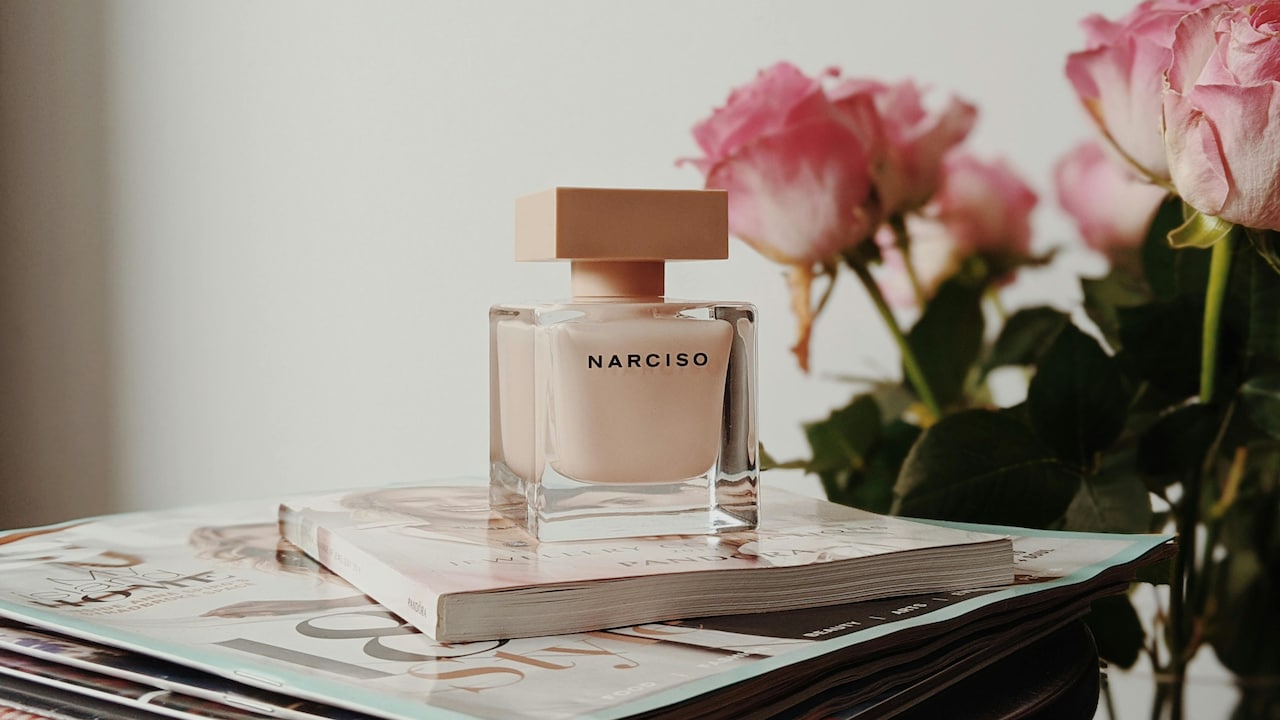
Opt for perfumes with a lighter concentration to feel comfortable; Photo Credit: Pexels
6. Respect Heat, Humidity, And Air-Conditioning
Daily life involves a strange mix of climates. One minute it's blazing sun. The next minute it's an AC office that feels like a freezer. Perfume reacts dramatically to these changes.
Heat makes the perfume project more. Sweet and spicy notes expand and become louder. Humidity makes fragrance feel heavier in the air. Air-conditioning can flatten certain notes and make sharp synthetic ones stand out more. This is why a perfume can smell different on a morning commute versus inside a meeting room.
If headaches happen mainly in closed spaces, the perfume may be too strong for indoor wear. If headaches happen mainly outdoors, the perfume may be reacting badly to the heat.
For daily use, the safest option is a scent that behaves well across environments. Fresh citrus, clean musk, watery florals, and soft woods tend to handle the climate better. Heavy oud, intense incense, and thick gourmands often struggle.
A simple rule works: if a perfume feels “too much” in any one environment, it's not an everyday perfume. Every day scents must adapt. Like a good pair of sandals, they should handle both roads and malls without drama.
7. Apply Perfume In A Headache-Friendly Way
Even the gentlest perfume can trigger headaches if applied in the wrong places. Spraying near the face, neck, or collarbone can push fragrance molecules directly into the nose all day. That constant exposure can irritate sensitive people. Spraying on clothes can also trap perfume and make it smell stronger over time, especially in warm weather.
A better approach is to apply perfume lower on the body. Wrists, forearms, and the back of the knees work well. The scent rises naturally but stays softer. It becomes a personal aura rather than a loud announcement.
Also, less is genuinely more. For everyday wear, one or two sprays is enough. If the perfume is strong, one spray under clothing can work better than two sprays on open skin.
Another trick is to avoid rubbing wrists together. It can crush top notes and make the perfume smell harsher. Let it settle naturally.
Headache-free perfume wearing is about controlling the scent cloud. The goal is for someone to notice it only when they come close, not from the other end of the corridor.
8. Watch For Hidden Triggers Like Powder, Musk, And Ambroxan
Some notes look harmless on paper but cause problems in real life. Powdery notes, for example, can feel suffocating to some people. They often show up in iris, violet, and “clean” floral perfumes. If a scent reminds the nose of talcum powder and feels thick in the throat, it might not be a good daily choice.
Masks can also be tricky. Some musks smell like fresh laundry and feel comforting. Others smell sharp, soapy, or oddly animalic. A perfume marketed as “clean” can still cause headaches if the musk is too strong.
Ambroxan is another common culprit. It's used in many modern perfumes to add a smooth, woody-amber vibe and boost longevity. To some people, it smells pleasant. On others, it smells harsh, dry, and headache-inducing, especially in warm weather.
The frustrating part is that these triggers vary from person to person. That's why blind buying is risky. The same perfume can feel soft on one person and unbearable on another.
If headaches happen repeatedly with “fresh” perfumes, the issue may be musk or ambroxan rather than sweetness or spice. The nose knows, even when marketing doesn't.
9. Test Perfume Like A Real Person, Not Like A Perfume Ad
Testing perfume properly doesn't require fancy rituals. It just needs honesty. Most people test perfumes in a shop, surrounded by dozens of smells, under bright lights, while someone sprays five options in five minutes. That's not testing. That's speed dating with fragrance.
A better method is to try one perfume on skin and live with it for a full day. Wear it on a normal workday. Sit in traffic. Eat lunch. Walk outside. Sit in the AC. Notice how it behaves when the body warms up.
Also, pay attention to emotional response. A good everyday perfume should feel comforting, clean, or quietly uplifting. If the scent feels stressful or “too present”, that's a warning sign.
Another overlooked factor is how others react. If colleagues start sneezing or stepping back, the perfume may be too strong for daily wear. And yes, that includes family members who say, “This is nice but… it's a bit much.”
Perfume is personal, but daily perfume is also social. The goal is to smell good without becoming a shared experience for the entire room.
10. Build A Small Wardrobe Of Safe Everyday Scents
One perfume doesn't have to do everything. In fact, forcing one scent to handle every situation often leads to headaches. A smarter approach is to build a small “daily wardrobe” of two or three safe perfumes.
One can be a fresh citrus or aquatic scent for hot days. Another can be a soft floral or tea scent for office wear. A third can be a gentle woody or musky perfume for evenings. This way, no single fragrance gets overused, and the nose stays comfortable.
This also saves money in the long run. Instead of spending ₹6,000 on one intense perfume that becomes unwearable, it can be better to buy two moderate-priced scents that actually get used. Perfume should not sit in a cupboard like an expensive regret.
A wardrobe approach also makes daily life feel more fun. Some days need a clean “just showered” scent. Some days need a calm sandalwood vibe. Some days need a little brightness.
Headache-free perfume isn't about limiting choice. It's about choosing wisely so fragrance becomes a pleasure again, not a gamble.
Products Related To This Article
1. SKINN by Titan Women Celeste Eau de Parfum\
2. Bella Vita Organic Luxury Honey Oud Eau De Parfum
3. Marks & Spencer Fresh Mandarin Eau De Toilette
4. Ajmal Men Ascend Citrus Woody EDP Perfume
5. Denver Men Hamilton Eau de Parfum
Perfume headaches can feel unfair, especially when fragrance is meant to be comforting. But they usually come from avoidable factors: heavy notes, sharp synthetics, strong concentration, or over-application. The solution isn't to give up perfume. It's to choose an everyday scent that behaves politely and feels good in real life.
A great daily perfume should feel like a gentle boost, not an air raid siren. It should sit close, smell clean, and stay smooth even in heat, humidity, and AC. Testing the dry down, choosing lighter fragrance families, applying it away from the face, and respecting the climate can make a huge difference.
The best part? Once the right everyday perfume is found, mornings become a little brighter. Commutes feel slightly less chaotic. And the world smells just a bit kinder, without the headache tax.
(Disclaimer: This article may include references to or features of products and services made available through affiliate marketing campaigns. NDTV Convergence Limited (“NDTV”) strives to maintain editorial independence while participating in such campaigns. NDTV does not assume responsibility for the performance or claims of any featured products or services.)