10 Books That Can Help Improve Communication And Confidence In Everyday Life
The right book can change the way you speak, listen and connect with others. Discover 10 insightful reads that can help build confidence and strengthen communication skills.
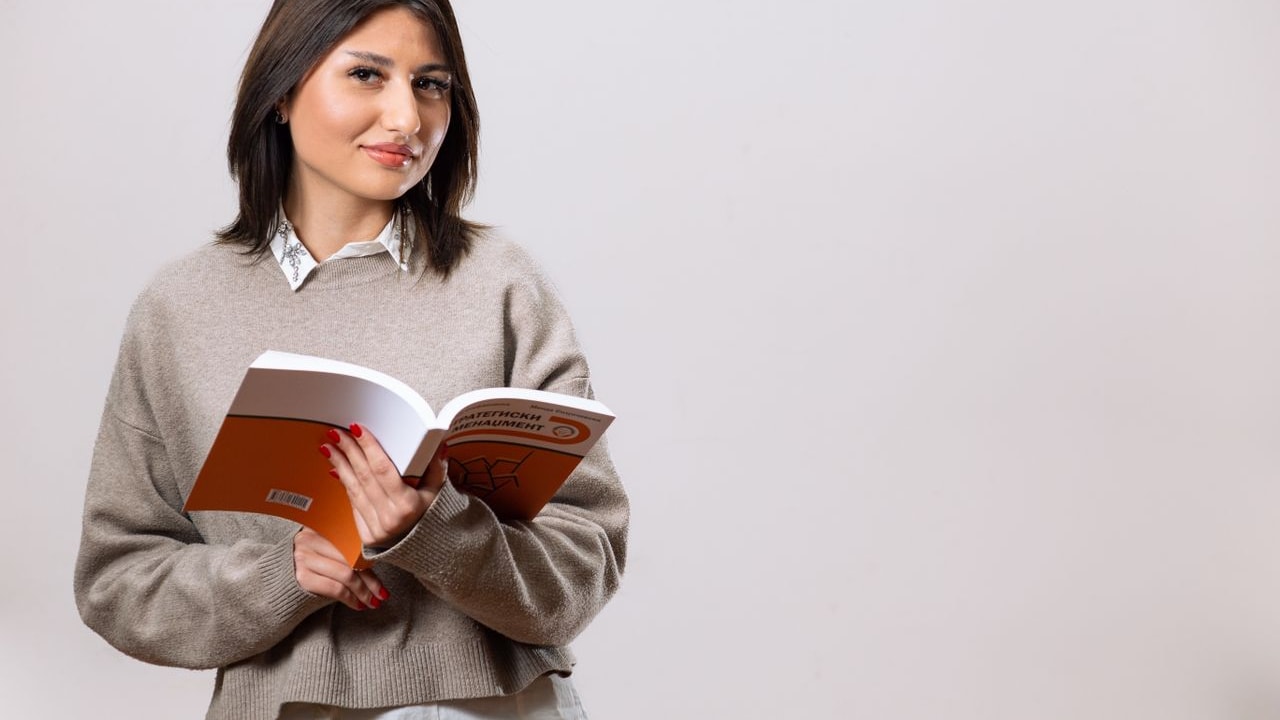
Books To Improve Communication And Confidence
Communication influences nearly every part of life, from workplace interactions and friendships to family relationships and personal growth. Yet many people struggle to express ideas clearly, speak confidently in groups or navigate difficult conversations. While these skills take practice, books can offer valuable guidance and practical techniques. The best communication titles combine psychology, storytelling and real-world advice to help readers become more effective speakers and listeners. Whether you want to feel more confident at meetings or improve everyday conversations, the right book can be a useful place to start.

From public speaking to active listening, these insightful reads offer practical lessons for personal and professional growth.
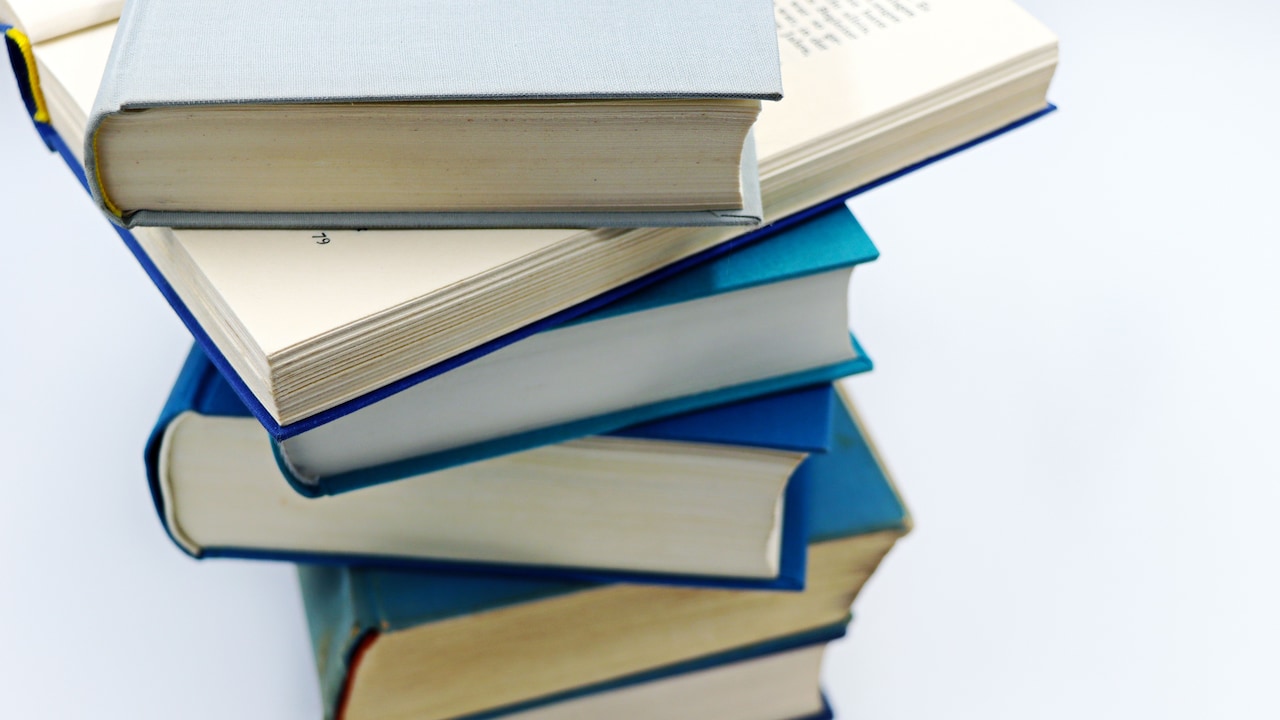
Photo Credit: Pexels
Confidence and communication often go hand in hand. People who communicate clearly tend to feel more assured, while confident individuals are often better able to convey their thoughts and opinions. Fortunately, both skills can be developed over time. Many influential authors have explored the habits, behaviours and mindsets that contribute to stronger communication. From learning how to listen actively to mastering public speaking, these books provide practical lessons that readers can apply immediately. Here are ten noteworthy titles that can help sharpen communication skills and build lasting confidence.
Also Read: More Than Pages: Discover Books That Feel Like Treasured Possessions
1. How To Win Friends And Influence People
First published several decades ago, this classic remains one of the most influential books on communication and interpersonal relationships. Dale Carnegie explores simple but powerful principles such as showing genuine interest in others, listening attentively and avoiding unnecessary criticism. What makes the book enduring is its practicality. Readers can immediately apply many of its suggestions in both personal and professional settings. While some examples reflect an earlier era, the underlying lessons remain surprisingly relevant. Those looking to improve social confidence often find that understanding people better naturally makes conversations feel easier and more rewarding.
2. The Art Of Communicating
Communication is not simply about speaking effectively. It also involves listening, empathy and presence. In this thoughtful book, Zen master Thich Nhat Hanh encourages readers to communicate more mindfully. The focus is less on persuasion and more on building meaningful human connections. Readers learn how attention, patience and understanding can transform everyday interactions. In an age of constant distractions, the book offers a valuable reminder that true communication begins with listening. Many readers find that improved awareness helps reduce anxiety and increases confidence during conversations because they become less focused on themselves and more focused on authentic connection.
3. Crucial Conversations
Difficult discussions are unavoidable in work and life. Whether negotiating responsibilities, addressing conflict or discussing sensitive topics, many people struggle to remain calm and effective under pressure. This book offers practical frameworks for navigating high-stakes conversations with confidence. The authors explain how emotions influence communication and provide techniques for keeping discussions productive. One of its strongest qualities is its focus on real-world scenarios. Rather than avoiding challenging conversations, readers learn how to approach them constructively. The resulting improvement in communication often leads to greater self-assurance and stronger relationships.
4. Talk Like TED
Public speaking ranks among the most common fears worldwide, yet it is a valuable skill in many careers. Carmine Gallo analyses some of the most successful TED Talks to identify the techniques that make presentations memorable and engaging. Readers learn how storytelling, passion and clarity can help capture an audience's attention. The book also demonstrates that effective speakers are often made rather than born. By understanding proven presentation strategies, readers may feel more confident when delivering speeches, leading meetings or sharing ideas in professional environments.
5. The Charisma Myth
Many people believe charisma is an innate talent possessed by only a fortunate few. This book challenges that assumption by arguing that charisma can be developed through specific behaviours and habits. Author Olivia Fox Cabane explores concepts such as presence, warmth and confidence, explaining how these qualities influence the way others perceive us. The techniques discussed are practical rather than theoretical, making the lessons accessible to a wide audience. Readers who apply these ideas often report feeling more comfortable in social situations and more effective when communicating with others.
6. Never Split The Difference
Communication often involves persuasion, influence and negotiation. Drawing on his experience as an FBI hostage negotiator, Chris Voss presents communication techniques designed to achieve better outcomes in difficult discussions. The book explores active listening, empathy and strategic questioning in an engaging and highly practical way. Although many examples come from negotiation scenarios, the lessons apply equally well to everyday conversations. Readers gain insight into how people make decisions and how thoughtful communication can create more productive outcomes. For professionals, in particular, these skills can significantly enhance confidence during important discussions.
7. Presence
Confidence is often communicated before a single word is spoken. Amy Cuddy's book explores how body language, mindset and self-perception influence interactions. Rather than pretending to be someone else, readers are encouraged to develop a sense of authentic confidence. The book combines research with practical guidance to help people feel more comfortable in challenging situations such as interviews, presentations and networking events. One particularly useful takeaway is the idea that confidence can be strengthened through small behavioural adjustments. These insights make the book relevant for anyone seeking greater personal or professional presence.
8. Quiet
Communication advice often seems tailored towards highly outgoing personalities. Susan Cain's acclaimed book offers a refreshing perspective by highlighting the strengths of introverts. Rather than encouraging people to become more extroverted, the book demonstrates how quieter individuals can communicate effectively while remaining true to their natural style. Readers gain a deeper understanding of personality differences and learn strategies that play to their strengths. For many introverts, this perspective is empowering. Confidence often grows when people realise they do not need to change who they are in order to communicate successfully.
9. The Confidence Code
Confidence can influence everything from career opportunities to social interactions. In this engaging book, Katty Kay and Claire Shipman examine the factors that contribute to self-confidence and explore why some individuals are more likely to doubt themselves than others. The authors combine research findings with real-life stories, creating an informative and encouraging read. Readers learn that confidence is not an inherent trait reserved for a select few. Instead, it can be cultivated through action, practice and resilience. This message makes the book particularly appealing for anyone seeking personal growth.
10. Atomic Habits
Although not strictly a communication book, Atomic Habits offers valuable lessons for anyone attempting to improve communication and confidence over time. James Clear explains how small, consistent actions lead to meaningful long-term change. Readers learn practical ways to build positive habits and break unhelpful patterns. Communication skills, like most skills, improve through regular practice rather than dramatic transformations. Whether the goal is speaking up in meetings, reading more or developing stronger listening habits, the principles in this book provide a useful framework for progress. It is an excellent companion to the other titles on this list.
In Conclusion
Improving communication and confidence is rarely about finding a single secret technique. Instead, it involves developing skills gradually through learning, practice and self-awareness. The books featured here approach the subject from different angles, including conversation, public speaking, negotiation, relationships and personal growth. Together, they offer valuable insights that can help readers express themselves more clearly and connect more effectively with others. Even adopting one or two lessons from these titles can make a meaningful difference. The journey towards becoming a better communicator starts with curiosity, and a great book is often the perfect first step.
Also Read: It Ends With Us Book Review: A Heartbreaking Story About Love, Strength And Breaking Patterns
Frequently Asked Questions (FAQs)
Q1. Can books really improve communication skills?
Yes, books can introduce proven communication techniques and practical strategies. When combined with regular practice, these lessons can help improve conversations, listening skills and public speaking abilities.
Q2. Which book is best for improving confidence?
The best choice depends on your goals. Many readers find books such as The Confidence Code, Presence and The Charisma Myth particularly useful for building self-assurance.
Q3. Are communication books useful for students?
Absolutely. Strong communication skills can benefit students in presentations, interviews, group projects and future career opportunities.
Q4. How long does it take to see improvement in communication skills?
Progress varies from person to person. Consistent practice and applying lessons from books in daily interactions often lead to gradual but noticeable improvement over time.
Q5. Should introverts read communication books too?
Yes. Many communication books offer strategies that suit different personality types. Titles such as Quiet specifically help introverts understand and leverage their natural strengths.
(Disclaimer: This article may include references to or features of products and services made available through affiliate marketing campaigns. NDTV Convergence Limited (“NDTV”) strives to maintain editorial independence while participating in such campaigns. NDTV does not assume responsibility for the performance or claims of any featured products or services.)