Active Noise Cancellation Headphones: Why They Cause Pressure, Fatigue, And Discomfort
Active noise cancellation headphones promise silence, but for some users they cause pressure, fatigue or dizziness. This article explores why the technology feels uncomfortable and why the experience varies from person to person.
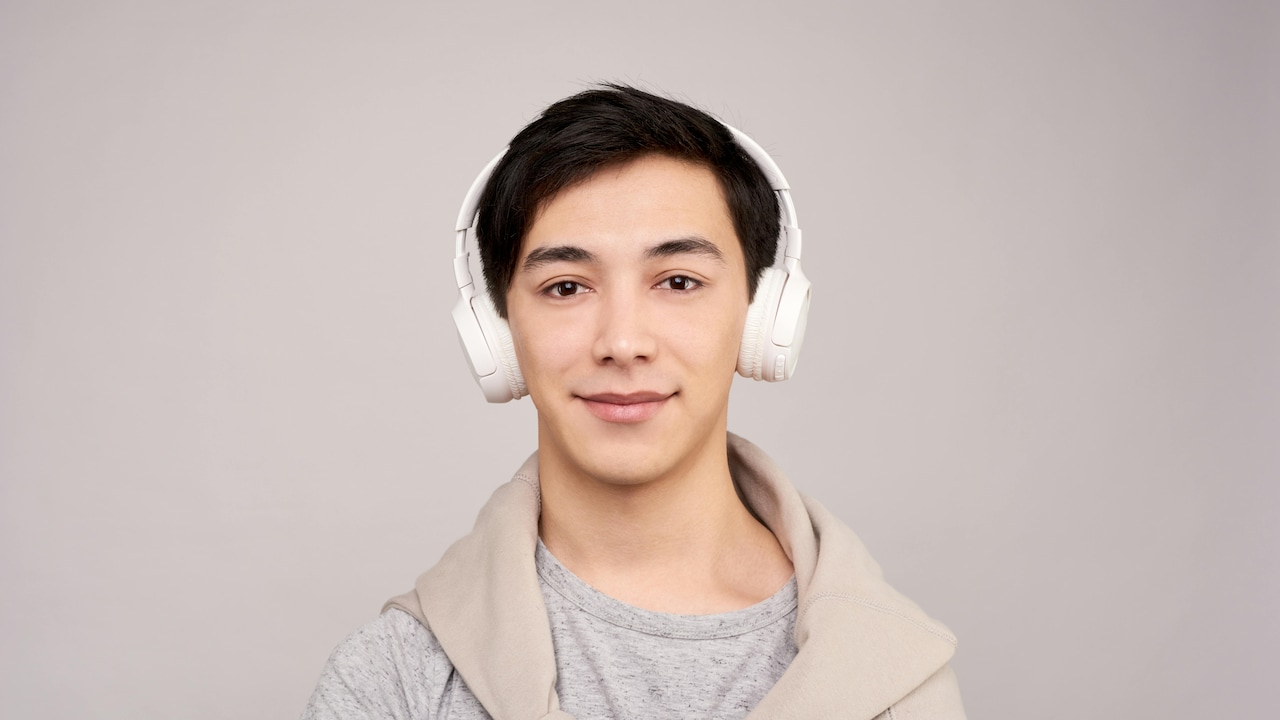
Why Active Noise Cancellation Headphone Feel Uncomfortable For Some Users.
The modern soundscape rarely rests. Traffic horns, buzzing fans, loud neighbours, endless calls, and alerts all compete for attention. Active Noise Cancellation headphones stepped in as a saviour, offering silence at the flick of a switch. The promise sounds perfect, especially during long commutes or crowded flights.
Still, not everyone enjoys the experience. Some people remove their headphones after a few minutes, rubbing their ears or blinking away a mild headache. Others describe a strange pressure, like being underwater or stuck in a lift that refuses to move. These reactions feel confusing, especially when the technology gets praised as premium and advanced.
Discomfort from ANC headphones does not mean something is wrong with the user. It often links to how the technology interacts with the body, the ears, and even the brain. Understanding these reasons helps listeners make better choices and feel less alone in their experience.
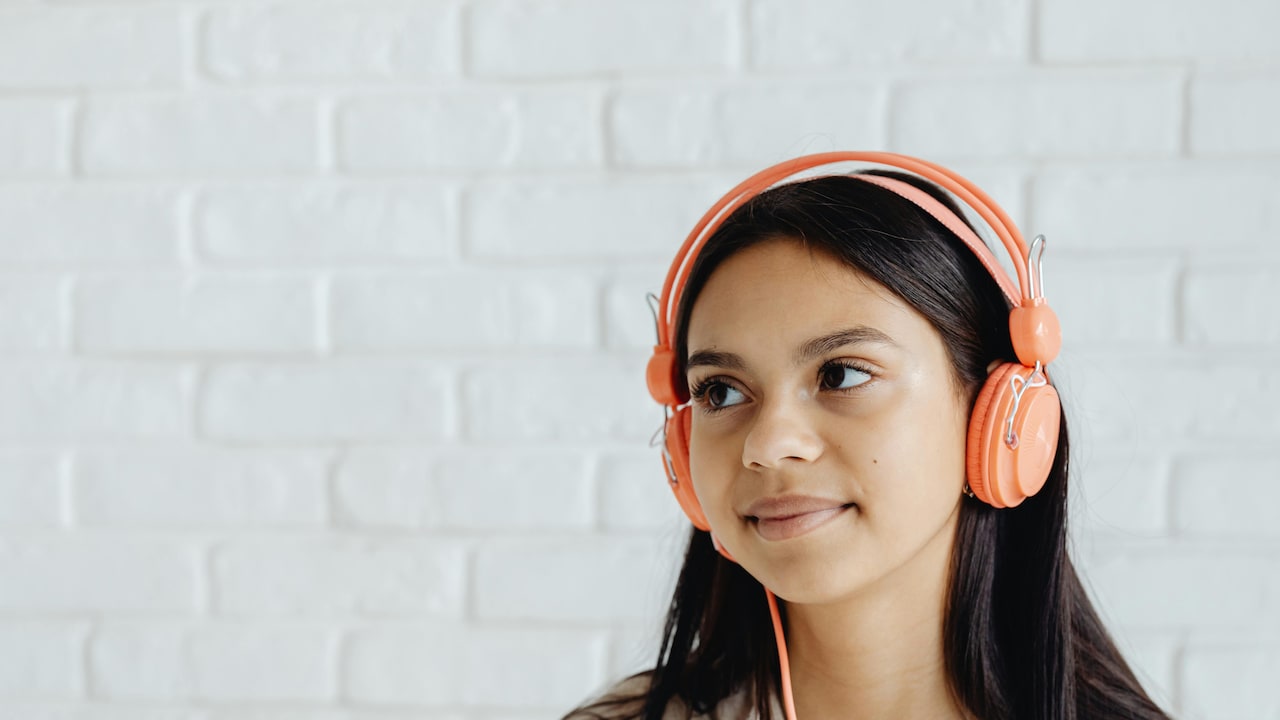
Why Active Noise Cancellation Headphone Feel Uncomfortable For Some Users; Photo Credit: Pexels
How Active Noise Cancellation Interacts With The Body And Brain
1. The “Pressure” Sensation That Has No Physical Source
Many users describe ANC discomfort as pressure building inside the ears. No air actually moves, yet the sensation feels real. This happens because active noise cancellation works by producing sound waves that cancel external noise. The brain interprets this sudden absence of low-frequency sound as pressure.
Human hearing evolved to expect a certain level of background noise. When that noise vanishes, the brain searches for a cause. The result often feels like blocked ears during a change in altitude. Some listeners adapt within minutes, while others remain sensitive for hours.
This sensation tends to feel stronger in quieter rooms. Turning on ANC at home can feel more uncomfortable than using it on a busy road. The contrast becomes too sharp. For people who already feel sensitive to ear pressure, this effect can feel overwhelming rather than relaxing.
2. The Brain Works Harder Than Expected
Silence does not always equal rest. With ANC switched on, the brain continues to process opposing sound waves. That constant adjustment demands effort, even if it goes unnoticed at first.
Over time, this effort can lead to mental fatigue. Some users report feeling drained after long listening sessions, even without music playing. The ears receive fewer natural sound cues, so the brain fills in gaps, trying to stay alert.
This experience feels similar to staring at a screen for hours without blinking. Nothing hurts immediately, yet discomfort creeps in slowly. For people already juggling busy schedules and long days, this added strain can tip the balance from comfort to irritation.
Also Read: 5 Best Noise-Cancelling Headphones, From Sony To boAt, To Keep Out Distractions
3. Inner Ear Sensitivity and Balance Issues
The inner ear plays a key role in balance. Active noise cancellation can interfere with how sound helps the body stay oriented. Some listeners feel slightly dizzy or off-balance when ANC is active.
This reaction becomes more common among people who experience motion sickness or vertigo. The brain expects sound cues to match physical movement. When those cues disappear or feel altered, confusion sets in.
Imagine sitting in a parked car while watching traffic move past. The eyes sense motion, yet the body stays still. ANC creates a similar mismatch. The result may feel like lightheadedness or a mild spinning sensation, especially during long sessions.
4. Fit and Seal Matter More Than Expected
ANC headphones rely on a good seal around the ears. That seal improves noise cancellation but also increases pressure and heat. Ears vary in shape and size, yet many headphones follow standard designs.
When the fit feels tight, discomfort appears quickly. Clamping force presses against the jaw and temples. Over-ear models may trap heat, leading to sweaty ears and irritation. In-ear ANC buds can push too deeply, triggering soreness.
A poor fit turns premium headphones into a burden. Even excellent sound quality cannot compensate for aching ears. Comfort remains deeply personal, and one popular model may feel unbearable to another listener.

Why Active Noise Cancellation Headphones Feel Uncomfortable For Some Users; Photo Credit: Pexels
5. Low-Frequency Noise Affects the Body Differently
Active noise cancellation works best on low-frequency sounds, such as engine hums and air conditioners. These frequencies also interact more strongly with the body.
Removing them alters the environment's feel. Some users report a hollow or unnatural silence. That sensation can feel unsettling, especially during quiet moments.
Low-frequency sound provides subtle grounding. Its absence may leave the body feeling disconnected from its surroundings. This effect feels stronger during long travel, where engines provide a constant background. Turning off ANC often brings relief, even if noise returns.
6. Anxiety and Sensory Awareness Amplify Discomfort
People who feel anxious or highly aware of bodily sensations often notice ANC effects more sharply. The unusual silence draws attention inward. Every heartbeat and breath becomes louder.
This heightened awareness can trigger discomfort or panic. The silence feels heavy rather than calming. Some listeners describe the sensation as being trapped inside their own head.
The reaction does not imply weakness. It reflects how closely the mind and senses connect. For these users, ambient sound offers comfort. Complete silence removes a familiar layer of reassurance.
7. Digital Processing Delays Create Subtle Unease
Active noise cancellation relies on microphones and processors. Sound gets analysed and cancelled in real time. Even tiny delays can feel odd to sensitive listeners.
That slight lag may create a sense of disconnection between movement and sound. Walking, chewing, or speaking may feel unnatural. Footsteps sound muted or delayed, which confuses the brain.
This subtle mismatch rarely appears in reviews, yet it affects comfort deeply. Some people adjust quickly. Others never fully adapt, finding the experience unsettling despite high-end hardware.

Why Active Noise Cancellation Headphones Feel Uncomfortable For Some Users; Photo Credit: Pexels
8. Long Listening Sessions Increase Fatigue
Short bursts of ANC feel fine for many users. Problems appear during long sessions. Continuous cancellation demands constant processing from both the headphones and the brain.
After hours of use, fatigue builds. Headaches, ear soreness, and irritability may follow. The silence stops feeling luxurious and starts feeling heavy.
This effect mirrors screen fatigue. The longer the exposure, the stronger the reaction. Taking breaks helps, yet many users forget during work or travel. Gradually, discomfort replaces enjoyment.
9. Sound Quality Changes Perception
Active noise cancellation alters the sound signature. Bass often feels stronger, while mid-tones may shift. Some listeners enjoy this warmth. Others feel overwhelmed.
For people sensitive to bass, the boosted low end may feel oppressive. Music loses its natural balance. Speech may sound muffled or artificial.
These changes affect emotional response. Music should uplift, not exhaust. When sound feels wrong, the body reacts. Discomfort may stem from this subtle mismatch rather than the silence itself.
10. Expectations Shape Experience
Marketing paints ANC as a miracle. That expectation sets a high bar. When discomfort appears, frustration follows quickly.
Some users push through discomfort, assuming adaptation will happen. Others feel disappointed and confused. Understanding that ANC does not suit everyone helps reset expectations.
Comfort remains subjective. Silence feels blissful to one listener and stressful to another. Accepting this difference removes pressure and guilt. Choosing comfort over trends leads to better listening experiences.
Products Related To This Article
1. boAt Rockerz 551ANC Bluetooth Hybrid Active Noise Cancellation Over Ear Headphones
2. Sony WH-CH720N Active Noise Cancellation Wireless Bluetooth Over Ear Headphones with Mic
3. JBL Tune 770NC Wireless Over Ear ANC Headphones with Mic
4. Soundcore by Anker Q20i Hybrid Active Noise Cancelling Headphones
5. GOBOULT Q Over Ear Bluetooth Headphones with 70H Playtime
Active Noise Cancellation headphones offer remarkable benefits, yet they do not suit every listener. Discomfort arises from a mix of physical, neurological, and emotional factors. Pressure sensations, mental fatigue, balance issues, and altered sound perception all play a role.
Recognising these reasons helps users make informed choices. Switching off ANC, limiting use, or choosing alternative designs can restore comfort. Silence should feel soothing, not stressful.
Technology continues to evolve, but the human body remains wonderfully complex. Listening to personal comfort matters more than following trends. After all, the best sound experience feels natural, effortless, and easy on the ears.
(Disclaimer: This article may include references to or features of products and services made available through affiliate marketing campaigns. NDTV Convergence Limited (“NDTV”) strives to maintain editorial independence while participating in such campaigns. NDTV does not assume responsibility for the performance or claims of any featured products or services.)