Extension Boards With USB Ports: Convenience Or Hidden Fire Risk?
Extension boards with USB ports promise easy charging and less clutter. But can overloading, poor quality, and heat build-up turn this everyday convenience into a hidden fire risk?
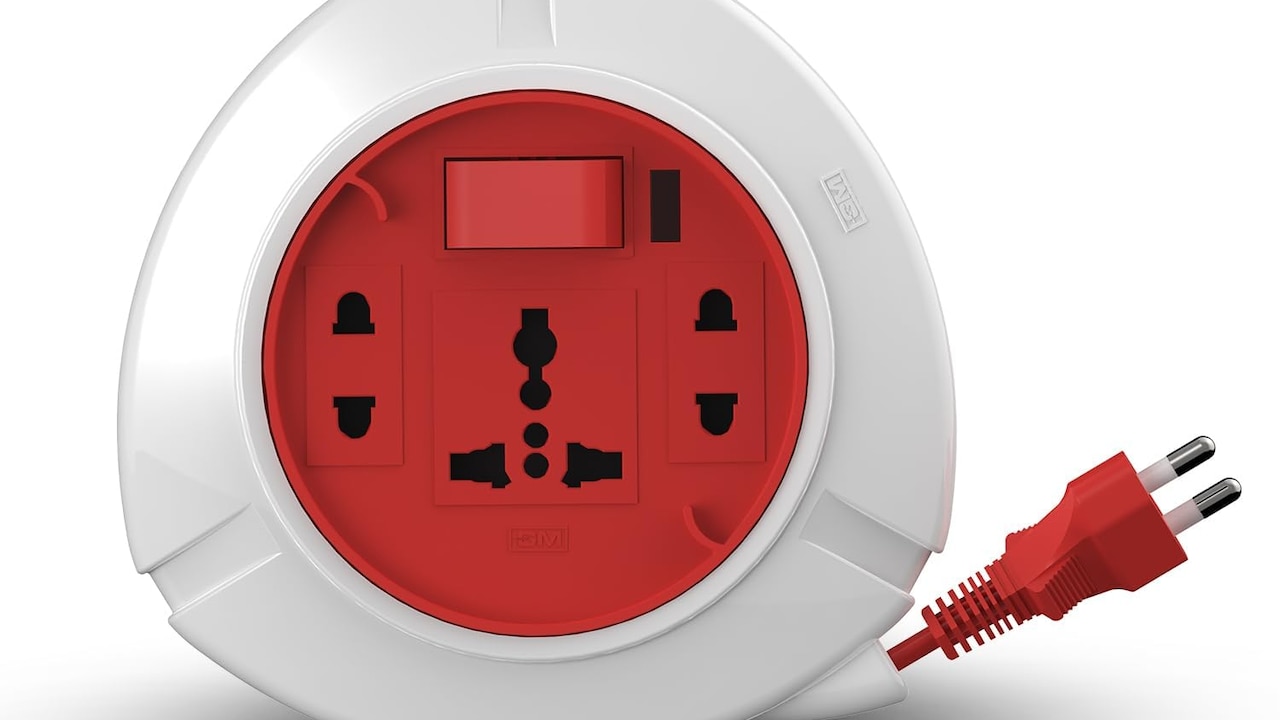
Extension Boards With USB Ports: Are They Safe Or A Hidden Fire Risk?
Walk into any modern home or office today, and one thing stands out: wires everywhere, yet never enough sockets. Between smartphones, tablets, smartwatches, Bluetooth speakers, and laptops, the demand for charging points has exploded. Enter extension boards with built-in USB ports, the unsung heroes of convenience. They promise fewer adapters, less clutter, and seamless charging.
But convenience often comes with trade-offs. While these devices make life easier, they also raise questions about safety. Reports of overheating, sparks, and even small fires have surfaced over the years, often linked to overloaded or poorly manufactured extension boards.
So, are these gadgets a smart upgrade or a silent hazard waiting in the corner? The answer isn't as simple as it seems. It depends on how they are used, how they are made, and how aware users remain. Let's unpack the reality behind these popular devices.
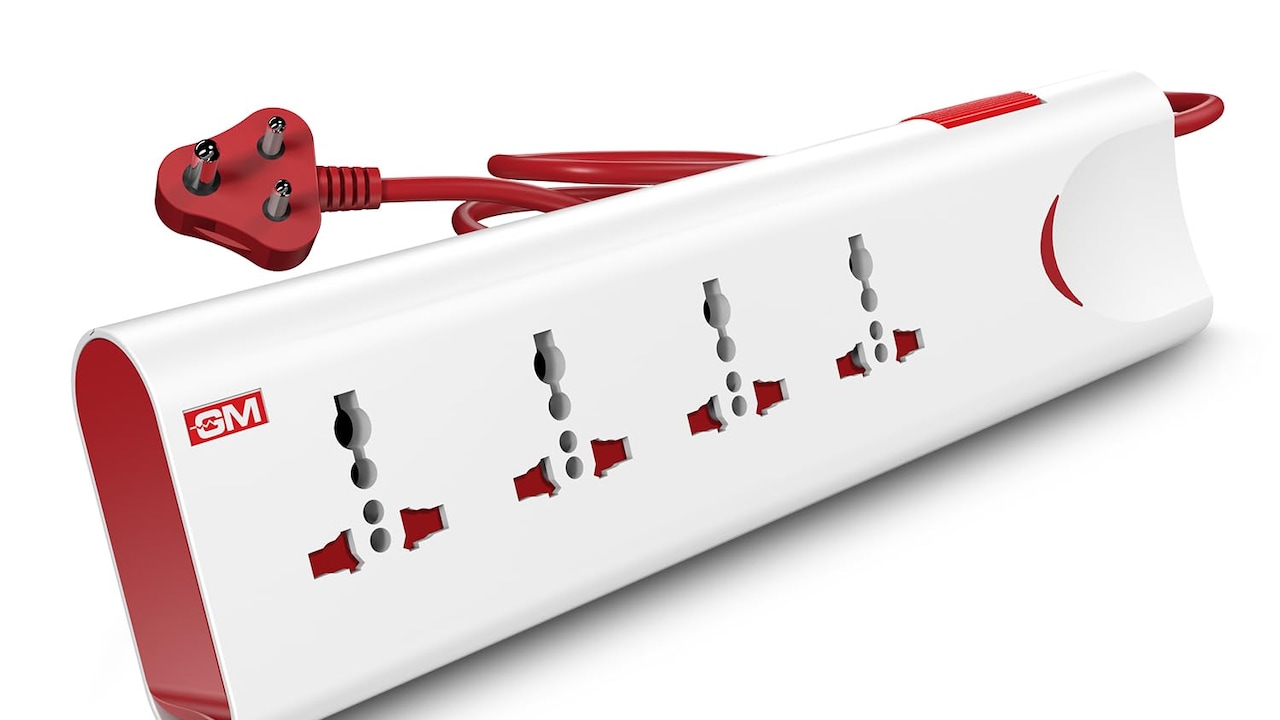
Extension Boards With USB Ports: Convenience Or Hidden Fire Risk?
Photo Credit: Amazon
Key Safety Concerns And Everyday Realities Of USB Extension Boards
The Rise Of Multi-Device Living
Life today revolves around gadgets. A typical evening might involve a phone charging, a laptop plugged in, and perhaps a portable fan humming nearby. Add a couple of USB ports into the mix, and suddenly one extension board handles it all.
This shift didn't happen overnight. As devices became more portable, manufacturers responded with smarter power solutions. USB-enabled extension boards emerged as a natural progression. They cut down the need for multiple adapters, which, let's be honest, often go missing at the worst possible time.
However, this rise also reflects a deeper issue, power consumption habits have changed, but awareness hasn't kept pace. People plug in more devices than ever before without thinking twice about load limits or wiring capacity.
It's easy to assume that if everything fits, everything works safely. But electricity doesn't work on assumptions. It follows rules, and ignoring those rules can lead to trouble.
Understanding How USB Extension Boards Work
At first glance, these boards seem straightforward. Plug them into a wall socket, and voilà, multiple plug points plus USB charging ports. But inside, the design is more complex than it appears.
The USB ports rely on an internal circuit that converts high-voltage alternating current into low-voltage direct current. This conversion generates heat, even under normal conditions. Now imagine multiple devices charging simultaneously, the internal components start working harder, and temperatures rise.
Quality plays a huge role here. Well-made boards include proper insulation, heat-resistant materials, and built-in safeguards. Cheaper versions, often found in local markets for ₹200 or ₹300, may skip these features altogether.
The danger doesn't lie in the concept itself but in execution. A good product manages heat efficiently. A poorly designed one traps it, creating the perfect conditions for overheating.
The Hidden Danger Of Overloading
Overloading remains the most common and underestimated risk. It happens when too many devices draw power from a single source, exceeding the board's capacity.
Picture a scenario: a heater plugged into one socket, a laptop in another, and two phones charging via USB. Everything works, until it doesn't. The board heats up, wires strain, and insulation begins to weaken.
Unlike a dramatic power surge, overloading builds slowly. There's no immediate warning. Maybe a faint burning smell appears, or the board feels unusually warm. These signs often go ignored.
The problem gets worse during peak seasons. In summer, when fans and coolers run constantly, or during festivals when decorative lights glow for hours, extension boards bear the brunt.
A board priced at ₹500 may seem sturdy, but it still has limits. Ignoring those limits turns convenience into risk.
Cheap Vs Certified Products: Does Price Matter?
Walk through any electronics market and the difference becomes clear. On one side, branded extension boards priced around ₹800 to ₹1500. On the other, unbranded options selling for ₹250.
The cheaper ones look similar. Same number of sockets, same USB ports, sometimes even flashier designs. But what lies beneath tells a different story.
Certified products undergo testing for heat resistance, load capacity, and durability. They include features like surge protection and proper earthing. Uncertified ones often cut corners to reduce costs.
Saving ₹500 might feel satisfying in the moment, but the long-term risks rarely justify it. Electrical faults can damage expensive devices or worse, trigger fires.
It's not about buying the most expensive option. It's about choosing one that meets safety standards. That small decision can make a significant difference.
Extension Boards With USB Ports: Convenience Or Hidden Fire Risk?
Photo Credit: Amazon
Heat Build-Up: The Silent Warning Sign
Heat rarely announces itself loudly. It creeps in gradually, often unnoticed until it becomes a problem.
Touch an extension board after hours of use. If it feels warm, that's normal. If it feels hot, that's a warning. Heat indicates that the internal components are under stress.
USB ports add another layer to this issue. Fast charging generates more heat compared to regular charging. Combine that with multiple plugged-in devices, and the temperature climbs quickly.
Placement also matters. Keeping an extension board on a carpet or under a pile of newspapers traps heat. Poor ventilation worsens the situation.
A simple habit can prevent trouble, check the board occasionally. It takes just a second, yet it can reveal early signs of danger.
The Role Of Wiring And Household Infrastructure
Not all homes share the same electrical strength. Older buildings often have wiring that struggles with modern loads.
Plugging a high-capacity extension board into an outdated socket creates a mismatch. The board might handle the load, but the wiring behind the wall might not.
This mismatch often goes unnoticed until something fails. Flickering lights, tripped circuits, or sudden power cuts signal underlying issues.
Even the best extension board cannot compensate for poor infrastructure. Safety depends on the entire system, not just one device.
Regular electrical checks, especially in older homes, can prevent unnecessary risks. It's a small investment compared to the potential cost of damage.
Also Read: Extension Boards Overheating? Load Limits You Should Not Ignore
Misuse In Daily Life: Common Habits That Increase Risk
Everyday habits often contribute more to risk than the device itself. Leaving boards plugged in overnight, using damaged cables, or stacking adapters carelessly, these actions seem harmless but add up over time.
Many people use extension boards as permanent fixtures rather than temporary solutions. That's where problems begin. These devices are designed for flexibility, not constant heavy-duty use.
Another common habit involves charging devices unattended. Phones left charging on beds or sofas increase the risk further, especially when connected through an extension board.
Even small negligence, like ignoring a loose plug or a sparking socket, can escalate quickly.
Awareness doesn't require technical knowledge. It simply involves paying attention to everyday usage.
Surge Protection: A Feature Worth Not Ignoring
Power fluctuations occur more often than expected. Sudden voltage spikes can damage devices instantly.
Good extension boards include surge protection, which acts as a buffer against these fluctuations. It protects both the board and the devices connected to it.
Without this feature, a sudden surge can overheat internal circuits. In extreme cases, it can lead to sparks or fires.
Surge protection might increase the price slightly, perhaps an extra ₹300 or ₹400, but it adds a crucial layer of safety.
Given the cost of smartphones and laptops today, skipping this feature feels like a risky gamble.
When Convenience Turns Into Complacency
Convenience often leads to complacency. Once a device becomes part of daily life, people stop questioning it.
Extension boards with USB ports fall into this category. They sit quietly in corners, doing their job without drawing attention. That's exactly why they get overlooked.
No one checks them regularly. No one thinks about their limits. Until something goes wrong.
It's not about fear. It's about awareness. Treating these devices with the same caution as any electrical appliance changes everything.
A small shift in mindset can prevent major issues.
Practical Safety Measures For Everyday Use
Safe usage doesn't require complicated steps. Simple habits go a long way.
Avoid plugging high-power appliances like heaters or irons into extension boards with USB ports. These devices demand more power than such boards are designed to handle.
Keep the board in a well-ventilated area. Ensure wires remain untangled and plugs fit securely.
Unplug the board when not in use, especially during long absences. Check for signs of wear, such as frayed wires or discolouration.
Most importantly, respect the device's limits. Every extension board comes with a specified load capacity. Staying within that limit ensures safe operation.
Extension Boards With USB Ports: Convenience Or Hidden Fire Risk?
Photo Credit: Amazon
Products Related To This Article
1. ADDMAX Extension Board with USB
2. Portronics Power Plate 10 Extension Board with 4 Universal Sockets
3. GM 3060 Extension Board 10Amp Output 250 Volts with 2 Mtr Extension Cord & Surge Protector
4. Honeywell 4 Outlet Extension Board with Master Switch, 6 Amps
5. Portronics Power Plate 12 Extension Board with 4 Universal Sockets
Extension boards with USB ports represent modern convenience at its best. They simplify charging, reduce clutter, and fit seamlessly into daily life. But like many conveniences, they come with responsibilities.
The real risk doesn't lie in the device alone. It lies in how people use it. Overloading, poor-quality products, and careless habits turn a helpful tool into a potential hazard.
With the right awareness, these risks remain manageable. Choosing certified products, using them wisely, and staying alert to warning signs can make all the difference.
In the end, it's not about avoiding technology. It's about using it thoughtfully. Because when it comes to electricity, a little caution goes a long way.
(Disclaimer: This article may include references to or features of products and services made available through affiliate marketing campaigns. NDTV Convergence Limited (“NDTV”) strives to maintain editorial independence while participating in such campaigns. NDTV does not assume responsibility for the performance or claims of any featured products or services.)