Extension Boards Overheating? Load Limits You Should Not Ignore
Overheated extension boards are a hidden household risk. This article explains load limits, common mistakes, and simple ways to prevent damage, power trips and electrical fires at home.
What Really Causes Extension Boards To Overheat At Home: All You Really Wanted To Know.
Almost every home has at least one extension board working overtime. Phones charge overnight, laptops stay plugged in all day, routers hum endlessly, and kitchen appliances fight for socket space. Extension boards quietly handle this chaos without complaint, until they do.
Overheating does not happen suddenly. It builds slowly, fuelled by excess load, poor-quality wiring, and a “just one more plug” mindset. Many assume that if the switch is on and the device works, everything must be safe. Sadly, electricity does not work on assumptions.
Load limits exist for a reason. Ignoring them risks melted sockets, damaged appliances, power trips, and, in extreme cases, fires. Understanding how extension boards work, what pushes them beyond capacity, and how to use them wisely makes homes safer without spending a fortune.
This guide breaks down the risks in clear terms, using everyday examples and practical advice that fits modern living.
What Really Causes Extension Boards To Overheat At Home; Photo Credit: Pexels
What Really Causes Extension Boards to Overheat at Home
1. What Does ‘Load Limit' Actually Mean?
Every extension board comes with a maximum load rating, usually printed in small text on the back. That number represents the total electrical power the board can safely handle at one time. Load gets measured in watts or amperes, not by how many plugs fit into the board.
A common mistake involves counting sockets instead of calculating power. Plugging in a phone charger uses very little electricity, but adding a heater or microwave changes everything instantly. When total demand crosses the board's limit, internal wires heat up. Plastic casing traps that heat, causing gradual damage.
Think of the load limit like the capacity of a lift. Ten people might fit, but if everyone carries heavy luggage, the lift struggles. Extension boards work the same way. Respecting the load limit keeps the current flowing smoothly and the board cool to the touch.
2. Why Overheating Happens So Easily at Home
Modern homes rely on more gadgets than ever before. Work-from-home setups alone include laptops, monitors, speakers, printers, and routers. Kitchens add mixers, air fryers, kettles, and microwaves into the mix. Many rooms were never designed for this level of demand.
Extension boards often bridge the gap between limited wall sockets and growing needs. Unfortunately, most boards sold cheaply focus on convenience, not safety. Thin internal wiring, poor insulation, and loose connections generate heat faster under stress.
Overheating also sneaks in due to placement. Boards tucked under rugs, behind curtains, or against walls trap heat. Dust buildup worsens the problem. Over time, even moderate loads cause excessive warming, turning a small oversight into a serious risk.
Also Read: More Sockets, Less Hassle With Extension Boards For Everyday Needs
3. High-Power Appliances: The Silent Trouble-Makers
Not all appliances behave equally. Some sip electricity, others gulp it. Heaters, irons, ovens, induction cooktops, geysers, and air conditioners draw massive power. Plugging any of these into an extension board spells trouble.
These appliances demand a direct wall connection with proper earthing. When forced through an extension board, they overload internal circuits within minutes. The board may not fail instantly, which creates false confidence. Heat builds slowly, weakening insulation and increasing fire risk.
A common scene involves winter heaters sharing space with phone chargers and laptops. The small devices seem harmless, but the heater dominates the load. Using extension boards for high-power appliances ranks among the most dangerous electrical habits at home.
4. Cheap Extension Boards Cost More in the Long Run
Low prices attract attention, especially when extension boards look identical on the outside. Inside, the difference shows clearly. Inferior copper wiring, flimsy switches, and low-grade plastic cannot handle sustained loads.
Such boards overheat faster, spark at connection points, and wear out within months. Replacing them repeatedly costs more than buying one good-quality board upfront. Worse still, damage to expensive electronics or household wiring brings repair bills running into thousands of rupees.
Certified extension boards with proper surge protection, thicker cables, and fire-retardant casings offer better safety. Spending ₹500–₹800 on a reliable board often saves appliances worth ₹30,000 or more. Safety rarely feels urgent, until it suddenly becomes essential.
What Really Causes Extension Boards To Overheat At Home; Photo Credit: Pexels
5. Daisy-Chaining: A Common but Dangerous Habit
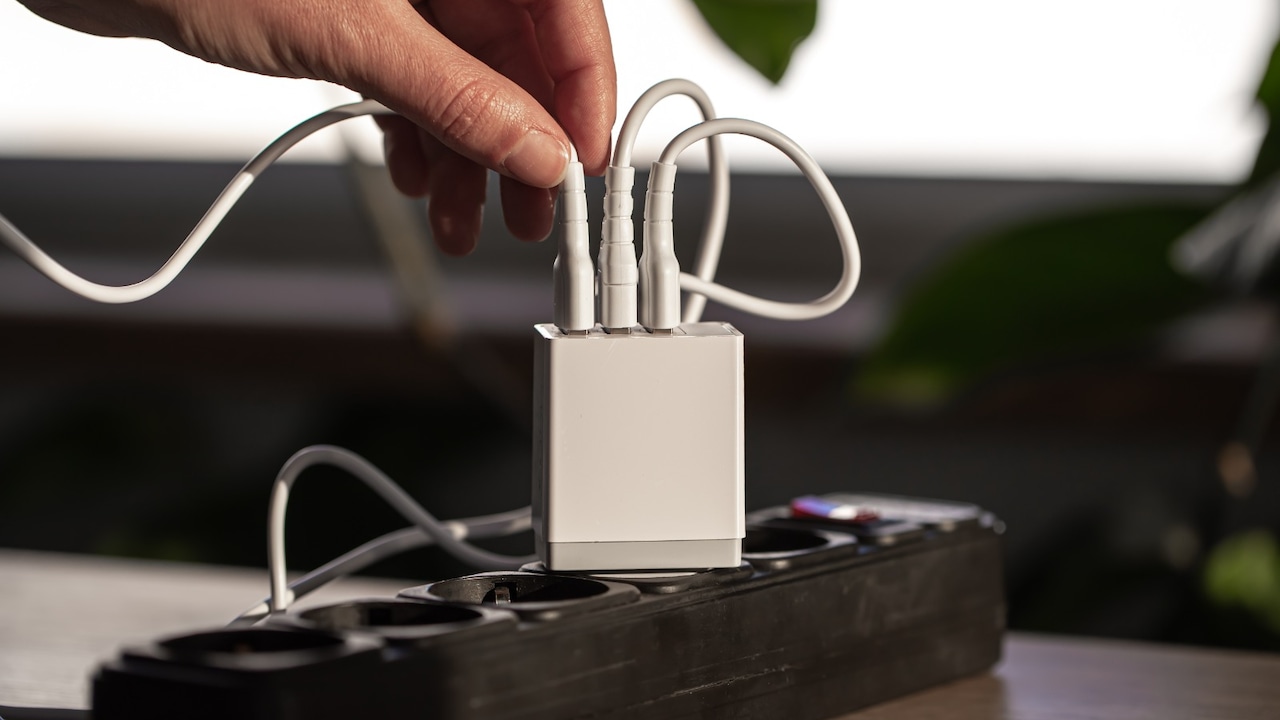
Plugging one extension board into another seems clever when sockets run out. This practice, called daisy-chaining, overloads a single wall outlet while creating multiple failure points.
Electricity flows through every connected board, multiplying resistance and heat generation. The last board in the chain may appear lightly loaded, but upstream boards carry the full burden. Overheating starts where it is least visible.
Daisy-chaining also confuses load calculations. People assume each board handles its own devices, ignoring the combined draw. This habit ranks high among causes of short circuits and electrical fires. One board per wall socket remains the golden rule for safe usage.
6. Signs an Extension Board Is Crying for Help
Extension boards rarely fail without warning. Subtle signs appear long before serious damage occurs. Warm plugs, discoloured sockets, crackling sounds, or a faint burning smell signal trouble.
Frequent power trips when devices turn on also indicate overload. Switches that feel loose or sparks during plugging in point to worn contacts. Ignoring these warnings allows damage to spread silently.
Regular touch checks help. If the board feels hot after light usage, something is wrong. Unplug immediately and investigate. Replacing a faulty board costs little compared to the consequences of letting it limp along.
7. Load Calculation Made Simple for Daily Use
Load calculation sounds technical, but basic awareness goes a long way. Every appliance displays its wattage on the label or charger. Adding these numbers reveals the total load.
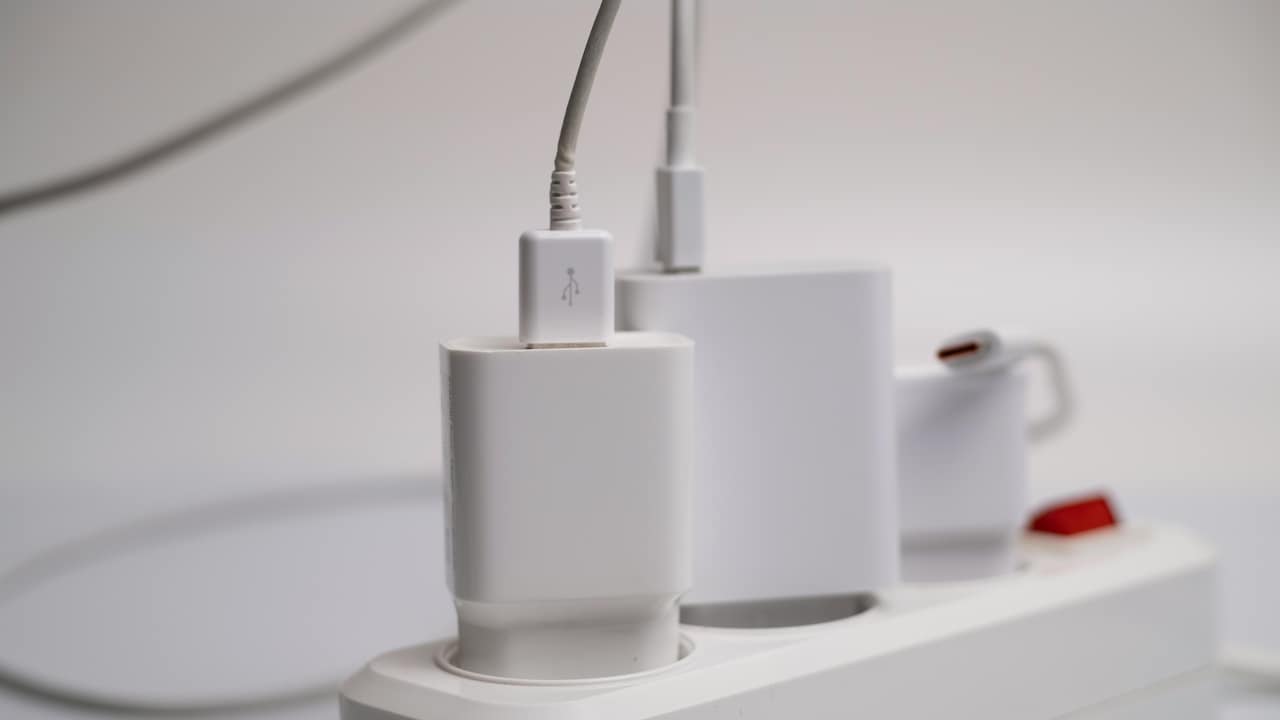
For example, a laptop at 90W, a monitor at 60W, a router at 15W, and a phone charger at 10W together draw around 175W. Most good extension boards handle 1,000–2,500W. That setup remains safe.
Add a heater rated at 2,000W, and the limit crosses instantly. The board struggles, heats up, and fails over time. Spending five minutes checking wattage prevents months of risk. Electricity rewards caution and punishes shortcuts.
What Really Causes Extension Boards To Overheat At Home; Photo Credit: Pexels
8. The Role of Surge Protectors and Switches
Not all extension boards offer surge protection. Basic boards only split sockets; they do not shield devices from voltage spikes. Sudden surges during power fluctuations damage electronics silently.
Boards with built-in surge protection absorb excess voltage, protecting laptops, televisions, and routers. Individual switches for each socket add convenience and safety. Turning off unused sockets reduces heat and saves power.
However, surge protection does not increase load capacity. A surge-protected board still overheats if overloaded. Many assume protection equals invincibility. Understanding this distinction helps avoid a false sense of security.
9. Placement Matters More Than Expected
Even a well-made extension board suffers if placed poorly. Heat needs space to escape. Boards pressed against walls, trapped under furniture, or covered by fabrics cannot cool properly.
Moisture also plays a role. Using extension boards near sinks, balconies, or damp floors increases shock and short-circuit risks. Dust accumulation acts as insulation, holding heat inside.
Keeping boards visible, elevated, and ventilated reduces risk significantly. Occasional cleaning and inspection keep performance stable. Treating extension boards like permanent fixtures rather than disposable accessories improves safety across the home.
10. Building Safer Habits Without Major Changes
Electrical safety does not demand drastic lifestyle changes. Small habits make a big difference. Assign high-power appliances to wall sockets only. Limit extension board use to low-power electronics.
Unplug boards when not in use, especially overnight. Avoid overnight charging on overloaded boards. Replace old or damaged boards promptly. Choose quality over quantity when buying electrical accessories.
Homes grow smarter and more connected each year. Electrical habits must evolve alongside. Respecting load limits protects property, saves money, and ensures that everyday convenience does not turn into unexpected danger.
Products Related To This Article
1. GM 3060 Extension Board 10Amp Output 250 Volts with 2 Mtr Extension Cord & Surge Protector
2. Portronics Power Plate 10 Extension Board with 4 Universal Sockets
3. Havells 4 Way Extension Board With Surge & Spike Protection
4. Goldmedal Gio 2-Pin Extension Board with 2.5 Meter Extension Cord
5. EMBOX Extension Board with Switches 1500 W
Extension boards simplify modern living, but they come with clear boundaries. Ignoring load limits invites overheating, appliance damage, and serious safety risks. Most problems arise not from faulty products but from everyday habits formed through convenience and assumption.
Understanding load limits, recognising warning signs, choosing quality equipment, and placing boards wisely create a safer environment without complexity. Electricity works silently and efficiently when treated with respect.
The next time an extension board feels warm, or another plug tempts attention, pause and reassess. A little awareness today prevents big problems tomorrow.
(Disclaimer: This article may include references to or features of products and services made available through affiliate marketing campaigns. NDTV Convergence Limited (“NDTV”) strives to maintain editorial independence while participating in such campaigns. NDTV does not assume responsibility for the performance or claims of any featured products or services.)