Cheap Electronics Explained: Why Budget Gadgets Don't Last And How To Buy Smarter
Cheap electronics look like a bargain but fail faster than expected. This article explains why budget gadgets break early and how smarter buying decisions can save money, reduce replacements, and avoid everyday tech frustration.

10 common reasons that make budget electronic items stop working earlier than expected.
Every home has that drawer. Tangled charging cables, a dead pair of earphones, a power bank that heats up like a tawa, and a Bluetooth speaker that worked fine until last monsoon. Most of these once carried attractive price tags. Budget electronics sell hope. They whisper, 'Same features, half the price.' For many households, that whisper sounds sensible.

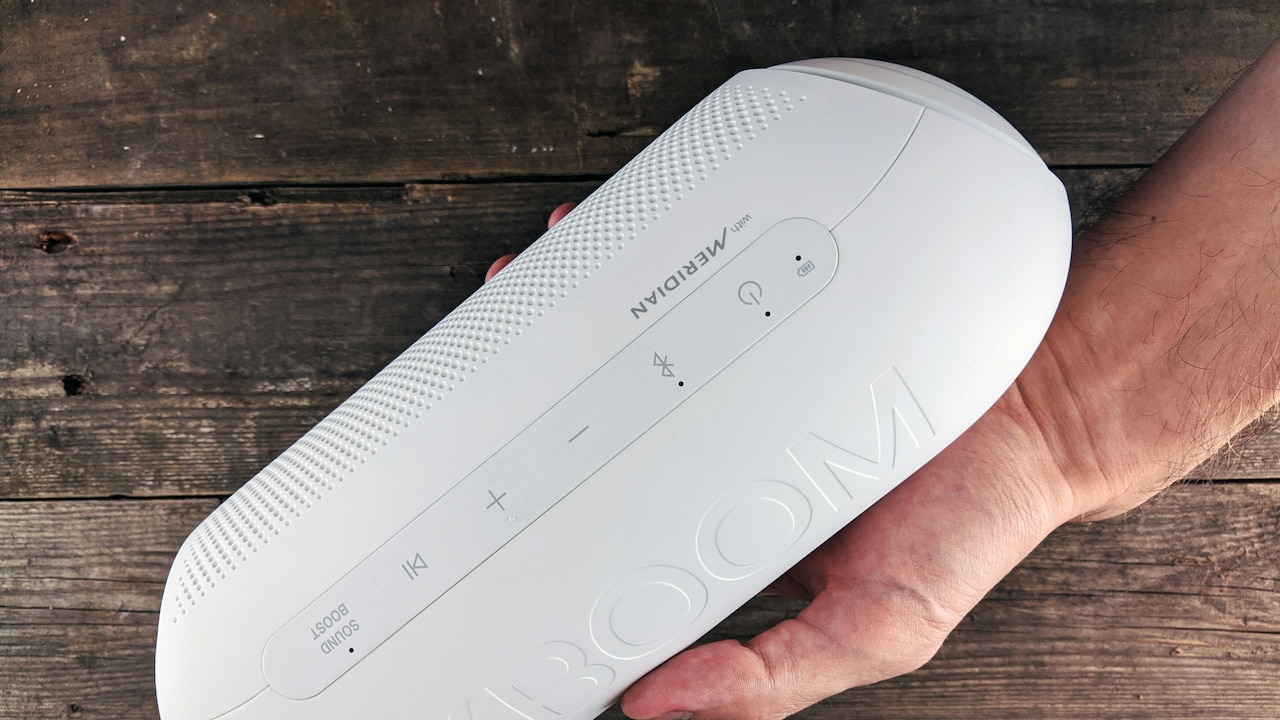
Explore the reasons why affordable electronics often lose their charm early; Photo Credit: Unsplash
Yet reality tells another story. Screens fade, buttons jam, batteries swell, and warranties vanish faster than festival discounts. The problem does not lie with bargain hunting. It lies with how these products get made, sold and used. Understanding that the cycle can stop money from leaking away in small but frequent amounts.
This article breaks down the real reasons behind early electronic failures and offers practical ways to buy smarter. No lectures. No tech jargon overload. Just clear insights, everyday examples and a few uncomfortable truths about cheap gadgets.
Also Read: What Are The Best Electronics You Can Gift Under Budget? Here Are The Top 5 Picks
What Really Goes Wrong After the Discount Wears Off
1. Cost-Cutting Begins at the Core
Budget electronics fail early because manufacturers shave costs where it hurts most. Internal components take the biggest hit. Cheaper capacitors, low-grade circuit boards and thin wiring replace durable alternatives. These parts look fine from the outside. Inside, they age fast.
Heat becomes the first enemy. Low-quality components struggle to manage temperature. After a few months, performance dips. Random shutdowns begin. A charger that once felt warm starts feeling dangerous. That is not bad luck. That is a design compromise.
Many factories also skip strict quality checks to push volumes. One faulty batch can flood the market. Consumers only discover the flaw after usage. At that stage, repair costs often exceed the product price. The bin becomes the final destination.
Spending ₹300 more on a device with better internals often doubles its lifespan. The irony stings. Paying less upfront often costs more over the year. Understanding what hides beneath the plastic shell changes how value gets measured.
2. Shortcuts in Battery Quality
Batteries define the lifespan of most modern gadgets. Budget devices almost always use low-density lithium cells. These cells store less power and degrade faster. After 50 to 100 charge cycles, capacity drops sharply.
That explains why a new power bank lasts a full day in the first week but struggles by month three. Heat accelerates this decline. Cheap batteries lack proper thermal protection. Charging overnight worsens the damage.
Safety also becomes a concern. Swollen batteries crack casings. Some even leak. The risk increases during summers when room temperatures climb. A ₹1,200 speaker with a poor battery can turn into a hazard.
Better brands invest in certified cells and protection circuits. These add cost but prevent early death. Checking battery capacity alone does not help. Looking for safety certifications and realistic charging times makes a bigger difference.
3. Flashy Features Over Functional Design
Budget gadgets love feature lists. Touch controls, RGB lights, voice assistants and 'gaming modes' appear everywhere. These features attract attention but often lack refinement. More features mean more points of failure.
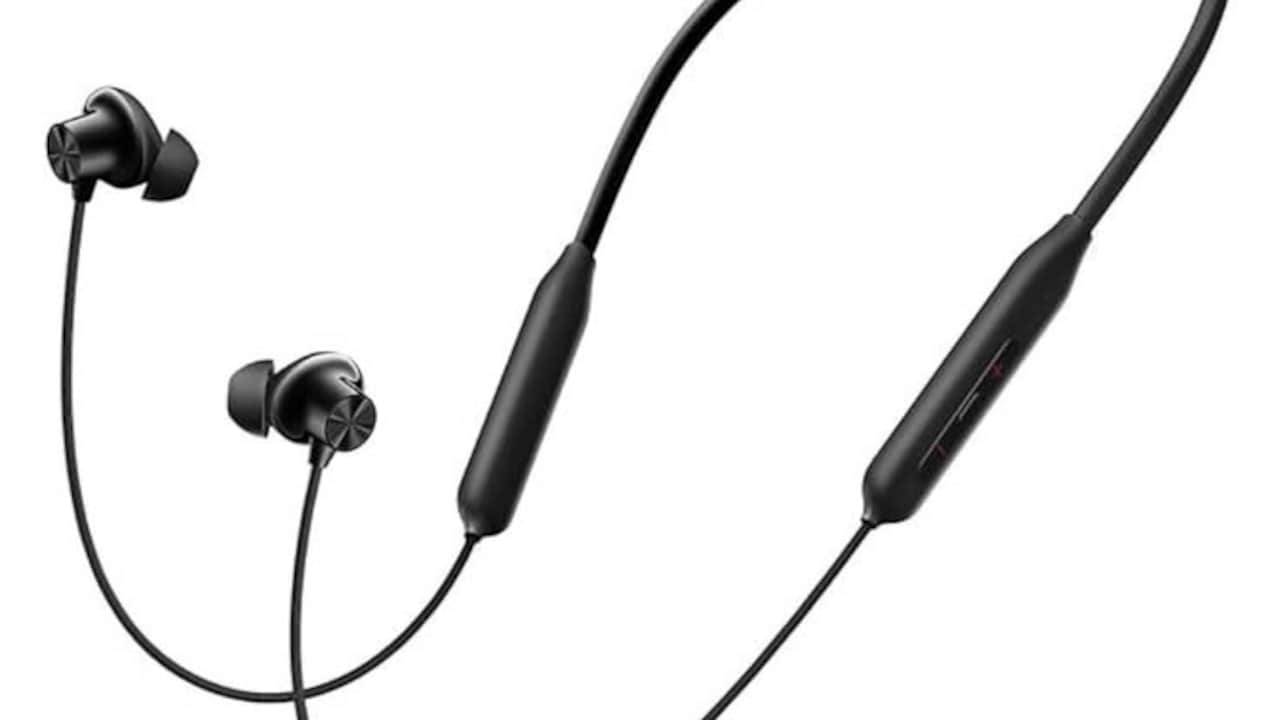
Touch panels on cheap earphones misfire. Lights drain batteries. Software struggles to manage hardware efficiently. The result feels clunky. Over time, frustration replaces excitement.
Functional design focuses on the basics. Strong buttons, clear sound, stable connectivity and comfortable build matter more than gimmicks. Devices that prioritise fundamentals age better.
A simple wired headset for ₹900 often outlasts a flashy wireless one priced at ₹1,299. Less complexity means fewer breakdowns. That truth rarely appears on packaging but shows up during daily use.
4. Weak After-Sales Support
Many budget electronics come from brands that disappear overnight. Online marketplaces fill with new names every month. Attractive pricing pulls buyers in. After-sales support rarely follows.
When something breaks, customer care numbers fail. Service centres do not exist. Replacement policies hide behind fine print. A one-year warranty means little without infrastructure.
Established brands charge more partly because they maintain service networks. That support adds invisible value. Even a basic repair extends product life by years.
Before buying, checking service availability saves future stress. A ₹2,000 device with real support beats a ₹1,200 one without any. Peace of mind carries its own price tag.
5. Poor Build Quality and Materials
Pick up a budget gadget and squeeze gently. The creak tells a story. Thin plastic, loose joints and weak hinges dominate the lower end of the market. These materials degrade quickly with daily use.
Ports loosen. Buttons sink. Cables fray. Dust and moisture slip inside with ease. During monsoon months, failure rates spike. Basic sealing and reinforcement cost money. Budget products skip them.
Durability matters more than looks. A matte finish means little if the charging port fails. Spending a little extra on a solid build saves repeat purchases.
Consumers often underestimate how physical stress affects electronics. Bags, pockets and desks apply pressure daily. Cheap materials cannot cope for long.

Poor build quality can often hamper the performance of affordable electronics; Photo Credit: Unsplash
6. Software Neglect and Outdated Systems
Electronics now rely heavily on software. Budget devices often ship with outdated firmware. Updates remain rare or non-existent. Bugs stay unfixed. Compatibility issues grow.
A smart bulb stops connecting after a router update. A fitness band loses sync with newer phones. These failures feel sudden but stem from neglect.
Software support costs money. Developers, testers and servers require investment. Cheaper brands avoid long-term commitments. Once sold, the product gets forgotten.
Choosing devices from companies known for updates ensures smoother performance. Even basic gadgets benefit from stable software. Longevity depends as much on code as on hardware.
7. False Economy of Frequent Replacement
Replacing a ₹1,000 gadget every six months feels manageable. Over three years, that adds up to ₹6,000. A ₹3,500 alternative lasting the same period suddenly looks cheaper.
This cycle drains wallets quietly. Small purchases slip under the budget radar. The cumulative effect stings later. E-waste piles up, too, creating environmental strain.
Thinking long-term changes buying habits. Calculating cost per year instead of sticker price reveals true value. That mental shift alone reduces wasteful spending.
Quality costs more once. Poor quality charges repeatedly. Breaking free from that loop saves money and sanity.
8. Marketing Tricks That Blur Reality
Packaging sells dreams. Words like 'premium,' 'pro' and 'ultra' flood budget electronics. Stock photos exaggerate build and performance. Influencer reviews highlight best-case scenarios.
Real-world usage tells a different story. Audio distorts at higher volumes. Battery claims shrink by half. Water resistance disappears after a splash.
Learning to read between the lines helps. Independent reviews, long-term user feedback and simple scepticism cut through hype. If a deal sounds too good, it usually hides a compromise.
Marketing focuses on first impressions. Reliability reveals itself over months. Wise buyers look beyond launch excitement.
9. How to Buy Smarter Without Overspending
Smart buying does not mean chasing the most expensive option. It means choosing wisely within a budget. Prioritising core needs helps. For earphones, sound and comfort matter. For chargers, safety and output stability count.
Checking warranty terms, service reach and brand history adds clarity. Waiting for sales allows access to better models at lower prices. Festive discounts often drop mid-range products into affordable zones.
Avoid impulse purchases. Pausing for a day often prevents regret. Comparing two options beats grabbing the cheapest.
Value comes from balance. Paying for what matters and ignoring fluff keeps spending efficient.
10. Caring for Electronics Extends Life
Usage habits influence lifespan more than many realise. Overcharging strains batteries. Rough handling damages the internals. Exposing devices to heat and moisture speeds up failure.
Simple care goes a long way. Unplugging after full charge helps. Using proper cases protects against drops. Cleaning ports prevents connection issues.
Even budget electronics last longer with mindful use. Pairing decent quality with good habits delivers the best outcome.
Technology serves daily life. Treating it with a little respect ensures it returns the favour.
Products Related To This Article
1. Sony WH-1000XM6 The Best Wireless Noise Canceling Headphones
2. Amazfit Balance 46mm AMOLED Smart Watch
3. Sony Alpha ILCE-7M4K Full-Frame Hybrid Camera 33MP Interchangeable-Lens Mirrorless Camera
4. OnePlus Pad Go 2
5. ASUS Vivobook 16, 16" FHD (1920 x 1200) OLED
6. Boat Aavante Bar A1040 Bluetooth 2.1 Channel Soundbar with 50 W Signature Sound
7. Samsung 108 cm (43 inches) Crystal 4K Vista Ultra HD Smart LED TV
Budget electronics fail early because corners get cut at every stage. From components and batteries to software and support, compromises pile up. Low prices mask hidden costs that appear later as replacements, repairs and frustration.
Stopping money waste does not require abandoning budgets. It requires smarter decisions. Understanding value beyond price, resisting marketing noise and caring for devices change the equation.
That forgotten drawer of dead gadgets does not need new additions. Choosing better once beats buying cheap repeatedly. In the long run, the wallet feels lighter and life feels simpler.
(Disclaimer: This article may include references to or features of products and services made available through affiliate marketing campaigns. NDTV Convergence Limited (“NDTV”) strives to maintain editorial independence while participating in such campaigns. NDTV does not assume responsibility for the performance or claims of any featured products or services.)