How Compact Soundbars Are Replacing Full Home Theatre Systems
Compact soundbars are transforming home entertainment by delivering powerful audio without bulky speakers or complex wiring. Sleek, affordable and easy to install, they are steadily replacing traditional home theatre systems in modern living rooms.
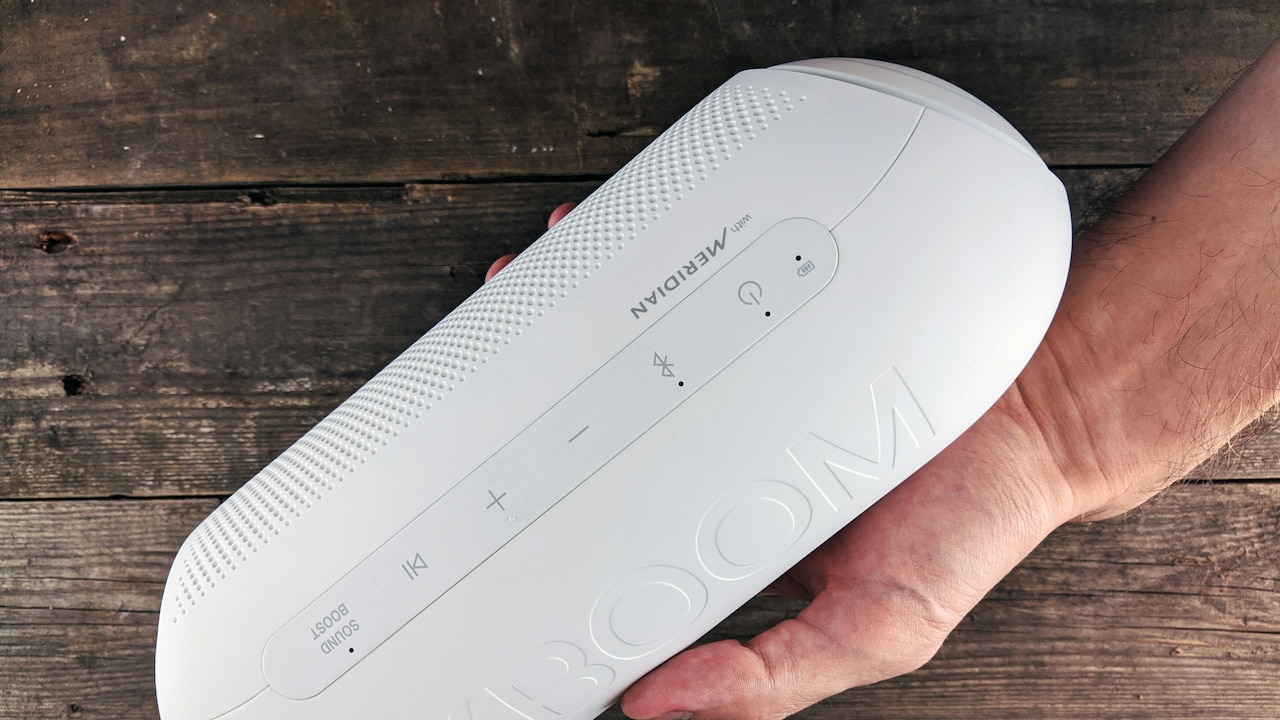
Beginner's guide to choosing between home theatre systems and compact soundbars
Not long ago, a “serious” entertainment setup meant towers of speakers, a tangle of wires, and a receiver that looked complicated enough to pilot a spacecraft. Friends gathered around living rooms where subwoofers shook the floor, and the remote had more buttons than anyone understood. Owning a full home theatre system carried a certain prestige. It felt like bringing the cinema home.

Explore the different advantages of choosing between a compact soundbar and a home theatre system; Photo Credit: Unsplash
Times have changed. Modern homes favour minimalism and convenience. People stream films, binge on web series, watch cricket highlights, and play music through smart televisions. In such spaces, the traditional multi-speaker home theatre system often feels oversized and unnecessarily complex.
Enter the compact soundbar. Sleek, discreet, and surprisingly powerful, this slim device sits beneath a television and delivers room-filling sound without the clutter. For many households, the shift feels almost inevitable. Technology has advanced enough to squeeze impressive audio into smaller hardware, while daily life increasingly rewards simplicity.
The rise of compact soundbars does not simply reflect a change in gadgets. It reveals a broader shift in how people value space, convenience, and affordability in their homes. What once required six speakers, a receiver, and a long afternoon of wiring can now emerge from a single elegant bar.
Also Read: Best Soundbars For Clear Dialogue: Enhance TV Audio And Home Theater Experience
Key Reasons Compact Soundbars Are Taking Over Living Rooms
The Living Room Has Changed
Modern living rooms rarely resemble the sprawling entertainment spaces of the past. Apartments have become more compact, furniture follows cleaner lines, and open layouts dominate new homes. Within these spaces, bulky audio systems often appear intrusive.
A traditional home theatre system demands careful speaker placement. Rear speakers need stands or wall mounts, while subwoofers claim precious floor space. For families already navigating sofas, coffee tables, bookshelves, and television units, adding multiple speakers can feel like solving a complicated puzzle.
Compact soundbars solve this challenge almost instantly. A slim device slides beneath the television or mounts neatly on a wall. The result looks tidy and intentional rather than cluttered.
The visual difference matters more than many people admit. A well-designed living room often reflects personal style and comfort. A soundbar blends into the environment instead of dominating it. The device works quietly in the background, both visually and acoustically.
This subtle harmony between technology and interior design explains why many households now prefer soundbars over elaborate audio setups.
Simplicity Has Become A Luxury
In the past, setting up a home theatre system felt like a weekend project. Manuals stretched for pages. Colour-coded cables tangled across the floor. Adjusting audio channels required patience and a willingness to experiment.
Today, convenience often wins over technical complexity.
Soundbars typically require just one cable connection to the television. Many models support HDMI ARC or optical connections, which means the television remote can control both picture and sound. Within minutes, the entire system stands ready.
This simplicity feels refreshing. No lengthy configuration process. No confusing speaker calibration routines. No guessing whether the rear channels work correctly.
Families appreciate this straightforward approach. Even those who feel comfortable with technology prefer devices that work immediately. After all, the goal is to enjoy a film or match, not spend half an hour troubleshooting audio settings.
In a world where smartphones, apps, and streaming platforms already demand attention, a simple entertainment setup feels like a welcome relief.
Audio Technology Has Quietly Improved
A decade ago, critics often dismissed soundbars as weak substitutes for “real” surround sound systems. Early models struggled to deliver depth and clarity. Dialogue sounded thin, and action scenes lacked impact.
Technology has since evolved dramatically.
Modern soundbars use advanced digital processing to simulate surround sound. Many include upward-firing speakers that bounce audio off ceilings to create height effects. Some models even incorporate wireless subwoofers for deeper bass.
The result surprises many first-time listeners. A single bar can fill a room with immersive sound that rivals larger systems.
Brands have invested heavily in acoustic engineering. Internal drivers now sit at carefully calculated angles, directing sound across the room rather than straight ahead. Algorithms adjust audio output depending on the room's shape and furniture placement.
The listener experiences richer sound without needing multiple speakers scattered around the room. This technological leap has played a major role in the growing popularity of compact soundbars.
Fewer Wires, Fewer Headaches
Anyone who has installed a full home theatre system remembers the cables. Long speaker wires snake across floors and behind furniture. Some require drilling through walls to hide them neatly.
Even after installation, problems can appear. A loose connection might silence a speaker. Rear speakers may struggle with long cable runs. Rearranging furniture becomes a logistical exercise.
Soundbars eliminate most of these frustrations.
Many models operate almost entirely wirelessly, aside from a power cable and the television connection. If a subwoofer exists, it often connects wirelessly as well. The entire system remains tidy and easy to maintain.
This reduction in wires also suits rented homes, where drilling holes or running cables through walls often creates complications with landlords.
The convenience becomes immediately obvious during installation. Within minutes, the living room transforms into an entertainment space without the mess of wires trailing across the floor.
Streaming Has Changed Listening Habits
Entertainment habits have evolved rapidly. Streaming platforms dominate evening routines. Families move from films to series, documentaries, sports highlights, and music playlists within the same evening.
Soundbars adapt perfectly to this modern viewing style.
Most models support Bluetooth or Wi-Fi connectivity. Music can stream directly from smartphones without switching on the television. Voice assistants sometimes integrate directly into the device, turning the soundbar into a smart speaker as well.
This flexibility aligns with everyday habits. Someone cooking in the kitchen might stream a playlist through the living room soundbar. Later, the same device enhances dialogue in a late-night drama series.
Traditional home theatre systems rarely offer this seamless integration. They were designed primarily for films rather than everyday entertainment.
Soundbars, by contrast, feel like versatile companions for the streaming era.
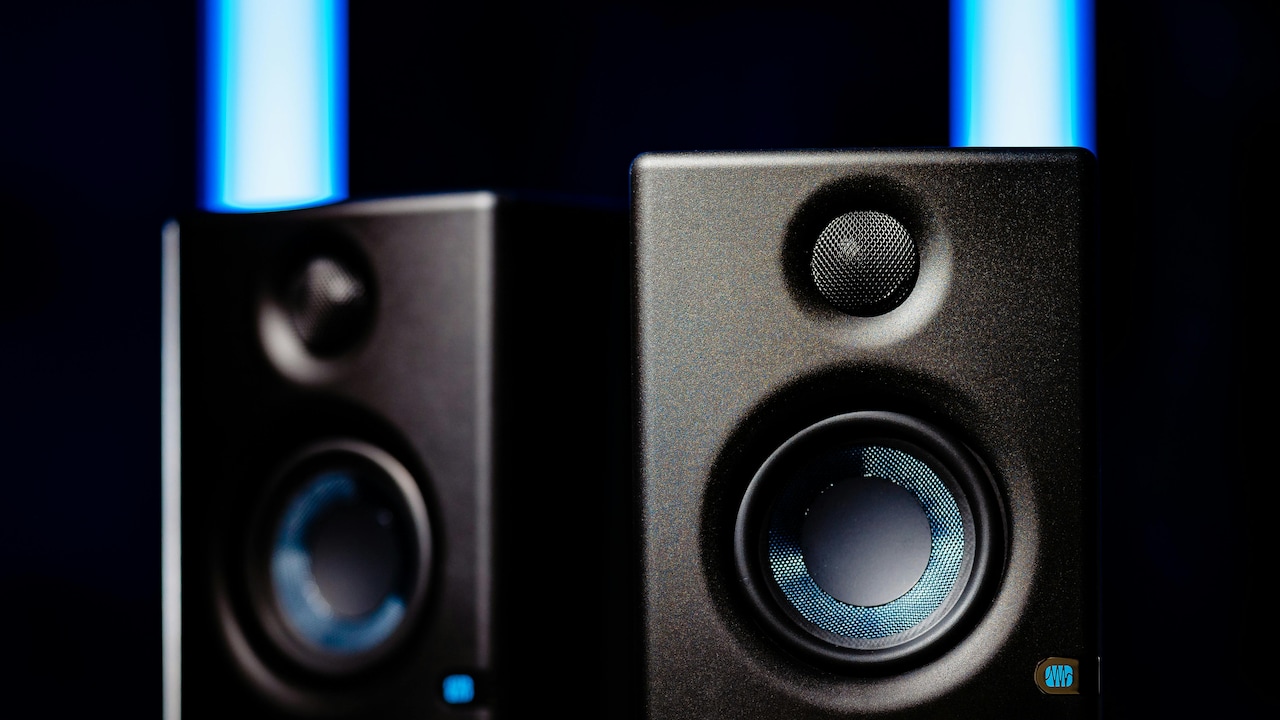
Traditional home theatre systems offer less seamless integration as compared to soundbars; Photo Credit: Pexels
Affordability Makes A Difference
Cost often plays a decisive role when choosing electronics. Full home theatre systems can become expensive once receivers, speakers, installation, and cables enter the equation.
A quality setup easily crosses ₹60,000 or more.
Soundbars provide a more accessible alternative. Many reliable models fall between ₹8,000 and ₹30,000, depending on features and brand reputation. Even premium soundbars usually remain cheaper than elaborate multi-speaker systems.
This price difference opens the door for more households to upgrade their television audio. Instead of tolerating thin built-in TV speakers, viewers can enjoy richer sound without stretching budgets.
The financial aspect matters particularly when families prioritise multiple gadgets such as smart televisions, streaming subscriptions, and gaming consoles.
A soundbar offers a noticeable improvement in audio quality without demanding a major financial commitment.
Design Now Matters As Much As Performance
Consumer electronics have become part of interior décor. Televisions grow slimmer every year, furniture emphasises clean lines, and living rooms increasingly resemble curated spaces rather than gadget showcases.
Soundbars align perfectly with this design philosophy.
Manufacturers now treat them as aesthetic objects rather than purely functional devices. Matte finishes, fabric grilles, subtle LED indicators, and minimalist shapes help them blend into modern interiors.
Placed beneath a television, a soundbar almost disappears into the setup. Some models even match the width of popular television sizes for visual symmetry.
This attention to design encourages people to upgrade without worrying about clutter. Instead of disrupting the room's appearance, the soundbar quietly enhances it.
In many homes, the device becomes an invisible yet essential part of the entertainment experience.
Perfect For Everyday Viewing
Most people do not watch films at full cinema volume every evening. Much of daily viewing involves news programmes, talk shows, sports commentary, and streaming series.
Soundbars excel at improving dialogue clarity.
Television speakers often struggle with speech, forcing viewers to increase volume just to understand conversations. Soundbars include dedicated voice enhancement features that keep dialogue crisp without overwhelming background effects.
This improvement becomes noticeable during late-night viewing. Clear dialogue allows lower volumes, which keeps the household peaceful.
For sports fans, the difference also feels significant. Crowd noise, commentary, and on-field action gain depth without shaking the entire building.
These everyday benefits matter more than occasional cinematic moments. A soundbar enhances routine viewing, which explains its growing appeal.
Installation Fits Busy Lifestyles
Modern households rarely have spare weekends for complicated installations. Between work schedules, commuting, and daily responsibilities, convenience becomes essential.
Soundbars respond perfectly to this reality.
Most models arrive with straightforward instructions. Mounting brackets often come included. A user can unbox the device, connect a single cable, and start watching within minutes.
Contrast this with the process of installing a full home theatre system. Positioning speakers correctly requires patience. Calibration microphones adjust audio levels. Rear speaker wiring demands planning.
For many households, that level of effort feels unnecessary.
Soundbars reduce setup time dramatically, which makes them appealing to people who value efficiency. Entertainment begins quickly, without the technical learning curve.
The Future Of Home Audio
Compact soundbars represent more than a temporary trend. They reflect a shift toward practical technology that blends into daily life.
As audio processing improves, these devices will likely become even more powerful. Future models may adapt automatically to room acoustics, integrate deeper with smart home systems, and deliver more immersive surround effects.
Meanwhile, television manufacturers continue producing slimmer screens with minimal built-in speakers. This creates an even greater need for external audio solutions.
Soundbars fill that gap perfectly.
Rather than replacing the cinematic experience entirely, they offer a balanced middle ground. Viewers enjoy clear, immersive sound without the complexity and expense of a traditional home theatre system.
For many households, that balance feels exactly right.
Products Related To This Article
1. Sonos Ray | Compact Soundbar for TV and Music
2. Zebronics 380W Soundbar with Dolby Audio, 5.1 Channel Surround
3. Boat Aavante Bar 610, 25W Signature Sound
4. JBL Cinema SB271, Dolby Digital Soundbar with Wireless Subwoofer for Extra Deep Bass
5. Philips TAB4120BK/94 Wireless Bluetooth Soundbar
The decline of traditional home theatre systems does not signal the end of great audio at home. Instead, it highlights a shift toward smarter, more adaptable technology.
Compact soundbars combine convenience, affordability, and impressive sound quality in a single elegant device. They suit modern living spaces, modern entertainment habits, and modern expectations of simplicity.
What once required multiple speakers, complex wiring, and careful calibration can now emerge from a slim bar beneath the television.
The transformation may appear subtle, yet its impact on everyday viewing proves undeniable. Compact soundbars have quietly redefined home entertainment, proving that powerful experiences sometimes arrive in surprisingly small packages.
(Disclaimer: This article may include references to or features of products and services made available through affiliate marketing campaigns. NDTV Convergence Limited (“NDTV”) strives to maintain editorial independence while participating in such campaigns. NDTV does not assume responsibility for the performance or claims of any featured products or services.)