Do Bigger TVs Need Higher Resolution? Myths About Screen Size and Picture Quality
Bigger TVs don’t always need higher resolution. Viewing distance, content quality and screen technology matter more than pixel count. This article breaks common myths to help buyers choose smarter.

Do Bigger TVs Really Need Higher Resolution? Screen Size and Picture Quality Myths Busted.
Television buying has become a strange mix of excitement and confusion. Bigger screens promise cinema-like drama. Higher resolutions suggest razor-sharp detail. Sales banners shout about 4K, 8K and pixels that the human eye may never notice. Somewhere between the showroom glow and the living room wall, expectations often crash into reality.
Many households upgrade TVs expecting a visual revelation, only to feel underwhelmed once the novelty fades. The cricket match looks the same. Films feel familiar. News channels show no magical leap in clarity. That disappointment rarely comes from a bad television. It usually comes from misunderstood basics.
Screen size and resolution share a relationship, but not the one most people assume. Bigger does not always demand sharper. Higher resolution does not automatically mean better viewing. Comfort, distance, content and usage habits play a far bigger role than marketing suggests.
This piece breaks down ten common myths around TV size and picture quality. No jargon overload. No brand worship. Just practical sense, real-life examples and a few gentle laughs along the way.

TV Screen Size Vs Resolution: What Really Affects Picture Quality At Home
Photo Credit: Pexels
Breaking Down The Biggest Myths Around TV Size and Resolution
1. Bigger Screen Automatically Means Better Picture
A larger television does grab attention. It fills the wall, impresses guests and makes ads feel cinematic. Yet size alone never guarantees better picture quality. A stretched image still carries the same flaws, just on a grander scale.
Imagine blowing up a passport photo to poster size. Every blemish shows. Television works the same way. If the source quality stays average, the bigger screen highlights its limits. Grain, blur and compression artefacts become more visible.
Picture quality depends on contrast, colour accuracy and motion handling as much as size. A well-tuned 43-inch screen can look richer than a poorly calibrated 65-inch monster. Many viewers report greater satisfaction after downsizing but upgrading panel quality.
Room size matters too. A large screen crammed into a compact living space can feel overwhelming. Eyes strain. Neck angles turn awkward. What should feel immersive starts feeling exhausting.
The smarter approach focuses on balance. Screen size should match room dimensions and seating distance. Quality should match viewing habits. Bigger impresses briefly. Better lasts longer.
2. Higher Resolution Is Always Noticeable
Resolution numbers sound dramatic. Full HD. 4K. 8K. Each jump feels like a leap into the future. In reality, the human eye places limits on what can actually be seen.
From a typical sofa distance, the difference between Full HD and 4K on a 50-inch screen remains subtle. Many viewers struggle to spot it without standing uncomfortably close. The jump becomes clearer only with very large screens or closer seating.
Content plays a major role. Most television channels still broadcast in HD. Many streaming shows use heavy compression. Even blockbuster films often lose detail during transmission. The extra pixels sit idle.
Resolution matters most for specific use cases. Large screens. Short viewing distances. High-quality content sources. Outside these scenarios, benefits flatten out quickly.
That does not make higher resolution useless. It simply means expectations need adjustment. Picture processing, colour depth and brightness often create a more noticeable improvement than raw pixel count.
3. Sitting Closer Makes Higher Resolution Essential
Many buying guides suggest a formula: sit closer, buy higher resolution. The idea holds some truth, but it is often exaggerated.
Yes, sitting close reveals more detail. It also reveals flaws unrelated to resolution. Poor upscaling, low bit-rate streams and noisy broadcasts become obvious. The screen shows everything, good and bad.
Most living rooms naturally place viewers at a comfortable distance. Furniture layout, coffee tables and sheer habit set the spacing. Very few people watch television like a front-row cinema seat.
Instead of chasing resolution to compensate for proximity, adjusting seating often works better. Moving the sofa back by even half a metre reduces visible artefacts and eye fatigue.
Comfort beats calculation. A viewing setup should feel relaxed, not engineered. When eyes stop scanning pixels and start enjoying the content, the setup works.
4. 4K Content Is Everywhere Now
Advertisements suggest a world swimming in 4K content. Reality feels more modest.
Streaming platforms do offer 4K titles, but access often requires premium subscriptions and fast, stable internet. Even then, streams adapt quality on the fly. During peak hours, resolution drops quietly to prevent buffering.
Live television remains mostly HD. Sports broadcasts rarely deliver true 4K despite flashy labels. Older shows and regional programming stay firmly below that threshold.
Physical media offers the best 4K quality, but discs cost more and require dedicated players. Many households have already moved away from physical formats entirely.
This gap between promise and practice explains why many high-resolution televisions underwhelm. The screen waits for content that rarely arrives in its full glory.
Choosing a television based on current viewing habits avoids disappointment. A great HD experience beats a theoretical 4K future that never quite shows up.
5. Bigger TVs Need 4K to Avoid Pixelation
Pixelation fears drive many upgrades. The thought of visible squares dancing across a massive screen feels alarming. Thankfully, modern displays handle this better than expected.
Even Full HD spreads pixels finely across mid-sized and large screens. At normal viewing distances, individual pixels blend smoothly. Pixelation rarely appears unless sitting extremely close or watching very low-quality content.
Manufacturers also use advanced scaling techniques. These processors smooth edges and reduce blockiness. While not perfect, they prevent the screen from looking like a mosaic.
Real-world tests often surprise buyers. A well-made 55-inch Full HD TV can look sharp and pleasing in a standard living room. Pixelation myths persist mostly due to showroom demos that push viewers unrealistically close.
Resolution should match usage, not fear. Most households never encounter pixel issues during everyday viewing. The anxiety sells upgrades. Reality stays kinder.
6. Eye Strain Comes From Low Resolution
Eye strain gets blamed on resolution far too often. In truth, several other factors play larger roles.
Brightness settings top the list. Many televisions ship in vivid showroom modes. These blast light to compete with store lighting. At home, that intensity tires eyes quickly. Lowering brightness often brings instant relief.
Blue light emission contributes as well. Extended evening viewing without warm colour modes strains vision and disrupts sleep. Most modern TVs offer eye comfort settings that remain underused.
Motion handling also matters. Poor processing causes judder and blur, forcing the eyes to work harder during fast scenes. Higher resolution alone does nothing to fix this.
Resolution rarely causes discomfort on its own. Viewing habits, lighting conditions and settings matter far more. A thoughtfully adjusted screen protects eyes better than any pixel upgrade.
7. Smaller TVs Do Not Benefit From 4K
This myth cuts both ways. Some believe small screens cannot show 4K benefits at all. Others insist every size deserves maximum resolution.
On screens below 43 inches, the difference does become harder to spot from typical distances. Yet higher resolution still brings subtle advantages. Text looks cleaner. Graphics feel smoother. Fine patterns avoid shimmer.
For viewers who sit closer or use the TV as a monitor, benefits increase. Gaming consoles and streaming interfaces look crisp. Small details pop without effort.
That said, resolution should never be the sole deciding factor. Panel quality, colour accuracy and processing matter more at smaller sizes. A high-quality HD panel often outperforms a budget 4K alternative.
Small screens can benefit from higher resolution, but only when paired with quality components. Pixels alone never carry the experience.
8. More Pixels Mean Better Sports Viewing
Sports drive many TV purchases. Bigger screens promise stadium vibes. Higher resolution suggests seeing every blade of grass. Reality lands somewhere in between.
Live sports broadcasts face heavy compression. Fast motion challenges even the best displays. Motion blur, not resolution, becomes the main enemy.
Refresh rate and motion interpolation influence clarity far more during sports. A well-handled HD broadcast with smooth motion often looks better than a stuttering 4K feed.
Camera quality and broadcast infrastructure also limit what reaches the screen. Even premium matches rarely transmit in full native 4K.
For sports lovers, priorities shift. Motion handling. Refresh rate. Panel responsiveness. These features shape enjoyment more than raw pixel count.
Buying a TV for sports should focus on how movement looks, not how many pixels sit behind it.
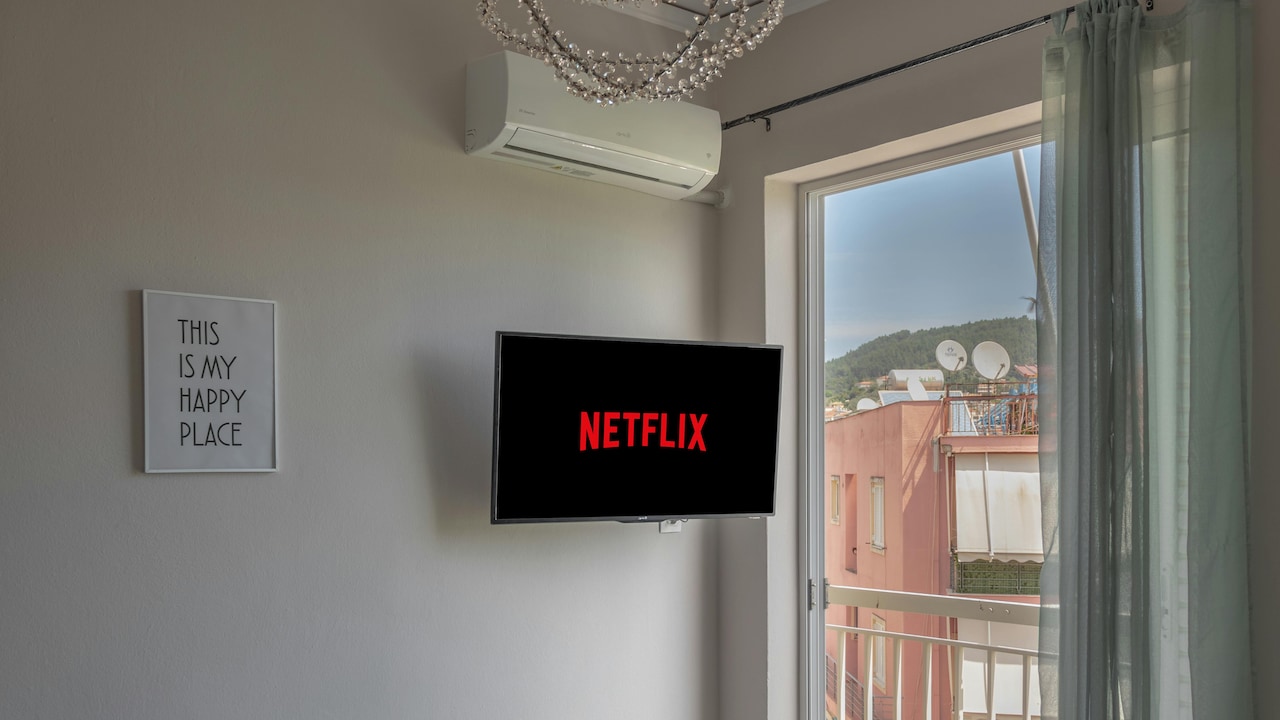
TV Screen Size Vs Resolution: What Really Affects Picture Quality At Home
Photo Credit: Pexels
9. Bigger and Sharper Always Feels More Cinematic
Cinema magic comes from more than size and resolution. Lighting, sound and immersion work together.
A massive screen with tinny speakers feels hollow. A sharp image in a bright room loses depth. Cinematic impact thrives in controlled environments.
Contrast ratio plays a huge role. Deep blacks and rich colours create drama. Many viewers report a stronger cinematic feel from smaller OLED screens than from larger LCD ones.
Sound often gets ignored. Even modest external speakers elevate films dramatically. Dialogue clarity and bass response shape emotional impact far more than pixel density.
Cinema experience lives in balance. Bigger and sharper help, but atmosphere completes the illusion. Without it, the screen remains just a screen.
10. Future-Proofing Means Buying the Highest Resolution
Future-proofing sounds sensible. Buy once. Enjoy for years. Yet technology rarely stands still long enough to reward this strategy fully.
Content standards evolve. Codecs change. Streaming platforms adjust. Today's premium resolution may become tomorrow's baseline, but other features soon overshadow it.
Connectivity standards matter. Software updates matter. Panel longevity matters. A future-proof television supports new formats, not just high resolution.
Budget also plays a role. Spending extra now for unused resolution may limit upgrades later when truly meaningful features emerge.
Smart buying focuses on present enjoyment with reasonable flexibility. A television that fits current habits and delivers consistent quality often ages better than a spec-heavy gamble.
Products Related To This Article
1. LG 139 cm (55 inches) UA82 Series 4K Ultra HD
2. VW 140 cm (55 inches) Pro Series 4K Ultra HD Smart QLED Google TV VW55GQ1
3. Sony 139 cm (55 inches) BRAVIA 2M2 Series 4K Ultra HD Smart LED Google TV
4. Philips 139 cm (55 inches) 8100 Series 4K Ultra HD Smart QLED Google TV 55PQT8100
5. TCL 139 cm (55 inches) Metallic Bezel Less Series 4K Ultra HD Smart LED Google TV 55V6C
The television market thrives on numbers. Inches. Pixels. Hertz. Each promises a better experience. Yet real-world viewing tells a quieter story.
Picture quality depends on balance. The screen size should suit the room and distance. Resolution should match content and habits. Comfort, settings and sound shape enjoyment far more than spec sheets admit.
Bigger screens do not automatically demand higher resolution. Higher resolution does not guarantee satisfaction. Myths persist because they sell easily. Reality rewards thoughtfulness.
The best television feels right. It disappears during a gripping match. It fades into the background during family dinners. It never demands attention for the wrong reasons.
Understanding these myths empowers smarter choices. The result feels less like chasing technology and more like inviting entertainment home—on its own terms.
(Disclaimer: This article may include references to or features of products and services made available through affiliate marketing campaigns. NDTV Convergence Limited (“NDTV”) strives to maintain editorial independence while participating in such campaigns. NDTV does not assume responsibility for the performance or claims of any featured products or services.)