Are Smart Plugs Actually Saving You Money?
Smart plugs promise lower bills and smarter homes. But do they truly save money, or just add convenience? A closer look reveals whether they cut costs, or simply change how electricity is used.
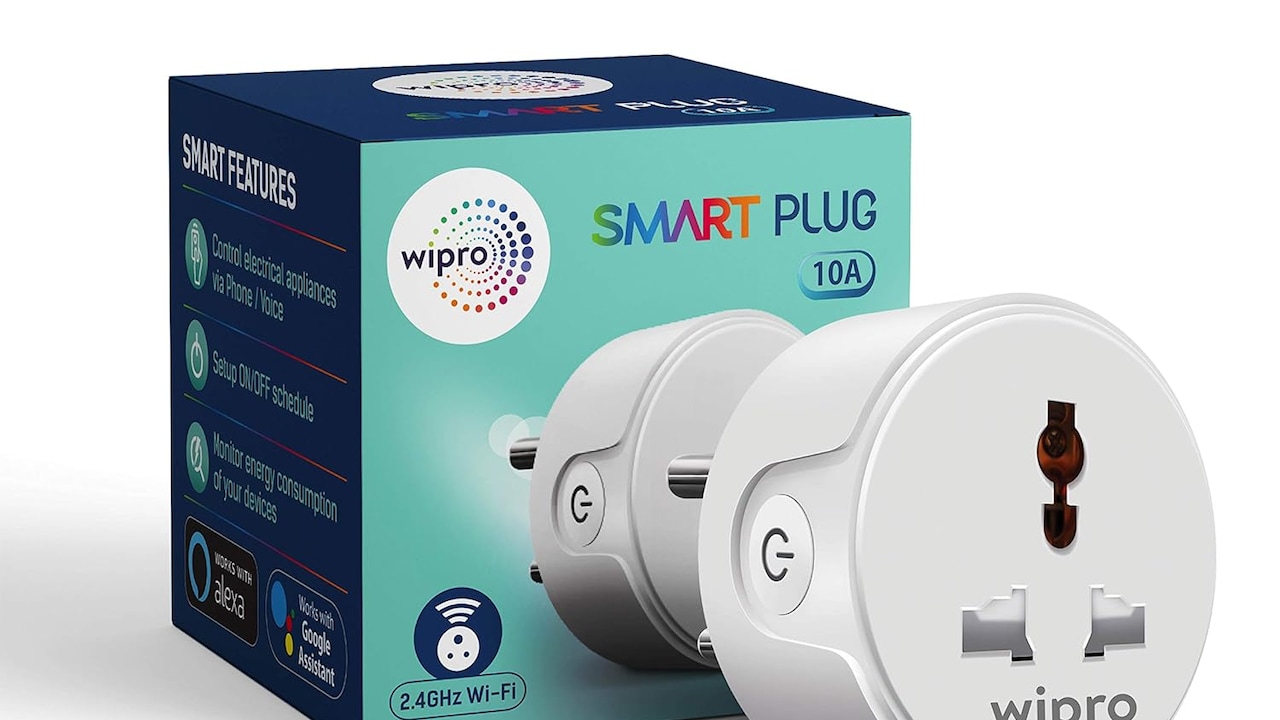
Are Smart Plugs Actually Saving You Money?
The modern home is slowly turning into a quiet orchestra of connected devices. Lights switch on with a tap, fans adjust speed on command, and even the humble plug point has joined the digital revolution. Smart plugs, small yet surprisingly powerful, sit at the centre of this shift. They claim to reduce electricity bills, improve efficiency, and make everyday life smoother. But behind the convenience lies a simple question: do they actually save money?
The answer is not as straightforward as marketing brochures suggest. Smart plugs can help, but they are not magic. Savings depend less on the device itself and more on how it is used. For households juggling rising electricity costs, unpredictable power usage, and the ever-growing list of appliances, understanding this distinction matters.
This article explores whether smart plugs truly deliver financial savings or simply create the illusion of control. Along the way, it examines habits, hidden energy drains, and the subtle psychology of “smart living”.
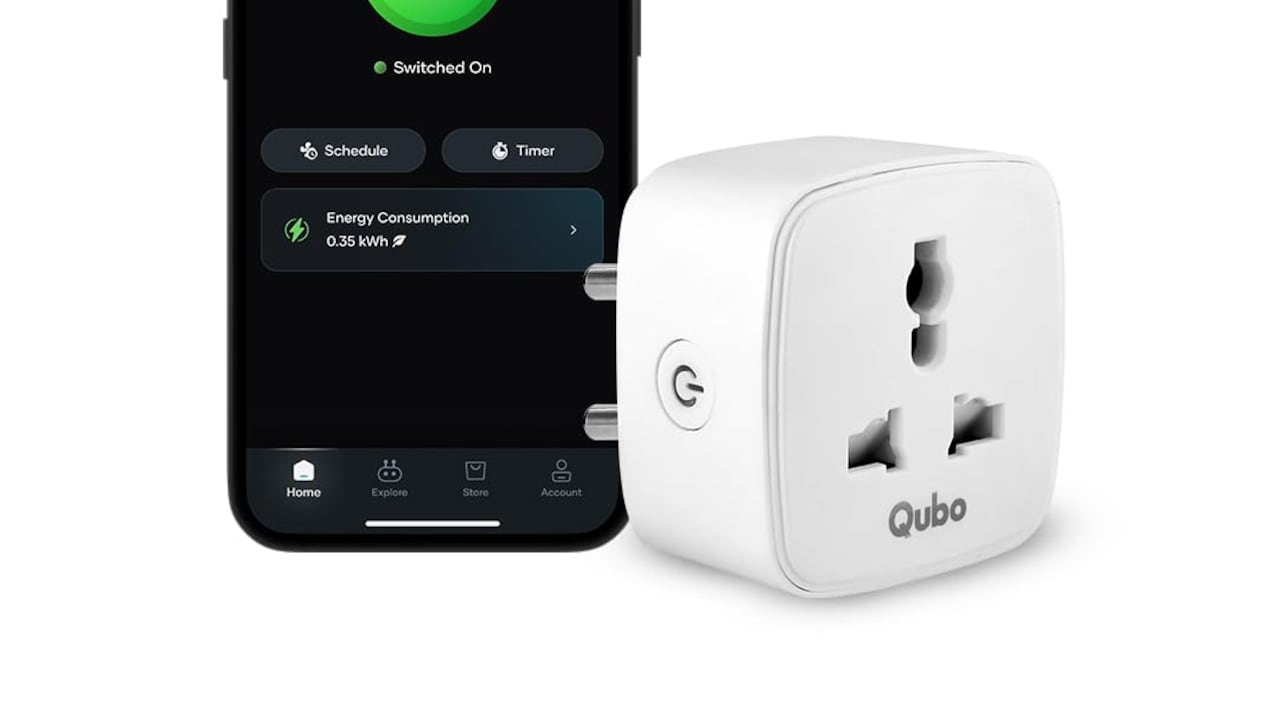
Smart Plugs And Electricity Bills: Do They Reduce Costs Or Just Add Convenience?
Photo Credit: Amazon
Looking Closer At How Smart Plugs Affect Your Bills
The Promise Of Smart Plugs
Smart plugs arrive with a compelling pitch: plug them in, connect to an app, and watch energy usage drop. The appeal is obvious. No rewiring, no technical fuss, just instant control over appliances.
Manufacturers often highlight features like scheduling, remote switching, and energy monitoring. A geyser that turns off automatically. A charger that doesn't stay plugged in overnight. A television that shuts down completely instead of idling on standby. Each of these sounds like a small win, and collectively they promise noticeable savings.
However, the promise rests on behaviour. A smart plug will not reduce consumption on its own. It only provides the option to control it better. If habits remain unchanged, the electricity bill will likely stay the same.
Think of it as buying a fitness tracker. The device tracks steps, but it cannot force anyone to walk. Similarly, smart plugs offer awareness and control, but savings depend on action.
Understanding Standby Power
One of the biggest selling points of smart plugs is their ability to cut “phantom” or standby power. This refers to electricity consumed by devices even when they appear switched off.
Televisions, microwaves, set-top boxes, and gaming consoles quietly sip power throughout the day. Individually, the consumption seems negligible. Together, over a month, it adds up.
Smart plugs can eliminate this waste by completely cutting power when devices are not in use. Instead of leaving appliances in standby mode overnight or during work hours, they can be turned off remotely or on a schedule.
Yet, the actual savings from standby power are often modest. For a typical household, the monthly reduction might range between ₹50 to ₹200, depending on usage patterns. Helpful, yes, but not life-changing.
Still, there is something satisfying about knowing that electricity is not being wasted silently. That awareness alone can lead to smarter habits beyond just using plugs.
Scheduling Appliances For Efficiency
One of the more practical features of smart plugs is scheduling. Appliances can be set to turn on or off at specific times, removing the need for manual intervention.
This is particularly useful for devices like water heaters, room heaters, or air purifiers. Instead of running longer than necessary, they operate only when needed. A geyser, for instance, can switch on 20 minutes before a morning shower and turn off immediately after.
Over time, this reduces unnecessary consumption. Unlike manual switching, which depends on memory and discipline, scheduling ensures consistency.
However, scheduling only saves money when it replaces inefficient habits. If a geyser was already being used carefully, the difference may be minimal. But in homes where appliances are often left running longer than needed, the savings can be noticeable.
The real benefit lies in removing human forgetfulness from the equation.
The Cost Of The Device Itself
Before counting savings, it is worth considering the upfront cost of smart plugs. A decent model can cost anywhere between ₹800 and ₹2,500.
If the monthly savings are modest, it may take several months, or even years, to recover the initial investment. For instance, saving ₹150 per month means it could take over a year to break even on a ₹2,000 plug.
This raises an important point: smart plugs are not purely financial tools. They are convenience devices with potential savings as a secondary benefit.
For those expecting dramatic reductions in electricity bills, the maths may feel underwhelming. But for those valuing control, automation, and peace of mind, the cost may feel justified
Smart Plugs And Electricity Bills: Do They Reduce Costs Or Just Add Convenience?
Photo Credit: Amazon
.
Energy Monitoring And Behaviour Change
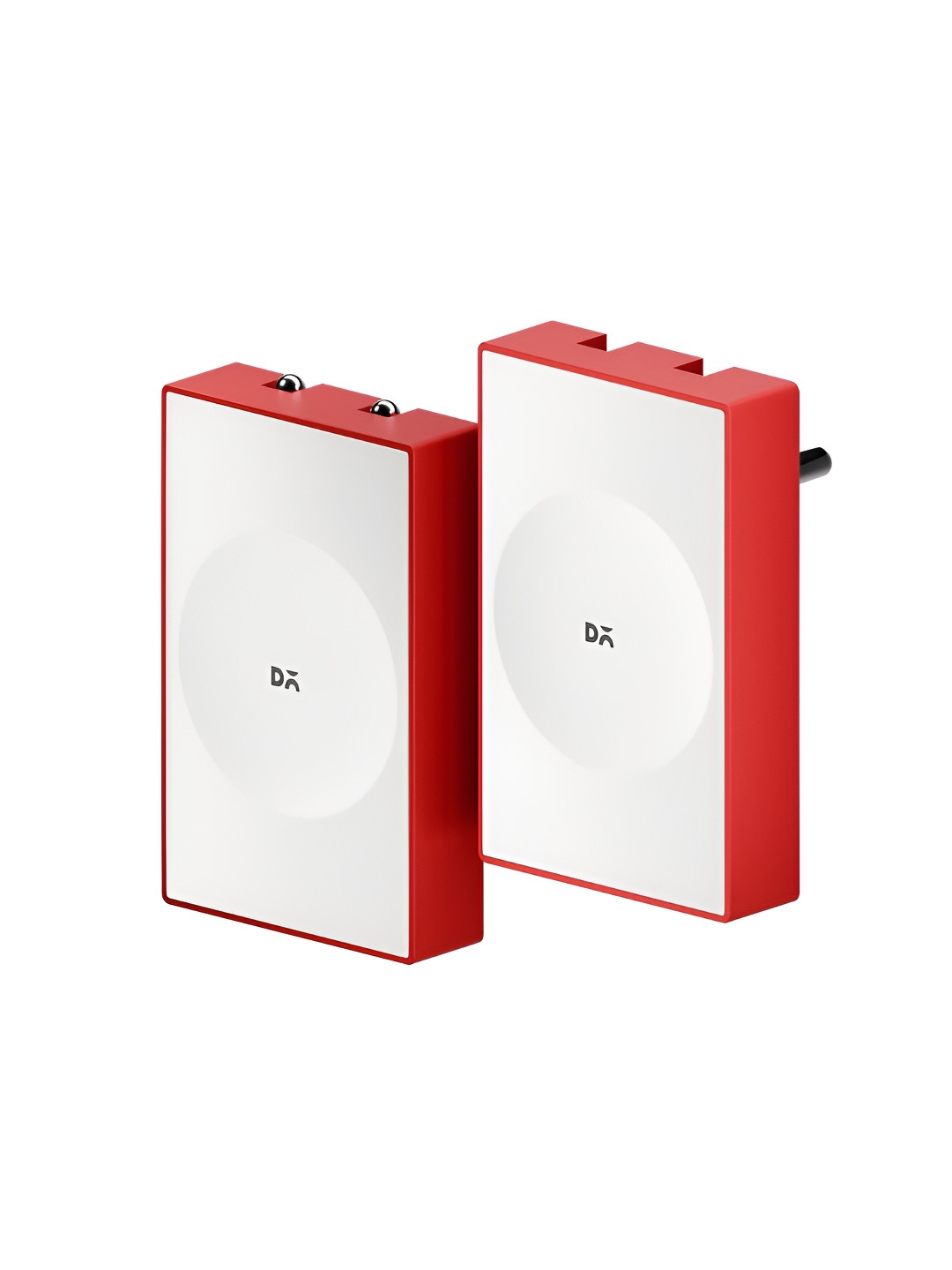
Many smart plugs come with energy monitoring features. They show how much electricity a device consumes in real time.
This feature can be surprisingly eye-opening. A seemingly harmless appliance might turn out to be a power guzzler. A water heater left on too long, or an old refrigerator working inefficiently, suddenly becomes visible in numbers.
This awareness often leads to behavioural changes. People start switching off devices more consciously, using appliances more efficiently, and even reconsidering older equipment.
In this sense, the real savings do not come directly from the smart plug but from the insights it provides. Knowledge drives action, and action drives savings.
Without this feedback, it is easy to underestimate energy usage.
Remote Control And Convenience
Imagine leaving home and suddenly wondering whether the iron or heater was switched off. That lingering doubt can be unsettling.
Smart plugs eliminate this worry by allowing remote control through a mobile app. Devices can be turned off from anywhere, providing both convenience and safety.
While this feature does not directly reduce electricity consumption, it prevents accidental overuse. An appliance left running for hours can significantly increase energy bills. Being able to switch it off instantly avoids such situations.
Convenience also encourages better habits. When controlling devices becomes effortless, people are more likely to use that control regularly.
In many ways, the value of smart plugs lies as much in peace of mind as in savings.
Also Read: Smart Plug Power Consumption Explained: The Standby Power Myth
Compatibility With High-Power Appliances
Not all appliances are suitable for smart plugs. High-power devices like air conditioners or large heaters may exceed the plug's capacity.
Using a smart plug beyond its limit can be unsafe and may damage both the device and the appliance. This limits the scope of savings, as some of the biggest energy consumers cannot be controlled this way.
Even for compatible devices, it is important to check ratings and ensure proper installation. A mismatch can lead to overheating or reduced lifespan.
This technical limitation often goes unnoticed in advertisements, but it plays a crucial role in determining actual usefulness.
The Role Of Daily Habits
Perhaps the most overlooked factor in energy savings is habit. Smart plugs can only do so much. The real impact comes from consistent, mindful usage.
Leaving lights on unnecessarily, running appliances longer than needed, or using inefficient devices will continue to inflate electricity bills regardless of smart controls.
On the other hand, small changes, switching off unused devices, optimising usage times, and maintaining appliances, can significantly reduce consumption even without smart technology.
Smart plugs act as tools, not solutions. They amplify good habits but cannot replace them.
Are They Worth It For Every Home?
The value of smart plugs varies from household to household. For tech enthusiasts or those managing multiple appliances, they offer convenience and control that feels worthwhile.
For others with simpler setups or already disciplined habits, the benefits may feel marginal.
Homes with frequent power fluctuations, shared living spaces, or busy routines may find smart plugs particularly useful. They simplify management and reduce the chances of waste.
Ultimately, the decision depends on priorities. If the goal is purely to save money, expectations should remain realistic. If convenience and control matter, smart plugs can be a welcome addition.
The Subtle Psychology Of “Smart” Living
There is an interesting psychological element to smart devices. The mere presence of “smart” technology often makes people feel more efficient, even if actual usage does not change significantly.
This perception can be both helpful and misleading. On one hand, it encourages better habits. On the other, it may create a false sense of savings.
It is easy to assume that installing a smart plug automatically reduces electricity bills. In reality, the device only creates the opportunity to save.
Understanding this distinction prevents disappointment and ensures smarter decisions.
Smart Plugs And Electricity Bills: Do They Reduce Costs Or Just Add Convenience?
Photo Credit: Amazon
Products Related To This Article
1. Zebronics ZEB-SP110
2. Qubo 10A Wi-Fi + Bluetooth Smart Plug | Energy Monitoring
3. Lifelong Electronics 10A WiFi Smart Power Plug for Home Automation
4. Tapo P110 16A Wi-Fi Smart Plug with Energy Monitoring
5. Wipro 10A smart plug with Energy monitoring- Suitable for small appliances like TVs
Smart plugs are not miracle workers. They do not slash electricity bills overnight or eliminate energy waste entirely. What they offer instead is control, awareness, and convenience.
Used thoughtfully, they can lead to modest savings and better energy habits. Left unused or misunderstood, they become just another gadget plugged into the wall.
The real question is not whether smart plugs save money, but whether they help people use electricity more wisely. In that sense, their value goes beyond numbers on a bill.
Savings may come slowly, in small increments. But the shift towards mindful consumption, less waste, more control, and smarter choices, may prove far more valuable in the long run.
(Disclaimer: This article may include references to or features of products and services made available through affiliate marketing campaigns. NDTV Convergence Limited (“NDTV”) strives to maintain editorial independence while participating in such campaigns. NDTV does not assume responsibility for the performance or claims of any featured products or services.)