Headphones Causing Ear Pain? A Simple Guide to Clamp Force and Long-Term Comfort
Headphones hurting after 30 minutes is not normal. Clamp force and contact pressure are often to blame. This guide explains why discomfort happens and how smarter design and fit choices can deliver long-lasting comfort.
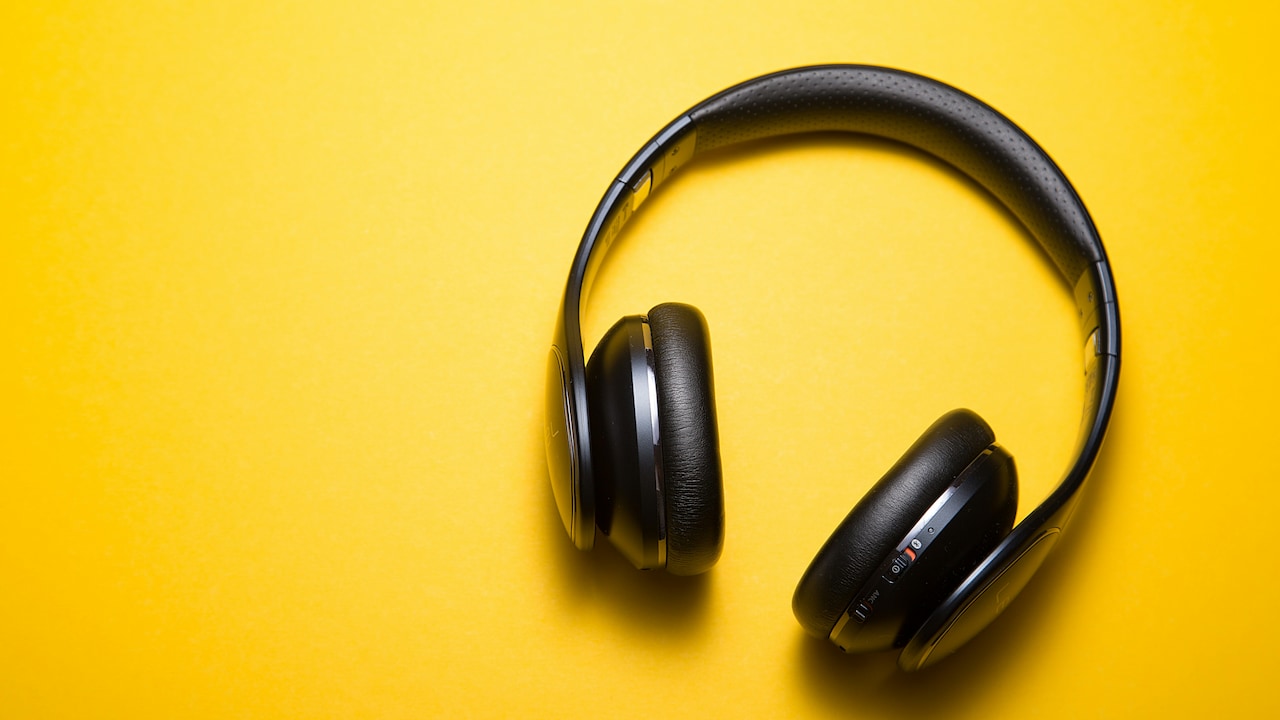
Headphones Hurt Ears After 30 Minutes? Clamp Force And Contact Pressure Optimisation Guide.
Headphones promise escape. They offer focus during office calls, calm during chaotic commutes, and entertainment during long evenings. Yet, for many users, that promise collapses within half an hour. A tight squeeze around the head, sore ears, or even a mild headache can turn a favourite pair into a silent enemy.
The problem rarely lies with sound quality. More often, discomfort stems from poor clamp force and uneven contact pressure. These two factors decide whether headphones feel like a gentle hug or an unforgiving vice. Sadly, they receive far less attention than drivers, bass response, or noise cancellation.
This guide explores why headphones hurt after 30 minutes and how small design choices affect comfort. From headband tension to ear pad materials, every detail matters. With relatable examples, practical insights, and easy-to-follow advice, this article aims to help readers enjoy longer, pain-free listening sessions, whether on a ₹1,500 budget headset or a premium ₹25,000 pair.
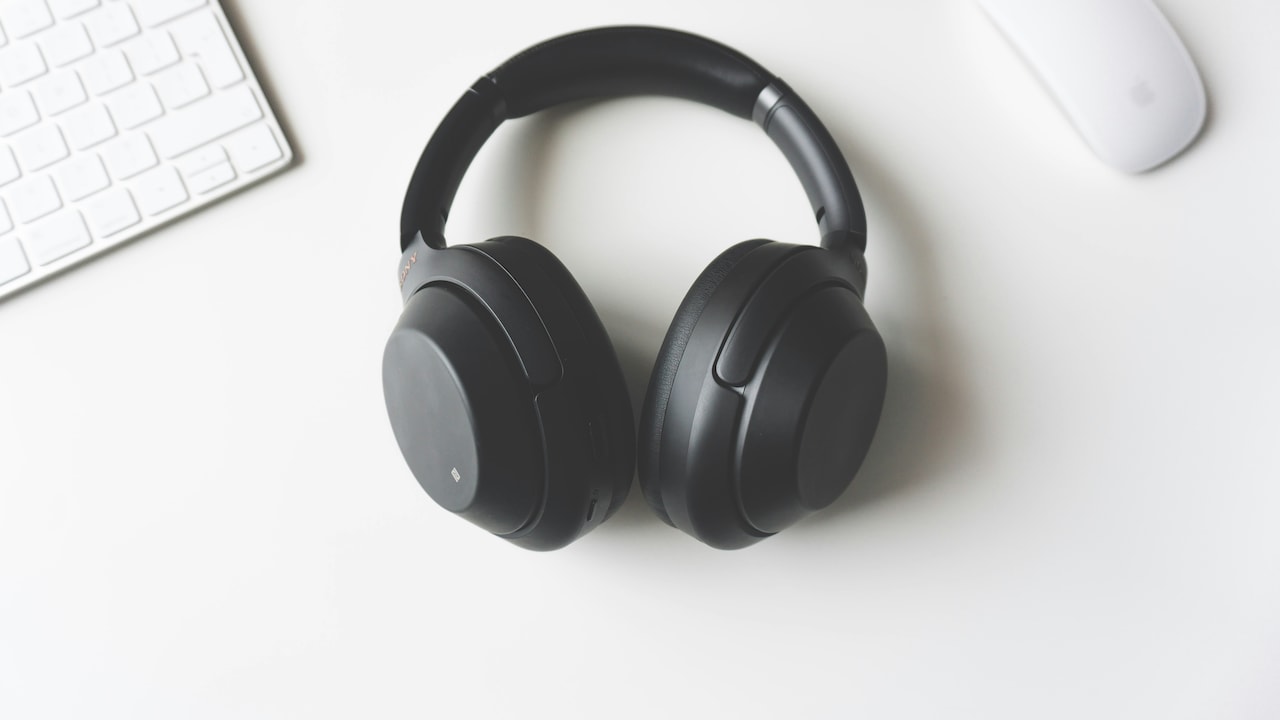
Why Headphones Hurt After 30 Mins And How To Fix Clamp Force Discomfort
Photo Credit: Pexels
Before Fixing The Pain, Understand What Is Pressing Where
1. Why Headphones Start Hurting After 30 Minutes
Discomfort rarely appears instantly. The first few minutes feel fine. Then pressure builds slowly, almost unnoticed, until the ears and temples start protesting. This delayed reaction happens because soft tissues around the ears compress over time. Blood flow reduces slightly, and nerves become sensitive.
Most headphones apply a constant inward force to stay secure. When this clamp force exceeds what the head can comfortably tolerate, pain follows. Heat buildup also plays a role. Warm ears swell slightly, increasing pressure against ear pads. This effect feels worse during the summer months or long video calls.
Weight distribution adds another layer. Even a well-padded headset can feel painful if most of its weight presses on a small area. Think of carrying groceries in a thin plastic bag versus a cloth one. Same load, very different experience.
Understanding this slow build-up helps explain why “trying headphones for five minutes” at a shop rarely reveals comfort issues. True comfort only reveals itself over time.
2. Understanding Clamp Force in Simple Terms
Clamp force refers to how tightly headphones squeeze the head from both sides. Picture holding a book between two palms. Press gently, and it stays in place. Press harder, and strain sets in quickly. Headphones behave the same way.
Manufacturers often increase clamp force to ensure stability and better noise isolation. This works well for travel but backfires during long listening sessions. Excessive force presses ear pads into the skin, compressing cartilage and muscles.
Everyone's head shape differs. A clamp force that feels perfect to one person may feel unbearable to another. Wider heads often experience more pressure, while narrower heads may find the same headphones loose.
Sadly, clamp force rarely appears clearly on product boxes. Buyers usually discover it the hard way, after spending ₹4,000 and developing sore ears within a week. Recognising clamp force as a comfort factor empowers smarter choices and fewer regrets.
3. Contact Pressure: The Silent Comfort Killer
While clamp force applies sideways pressure, contact pressure focuses on specific points where headphones touch the head. This includes the tops of the ears, jawline, temples, and even the crown of the head.
Uneven contact pressure causes “hot spots.” These small areas take more load than others, leading to pain much faster. Over-ear headphones often press too hard on the jaw hinge, while on-ear models target the ear cartilage directly.
Poorly designed ear pads worsen the issue. Thin foam flattens quickly, transferring pressure straight to the skin. Low-quality padding also struggles to adapt to different face shapes, causing awkward pressure angles.
Think of sitting on a hard wooden chair versus one with a cushion. Both support weight, but one feels forgiving. Headphones need that same forgiving surface to spread pressure evenly and keep discomfort away.
Also Read: Top 7 Boult Headphones You Should Buy For Bass, Calls And Long Battery
4. Headband Design: Where Comfort Begins
Many assume ear pads determine comfort. In reality, the headband does much of the heavy lifting. It supports the headphone's weight and controls how force is distributed across the head.
A narrow, rigid headband concentrates pressure at the top of the skull. After 30 minutes, this spot can feel tender or numb. Wider headbands with generous padding spread weight across a larger area, reducing strain.
Adjustability also matters. Poorly designed sliders create uneven tension, pulling more on one side than the other. This imbalance causes asymmetrical pressure, which feels surprisingly irritating over time.
Some premium models use suspended headbands, an inner strap that rests on the head while the outer frame provides structure. This design mimics a hammock and significantly improves long-session comfort. It proves that smart engineering, not just soft materials, defines true comfort.
5. Ear Pad Materials and Their Hidden Impact
Ear pads touch the skin directly, so material choice matters more than marketing suggests. Synthetic leather looks premium, but traps heat. After 30 minutes, ears sweat, skin warms, and discomfort escalates.
Velour and fabric pads breathe better, keeping ears cooler. They feel softer during extended use but may reduce noise isolation slightly. Memory foam pads adapt well to ear shape, distributing pressure evenly and maintaining a seal without excessive clamp force.
Thickness also plays a role. Thin pads bottom out quickly, pushing ears against hard driver housings. Thicker pads maintain a cushion barrier, protecting sensitive cartilage.
Replacing stock ear pads often transforms comfort dramatically. Spending ₹800–₹1,200 on better pads can rescue an otherwise painful headphone. This small upgrade frequently offers more comfort improvement than switching to an entirely new model.
6. Over-Ear vs On-Ear: Comfort Trade-Offs
Headphone style influences comfort more than many realise. Over-ear headphones surround the ear, distributing pressure around it. When designed well, they allow longer listening sessions with minimal discomfort.
On-ear headphones rest directly on the ear cartilage. They tend to feel lighter initially but cause pain faster during extended use. The ear cartilage lacks cushioning, making it sensitive to sustained pressure.
For short commutes or casual listening, on-ear models feel convenient. For work-from-home setups, gaming, or long study hours, over-ear designs generally fare better.
That said, poorly designed over-ear headphones can still hurt. Small ear cups that press against the ear defeat their purpose. Choosing the right size and shape matters just as much as choosing the right category.
7. Weight Distribution: Lighter Isn't Always Better
Lightweight headphones sound ideal, yet weight alone does not determine comfort. Poorly balanced lightweight models can feel worse than slightly heavier, well-distributed ones.
Heavier headphones often use metal components for durability. When combined with a wide headband and thick padding, the weight spreads evenly and feels stable. The head perceives balance more favourably than raw mass.
Conversely, ultra-light headphones with weak padding concentrate pressure in fewer spots. The result feels sharper and more fatiguing over time.
The goal lies in balance, not minimal weight. A ₹10,000 headphone weighing 320 grams may feel more comfortable than a ₹3,000 model weighing 220 grams if its design distributes pressure intelligently.
8. Adjustments That Actually Reduce Pain
Many users wear headphones incorrectly without realising it. Small adjustments make a big difference. Ear cups should sit centred over the ears, not angled forward or backwards. Headbands should rest slightly behind the crown, not directly on top.
Extending sliders evenly prevents uneven clamp force. Tilting ear cups gently can relieve jaw pressure. Taking short breaks every hour allows blood flow to normalise and reduces cumulative strain.
Stretching headphones carefully over a stack of books overnight can reduce excessive clamp force. This trick works best for sturdy frames and should be done gradually to avoid damage.
Comfort improves with mindful adjustments. Headphones should feel supportive, not restrictive. Treating them like adjustable equipment rather than fixed objects changes the listening experience dramatically.
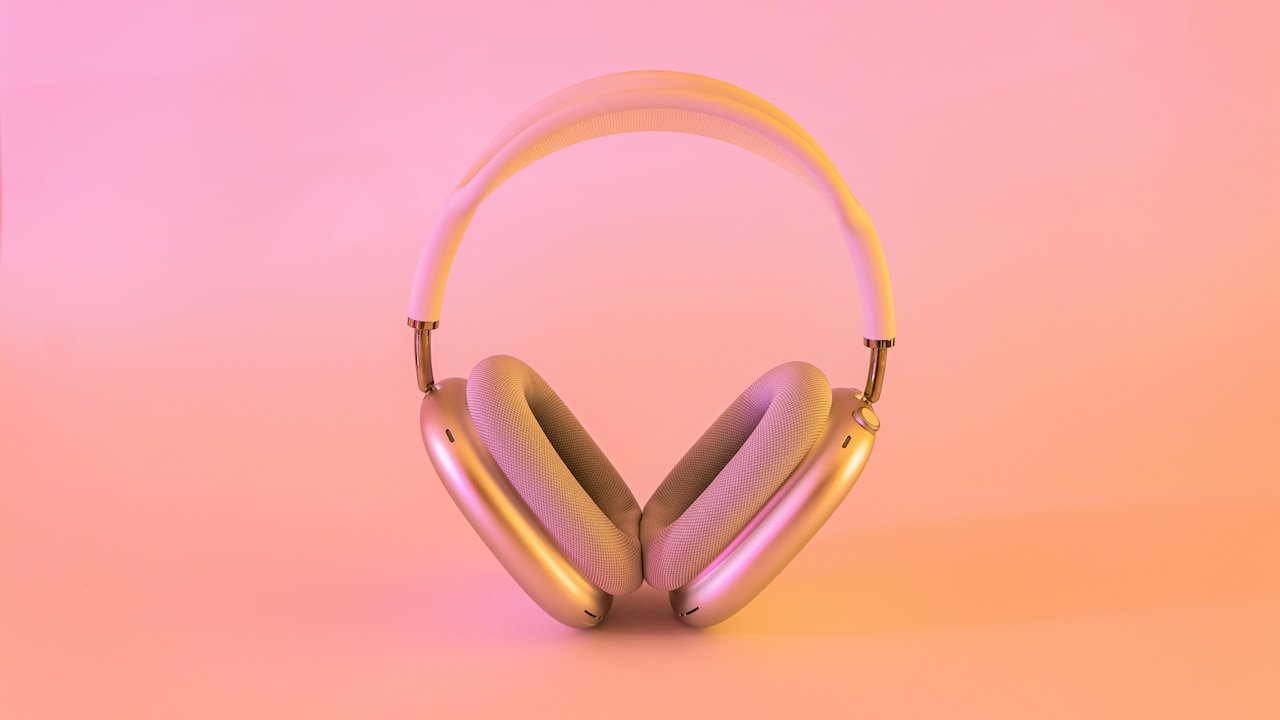
Why Headphones Hurt After 30 Mins And How To Fix Clamp Force Discomfort
Photo Credit: Pexels
9. Glasses, Earrings, And Real-Life Comfort Challenges
Comfort guides often ignore real-world variables. Glasses create pressure points where temple arms meet ear pads. This pressure intensifies quickly and leads to sharp discomfort.
Soft ear pads with slow-rebound foam adapt better around glasses frames. Some pads feature cut-out channels to reduce pressure along the temples. These designs improve comfort significantly for daily wearers.
Large earrings or ear piercings also affect comfort. On-ear models press directly against jewellery, making them unsuitable for long sessions. Over-ear headphones with spacious cups handle this better.
Real comfort means accommodating everyday accessories. Choosing headphones without considering these factors often leads to regret, regardless of sound quality or price.
10. Choosing Comfortable Headphones Without Regret
Comfort deserves equal priority alongside sound and features. Trying headphones for at least 20–30 minutes reveals far more than a quick test. Return policies become invaluable here.
Reading user reviews that mention long-term comfort helps identify patterns. Words like “tight,” “fatiguing,” or “headache” signal potential issues. Reviews mentioning all-day wear or marathon sessions often indicate good clamp force balance.
Budget does not guarantee comfort. Some ₹2,000 models outperform ₹15,000 ones in wearability. Design philosophy matters more than branding.
Ultimately, the best headphones feel forgettable. When music plays and the headset disappears from awareness, comfort succeeds. That experience should remain the goal, not an afterthought.
Products Related To This Article
1. boAt Rockerz 551ANC, 100HRS Battery, Hybrid ANC
2. Noise Airwave Max 5 Wireless Over-Ear Headphones with Adaptive Hybrid ANC
3. GOBOULT Mustang Thunder Bluetooth Headphones with Upto 70H Playtime, BoomX Technology
4. pTron Studio Classic w/ 75Hrs Playtime
5. Sony WH-CH520 Wireless Bluetooth Headphones On Ear with Mic
6. JBL Tune 510BT, On Ear Wireless Headphones with Mic
7. Marshall Major IV Wireless Bluetooth On Ear Headphone with Mic
Headphones hurting after 30 minutes is not a personal tolerance issue. It is a design problem rooted in clamp force, contact pressure, and poor weight distribution. Understanding these elements empowers smarter choices and more enjoyable listening.
Comfort should never feel like a luxury reserved for premium price tags. Small design details, thoughtful adjustments, and informed decisions transform daily headphone use from a chore into a pleasure.
Music, calls, and games deserve attention, not distraction from aching ears. With the right knowledge, comfort stops being a gamble and becomes a guarantee.
(Disclaimer: This article may include references to or features of products and services made available through affiliate marketing campaigns. NDTV Convergence Limited (“NDTV”) strives to maintain editorial independence while participating in such campaigns. NDTV does not assume responsibility for the performance or claims of any featured products or services.)