Low Picture Quality In Bright Rooms? How Do QLED TVs Improve Visibility
Struggling with washed-out screens in bright rooms? Discover how QLED TVs use higher brightness, anti-glare tech, and better colour control to deliver clear, vibrant viewing even in strong daylight.
What makes QLED TVs a great fit for bright rooms
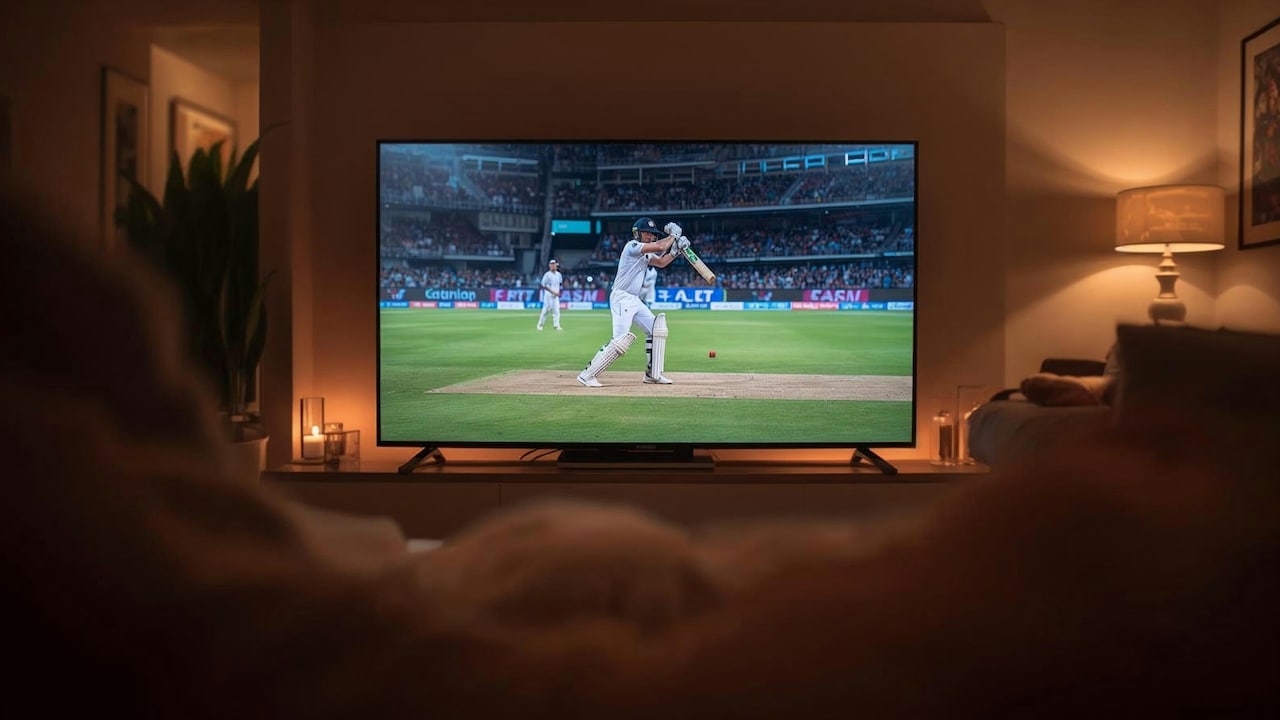
Anyone who has tried to watch a cricket match or a weekend film marathon in a brightly lit room knows the frustration. Curtains drawn, lights dimmed, and still the screen looks washed out. It often feels like the TV is losing a battle against sunlight. In homes where natural light pours in generously, think large windows, balconies, or open layouts, this becomes a daily struggle.

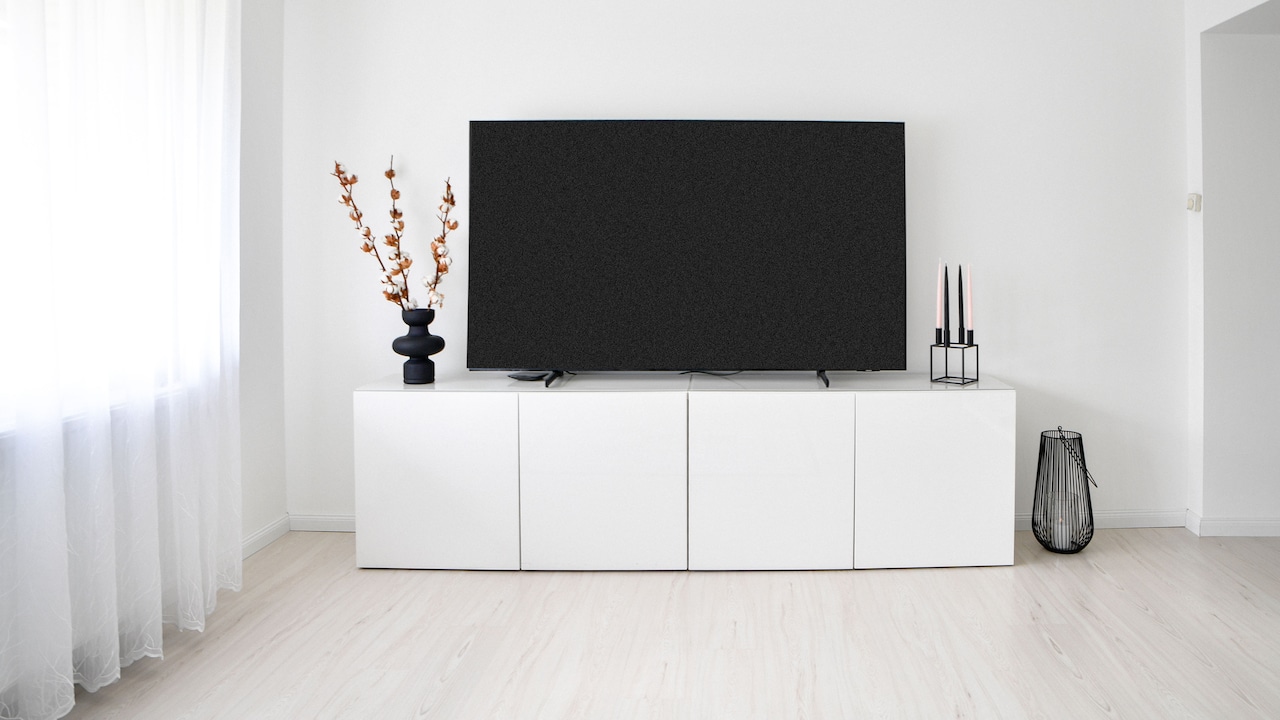
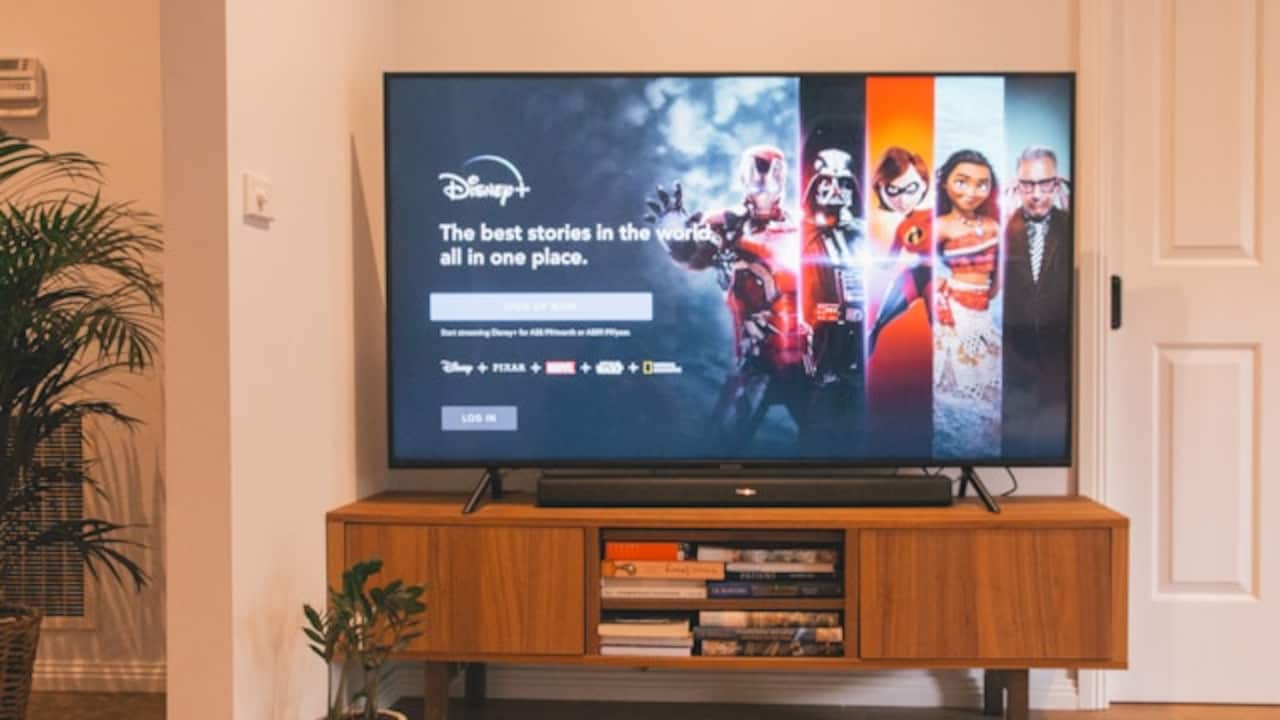
How do QLED TVs offer better visibility in bright rooms; Photo Credit: Unsplash
That is where QLED TVs step in with a promise of sharper, brighter, and more vibrant visuals. Unlike traditional LED displays, QLED technology is built to handle challenging lighting conditions. It does not just survive in bright rooms; it thrives.
The real question, though, is not whether QLED TVs are brighter, but how they manage to improve visibility without sacrificing colour, detail, or comfort. The answer lies in a blend of clever engineering and practical design choices that cater to modern living spaces.
Also Read: Top 5 Smart TVs That Stream Seamlessly Without Lagging While Switching Apps
How QLED TVs Improve Visibility In Bright Rooms
The Science Behind QLED Brightness
QLED stands for Quantum Dot Light Emitting Diode, and while the name sounds technical, the idea is surprisingly simple. Tiny particles called quantum dots sit between the backlight and the screen. These particles enhance brightness and colour accuracy in a way that standard LEDs struggle to achieve.
Imagine sunlight hitting a painted wall. Some colours fade quickly, while others stay vivid. QLED TVs behave like the latter. The quantum dots amplify light rather than letting it scatter. This results in a screen that appears naturally brighter, even when the room is flooded with daylight.
In practical terms, this means no more squinting during a daytime match or adjusting seating angles just to catch the action. The brightness levels on QLED TVs often exceed what most living rooms demand, making them ideal for spaces where sunlight refuses to stay outside.
Anti-Reflection Technology That Actually Works
Glare is the silent enemy of television viewing. It sneaks in through windows, reflects off glossy screens, and turns intense scenes into indistinct blurs. QLED TVs address this with advanced anti-reflection coatings that reduce unwanted reflections.
Instead of acting like a mirror, the screen diffuses incoming light. Think of it like frosted glass versus clear glass. The glare softens, allowing the content to remain visible. This is especially helpful in homes where placing the TV away from windows is not an option.
Picture a Sunday afternoon with sunlight streaming in and a thriller playing on screen. Without anti-reflection technology, darker scenes lose detail. With QLED, those scenes retain depth, allowing shadows and highlights to stay intact. The difference feels subtle at first but becomes impossible to ignore once experienced.
High Peak Brightness For Daylight Viewing
One of the standout features of QLED TVs is their ability to achieve extremely high peak brightness. While most TVs struggle beyond a certain level, QLED models push the boundaries, making them ideal for well-lit environments.
Peak brightness determines how well a TV can display highlights, such as sunlight in a movie scene or stadium lights during a match. In a bright room, this becomes crucial. Without enough brightness, everything looks dull and lifeless.
QLED TVs counter this by delivering intense highlights without washing out surrounding details. Watching a festival scene or a vibrant song sequence feels more immersive because the brightness does not overpower the colours. It complements them.
For households where daytime viewing is common, this feature alone can transform the experience from frustrating to genuinely enjoyable.
Colour Volume That Holds Up In Bright Spaces
Brightness alone is not enough. Many TVs become brighter at the cost of colour accuracy. Reds turn orange, greens lose richness, and everything begins to look artificial. QLED TVs tackle this issue with something called colour volume.
Colour volume ensures that colours remain consistent across different brightness levels. Whether the room is dim or filled with sunlight, the colours stay true. This is particularly noticeable when watching content with vivid palettes, think animated films, travel shows, or festive scenes.
Consider a scene filled with bright decorations and colourful attire. On a weaker display, the colours may blend or fade. On a QLED screen, each shade stands out distinctly, even under strong ambient light.
This balance between brightness and colour accuracy gives QLED TVs an edge, making them suitable for everyday viewing without compromising visual richness.
Local Dimming Enhances Contrast In Bright Rooms
Contrast plays a key role in how clear a picture looks. It is the difference between the darkest blacks and the brightest whites. In bright rooms, poor contrast can make images appear flat.
QLED TVs use local dimming to address this. The screen divides into zones, each capable of adjusting brightness independently. This allows darker areas to stay dark while brighter areas shine.
Imagine watching a night scene with streetlights. Without local dimming, the entire screen may appear greyish. With it, the night sky remains deep while the lights glow vividly.
This feature becomes even more important in bright environments, where ambient light can wash out details. By maintaining strong contrast, QLED TVs ensure that images remain sharp and well-defined, regardless of the room's lighting.
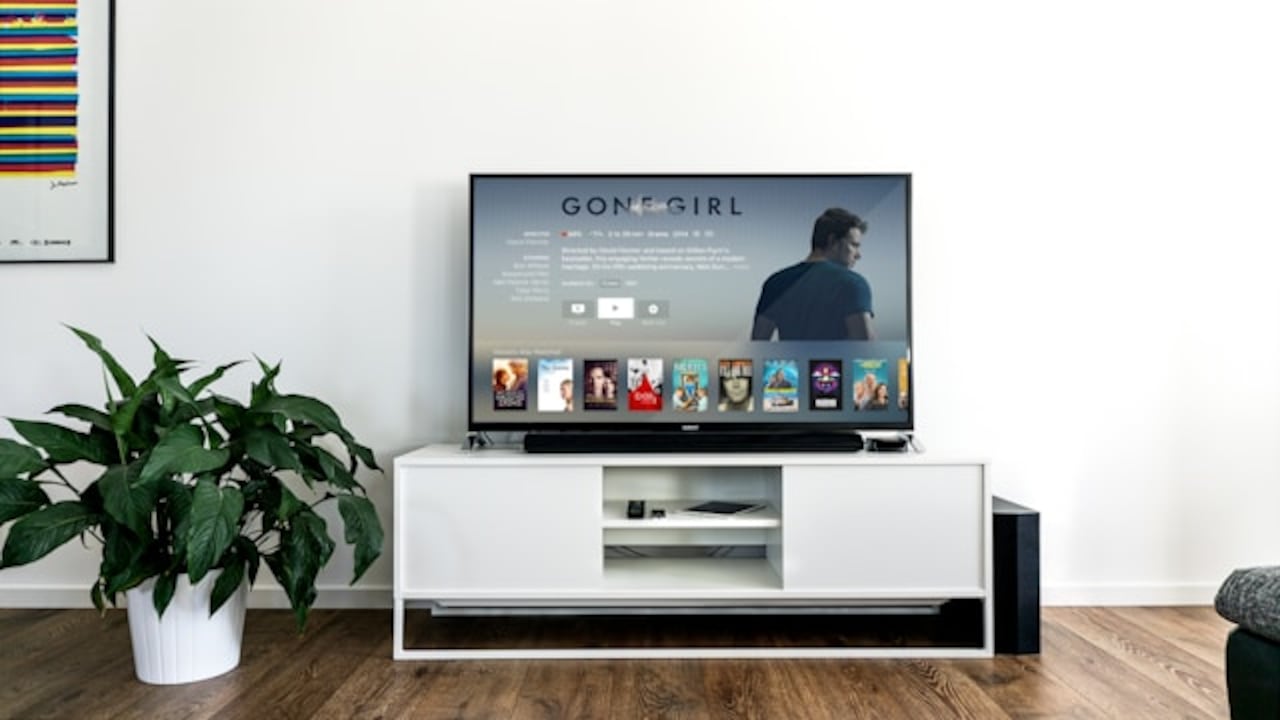
QLED TVs offer strong contrast to offer sharp and well-defined images; Photo Credit: Unsplash
Wide Viewing Angles For Shared Spaces
Living rooms are rarely designed for perfect viewing angles. People sit on sofas, chairs, or even the floor, often at different positions relative to the TV. Traditional displays tend to lose brightness and colour when viewed from the side.
QLED TVs improve this with wider viewing angles. The picture remains consistent even when viewed off-centre. This makes a noticeable difference during gatherings or family viewing sessions.
Picture a group watching a match together. No one wants to be stuck in the “bad seat” where colours look faded. With QLED, everyone gets a similar experience, regardless of where they sit.
This feature adds a layer of practicality, especially in homes where the TV serves as a shared entertainment hub rather than a single-user device.
Smart Brightness Adjustments That Adapt Automatically
Modern QLED TVs come equipped with sensors that adjust brightness based on the room's lighting conditions. This means the TV can adapt in real time, ensuring optimal visibility throughout the day.
In the morning, when the sunlight is strong, the TV boosts brightness. In the evening, it tones things down to avoid eye strain. This automatic adjustment removes the need for constant manual tweaking.
The convenience feels subtle but becomes invaluable over time. There is no need to dive into settings every time the lighting changes. The TV simply adapts, much like a smartphone adjusting its screen brightness.
This feature not only enhances comfort but also ensures consistent picture quality, making QLED TVs suitable for varied lighting conditions throughout the day.
Durability And Longevity Of Bright Displays
High brightness often raises concerns about durability. Will the screen degrade faster? Will colours fade over time? QLED TVs address these concerns with robust design and materials.
Quantum dots are known for their stability. They do not degrade as quickly as some other display technologies. This means the brightness and colour performance remain consistent over the years.
For households investing significant amounts, often upwards of ₹70,000 or more for premium models, longevity matters. A TV is not a short-term purchase. It is expected to deliver reliable performance for years.
QLED TVs offer that assurance, combining high brightness with durability. This makes them a practical choice for those seeking both performance and value over time.
Energy Efficiency Despite High Brightness
It might seem logical that brighter TVs consume more power, but QLED technology manages energy efficiently. Despite delivering high brightness levels, these TVs optimise power usage through advanced backlighting systems.
This balance is important in homes where the TV runs for several hours a day. Energy efficiency helps keep electricity bills in check without compromising on performance.
The technology ensures that brightness is used where needed rather than across the entire screen unnecessarily. This targeted approach reduces wastage and improves overall efficiency.
For viewers who enjoy long viewing sessions, whether it is binge-watching or following live sports, this efficiency adds a practical advantage to the already impressive visual performance.
Real-World Experience In Everyday Living Spaces
All the technical features sound impressive, but what truly matters is how QLED TVs perform in real-life settings. In a typical home with open windows, reflective surfaces, and varying light conditions, QLED TVs consistently deliver clear and vibrant visuals.
Watching a daytime match no longer requires closing curtains. Afternoon movie sessions feel immersive rather than compromised. Even casual viewing, such as news or music channels, becomes more enjoyable.
The difference is not just visual; it is experiential. The TV becomes easier to use, more comfortable to watch, and better suited to modern living spaces.
This real-world reliability is what sets QLED TVs apart. They do not demand ideal conditions. They adapt to everyday environments, making them a practical choice for households that value convenience as much as performance.
Products Related To This Article
1. Toshiba 139 cm (55 Inches) 4K Ultra HD Smart QLED TV
2. Hisense 108 cm (43 Inches) 4K Ultra HD Smart QLED TV
3. Samsung 138 cm (55 inches) Vision AI 4K Ultra HD Smart QLED TV
4. VW (Visio World.) 101 cm (40 inches) OptimaX Series Full HD Smart QLED Android TV
5. TCL 101 cms (40 inches) V5C Series Full HD Smart QLED TV Google TV
Bright rooms should not limit entertainment. Yet, for years, television viewing has been tied to dim lighting and carefully arranged spaces. QLED TVs challenge this notion by offering a solution that works with natural light rather than against it.
Through a combination of high brightness, anti-reflection technology, colour accuracy, and smart features, QLED TVs redefine what is possible in well-lit environments. They bring clarity, vibrancy, and comfort to everyday viewing, making them a compelling choice for modern homes.
For anyone tired of washed-out screens and constant adjustments, QLED TVs offer a refreshing change. They turn bright rooms into ideal viewing spaces, proving that great picture quality does not have to come at the cost of natural light.
(Disclaimer: This article may include references to or features of products and services made available through affiliate marketing campaigns. NDTV Convergence Limited (“NDTV”) strives to maintain editorial independence while participating in such campaigns. NDTV does not assume responsibility for the performance or claims of any featured products or services.)