How To Choose A Wireless Bluetooth Speaker That Sounds Clean and Sharp
Choosing a wireless Bluetooth speaker isn’t about volume alone. This guide explains how to find a speaker with clean, sharp sound by focusing on clarity, balance, build quality, battery life and real-world performance.
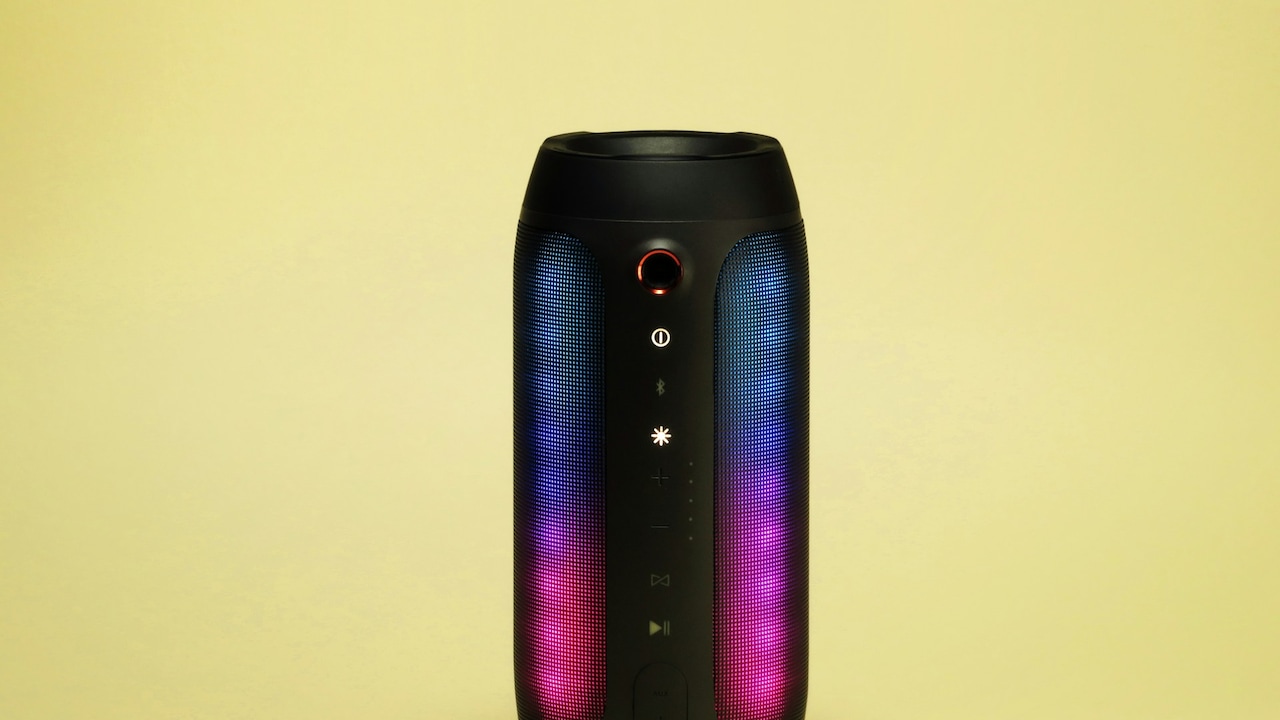
How to Choose a Wireless Bluetooth Speaker with Clear, Sharp Sound.
Music has a way of shaping moments. A mellow playlist during a late evening power cut, a punchy track during morning workouts, or a devotional song echoing softly during festive mornings, sound quality matters more than many realise. Wireless Bluetooth speakers promise freedom from cables and flexibility across spaces, yet choosing the right one often feels overwhelming. Flashy designs, exaggerated bass claims, and price tags ranging from ₹1,000 to ₹50,000 only add to the confusion. Here are our top 10 tips to choose a wireless Bluetooth speaker.
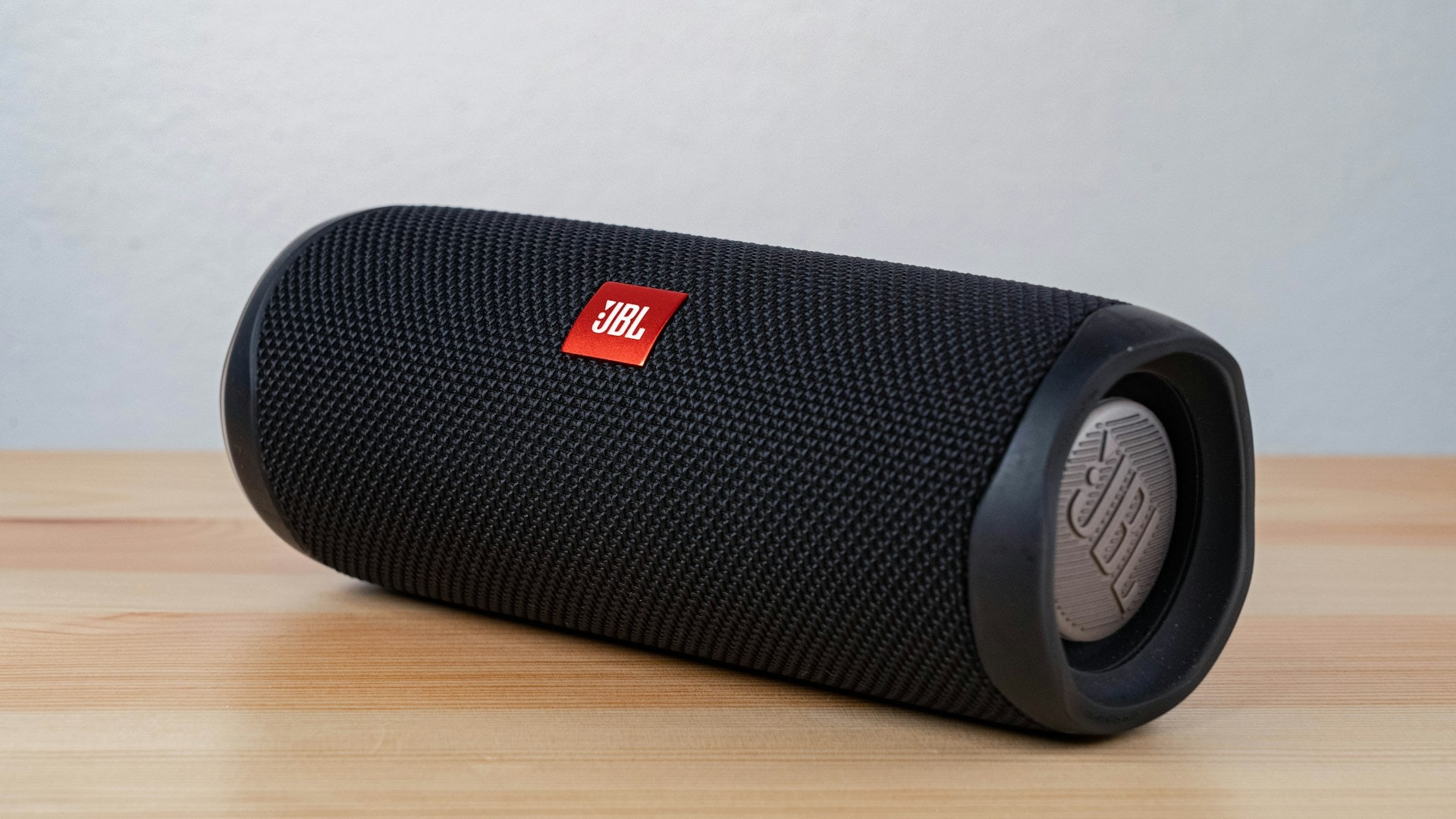
Here are the key things to consider when buying a Bluetooth speaker online; Photo Credit: Unsplash
Clean and sharp sound depends on more than just volume. It comes from balanced tuning, smart design, and thoughtful features that suit real-life use. This article walks through everything worth knowing before investing in a wireless Bluetooth speaker, with relatable examples and practical insights that cut through marketing noise.
Also Read: 7 Bluetooth Speakers Under ₹2000 With Big Sound, From JBL, Portronics to Zebronics
What Really Matters When Choosing A Bluetooth Speaker
1. Understand What “Clean and Sharp” Sound Really Means
Many buyers assume louder sound equals better sound. In reality, clean audio focuses on clarity, while sharp sound highlights detail. Clean sound allows vocals to feel natural rather than muffled. Sharp sound lets instruments breathe without piercing the ears. Together, they create a listening experience that feels effortless.
Imagine listening to a soft ghazal or an acoustic Bollywood track. A good speaker separates vocals from background instruments. Poor speakers blur everything into a noisy mix. Sharp sound ensures high notes sparkle without sounding harsh, while clean sound prevents distortion at medium volumes.
Specs like “extra bass” often distract from balance. Bass should feel tight, not overpowering. A well-tuned speaker handles podcasts, classical music, and party playlists equally well. Checking reviews that mention clarity at low and mid volumes offers better guidance than chasing exaggerated watt numbers.
2. Speaker Size and Driver Quality Matter More Than Looks
Compact speakers look stylish and fit easily into bags, yet sound quality depends heavily on driver size and build. Larger drivers move more air, producing fuller sound. Smaller drivers struggle to deliver clarity, especially in open spaces like terraces or parks.
That said, bigger doesn't always mean better. A thoughtfully engineered medium-sized speaker often outperforms a bulky but poorly tuned one. Pay attention to the number of drivers. Dual-driver setups usually deliver better stereo separation and clearer vocals.
A speaker meant for bedroom use differs from one used during outdoor gatherings. A ₹4,000 speaker might sound excellent indoors but fall flat during a picnic. Understanding where the speaker will spend most of their time helps avoid disappointment. Design matters, but sound engineering matters far more.
3. Pay Attention to Audio Codecs and Bluetooth Version
Bluetooth technology has evolved rapidly. Older versions compress sound more aggressively, reducing clarity. Modern Bluetooth versions handle data efficiently and maintain stable connections. Bluetooth 5.0 or above offers better range and cleaner transmission.
Audio codecs play a quiet but vital role. Standard SBC works fine for casual listening, but codecs like AAC or aptX preserve more detail. Music streamed from phones benefits noticeably from better codecs, especially with high-quality streaming apps.
Connection stability also impacts perceived sound quality. Frequent dropouts or delays break immersion. A reliable Bluetooth connection ensures music flows smoothly without glitches. While codecs sound technical, many brands mention them clearly on packaging or product pages. Choosing a speaker with updated Bluetooth technology often results in cleaner, sharper audio without extra effort.
4. Battery Life Should Match Real Usage Patterns
Battery life often gets advertised as “up to 20 hours,” yet real usage paints a different picture. Volume level, bass enhancement, and connectivity features all drain power faster. Clean sound at moderate volumes usually consumes less power than bass-heavy modes blasted at full volume.
Think about typical usage. A speaker used during long train journeys or day-long outings needs reliable battery life. Frequent charging feels inconvenient, especially during travel. A solid 8–12 hours of real-world playback often proves more practical than inflated claims.
Fast charging adds convenience. Even 10 minutes of charge provides an hour of playback makes a difference. Battery health also matters over time. Well-built speakers maintain performance after months of use, while cheaper batteries degrade quickly. Reliable battery performance supports consistent sound quality without sudden drops in volume or clarity.
5. Build Quality and Materials Affect Sound Output
Sound doesn't exist in isolation. The materials enclosing the speaker shape how audio travels. Plastic bodies may feel light and affordable, but sometimes introduce vibrations that muddy sound. Metal or fabric-wrapped designs often dampen unwanted resonance, resulting in cleaner audio.
Build quality also affects durability. Speakers frequently travel between rooms, cars, and outdoor spaces. Accidental drops or splashes happen. A sturdy build protects internal components, preserving sound quality long-term.
Weather resistance adds peace of mind. Even basic splash resistance proves helpful during the monsoon season or near kitchen counters. A speaker that survives daily life continues delivering consistent sound. Good build quality doesn't always mean heavy or expensive; it reflects thoughtful design and reliable materials that support sharp, undistorted audio.
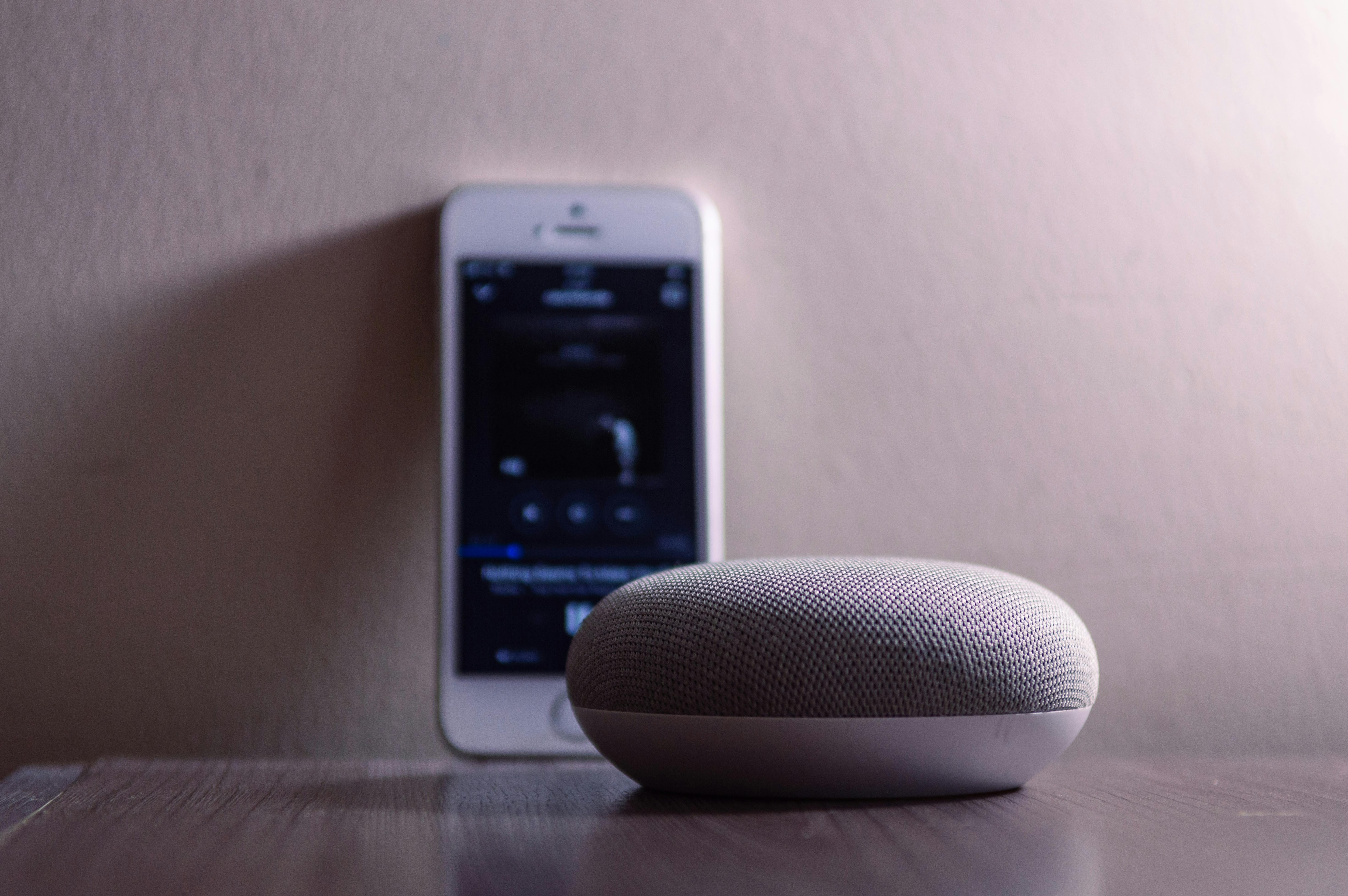
Always consider the build quality when choosing a portable speaker; Photo Credit: Pexels
6. Sound Profiles and EQ Customisation Make a Big Difference
Every listener has unique preferences. Some enjoy punchy bass, others prefer crisp vocals. Speakers offering sound profiles or equaliser (EQ) options adapt to different moods and genres. A neutral profile suits podcasts and classical music, while a boosted profile works for parties.
App-based EQ controls allow fine adjustments. Reducing bass slightly often improves vocal clarity. Increasing mids enhances speech and acoustic tracks. Speakers without customisation lock listeners into one sound signature, which may not suit all content.
Customisation also compensates for room acoustics. A small bedroom sounds different from an open living room. Adjusting EQ helps maintain clean sound across spaces. This flexibility transforms a good speaker into a versatile one that handles diverse playlists with ease.
7. Loudness Without Distortion Is a Key Indicator of Quality
A quality speaker handles volume gracefully. As volume increases, sound should remain clear rather than distorted. Distortion ruins sharpness and causes listening fatigue. Testing speakers at around 70–80% volume reveals true performance.
Loudness needs context. A speaker used indoors doesn't need extreme volume. Outdoor settings require more power to overcome ambient noise. Speakers that maintain clarity outdoors usually perform exceptionally indoors.
Marketing often highlights maximum wattage, yet real-world loudness depends on efficiency and tuning. A well-designed 20-watt speaker can outperform a poorly designed 40-watt model. Listening tests, both online reviews and in-store demos, reveal how a speaker behaves at higher volumes.
8. Portability and Placement Influence Listening Experience
Portability extends beyond weight. Shape, grip, and carrying options affect daily use. A speaker that fits easily into a backpack encourages regular use. A bulky speaker often stays unused despite good sound.
Placement matters more than expected. Speakers placed on soft surfaces absorb sound, reducing clarity. Hard surfaces reflect sound better. Some speakers include feet or stands to improve placement. Cylindrical designs often distribute sound evenly, while front-facing designs focus audio directionally.
A portable speaker should adapt to various environments, such as bedside tables, balconies, office desks, or picnic mats. Versatile placement options help maintain clean and sharp sound regardless of location.
9. Smart Features Should Support, Not Distract
Modern speakers include features like voice assistants, multi-device pairing, and stereo linking. While convenient, these features should not compromise sound quality. Poorly implemented smart features drain battery or introduce connection issues.
Multi-device pairing allows seamless switching between phones, ideal for shared spaces. Stereo pairing doubles clarity and soundstage when two speakers sync properly. Voice assistants add hands-free control but require clear microphones that don't interfere with audio output.
Focus on features that enhance listening rather than inflate the price. A simple, reliable speaker often outperforms a feature-heavy one with mediocre sound. Smart additions should feel intuitive, not overwhelming.
10. Price, Brand Reputation, and Long-Term Value
Price alone doesn't guarantee quality. Several mid-range speakers between ₹3,000 and ₹8,000 deliver excellent sound. Established brands invest in sound tuning and quality control, offering consistent performance.
Warranty and service availability matter. Electronics need support. A speaker backed by reliable service retains value over time. Reading long-term user reviews reveals durability and sound consistency.
Think beyond initial purchase. A slightly higher investment often saves money in the long run by avoiding replacements. Clean and sharp sound remains enjoyable only when the speaker continues performing for months and years later.
Products Related To This Article
1. JBL Go 3, Wireless Ultra Portable Bluetooth Speaker
2. Dubstep Pop 1200 with Upto 16 Hrs Playtime
3. Zebronics ZEB-COUNTY 3W Wireless Bluetooth Portable Speaker With Supporting Carry Handle
4. pTron Newly Launched Fusion Hook v2 6W Bluetooth Speaker with 8 Hrs Playtime
5. Portronics SoundDrum 1 12W TWS Portable Bluetooth Speaker with Powerful Bass
6. Mivi Play Bluetooth Speaker with 12 Hours Playtime
7. Tribit XSound Plus 2 30W 5.3 Bluetooth Wireless Speakers
Choosing a wireless Bluetooth speaker that sounds clean and sharp requires thoughtful consideration rather than impulse buying. Understanding drivers, Bluetooth technology, build quality, and real-world usage patterns empowers better decisions. A good speaker blends seamlessly into daily life, enhancing moments without demanding attention. With careful listening and informed choices, finding a speaker that truly sounds good becomes less of a gamble and more of a satisfying investment.
(Disclaimer: This article may include references to or features of products and services made available through affiliate marketing campaigns. NDTV Convergence Limited (“NDTV”) strives to maintain editorial independence while participating in such campaigns. NDTV does not assume responsibility for the performance or claims of any featured products or services.)