Phone Storage Always Full? Cloud VS External Drives: What Works Better For Daily Needs
Phone storage fills up faster than expected. Should you rely on cloud storage or external drives? This guide breaks down both options to help you choose what works best for everyday use.
Phone Storage Always Full? Cloud vs External Drives: What Works Best
Smartphones have quietly become digital diaries. Photos of family functions, screenshots of bills, work documents, memes that feel too good to delete, everything piles up. Over time, even a 128 GB phone begins to feel cramped. Suddenly, simple actions like downloading an app or clicking a photo turn into a negotiation with storage space.
That's when the big question appears: should everything move to the cloud, or is it better to rely on an external drive? Both options promise relief, yet both come with quirks. Cloud storage offers convenience, while external drives offer control. But daily life rarely runs on promises alone. Internet speed fluctuates, devices get misplaced, and subscriptions quietly renew.
This discussion goes beyond technical comparisons. It looks at habits, routines, costs in ₹, and the everyday experience of using these solutions. Because the best storage choice isn't just about capacity, it's about what fits seamlessly into daily life.
Phone Storage Always Full? Cloud vs External Drives: What Works Best
Photo Credit: Pexels
Main Body: Cloud Storage Vs External Drives In Everyday Life
The Everyday Storage Struggle Feels More Real Than Ever
Phone storage issues rarely arrive gradually. One day everything works fine, and the next day even WhatsApp refuses to download media. It often starts with photos, especially during festivals, weddings, or holidays. A single evening can add hundreds of images, many nearly identical but impossible to delete immediately.
Apps also quietly expand over time. Social media platforms store caches, music apps download playlists, and streaming services save offline content. Before long, a large portion of storage disappears without clear visibility. Then comes the constant clean-up routine: deleting old screenshots, removing duplicate images, and uninstalling apps that seemed essential just weeks ago.
This cycle creates frustration. It interrupts daily usage and demands time that could be spent elsewhere. Storage, ideally, should feel invisible, something that simply works. Instead, it becomes a recurring problem that needs solving again and again. That's why solutions like cloud storage and external drives have become more than just options; they feel like necessities in modern digital life.
Understanding Cloud Storage In Daily Life
Cloud storage has a simple promise: keep everything safe online and access it anytime. Services like Google Drive or iCloud sync files automatically, making them available across devices. Photos upload in the background, documents stay organised, and there's no need to carry extra hardware.
In daily life, this convenience feels almost magical. A photo clicked on the phone appears instantly on a laptop. Important documents stay accessible even if the phone is misplaced. For students and professionals, this seamless access often saves time and stress.
However, the experience depends heavily on the internet quality. Slow connections can delay uploads or make downloads frustrating. Large files may take time, especially on mobile data. There's also the subtle dependence on subscriptions. Free storage fills up quickly, and expanding space usually costs anywhere from ₹130 to ₹650 per month, depending on usage.
Cloud storage works best when connectivity is reliable and consistent. It blends into everyday routines quietly, but it also ties digital life to the internet more tightly than many realise.
The Appeal Of External Drives In A Tangible World
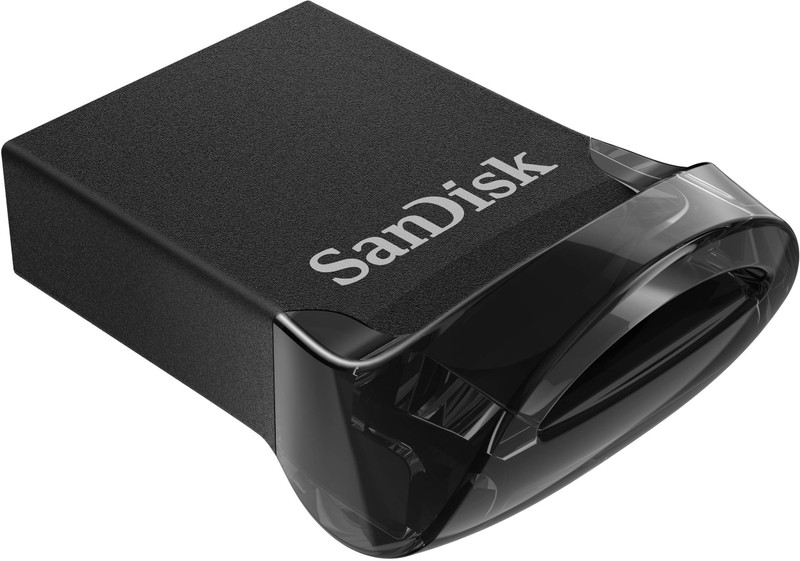
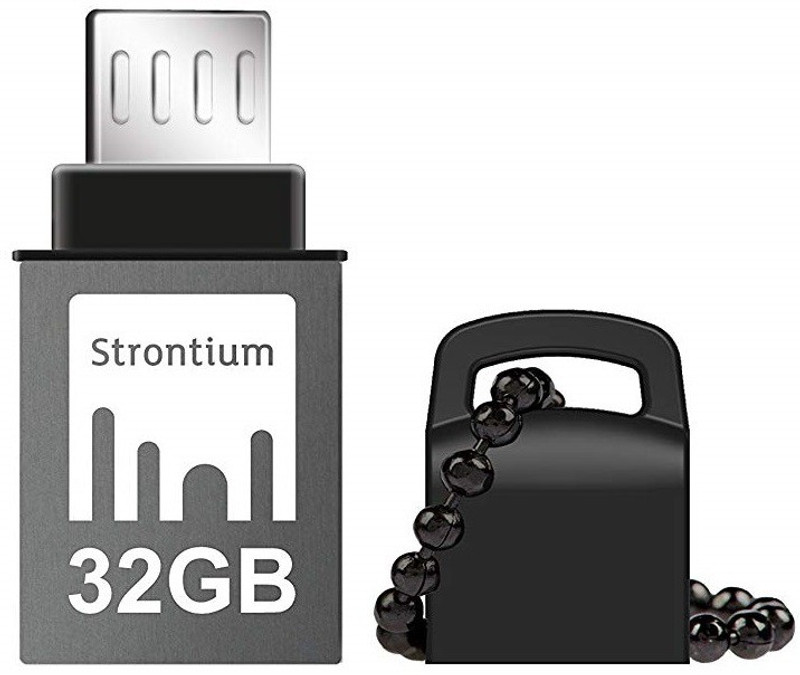
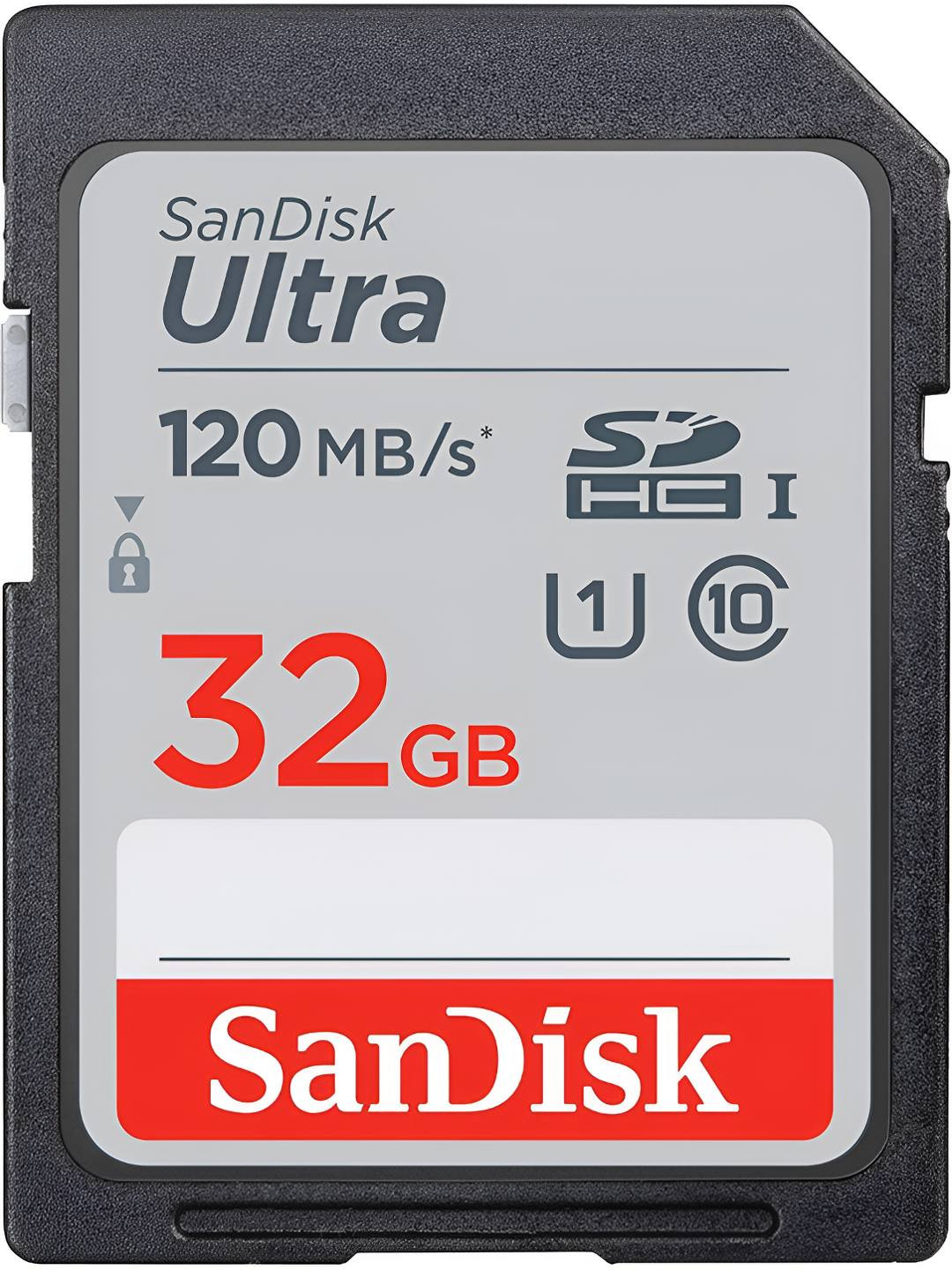
External drives bring back a sense of physical control. Whether it's a USB drive or a portable SSD, files stay in hand rather than floating somewhere online. For many, this feels reassuring. There's something satisfying about plugging in a device and knowing everything is stored right there.
Daily use of external drives can feel straightforward. Photos and videos transfer quickly without worrying about internet speed. Large files, like high-resolution videos, move in minutes instead of hours. Once transferred, they no longer occupy phone storage.
The cost factor also stands out. A good external drive might cost between ₹1,500 and ₹6,000, depending on capacity, but it's usually a one-time purchase. There are no recurring fees or subscriptions quietly renewing each month.
However, external drives demand discipline. Files don't back up automatically. It requires manual transfers and regular organisation. There's also the risk of misplacing the drive or forgetting it during travel. Still, for those who prefer control and independence from the internet, external drives offer a reliable, grounded solution.

Phone Storage Always Full? Cloud vs External Drives: What Works Best
Photo Credit: Pexels
Speed And Accessibility: Which One Wins Daily?
Speed plays a crucial role in everyday usability. Cloud storage depends on internet speed, which can vary widely. A strong Wi-Fi connection makes uploads and downloads smooth, but weak signals can turn simple tasks into waiting games.
External drives, on the other hand, offer consistent speed. Plug in, transfer, and the job is done. There's no buffering, no waiting for uploads to complete overnight. For large files, this difference becomes even more noticeable.
Accessibility, however, tells a different story. Cloud storage shines here. Files remain available anywhere, on a phone, laptop, or tablet. Even in unexpected situations, such as needing a document during travel, access remains possible.
External drives limit accessibility to moments when the device is physically present. Forgetting it at home means losing access entirely. This trade-off between speed and accessibility often shapes daily preferences.
In practical terms, those who value quick transfers lean towards external drives, while those who prioritise convenience and flexibility tend to favour the cloud.
Data Safety And Security Concerns Matter More Than Expected
Data safety often feels like an afterthought until something goes wrong. Losing photos or important documents can be deeply upsetting. Cloud storage provides automatic backups, reducing the risk of accidental loss. Even if a phone is damaged or stolen, files remain सुरक्षित online.
Security concerns do exist, though. Storing data online raises questions about privacy. While most services offer encryption, the idea of personal data residing on remote servers can feel unsettling.
External drives offer a different kind of security. Files stay offline, away from hacking risks. However, they introduce physical risks. Drives can be lost, damaged, or corrupted. Without backup copies, data loss becomes permanent.
Daily life rarely allows constant vigilance. That's why a balanced approach often works best. Cloud storage protects against physical loss, while external drives provide offline security. Understanding these risks helps in choosing a solution that aligns with comfort and priorities.
Also Read: Why Smartphones Overheat While Charging And 10 Simple Ways To Keep Your Phone Cool And Safe
Cost Comparison: Subscription Vs One-Time Investment
Cost plays a decisive role in long-term decisions. Cloud storage often starts free but quickly demands upgrades. Monthly plans may seem small, ₹130 here, ₹210 there, but over a year, the total adds up significantly.
For someone using cloud storage consistently, annual costs can easily cross ₹2,000 or more. While the convenience justifies the expense for many, it remains a recurring commitment.
External drives, in contrast, require a one-time investment. A decent drive priced at ₹3,000 might last several years. There are no ongoing payments, making it appealing for budget-conscious users.
However, cost isn't just about money. Time and effort also count. Cloud storage saves time through automation, while external drives require manual management.
Choosing between the two often depends on how one values convenience versus long-term savings. Some prefer predictable subscriptions, while others lean towards one-time investments that feel more tangible.
Internet Dependency Can Shape Daily Experience
Cloud storage thrives on connectivity. Without internet access, its usefulness drops significantly. While some files may remain cached, full access often requires being online.
This dependency becomes noticeable during travel or in areas with weak signals. Uploading photos or accessing documents can become frustrating. Even at home, inconsistent connections can interrupt workflows.
External drives remove this dependency entirely. Files remain accessible anytime, regardless of network conditions. This independence can feel liberating, especially during long journeys or in remote locations.
However, modern life increasingly revolves around connectivity. Many daily tasks already rely on the internet. For those comfortable with this dependence, cloud storage fits naturally into routines.
The choice here often reflects lifestyle. Frequent travellers or those facing inconsistent connectivity may prefer external drives, while those with stable internet may not feel the limitations of cloud storage as strongly.
Managing Photos And Videos: A Real-Life Test Case
Photos and videos dominate phone storage more than anything else. A single high-resolution video can consume several gigabytes. Multiply that by daily usage, and storage fills up rapidly.
Cloud storage handles this effortlessly. Automatic backups ensure every photo is saved without manual effort. It also helps in organising memories, making them easy to search and share.
External drives, however, require deliberate action. Files need to be transferred regularly. This process can feel tedious, but it also offers control. Only selected files get stored, avoiding clutter.
In real-life scenarios, the difference becomes clear during events. After a wedding or celebration, hundreds of photos accumulate. Cloud storage handles this surge smoothly, while external drives require time and effort to manage.
Both methods work, but they demand different habits. Cloud storage suits those who prefer automation, while external drives suit those who don't mind occasional manual organisation.
Portability And Convenience In Daily Movement
Modern life involves constant movement, commuting, travelling, and shifting between work and home. Storage solutions must keep up with this pace.
Cloud storage excels in portability. There's nothing to carry. Files remain accessible across devices without any extra effort. This simplicity makes it ideal for busy routines.
External drives add a physical element. While many are compact, they still require carrying, connecting, and managing. Forgetting them can disrupt access to important files.
However, some find comfort in this physical presence. It creates a clear boundary between devices and storage. There's no reliance on accounts or passwords, just a simple plug-and-play experience.
Convenience, in this case, becomes subjective. For some, fewer items to carry equals freedom. For others, having a dedicated storage device provides peace of mind.
Combining Both Solutions Might Be The Smartest Move
Choosing between cloud storage and external drives doesn't always require a strict decision. In many cases, combining both creates the most practical solution.
Cloud storage can handle daily backups, ensuring important files remain सुरक्षित and accessible. External drives can store large files, archives, or content that doesn't need constant access.
This combination balances convenience and control. It reduces dependency on a single method while covering potential risks. For example, photos can stay backed up online, while videos and old data move to an external drive.
Daily life rarely fits into perfect categories. Flexibility often works better than rigid choices. Using both solutions allows adaptation to different needs without compromise.
Phone Storage Always Full? Cloud vs External Drives: What Works Best
Photo Credit: Pexels
Products Related To This Article
1. realme C71 4G Smartphone 6GB+128GB Obsidian Black
2. REDMI Note 15 Pro+ 5G (Mirage Blue, 8GB + 256GB)
3. iQOO Z11x 5G (Prismatic Green, 6GB RAM, 128 GB Storage)
4. Samsung Galaxy M17 5G Mobile (Moonlight Silver, 4GB RAM
5. POCO M7 5G, Satin Black (6GB, 128GB)
Running out of phone storage may feel like a small inconvenience, but it reflects a larger shift in how digital life operates. Every photo, document, and app contributes to a growing collection of data that demands thoughtful management.
Cloud storage offers ease, accessibility, and automation. External drives provide control, speed, and independence. Neither option is perfect on its own, yet both solve different parts of the problem.
The best choice depends on habits, priorities, and daily routines. Some prefer the quiet convenience of the cloud, while others trust the reliability of physical storage. Many find comfort in using both.
Ultimately, storage should support life, not complicate it. The right solution is the one that fades into the background, quietly doing its job while everything else runs smoothly.
(Disclaimer: This article may include references to or features of products and services made available through affiliate marketing campaigns. NDTV Convergence Limited (“NDTV”) strives to maintain editorial independence while participating in such campaigns. NDTV does not assume responsibility for the performance or claims of any featured products or services.)