Smartwatches For Beginners: Essential Features Worth Buying And The Extras To Avoid
Smartwatch shopping can get confusing fast. This beginner-friendly guide explains the essential features worth paying for and the flashy extras that aren't. Find the smartwatch of your dreams by considering these important features.
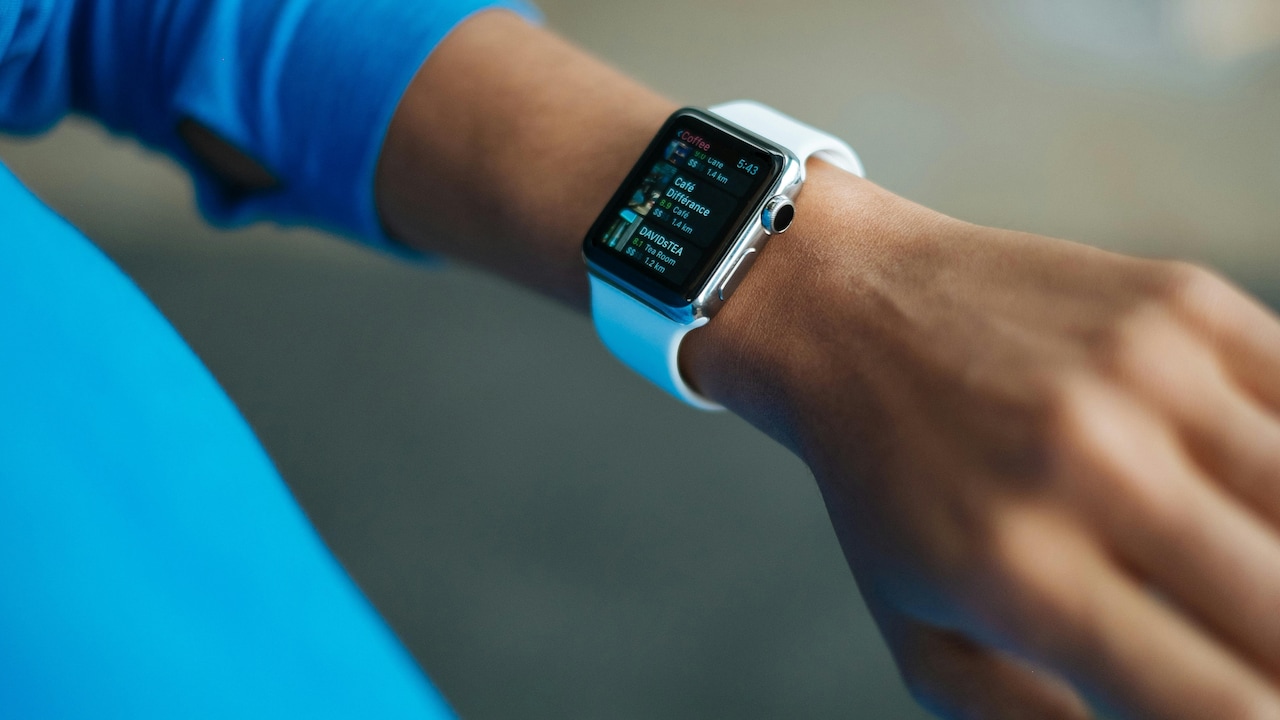
Here Is A Smartwatch Buying Guide for Beginners - Know The Features to Look For and Extras to Avoid.
Smartwatches have gone from “nice-to-have” to “why didn't I buy this sooner?” in a surprisingly short time. They track steps, ping notifications, help with workouts, and sometimes even remind people to drink water, like a tiny, judgment-free coach strapped to the wrist.
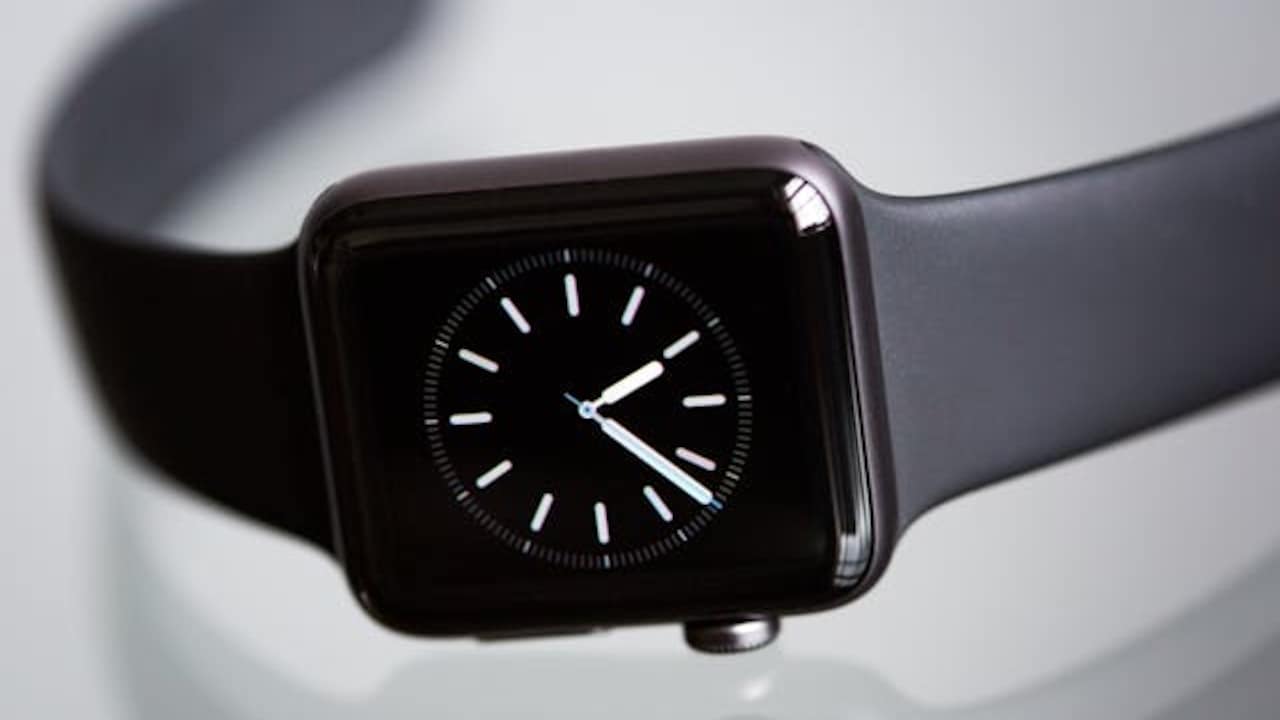
Consider these top features when choosing a smartwatch for the best experience; Photo Credit: Pexels
But here's the catch: the smartwatch market loves confusion. Brands throw in buzzwords, pack features that sound life-changing, and quietly skip the basics that actually make the watch enjoyable to use. That's how beginners end up with a watch that has 100 sports modes but takes 45 seconds to open the step counter.
A good smartwatch should feel effortless. It should be easy to read, comfortable, reliable, and useful. The best ones aren't always the most expensive; they're the ones that get the fundamentals right. This guide covers the essential features worth paying for, plus the extras that are more marketing than meaning.
Also Read: 5 Best Fitness Trackers Of 2026 Under ₹2,000
What's Worth Paying For: And What's Just Marketing
1) A Bright, Clear Display: The One Feature You'll Notice Every Day
A smartwatch can have every feature under the sun, but if the screen looks dull, everything feels worse. The display is the part that gets used constantly, checking the time, reading messages, tracking workouts, or quickly glancing at reminders in a crowded metro.
For beginners, a bright display matters more than fancy sensors. Look for good brightness, sharp text, and visibility outdoors. AMOLED screens usually look richer and more vibrant than LCD, especially for blacks and contrast. That said, a well-tuned LCD can still do the job if brightness is strong.
Also, screen size matters. Bigger isn't always better. A huge screen looks cool in photos, but can feel awkward on smaller wrists. And if the watch is too chunky, it may end up sitting in a drawer next to that unused resistance band.
Avoid watches that sacrifice readability for style. A smartwatch should not require squinting like it's a CAPTCHA. If the screen is easy on the eyes, everything else becomes more enjoyable.
2) Battery Life That Matches Real Life (Not Marketing Life)
Battery life is where beginners either fall in love with smartwatches or start resenting them. A watch that needs charging daily can feel like adopting a pet that never stops demanding attention. It's not just the charging, it's the constant anxiety of “will it last till evening?”
Many watches promise 10–14 days, but that number often assumes features are turned off: no always-on display, no frequent notifications, no workouts, no brightness. Real usage tends to cut it down.
For most people, the sweet spot is a watch that comfortably lasts 5–7 days with normal use. That's the difference between “charging once a week” and “charging every other day like a needy phone.”
Fast charging helps too. A watch that gains a couple of days of power in 20–30 minutes feels practical.
Avoid watches that look premium but die quickly. A beautiful smartwatch that constantly needs charging becomes a stressful accessory, not a helpful one.
3) Accurate Step and Sleep Tracking: The Basics That Should Never Be Bad
Step tracking and sleep tracking are the two most-used features for most people. They sound simple, but the quality varies wildly across brands. Some watches count steps when the hands move while talking. Others log “deep sleep” during a late-night scrolling session. Not ideal.
A good smartwatch should track steps consistently across days and give believable trends. It doesn't need to be perfect like a medical device, but it should be sensible. Sleep tracking should show clear sleep duration, wake-ups, and patterns that match real life.
This is where beginners should focus: trends over perfection. A watch that shows improvement in sleep consistency is more useful than one that throws ten graphs at you and still feels inaccurate.
Also, check whether the app interface is clean. If the data looks like a complicated stock market chart, motivation disappears fast.
Avoid watches that brag about 1000+ health insights but fail at the basics. If step and sleep tracking aren't solid, the rest is just decoration.
4) Heart Rate Monitoring That Doesn't Act Dramatically
Heart rate tracking is genuinely useful. It helps during workouts, gives insight into stress, and can even highlight patterns like unusually high resting heart rate after poor sleep or heavy meals.
But some watches behave like overexcited relatives at a wedding, overreacting to everything. A small walk becomes a “high-intensity workout”. Sitting still suddenly shows a spike. It creates confusion rather than clarity.
For beginners, look for stable, consistent readings. During exercise, the heart rate should update smoothly. At rest, it should not jump around wildly.
A big bonus is continuous heart rate monitoring, especially if it doesn't destroy battery life. It gives a more realistic picture than occasional spot checks.
Avoid watches that push constant “health warnings” without context. A smartwatch should support healthier habits, not trigger unnecessary panic at 2 AM because heart rate briefly went up while watching a thriller.
5) A Smooth Interface: Because Lag Kills the Fun
This is the feature nobody thinks about… until they use a laggy smartwatch. Slow menus, delayed swipes, and clunky animations make even a premium-looking watch feel cheap.
Beginners often assume specs like “dual-core processor” matter. In reality, the real question is: does the watch feel smooth? Can it open the notification panel quickly? Does the workout screen load instantly? Can it handle basic tasks without stuttering?
A smooth interface matters because it affects everything. Even checking the time becomes annoying if the screen takes a second to wake. And if the UI feels confusing, the watch becomes a toy for two days, then forgotten.
Also, the companion app should be reliable. Sync should not fail randomly. Data should update without rituals like toggling Bluetooth three times and praying.
Avoid watches that pack features but feel sluggish. A smartwatch should feel effortless, not like a budget phone from 2012.
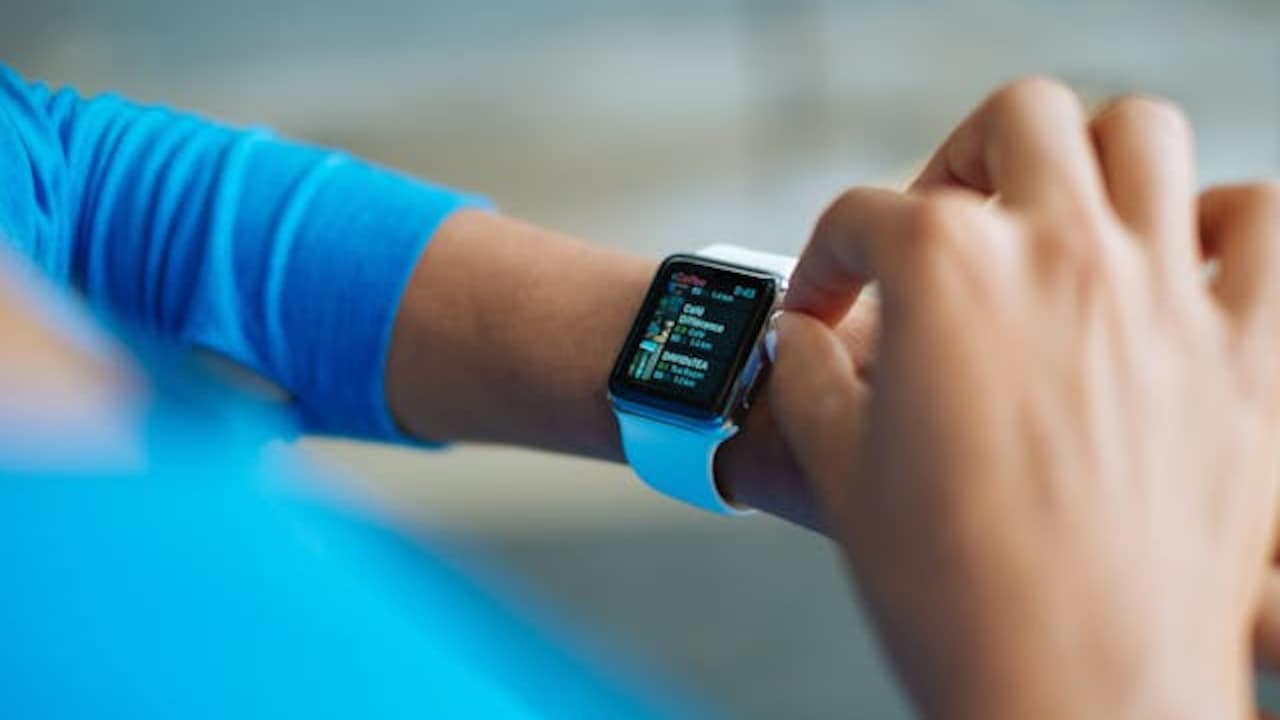
Look for smartwatches with a smooth interface for a lag-free performance; Photo Credit: Pexels
6) Notifications Done Right: Useful, Not Noisy
Notifications are the “daily utility” side of smartwatches. The best ones let you check messages quickly without pulling out the phone. That's useful in meetings, traffic, crowded markets, or while cooking.
But there's a fine line between helpful and annoying. A smartwatch that vibrates every time a group chat sends “ok” becomes the wrist version of chaos.
For beginners, look for these essentials: clear notification text, good vibration strength, and the ability to choose which apps can send alerts. Also, the watch should handle emojis reasonably. Otherwise, messages turn into mysterious boxes, like ancient scripts.
If the watch supports quick replies, that's a bonus. But even without replies, being able to read messages properly is enough for most.
Avoid watches that flood the screen with cluttered notifications or that can't display full text. A smartwatch is meant to reduce phone dependence, not become another device demanding attention every 30 seconds.
7) Workout Tracking That Matches Real Habits (Not Fantasy Fitness)
Many watches boast 100+ sports modes. Realistically, most people use about five: walking, running, cycling, gym workouts, yoga, and maybe badminton. Nobody needs “professional dragon boat rowing mode” unless life has taken a very specific turn.
What matters is accurate workout tracking: duration, heart rate, calories (approximate), and distance for outdoor activities. Auto-detection of walking and running is also useful, especially for people who start exercising spontaneously and forget to press “start”.
GPS is a feature worth paying for if outdoor walking or running is common. Built-in GPS tracks distance without needing the phone. It's particularly helpful for those who leave the phone at home during short workouts.
Avoid watches that offer endless workout modes but poor accuracy. A smartwatch should encourage movement, not inflate stats like a proud aunt adding extra marks to a report card.
8) Build Quality and Comfort: The Feature That Decides Daily Use
A smartwatch can be smart, but if it feels uncomfortable, it won't get worn. Comfort is everything. A heavy watch can feel tiring. A stiff strap can irritate the skin. A sharp edge can feel annoying during sleep.
Beginners should prioritise a lightweight design and a strap that feels soft. Silicone straps are common and usually comfortable, but some cause sweating in humid weather. Swappable straps help, especially for those who want a sporty strap for workouts and a cleaner strap for office wear.
Water resistance matters too. A watch should handle rain, hand washing, and sweat without drama. If it has at least a decent rating, it can survive daily life. But it's still wise to avoid hot showers and swimming unless the watch clearly supports it.
Avoid watches that look premium but feel bulky or poorly finished. The best smartwatch is the one that disappears on the wrist and quietly does its job.
9) Calling, Voice Assistants, and “Smart” Extras: Nice, But Not Necessary
Bluetooth calling sounds impressive. And in some cases, it's genuinely useful, like when the phone is buried in a bag while shopping or cooking. But the experience varies. Some watches have weak speakers. Others pick up background noise like a gossip-loving neighbour.
Voice assistants also fall into the “cool demo” category. They feel excited for a week. Then real life happens. Most people return to using the phone for proper voice commands because it's faster and more reliable.
For beginners, these features should be treated as bonuses, not deal-breakers. If a watch has great basics and also offers calling, that's nice. But buying a watch mainly for calling can be disappointing.
Avoid paying extra for these features if the watch compromises on screen quality, battery, or tracking. A smartwatch that can make calls but has a poor display and a weak battery is like a fancy car with uncomfortable seats.
10) The Biggest Traps: ECG, SpO₂ Obsession, and Overhyped “Health” Claims
This is where smartwatch marketing becomes a little dramatic. ECG, SpO₂, body temperature, stress scores, readiness scores; these features sound powerful. But for beginners, they can create confusion.
SpO₂ readings can be inconsistent depending on skin tone, movement, strap tightness, and ambient light. ECG features can be helpful for some people, but they are not replacements for medical testing. And “stress” scores are often based on heart rate variability, which is useful as a trend but not as a definitive statement about mental health.
The problem isn't the features themselves. The problem is how they get sold, as if the watch becomes a mini hospital. That's not realistic, and it can cause unnecessary worry.
For beginners, it's better to focus on lifestyle-friendly health tracking: steps, sleep, heart rate, and activity consistency. Those build real habits.
Avoid watches that shout about medical-grade features while ignoring basics. Health is not a gimmick, and a smartwatch should not pretend to be a doctor.
Products Related To This Article
1. CrossBeats Armour Pro AI Premium Smart Watch for Man, Latest 1.43” AMOLED Always on Display
2. Noise Pro 6 Max Smart Watch:Intelligent AI
3. Boat Wave Call 3 Smartwatch 1.83” HD Display with Animated Watch Faces
4. Fire-Boltt Ninja Call Pro Plus Bluetooth Calling Smart Watch
5. Redmi Move Smartwatch | 1.85" AMOLED (390×450, 600 nits)
6. Fastrack Astor FR2 Pro 1.43" AMOLED Stainless Steel Smart Watch with SpO2
7. Amazfit Bip 6 Smart Watch 46mm, 14 Day Battery
A first smartwatch should feel like a helpful companion, not a confusing gadget. The smartest buying decision isn't chasing the longest spec sheet. It's choosing a watch that gets the fundamentals right: a bright display, solid battery life, accurate tracking, smooth performance, and clean notifications.
The flashy extras can wait. Bluetooth calling, voice assistants, and advanced sensors may sound exciting, but they often matter far less than comfort, reliability, and daily usefulness.
In the end, the best smartwatch is the one that actually gets worn. Not for a week. Not for a month. Every day. And when it quietly nudges better habits, more movement, better sleep, less phone checking, that's when the real value shows up.
A beginner-friendly smartwatch doesn't need to do everything. It just needs to do the right things well.
(Disclaimer: This article may include references to or features of products and services made available through affiliate marketing campaigns. NDTV Convergence Limited (“NDTV”) strives to maintain editorial independence while participating in such campaigns. NDTV does not assume responsibility for the performance or claims of any featured products or services.)