TV Buying Guide Explained: Choosing the Right Screen Size for Your Room
Choosing the right TV size isn’t about going bigger. This guide explains how screen size and viewing distance work together, helping you pick a television that fits your room, protects your eyes, and delivers the best viewing experience.
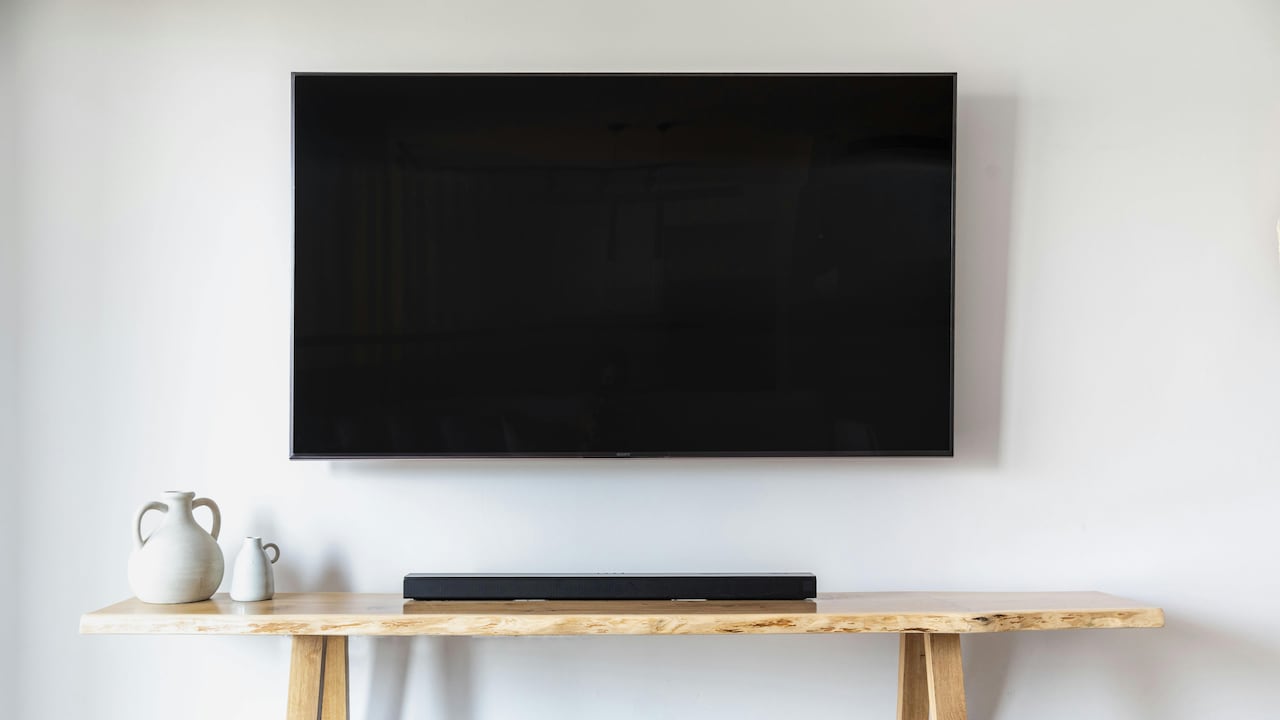
TV Buying Guide: Screen Size vs Viewing Distance Simplified for the Best Viewing Experience.
There is something oddly thrilling about buying a new television. The glossy screen, the promise of cinema-like evenings, and the dream of binge-watching without squinting. Yet, this excitement often collides with a familiar dilemma: how big is too big, and how small is just disappointing?
Many homes end up with televisions that feel awkward. Some dominate the room like an uninvited guest, while others look lost on the wall. The real culprit usually lies in a mismatch between screen size and viewing distance. This relationship matters more than brand names or fancy features.
With living spaces shrinking in cities and expanding in suburbs, one-size-fits-all advice no longer works. A bedroom setup differs wildly from a family hall where everyone gathers for weekend movies. This guide simplifies the science, adds a dose of common sense, and keeps things practical. No jargon. No sales talk. Just clear guidance to help choose a TV that fits both the room and the eyes.
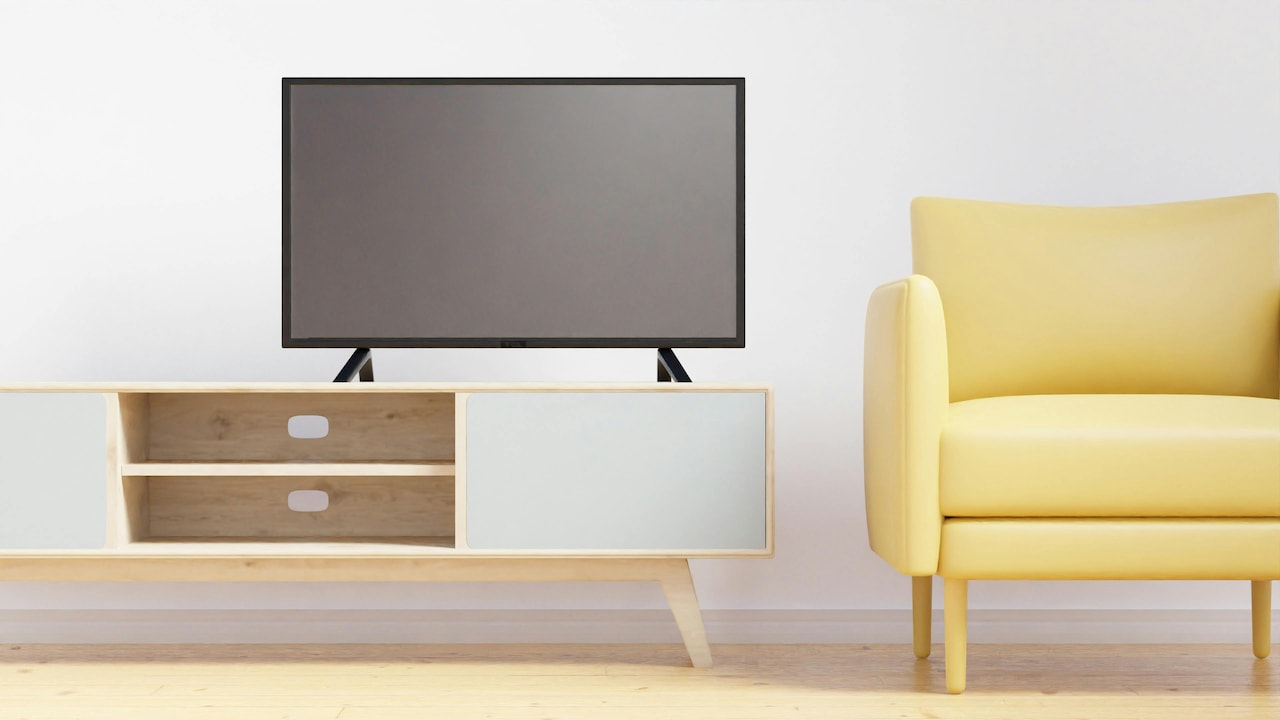
TV Buying Guide: Screen Size vs Viewing Distance Simplified; Photo Credit: Pexels
How Screen Size and Viewing Distance Work Together
1. Why Screen Size Is More Than a Numbers Game
Screen size often steals the spotlight during TV shopping. A 55-inch or 65-inch display sounds impressive, but those numbers alone mean little without context. Screen size refers to the diagonal measurement, not the width or height. This detail trips up many buyers who imagine a much smaller screen than what actually arrives.
A large screen can feel immersive, but only when paired with the right distance. Sit too close, and the picture overwhelms the senses. Sit too far, and even a big screen feels underwhelming. The trick lies in balance.
Living rooms in apartments often range between compact and cosy. A massive screen in such spaces can feel like sitting in the front row of a cinema, neck craned and eyes darting. On the other hand, a modest screen in a spacious hall feels like watching a match on a mobile phone from across the room.
Choosing size should reflect daily habits. News watchers, serial lovers, and sports fans all view content differently. Screen size should enhance comfort, not just bragging rights.
2. Viewing Distance: The Forgotten Hero
Viewing distance rarely gets the attention it deserves. Yet, it plays a starring role in visual comfort. This distance measures how far the sofa sits from the TV screen. Too close leads to eye strain. Too far reduces detail and impact.
A simple rule helps. For Full HD TVs, the ideal viewing distance sits around 1.5 to 2.5 times the screen size. For 4K TVs, viewers can sit closer, roughly 1 to 1.5 times the screen size. Higher resolution allows closer seating without visible pixels.
In real homes, furniture placement often dictates distance. Sofas pushed against walls, centre tables in between, and the occasional bean bag thrown in for good measure. Measuring this distance before buying saves regret later.
Many families discover after installation that the TV feels uncomfortable. A quick tape measure before shopping avoids this problem entirely. Comfort always trumps novelty.
Also Read: Premium TV Deals On Flipkart To Upgrade Your Viewing Experience
3. Small Rooms, Smart Choices
Bedrooms, study rooms, and compact living spaces demand thoughtful decisions. In such rooms, bigger rarely means better. A 32-inch or 43-inch TV often fits perfectly without overpowering the space.
These rooms usually serve casual viewing. Late-night shows, morning news, or background entertainment while scrolling on phones. A massive screen here feels unnecessary and sometimes distracting.
Wall mounting helps save space, but does not magically increase viewing distance. The eyes still sit at the same spot on the bed or chair. Choosing a size that suits that distance matters more than wall aesthetics.
Smart placement also helps. Mounting the TV slightly lower reduces neck strain when watching from a bed. Angling the screen avoids glare from windows or lights.
Small rooms benefit from balance. A TV that blends into the room while delivering crisp visuals keeps viewing relaxed and enjoyable.
4. Large Living Rooms and the Big Screen Temptation
Spacious living rooms invite bigger screens. Movie nights, cricket matches, and family gatherings all benefit from a larger display. A 55-inch or 65-inch TV often suits such spaces beautifully.
However, bigger screens demand respect. Sitting too close turns thrilling action scenes into visual chaos. Proper spacing allows the eyes to absorb the full picture without constant movement.
In larger rooms, seating arrangements vary. Some viewers sit close, others lounge farther back. The ideal setup caters to the primary seating position. Occasional viewers can adjust.
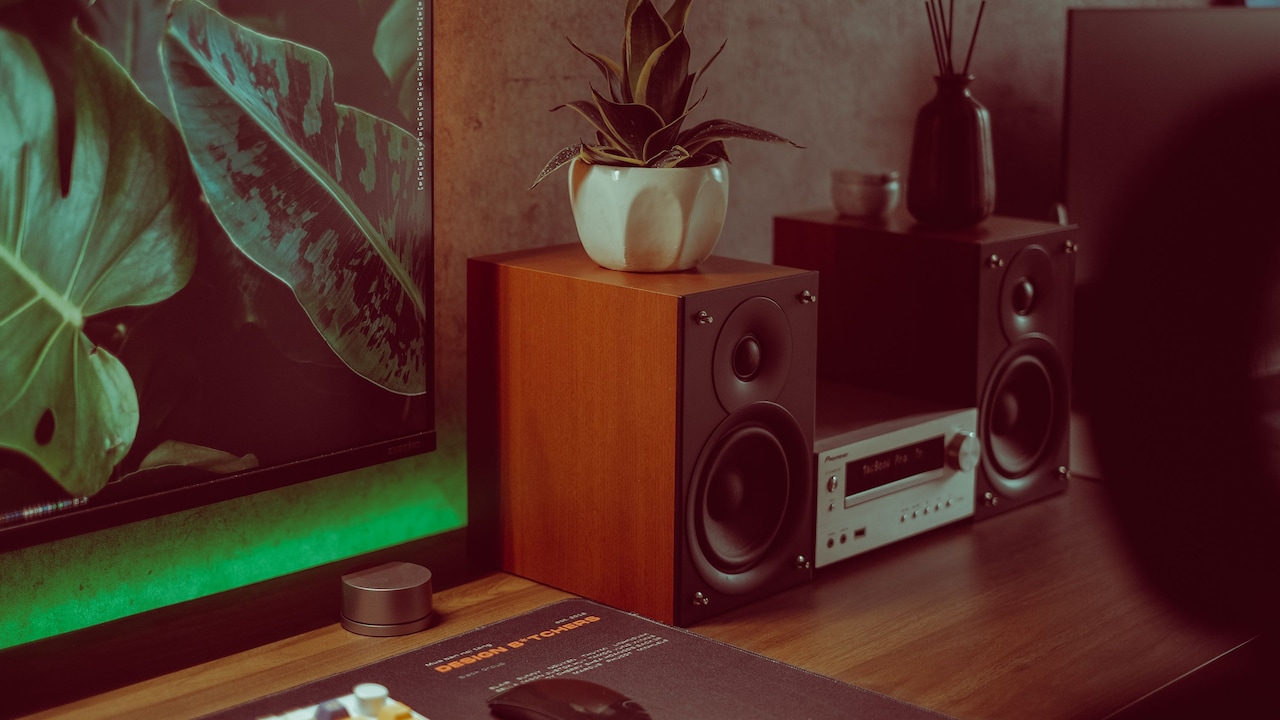
Sound also plays a role. Large screens often pair well with soundbars or speakers. This combination creates a theatre-like feel without stepping out.
A large TV should feel inviting, not intimidating. When screen size and distance align, every movie night feels special, even without popcorn.
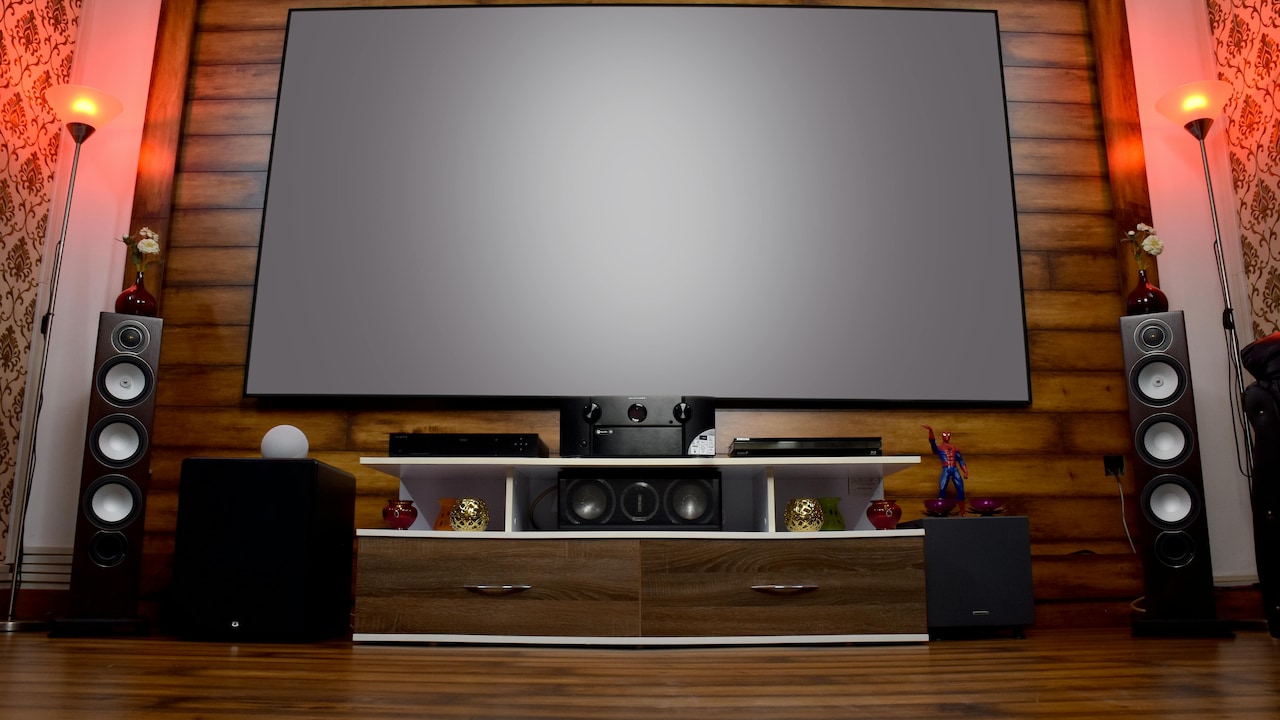
TV Buying Guide: Screen Size vs Viewing Distance Simplified; Photo Credit: Pexels
5. Resolution Changes the Rules
Resolution quietly influences how close viewers can sit. Full HD, 4K, and now 8K each offer different experiences. Higher resolution packs more pixels into the same space, resulting in sharper images.
With 4K TVs becoming common, sitting closer no longer reveals pixel grids. This advantage allows larger screens in smaller rooms, provided the content supports it.
However, not all content streams are in true 4K. Many channels still broadcast in lower resolution. Sitting too close may expose imperfections in such cases.
Resolution should support viewing habits. Streamers who binge on high-quality content benefit more from 4K than casual channel surfers.
Understanding resolution helps avoid overpaying for features that rarely get used. The goal remains comfort and clarity, not spec sheet supremacy.
6. Eye Comfort and Long Viewing Sessions
Eyes work hard during long viewing sessions. Screen size and distance directly affect comfort. Sit too close, and your eyes constantly refocus. Sit too far, and they strain to catch details.
Blink rate drops during intense viewing, leading to dryness and fatigue. Proper distance reduces this effect by allowing relaxed focus.
Children and older viewers feel discomfort faster. Choosing a comfortable setup benefits everyone in the household. Adjusting brightness and contrast also helps.
Ambient lighting plays a subtle role. Watching in pitch darkness strains the eyes more than watching with soft background light. A small lamp behind the TV often improves comfort.
A good TV setup feels effortless. Viewers forget about the screen and focus on the story. That ease marks a well-chosen size and distance.
7. Sports, Movies, and Daily Shows: Content Matters
Different content types thrive at different sizes. Sports benefit from larger screens where action feels expansive. Movies shine with immersive displays that pull viewers into the scene.
Daily soaps, news, and casual shows do not demand massive screens. In fact, oversized displays sometimes exaggerate flaws in older broadcasts.
Gamers prefer screens that match their seating distance precisely. Sitting too close can cause motion fatigue, while sitting too far reduces reaction time.
Households often watch mixed content. Choosing a middle ground works best. A size that handles movies well without overwhelming daily viewing strikes the right balance.
Understanding content habits prevents disappointment. The TV should serve the household, not force habits to change.
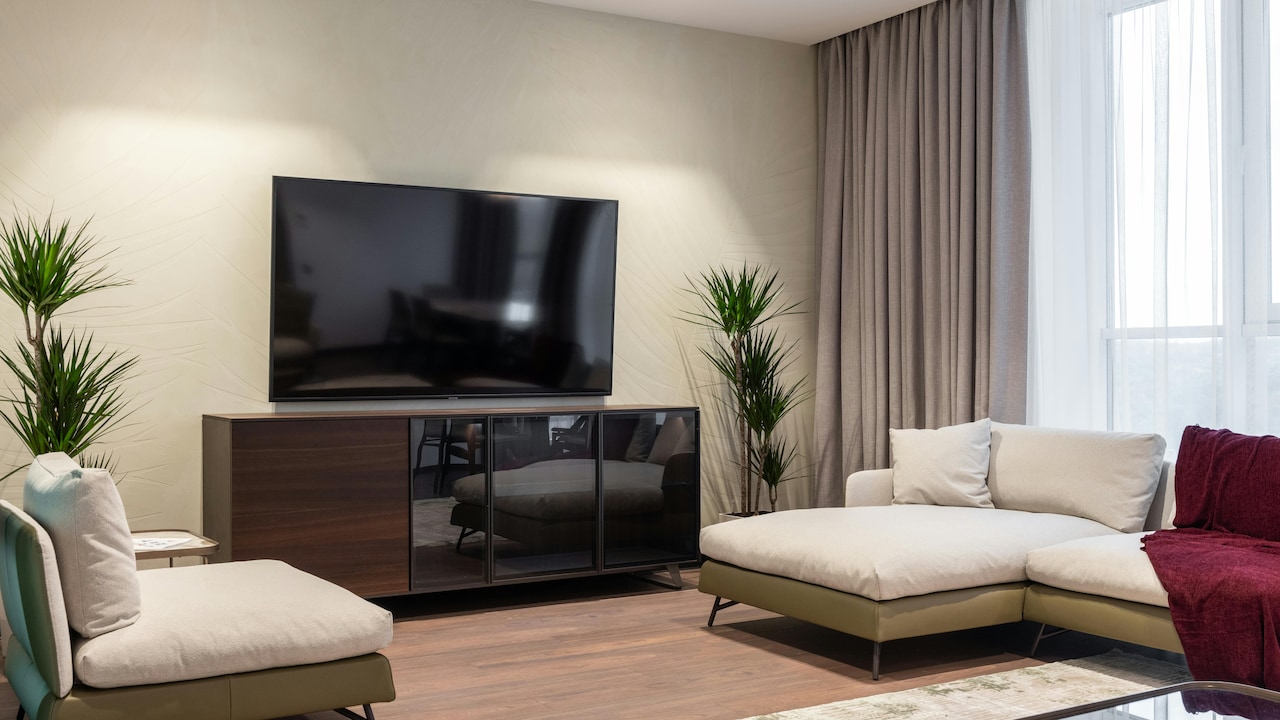
TV Buying Guide: Screen Size vs Viewing Distance Simplified; Photo Credit: Pexels
8. Budget, Space, and Practical Limits
Dream TVs often collide with real-world limits. Budget, wall space, and furniture layout all influence the final decision. Spending more on size may mean compromising on picture quality or sound.
A slightly smaller screen with better display technology often delivers a superior experience. Sharpness, colour accuracy, and brightness matter more than sheer size.
Installation costs also vary. Larger TVs may require sturdier mounts and professional help. These hidden costs add up.
Measuring wall width and height avoids awkward fits. A TV should leave breathing space around it, not touch shelves or cabinets.
Practical choices age better than impulsive ones. A TV that fits naturally into the room remains enjoyable long after the novelty fades.
9. Common Mistakes Buyers Make
Many buyers fall for showroom illusions. Bright lights and demo videos make TVs appear stunning. At home, the experience differs.
Another common mistake involves ignoring the viewing distance. People often buy the largest screen their budget allows, then struggle with discomfort.
Overestimating room size also causes issues. A TV that looks fine in an empty room may feel overwhelming once furniture fills the space.
Ignoring mounting height leads to neck strain. Screens mounted too high force viewers to look up constantly.
Learning from these mistakes saves time, money, and frustration. A little planning goes a long way.
10. A Simple Way to Decide Without Stress
Decision-making becomes easier with a clear approach. Measure the distance from the main seating spot to the wall. Decide on resolution based on content habits. Choose a screen size that fits both.
Visualise the TV in the room. Tape an outline on the wall if needed. This trick offers instant clarity.
Resist pressure from sales pitches. Focus on comfort and daily use rather than occasional wow moments.
A well-chosen TV blends into life seamlessly. It supports relaxation, entertainment, and shared moments without demanding attention.
Confidence comes from clarity. With the basics understood, TV shopping feels less like a gamble and more like a smart upgrade.
Products Related To This Article
1. Toshiba 100 cm (40 inches) V Series HD Ready Smart LED TV
2. Sony 139 cm (55 inches) BRAVIA 2M2 Series 4K Ultra HD Smart LED Google TV
3. Samsung 80 cm (32 inches) HD Smart LED TV
4. Xiaomi 138 cm (55 inch) FX Pro QLED Ultra HD 4K Smart Fire TV
5. TCL 189 cm (75 inches) Metallic Bezel Less Series 4K Ultra HD Smart LED Google TV
Choosing the right TV screen size does not require technical expertise or endless comparisons. It simply asks for an honest look at space, distance, and viewing habits. When these elements align, the viewing experience transforms.
A TV should invite viewers in, not push them away with discomfort. Whether the setup involves a compact bedroom or a spacious family hall, the principles remain the same.
Measure first. Think about daily use. Balance size with comfort. These steps lead to a choice that feels right every time the screen lights up.
In the end, the best TV is not the biggest or the most expensive. It is the one that fits the room, respects the eyes, and turns everyday viewing into a pleasure.
(Disclaimer: This article may include references to or features of products and services made available through affiliate marketing campaigns. NDTV Convergence Limited (“NDTV”) strives to maintain editorial independence while participating in such campaigns. NDTV does not assume responsibility for the performance or claims of any featured products or services.)