Latest Smartwatch Design Trends: Why Slimmer, More Comfortable Wearables Are Replacing Bulky Screens
Smartwatch design is shifting towards slimmer profiles, lighter materials and subtle aesthetics. Modern wearables now prioritise comfort, everyday usability and style over oversized screens and bulky builds.
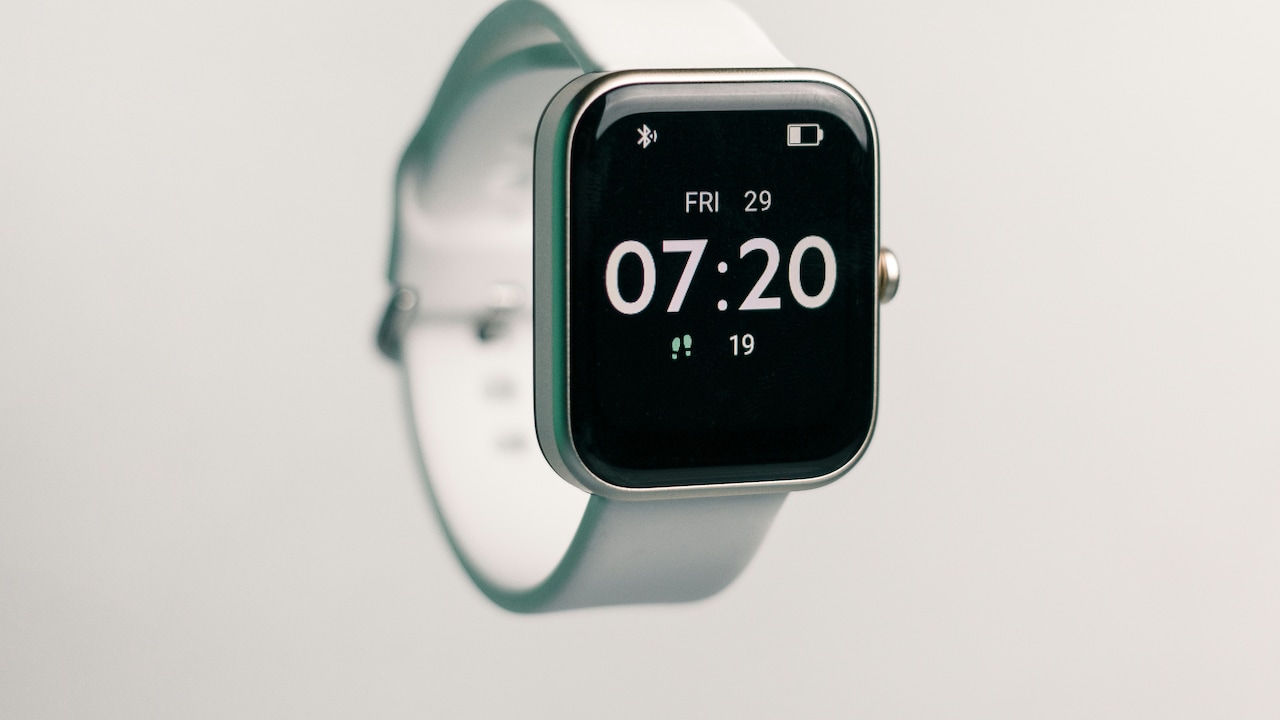
Smartwatch Design Trends 2026: Comfortable Wearables That Move Away From Bulky Screens.
A few years ago, smartwatches tried too hard. Large screens, thick frames, and flashy looks ruled store shelves. Many wrists felt tired by lunchtime. That approach has changed. Today's smartwatches feel lighter, smarter, and more thoughtful. Designers now listen to how people actually live, travel, work, and relax.
Morning walks, packed metro rides, long office hours, and evening workouts demand comfort. Nobody wants a heavy slab banging against the wrist during a handshake or a yoga stretch. The latest smartwatch designs respond to that reality. Screens shrink slightly. Edges soften. Materials breathe. Style becomes calmer.
This shift does not reduce features. Instead, it refines them. Health tracking improves. Battery life stretches further. Fashion blends with function. The smartwatch now feels like a companion rather than a gadget. The following trends explain how comfort leads the design conversation and why bulky screens slowly fade away.
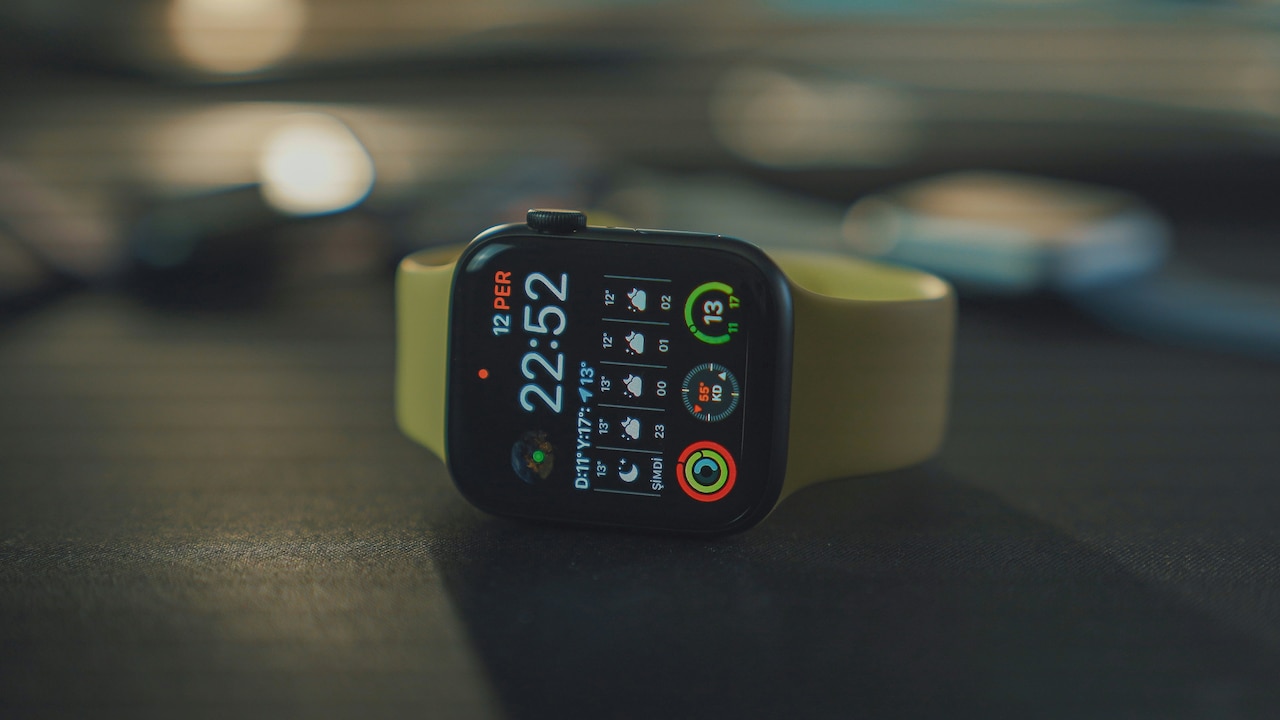
Latest Smartwatch Design Trends: Comfortable Wearables That Move Away From Bulky Screens
Photo Credit: Pexels
How Smartwatches Are Evolving Beyond Big Screens
1. Slimmer Profiles for Everyday Ease
Slimness leads the current smartwatch design race. Brands now chase elegance instead of bulk. Thinner cases sit closer to the wrist and avoid awkward gaps. Sleeves slide over them without struggle. Long meetings feel easier. Daily wear feels natural.
This change suits busy routines. A smartwatch should not feel like gym equipment during office hours. Slim designs help wearables match formal shirts, casual kurtas, and weekend denim. The wrist feels free rather than weighed down.
Designers achieve this through smarter internal layouts. Chips shrink. Sensors stack neatly. Curved backs hug the wrist better. Even budget-friendly models around ₹4,000 now offer sleek bodies that once appeared only in premium ranges.
Slim profiles also improve sleep tracking. Bulky watches often disturb rest. A lighter watch fades into the background at night. That comfort encourages regular use, which improves health insights over time. A slimmer smartwatch no longer screams technology. It quietly supports daily life.
2. Smaller Screens with Smarter Displays
Bigger no longer means better. Smartwatch screens now favour balance over size. Slightly smaller displays reduce wrist strain and improve comfort. Clearer fonts and better contrast replace the raw screen area.
AMOLED panels play a big role here. They offer sharp visuals without draining batteries. Brightness adapts quickly under harsh sunlight or dim bedroom lamps. Notifications feel readable at a glance. No squinting required.
Designers also refine interface layouts. Important data sits front and centre. Gestures replace cluttered menus. Swipes feel intuitive. Taps register accurately. This approach reduces screen dependency and wrist movement.
Smaller screens also support style. Watches look less like gadgets and more like accessories. Round faces feel classic. Square faces appear neat and modern. Many users now choose designs that pair well with traditional outfits during festivals or family events.
A smartwatch should inform, not distract. Compact screens achieve that balance with confidence.
3. Softer Materials That Respect the Skin
Comfort starts with touch. Modern smartwatches use softer materials that suit long wear. Silicone straps now feel smoother and more breathable. Fabric bands are gaining popularity for daily use. Metal links grow lighter and more flexible.
Skin sensitivity matters. Long hours of wear can cause irritation. Designers respond with hypoallergenic coatings and sweat-friendly textures. Even during summer heat, straps avoid sticky discomfort.
Case materials also evolve. Aluminium replaces heavier steel in many models. Ceramic finishes appear in premium lines. These choices reduce weight and add durability without bulk.
Strap customisation also plays a role. Quick-release mechanisms allow easy swaps. Morning workouts may call for silicone. Evening outings may suit leather. One watch adapts to multiple moods.
Affordable models around ₹6,000 now include multiple strap options in the box. That small touch adds value and personal choice. Comfortable materials turn smartwatches into all-day companions rather than occasional accessories.
4. Curved Designs That Follow Natural Movement
Flat edges once dominated smartwatch design. That era fades fast. Curved cases and screens now follow natural wrist contours. This shape improves comfort during movement.
A curved back reduces pressure points. The watch stays stable during walks, workouts, and travel. Sensors maintain better skin contact, which improves accuracy. Heart rate readings feel more consistent. Sleep tracking becomes reliable.
Curved glass also reduces accidental knocks. Sharp corners often catch on bags or door frames. Rounded edges glide past obstacles with ease. Daily wear feels smoother.
This design approach suits active lifestyles. Morning jogs, crowded buses, and desk work all benefit from ergonomic shapes. Even typing on laptops feels easier without wrist obstruction.
Many brands now invest heavily in ergonomic research. They study wrist anatomy and movement patterns. The results show in subtle curves and refined proportions. Comfort no longer feels accidental. It feels intentional.
5. Lightweight Builds for All-Day Wear
Weight plays a silent role in comfort. A heavy smartwatch feels fine at first. Hours later, fatigue sets in. Modern designs tackle this issue head-on.
Lightweight builds now dominate new launches. Aluminium alloys, reinforced plastics, and composite materials replace heavier metals. Watches feel barely noticeable during wear.
This trend supports long battery life, too. Lighter components consume less power. Users enjoy two to five days of use without frequent charging. That reliability suits travel and busy schedules.
Fitness enthusiasts benefit greatly. A lightweight watch avoids wrist drag during workouts. Yoga poses feel smoother. Strength training feels safer. Runners maintain natural arm swings.
Even entry-level models under ₹5,000 now boast feather-light builds. That accessibility expands smartwatch adoption across age groups. Students, professionals, and seniors all enjoy the same comfort benefits.
A smartwatch should assist life, not add physical strain. Lightweight design ensures that the promise holds true.
6. Minimalist Aesthetics That Blend with Fashion
Minimalism defines modern smartwatch style. Loud colours and oversized logos fade away. Clean dials, subtle bezels, and neutral tones take centre stage.
This aesthetic suits diverse wardrobes. A minimalist watch pairs well with office wear, festive outfits, and casual clothes. It avoids fashion clashes. It feels timeless.
Watch faces also reflect this trend. Analogue-style designs are gaining popularity. Simple markers replace cluttered graphics. Information appears only when needed. This calm visual experience reduces mental fatigue.
Minimalism also appeals emotionally. A clean design feels mature and confident. It avoids the need for constant attention. The watch becomes part of personal style rather than a tech statement.
Many users appreciate this quiet elegance during social gatherings or formal events. A smartwatch no longer steals focus. It complements the moment.
Design simplicity often signals thoughtful engineering. When nothing feels extra, everything feels right.
7. Button Reduction and Gesture Control
Bulky buttons once crowded smartwatch sides. That approach changes fast. Designers now reduce physical buttons and rely on gestures.
Touch-sensitive bezels, swipe controls, and haptic feedback replace mechanical clicks. This shift reduces thickness and improves comfort. The wrist moves freely without button pressure.
Gesture controls feel intuitive. A flick checks notifications. A double-tap pauses music. These actions feel natural and quick. They reduce screen time and wrist strain.
Fewer buttons also improve water resistance. Swimmers and fitness users enjoy better durability. Watches handle rain, sweat, and accidental splashes with confidence.
Some users still prefer one or two buttons for navigation. Designers keep them slim and flush with the case. Accidental presses become rare.
This balance between touch and tactility defines modern usability. The watch responds smoothly without demanding attention. Comfort extends beyond physical design into interaction style.
8. Focus on Health Without Visual Clutter
Health features remain central to smartwatch appeal. Design now supports clarity over chaos. Data appears clean and digestible.
Heart rate, steps, sleep scores, and stress levels are displayed through simple visuals. Colour coding replaces dense numbers. Progress feels encouraging rather than overwhelming.
This approach suits everyday users. Not everyone enjoys graphs and charts. Clean health summaries feel friendly and motivating. A quick glance offers insight without confusion.
Designers also prioritise sensor placement. Discreet layouts maintain sleek backs. The watch stays comfortable while tracking accurately.
Affordable models around ₹7,000 now include SpO2 monitoring, guided breathing, and cycle tracking. These features integrate smoothly without turning the watch into a medical device.
Health technology should support wellbeing, not cause anxiety. Calm design achieves that goal with grace.
9. Battery Efficiency Supporting Sleeker Builds
Bulk often hides large batteries. Modern smartwatches prove that efficiency matters more. Improved chips and software optimisation reduce power demands.
Slim watches now last longer. Three to seven days of battery life becomes common. Users charge less often. Daily routines stay uninterrupted.
This efficiency allows thinner cases without sacrificing performance. Designers avoid oversized batteries and focus on smart energy use.
Always-on displays consume minimal power thanks to adaptive brightness. Sensors activate only when needed. Background processes stay lean.
Long battery life suits travel, festivals, and busy workweeks. Nobody wants to pack extra chargers or hunt for sockets.
Efficient power management supports comfort, too. Less heat builds up on the wrist. The watch stays cool and pleasant.
Smart design often hides behind simplicity. Battery efficiency stands as a quiet hero in modern smartwatch evolution.
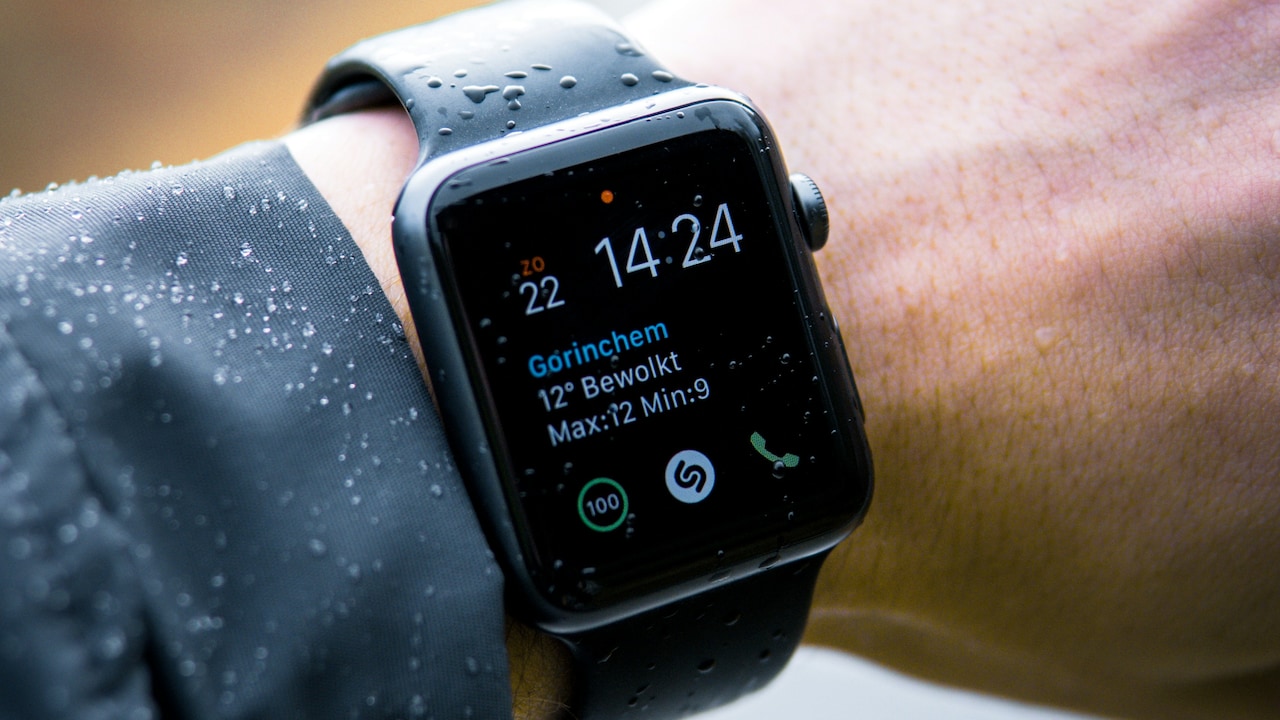
Latest Smartwatch Design Trends: Comfortable Wearables That Move Away From Bulky Screens
Photo Credit: Pexels
10. Personalisation Without Physical Bulk
Personal expression matters. Modern smartwatches deliver personalisation through software rather than hardware.
Custom watch faces, themes, and widgets offer variety. Users ' looks change daily without swapping devices. One watch suits many moods.
Strap customisation adds another layer. Slim attachment systems allow quick changes. The watch transforms from sporty to formal in seconds.
Digital crowns and bezels now offer custom functions. Users assign shortcuts that suit their habits. This flexibility reduces the need for extra buttons.
Even budget models now support personalised experiences. Prices around ₹3,500 include app ecosystems and face libraries.
Personalisation feels powerful when it avoids clutter. Modern smartwatches achieve that balance well. They adapt quietly to individual lifestyles without adding bulk or complexity.
Products Related To This Article
1. boAt Lunar Discovery Neo 1.39" HD Display, Metallic Finish
2. Fastrack Revoltt X-1.83'|Blazing Fast UI|Single Sync BT Calling
3. Noise Icon 2 2025 - 1.81" Display, 500 NITS BrightnessBT Calling Smartwatch
4. GOBOULT Drift+ 1.85'' HD Display ,BT Calling, 500 Nits Brightness
5. Fire-Boltt Hurricane 33.02mm (1.3) Curved Glass Display with BT Calling
Smartwatch design has matured. Comfort now leads innovation. Bulky screens and heavy builds lose relevance. Thoughtful proportions, softer materials, and smarter interfaces take their place.
These trends reflect real life. Long days, active routines, and diverse wardrobes demand wearables that feel natural. The modern smartwatch listens and responds.
Design no longer shouts. It whispers confidence and ease. That shift encourages regular use and deeper engagement with health and productivity.
As technology continues to shrink and refine, smartwatches will feel even more personal. Comfort will remain the true luxury. The wrist deserves nothing less.
(Disclaimer: This article may include references to or features of products and services made available through affiliate marketing campaigns. NDTV Convergence Limited (“NDTV”) strives to maintain editorial independence while participating in such campaigns. NDTV does not assume responsibility for the performance or claims of any featured products or services.)