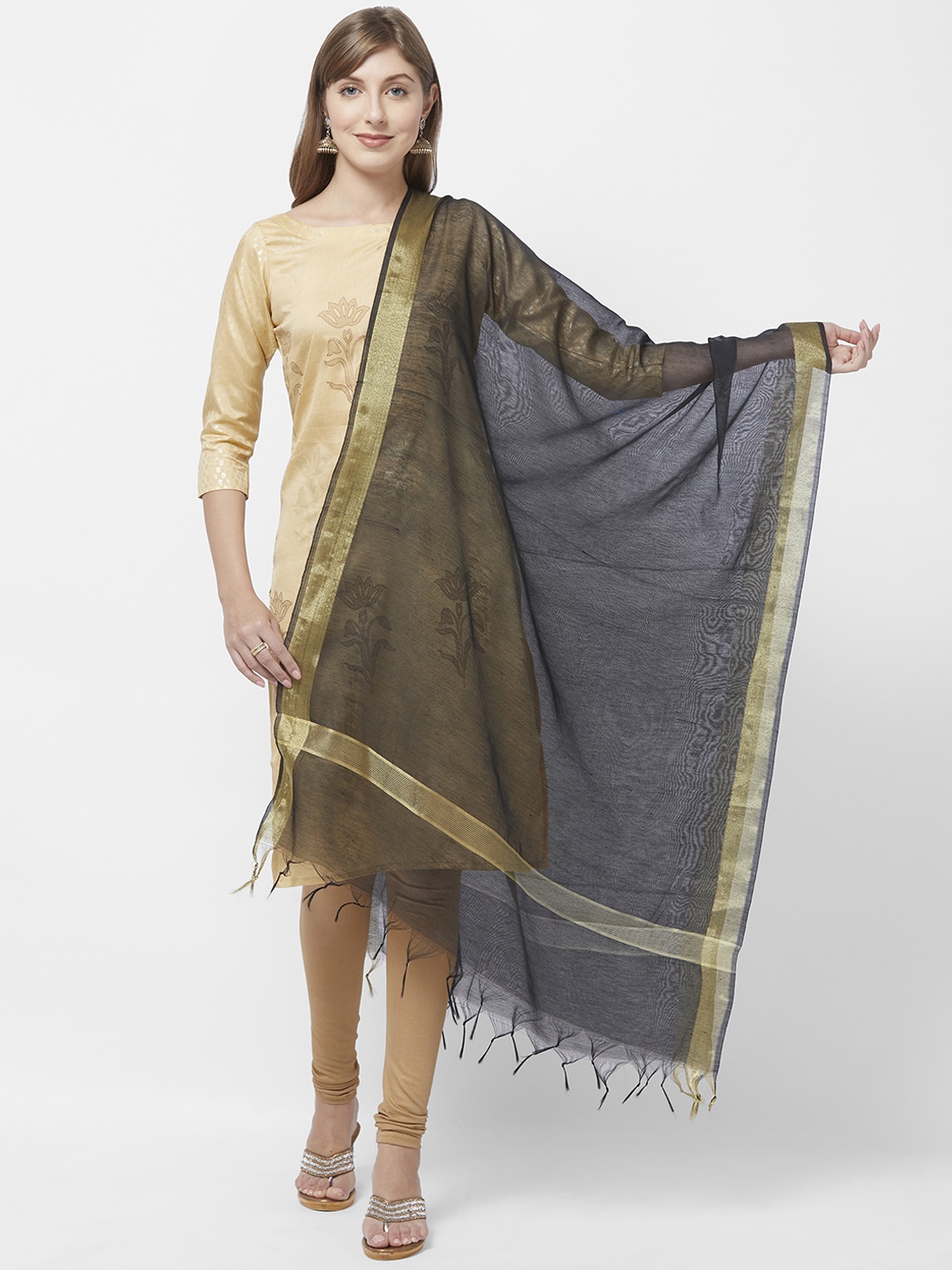
Rayon Kurtis Clinging To Office? Try These Static Fixes That Work In AC Rooms
Rayon kurtis cling badly in air-conditioned offices due to static. These easy, practical fixes help stop fabric from sticking, keep outfits comfortable, and save you from awkward adjustments during long workdays.

Why Rayon Kurtis Stick in Air-Conditioned Offices And Simple Fixes to Stop The Problem In Its Tracks.
Rayon kurtis sit high on the office wardrobe favourites list. They drape well, breathe better than many synthetics, and handle long commutes with style. Trouble begins the moment office air-conditioning kicks in. Dry air and friction create static electricity, and suddenly the kurti clings to leggings, stockings, or worse, awkwardly to the body.
The situation feels familiar. Morning meetings demand confidence, yet the outfit keeps sticking at all the wrong places. Constant tugging distracts from work and chips away at comfort. Many assume this cling comes with the fabric and accept it as a daily struggle. That belief needs a rethink.
Static cling responds well to small, clever fixes. No expensive gadgets, no wardrobe overhaul. Just a few mindful changes that suit busy workdays and shared office spaces. The following guide breaks down ten practical solutions that fit neatly into everyday routines and work beautifully in AC rooms.

Static Ruining Your Rayon Kurti at Work? Practical Office-Ready Solutions
Photo Credit: Pexels
Static, Dry Air and Office Wear: What's Really Going Wrong
1. Understand Why Rayon Reacts So Strongly in AC Offices
Rayon behaves like a sensitive soul in air-conditioned environments. The fabric absorbs moisture easily, which makes it prone to static when the surrounding air turns dry. AC units pull humidity out of the room, leaving rayon fibres thirsty and reactive. Add constant movement, walking between cabins, sitting through meetings, brushing against chairs—and static builds up fast.
Office wear often pairs rayon kurtis with leggings, palazzos, or tights made from synthetic blends. These fabrics create friction, which worsens cling. The kurti sticks, rides up, or wraps around the legs, leading to constant adjustments.
Understanding this reaction helps in choosing the right fix. Static does not signal poor fabric quality. It simply reflects an imbalance between fabric, air, and movement. Addressing even one of these elements reduces the problem. Once the cause feels clear, the solution feels manageable rather than frustrating.
2. Moisturise Skin Before Dressing for Work
Dry skin invites static. When rayon brushes against dry legs or arms, friction increases. A simple moisturising step before dressing works wonders. A lightweight, non-greasy lotion applied to areas where the kurti tends to cling helps neutralise static charge.
This trick fits neatly into the morning routine. A quick application after a shower or before stepping out sets the tone for the day. Focus on calves, thighs, and arms. Heavy creams may stain fabric, so light lotions work best.
In humid months, this step may seem unnecessary, but AC rooms tell a different story. Even during the monsoon, indoor air stays dry. Moisturised skin balances that dryness and keeps the rayon flowing instead of sticking. This solution costs very little and saves hours of discomfort at work.
3. Choose the Right Inner Layers for Rayon Kurtis
What sits under a kurti matters just as much as the kurti itself. Synthetic leggings or tights often act as static generators. Switching to cotton-rich or blended inners reduces friction instantly. Cotton breathes better and holds less static charge.
For straight-cut kurtis, cotton leggings offer comfort without compromising style. For flared or A-line kurtis, cotton palazzos create airflow and prevent fabric from clinging to the legs. In colder offices, cotton slips or underskirts add an extra barrier between rayon and the body.
Colour coordination also helps. Neutral-toned inners blend well and prevent awkward transparency issues. Investing in two or three good-quality cotton inners costs far less than replacing a wardrobe full of kurtis. This small change delivers consistent results across seasons.
4. Use Fabric Softener the Smart Way
Fabric softener reduces static by coating fibres with a light layer that prevents friction. Many avoid it due to fear of residue or scent. Used correctly, it becomes a reliable ally for rayon kurtis.
Add a small amount during the final rinse while washing. Overuse can weigh the fabric down, so moderation matters. For hand-washed kurtis, dilute the softener well before soaking. Rinse lightly to retain softness without heaviness.
For those who prefer fragrance-free options, several mild softeners work well without overpowering scents. A well-softened kurti feels smoother, drapes better, and resists static even in cold offices. This method works best when combined with proper drying and storage habits.
5. Air-Dry Rayon Kurtis Instead of Machine Drying
Drying methods influence static more than expected. Machine dryers strip moisture from fabric and increase static charge. Rayon kurtis benefit from air-drying, preferably in a shaded, breezy area.
Hanging kurtis on padded hangers helps maintain shape and reduces wrinkles. Avoid drying directly under harsh sunlight, as excessive heat weakens fibres. Slightly damp fabric retains enough moisture to resist static once dry.
During winter or rainy days, indoor drying near a window works fine. The key lies in avoiding complete overdrying. Soft, naturally dried rayon feels cooler on the skin and behaves better in AC rooms. This habit also extends the life of the garment, making it a win beyond static control.
6. Keep a Small Anti-Static Emergency Kit at Work
Office life brings surprises. Static can strike mid-meeting or during a long walk across the floor. A small emergency kit tucked into a handbag or drawer offers quick relief.
A travel-sized moisturiser, a safety pin, or even a metal key helps discharge static. Running a metal object lightly along the inside seam of the kurti neutralises the charge instantly. Moisturiser applied discreetly to the legs or arms also helps.
Some use a lightly dampened hand to smooth the fabric. This quick fix works best in private spaces like washrooms. These tools take up minimal space and rescue the day when static refuses to cooperate. Preparedness brings confidence and keeps focus on work rather than wardrobe woes.
7. Opt for Natural Fibre Blends When Buying Rayon Kurtis
Not all rayon behaves the same. Blends that include cotton or modal tend to resist static better than pure rayon. While shopping, checking fabric composition pays off in the long run.
Cotton-rayon blends offer breathability with a smoother finish. Modal blends drape well and feel luxurious without excessive cling. These options suit long office hours and handle AC exposure gracefully.
Price differences remain modest. Quality blends often range between ₹1,200 and ₹2,500, depending on design and brand. This investment reduces daily discomfort and cuts down on constant fixes. Thoughtful fabric choices simplify mornings and keep outfits reliable throughout the workweek.
8. Iron with Steam for Better Static Control
Ironing techniques influence how rayon behaves later in the day. Dry ironing increases static, especially when the fabric already lacks moisture. Steam ironing introduces gentle moisture and smooths fibres effectively.
Using a steam iron or adding a steam burst during ironing helps relax the fabric. Focus on seams and areas prone to cling. Avoid excessive heat, as rayon responds better to medium settings.
If a steam iron feels unavailable, hanging the kurti in a steamy bathroom for a few minutes works as a substitute. This method refreshes fabric and reduces static before wear. Proper ironing transforms how the kurti moves and feels, making it office-ready in every sense.
9. Balance Office AC Exposure with Smart Layering
AC rooms often feel colder than necessary. Wearing a light cotton stole or shrug helps in more ways than one. These layers regulate body temperature and reduce direct exposure to dry air.
A stole also adds weight to the outfit, helping the kurti fall better. Draping it loosely avoids friction while enhancing the overall look. Cotton or linen stoles work best, as they breathe well and complement rayon textures.
Layering brings versatility. It transitions seamlessly from desk to meeting room and even during after-work plans. This approach blends comfort with style and quietly tackles static without drawing attention.

Static Ruining Your Rayon Kurti at Work? Practical Office-Ready Solutions
Photo Credit: Pexels
10. Store Rayon Kurtis Properly Between Wears
Storage habits influence fabric behaviour. Stuffed wardrobes and plastic covers trap dryness and increase static. Rayon kurtis prefer breathing space.
Hanging them on fabric-covered hangers prevents friction. Using cotton garment bags instead of plastic allows airflow. Adding a small bowl of water or a damp cloth to the wardrobe during dry months maintains humidity.
Folding kurtis occasionally and refolding them after airing also helps. These simple steps keep fibres relaxed and ready to wear. Proper storage reduces surprises on busy mornings and ensures the kurti behaves as expected in office settings.
Products Related To This Article
1. PYARELAL Women Floral Print Viscose Rayon A-line Kurta
2. jaipurite Women Embroidered, Embellished Viscose Rayon Straight Kurta
3. Kairab Women Floral Print Viscose Rayon Straight Kurta
4. Fyunl Women Printed Viscose Rayon Straight Kurta
5. DESIRABASIX Women Self Design Viscose Rayon A-line Kurta
6. INDIANIC Women Printed Viscose Rayon A-line Kurta
7. Dressar Women Floral Print Viscose Rayon Straight Kurta
Rayon kurtis deserve their place in the office wardrobes. Static cling may feel inevitable, but it responds well to thoughtful care and small adjustments. From moisturised skin to smart fabric choices, each fix adds comfort and confidence to the workday.
AC rooms no longer need to dictate wardrobe decisions. With these practical solutions, rayon kurtis can flow freely, move gracefully, and support a polished professional presence. Comfort and style can coexist, even under the coldest office vents.
(Disclaimer: This article may include references to or features of products and services made available through affiliate marketing campaigns. NDTV Convergence Limited (“NDTV”) strives to maintain editorial independence while participating in such campaigns. NDTV does not assume responsibility for the performance or claims of any featured products or services.)