Blazer Too Hot to Wear? A Guide to Breathable Linings That Keep You Cool
Blazers often feel uncomfortable because of poor lining choices. This article explains how breathable linings, smart construction, and fabric selection can keep blazers cool, comfortable, and wearable for long hours. Flaunt your blazer even in hot weather with these lining picking tips.

Blazers Feeling Too Hot? This Is How To Pick Linings That Actually Breathe.
Blazers hold a special place in wardrobes. They signal confidence at meetings, polish festive outfits, and add structure to even the simplest kurta or shirt. Yet there's a common complaint whispered in elevators and wedding halls alike: blazers feel unbearably hot. Sweat patches appear, shoulders feel stiff, and the urge to take it off becomes impossible to ignore.

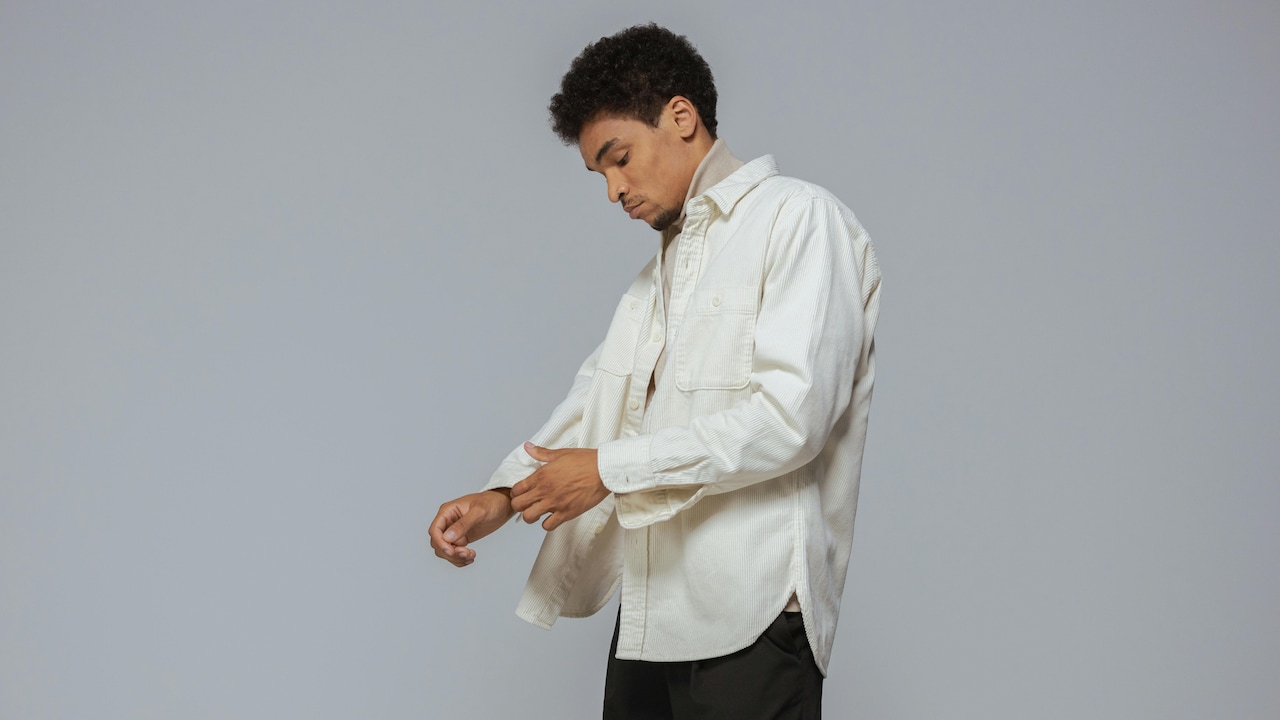
Choose the right blazer lining for your wardrobe by considering these simple aspects; Photo Credit: Pexels
Most people blame the weather, but the lining plays a far bigger role than expected. While the outer fabric gets all the attention, the inner layer decides how heat escapes, how air circulates, and how comfortable the blazer feels after the first hour. A poor lining can turn a ₹8,000 blazer into a regretful purchase. A well-chosen one can make the same blazer feel light, breathable, and wearable even during long days.
Understanding linings doesn't require tailoring expertise. It simply needs awareness of materials, construction, and how the body reacts to heat. With the right choices, blazers can feel cool, flexible, and pleasant, even in packed boardrooms or bustling wedding venues.
Also Read: 5 Best Blazers Under ₹1,000: Polished, Lightweight, They Will Nail The Tropical Layering
Why The Right Blazer Lining Makes All the Difference
1. Why Blazer Linings Matter More Than the Outer Fabric
The outer fabric gets compliments, but the lining decides comfort. A blazer may boast fine wool or linen, yet a poor lining traps heat and sweat like plastic wrap. Linings sit directly against shirts, vests, or skin, so they control airflow and moisture movement.
Many ready-made blazers use synthetic linings because they cost less and look smoother. Unfortunately, these materials block ventilation. Heat builds up quickly, especially during long commutes or crowded events. The body struggles to cool down, leading to discomfort and fatigue.
A breathable lining allows warm air to escape and lets fresh air circulate. It reduces sweat buildup and prevents that sticky feeling after a few hours. This matters even more in places where stepping from air-conditioned offices into humid streets happens daily.
Comfort also affects confidence. Constant fidgeting, loosening buttons, or slipping off the blazer mid-event distracts from conversations and presence. Choosing the right lining transforms a blazer from a short-term outfit into an all-day companion.
The lining may stay hidden, but it works hardest. Treating it as an afterthought often leads to regret. Paying attention here makes every other detail feel better.
2. Natural vs Synthetic Linings: The Comfort Showdown
Linings fall into two broad camps: natural and synthetic. Natural linings include cotton, cupro, and silk. Synthetic ones usually mean polyester or viscose blends. Each behaves differently once worn.
Cotton linings breathe well and absorb moisture. They suit daily office wear and long hours. However, cotton may wrinkle and feel slightly heavier. Silk feels luxurious and cool against the skin, though it significantly raises costs. Cupro, made from cotton waste, offers silk-like smoothness with excellent breathability at a more reasonable price.
Synthetic linings look sleek and resist wrinkles, which appeals to manufacturers. Sadly, they trap heat. Polyester linings often cause sweat to linger, creating discomfort and odour. Viscose performs slightly better but still falls short in hot conditions.
For someone spending ₹6,000–₹10,000 on a blazer, choosing a natural lining adds real value. The difference shows within the first hour of wear. Clothes should support the body, not fight it. Natural linings do exactly that, making blazers feel lighter, cooler, and far more wearable.
3. Half-Lined vs Fully Lined Blazers: What Works Best
Not all blazers need full linings. The structure and purpose decide what works best. Fully lined blazers include fabric covering the entire inside. They look polished and hold shape well, which suits formal settings.
However, half-lined or quarter-lined blazers allow large sections of the inner fabric to remain exposed. This design improves airflow and reduces weight. For warm climates and long days, half-lined blazers often feel far more comfortable.
Unlined shoulders and backs allow heat to escape naturally. Movement feels easier, and the blazer adapts better to body temperature changes. Tailors often recommend half-lining for summer wear, destination weddings, and daily office use.
Fully lined blazers still have their place. Important meetings, evening events, and cooler months benefit from their structure. The trick lies in balance. A breathable lining paired with partial construction offers the best of both worlds.
When shopping, checking the inside matters as much as the mirror view. Turning the blazer inside out reveals whether it prioritises comfort or appearance alone. The right choice saves hours of discomfort later.
4. Breathability Starts with Weave, Not Just Fabric
Fabric type matters, but weave matters just as much. A tightly woven lining restricts airflow, even if made from natural fibres. A looser weave allows air to move freely, helping the body regulate temperature.
Cupro linings often use a twill weave that balances smoothness and breathability. Cotton linings with plain or sateen weaves feel lighter and cooler. Dense satin finishes, though visually appealing, tend to trap heat.
Touch provides clues. A breathable lining feels soft, not slippery like plastic. It warms slowly against the skin instead of heating instantly. Holding the fabric up to the light also helps; more light passing through usually means better airflow.
Many tailors recommend testing breathability by gently blowing through the fabric. If air passes easily, the lining breathes well. This simple trick often reveals more than labels.
Comfort comes from these small technical details. Understanding weave empowers better choices, especially when investing in tailored or premium blazers. Breathability begins at the microscopic level and shows itself every time the blazer stays on comfortably.
5. Moisture Management: Staying Fresh Through Long Days
Heat alone causes discomfort, but moisture makes it unbearable. Sweat trapped between the lining and the shirt creates stickiness and odour. A good lining manages moisture instead of locking it in.
Natural fibres absorb moisture and release it gradually. Cotton pulls sweat away from the body, allowing it to evaporate. Cupro excels here, staying dry and cool even during long wear. Silk feels cool but absorbs less moisture, making it better for short durations.
Synthetic linings repel moisture. Sweat stays on the skin, leading to discomfort and visible damp patches. Over time, this affects hygiene and garment longevity.
Office days often stretch beyond eight hours. Add commutes, meetings, and evening plans, and freshness matters. A breathable lining reduces the need for constant adjustments and deodorant reapplications.
For anyone who has endured a wedding reception under bright lights, the value becomes obvious. A well-chosen lining keeps the body comfortable and the outfit presentable. Staying fresh enhances confidence, which no accessory can replace.

Choose blazers with linings made of cotton and other natural fibres over synthetic ones; Photo Credit: Pexels
6. Climate-Smart Choices for Year-Round Wear
Weather changes across seasons, but blazers often stay in rotation year-round. Choosing linings that adapt makes life easier. Lightweight natural linings work well across months, especially in regions with mild winters and hot summers.
During warmer months, half-lined blazers with cotton or cupro linings shine. They prevent overheating while maintaining structure. In cooler months, layering handles warmth better than switching to heavy linings.
Many assume thicker linings equal warmth. In reality, breathability often keeps the body comfortable even when temperatures dip slightly. Trapped heat causes discomfort regardless of the season.
For those investing ₹12,000 or more in a tailored blazer, discussing lining options with the tailor pays off. Choosing season-neutral linings extends usability and value.
Smart lining choices respect both climate and lifestyle. Instead of owning multiple blazers for different seasons, one thoughtfully constructed piece can handle most occasions comfortably.
7. Tailored Blazers: Custom Linings Make a Real Difference
Tailoring opens doors to comfort that ready-made blazers rarely offer. Custom linings allow control over fabric, weave, and coverage. This flexibility transforms how a blazer feels.
Tailors often suggest cupro or cotton blends for daily wear. Colour choices also matter. Dark linings absorb more heat, while lighter shades reflect it. Beige, grey, or soft pastels inside may feel cooler than deep navy or black.
Placement matters too. Extra ventilation panels under arms or across the back improve airflow without altering appearance. These small adjustments cost little but improve comfort significantly.
Tailoring doesn't always mean high expense. Even at ₹7,000–₹9,000, thoughtful choices elevate comfort far beyond mass-produced options. Communicating daily routines helps tailors recommend better solutions.
A tailored blazer should work with the body, not against it. Custom linings ensure the blazer feels personal, practical, and enjoyable to wear.
8. Office Wear vs Occasion Wear: Different Needs, Different Linings
Office blazers face long hours, repeated wear, and frequent movement. Comfort and breathability take priority. Natural linings with partial coverage suit this purpose well.
Occasion wear focuses more on structure and appearance. Weddings and formal events often last several hours but involve less movement. Fully lined blazers with breathable materials strike a balance here.
Problems arise when occasion blazers double as daily wear. Heavy linings quickly feel overwhelming. Similarly, ultra-light office blazers may lack the polish needed for formal settings.
Understanding purpose simplifies decisions. Owning two blazers, one breathable daily piece and one structured occasion piece, often works better than forcing one to do everything.
Choosing linings based on usage ensures each blazer performs well where needed. Comfort follows naturally when design aligns with lifestyle.
9. Common Lining Mistakes That Lead to Overheating
Many blazers fail due to simple mistakes. Choosing based on appearance alone ranks first. Shiny linings often hide poor breathability. Ignoring fabric labels comes next.
Another mistake involves assuming all natural fibres breathe equally. Dense silk linings may feel luxurious but trap heat. Cotton blends with high synthetic content often underperform.
Over-lining also causes problems. Fully lining lightweight blazers adds unnecessary heat. Dark linings worsen the issue by absorbing warmth.
Maintenance mistakes matter too. Dry cleaning residues sometimes reduce breathability. Occasional airing keeps linings fresh and functional.
Avoiding these errors saves discomfort and money. A few minutes of inspection during purchase prevents months of frustration. Comfort comes from informed choices, not guesswork.
10. How to Test a Blazer's Breathability Before Buying
Testing doesn't require expertise. Simple checks reveal a lot. Wearing the blazer for ten minutes inside the store gives immediate feedback. If warmth builds quickly, the lining likely traps heat.
Touch matters. A breathable lining feels soft and cool initially. It doesn't cling to the skin or shirt. Visual checks help too. Partial linings usually signal better airflow.
Asking questions also helps. Sales staff may know fabric details, especially in premium stores. Tailors provide even clearer guidance.
Trying the blazer while moving, sitting, standing, and lifting arms reveals how it responds. Comfort during movement often predicts long-term wearability.
A blazer should feel like an extension of the outfit, not a burden. Testing breathability ensures satisfaction beyond the first impression.
Products Related To This Article
1. All About You Formals Women Solid Single Breasted Formal Blazer
2. Fort Collins Men Solid Single Breasted Casual Blazer
3. 9 impression Women Striped Single Breasted Formal Blazer
4. Blue Gent Men Solid Single Breasted Casual, Festive & Wedding, Formal, Party Blazer
5. KOTTY Women Solid Single Breasted Formal Blazer
6. KILLER Men Checkered Single Breasted Casual Blazer
7. CILIMILI Women Solid Mandarin Casual Blazer
Blazers need not feel suffocating. The secret lies inside, stitched quietly beneath the surface. Linings control airflow, moisture, and comfort far more than most realise. Choosing breathable materials, smart construction, and purpose-driven designs transforms how blazers feel across long days and lively evenings.
From office corridors to wedding dance floors, comfort shapes confidence. Paying attention to linings turns a blazer from occasional wear into a trusted companion. Style shines brighter when comfort supports it. The next blazer purchase deserves a closer look inside, because feeling cool never goes out of fashion.
(Disclaimer: This article may include references to or features of products and services made available through affiliate marketing campaigns. NDTV Convergence Limited (“NDTV”) strives to maintain editorial independence while participating in such campaigns. NDTV does not assume responsibility for the performance or claims of any featured products or services.)