Beyond Fitness Goals: How Smartwatches Quietly Became Essential For Health, Convenience, And Daily Life
Smartwatches have evolved beyond fitness tracking into everyday essentials, helping people manage health, payments, communication, safety and daily routines with effortless convenience.
From Fitness Goals To Daily Life: Why Smartwatches Are A Modern Necessity
A few years ago, smartwatches carried a certain stereotype. They belonged to fitness fanatics counting calories or tech lovers obsessed with the latest gadget. Many people glanced at those glowing wrist screens and thought, “Nice toy, but not really necessary.” That opinion changed quietly. The transformation did not arrive with dramatic fanfare. It happened in tiny moments. A father noticed an irregular heartbeat alert before a serious problem developed. A college student stopped missing calls during packed metro rides. A working professional paid for coffee without digging through a backpack at the billing counter. A grandmother learned how many steps she walked during evening strolls and proudly shared the numbers with family members.
Beyond Fitness Goals: How Smartwatches Quietly Became Essential For Health, Convenience, And Daily Life
Photo Credit: Pexels
Suddenly, smartwatches stopped feeling optional.
The modern smartwatch now acts like a health assistant, organiser, wallet, navigation guide, sleep tracker, and communication device rolled into one compact gadget. Even people who once swore they would never wear “another screen” now charge their watches every night with surprising dedication.
What makes this shift fascinating is how naturally it happened. Smartwatches did not replace smartphones. Instead, they reduced the need to constantly reach for one. In a world buzzing with notifications, traffic, deadlines, and digital overload, that small convenience feels bigger than expected.
More Than A Fitness Gadget: Why Smartwatches Became Part Of Everyday Life
From Fitness Tracker To Everyday Companion
The earliest smartwatch advertisements focused heavily on fitness. Every commercial showed runners sprinting at sunrise or athletes sweating through intense workouts. While those features still matter, real-life usage has evolved differently.
Most smartwatch owners today spend more time checking messages, setting reminders, or viewing weather updates than counting calories. The device became less about six-pack abs and more about managing ordinary days smoothly.
Picture a crowded local train during rush hour. Pulling out a phone becomes nearly impossible. A quick glance at the wrist instantly reveals whether the buzzing notification deserves attention or can wait. That tiny convenience adds up throughout the day.
Parents juggling work calls and school pickups appreciate gentle reminders. Office workers use smartwatch alarms during meetings without causing disruptions. Students quietly check schedules during lectures. Even older users enjoy simple features like medication reminders or emergency calling.
The smartwatch slipped into daily routines because it solved practical problems rather than flashy ones. Unlike many gadgets that fade after initial excitement, this one kept finding new reasons to stay useful.
Health Monitoring Became Personal, Not Technical
Health tracking once sounded intimidating. Most people avoided medical statistics unless a doctor mentioned them. Smartwatches changed that relationship by presenting health information in a friendly, accessible way.
Suddenly, heart rate monitoring became part of ordinary life. Sleep tracking sparked curiosity about bedtime habits. Step counts encouraged evening walks after heavy dinners. The data felt understandable instead of clinical.
Many users now notice patterns they ignored earlier. Poor sleep after late-night binge-watching. Increased stress during difficult work weeks. Lower activity during monsoon months. These small observations often inspire healthier habits without dramatic resolutions.
The emotional side matters too. Families feel reassured when elderly relatives wear devices capable of emergency alerts or fall detection. Young professionals dealing with stressful routines appreciate breathing reminders during chaotic days.
What makes smartwatch health tracking effective is subtlety. The device rarely lectures or scares users. Instead, it nudges gently. A vibration suggests movement after long sitting hours. A sleep report hints at earlier bedtime benefits. Over time, these tiny prompts influence behaviour more effectively than aggressive fitness campaigns.
People may still ignore gym memberships after January enthusiasm fades, but they rarely ignore a buzzing watch on their wrist.
The Rise Of Contactless Convenience
Few people expected smartwatches to become payment tools, yet this feature quickly turned into one of their strongest advantages. Once users experience wrist-based payments, traditional wallets suddenly feel inconvenient.
The convenience shines brightest during ordinary moments. Buying chai at a café. Paying for groceries while carrying shopping bags. Splitting restaurant bills without fumbling through pockets. The transaction feels quick, smooth, and strangely futuristic.
Urban life moves fast. Nobody enjoys standing at billing counters searching for cash or unlocking banking apps repeatedly. A smartwatch reduces friction in these situations. Even small time savings matter during packed schedules.
Public transport usage also shaped this trend. Travellers appreciate hands-free access while balancing bags, phones, and commuter chaos simultaneously. The simplicity becomes addictive.
There is also a subtle psychological effect. Smartwatch payments feel organised. Efficient. Controlled. Many users report carrying fewer unnecessary items because their watch handles routine transactions comfortably.
Of course, traditional payment methods remain essential. Nobody trusts battery percentages blindly during long days out. Still, the smartwatch carved a permanent space in everyday convenience. Once a gadget starts replacing repetitive tasks effortlessly, people rarely abandon it willingly.
Beyond Fitness Goals: How Smartwatches Quietly Became Essential For Health, Convenience, And Daily Life
Photo Credit: Pexels
Notifications Without Constant Phone Addiction
Modern life comes with endless notifications. Messages, emails, app alerts, delivery updates, bank transactions, meeting reminders, the phone rarely stays silent. Constant checking became exhausting long before people admitted it.
Smartwatches introduced an interesting balance. They allow users to stay informed without becoming glued to phones every minute.
Instead of repeatedly unlocking screens and getting distracted by social media spirals, users glance briefly at their wrists. Important message? Respond later. Spam notification? Ignore immediately. That filtering system saves surprising amounts of mental energy.
During social gatherings, this matters even more. Nobody enjoys conversations interrupted by endless phone scrolling. A subtle wrist glance feels less disruptive than pulling out a large screen repeatedly.
Workplaces noticed similar benefits. Employees remain reachable during meetings without appearing disengaged. Students discreetly monitor urgent updates during classes. Parents stay connected to family emergencies without staring at phones constantly.
Ironically, the device often blamed for increasing screen dependency sometimes reduces it. The smartwatch acts like a gatekeeper, helping users decide what truly deserves attention.
That emotional relief explains why people continue wearing smartwatches even after the novelty fades. The convenience feels invisible until the watch battery dies. Then suddenly, the absence becomes annoyingly noticeable.
Sleep Tracking Changed Bedtime Conversations
Sleep became one of the most discussed wellness topics in recent years, and smartwatches played a major role in that shift. Earlier, people proudly survived on four hours of sleep as if exhaustion were an achievement. Today, conversations around rest feel more informed.
Smartwatch sleep tracking turned bedtime into a measurable behaviour. Users began noticing how late-night scrolling, heavy meals, or stressful deadlines affected sleep quality. The numbers created awareness that vague tiredness never could.
Morning sleep reports sparked curiosity. Deep sleep percentages. Wake-up interruptions. Resting heart rates. Even people who once ignored health metrics started paying attention.
Families joke about sleep scores over breakfast now. Friends compare bedtime habits after weekend outings. Office workers discuss how work stress affects recovery. Wellness became conversational rather than clinical.
The feature also carries emotional reassurance. Parents monitor children's sleep schedules. Busy professionals notice burnout signs earlier. Elderly users appreciate reminders encouraging healthier routines.
Unlike dramatic health warnings, sleep tracking influences behaviour gently. Users start sleeping earlier, not because someone scolds them, but because the watch quietly reveals patterns over time.
The funniest part? Many people now feel oddly disappointed when their sleep score drops after binge-watching shows till 2 am, even though they knowingly caused the problem themselves.
Also Read: Top Rated Smartwatches To Grab At Half Prices During The Festive Season
Smartwatches Became Safety Nets
One underestimated aspect of smartwatches is their growing role in personal safety. While advertisements often highlight sleek designs and colourful displays, many users value security features far more deeply.
Emergency SOS functions, live location sharing, fall detection, and health alerts provide genuine reassurance. These features matter during late-night cab rides, solo commutes, or medical emergencies.
Parents feel calmer when teenagers wear connected devices during travel. Older adults appreciate emergency calling without needing to locate phones quickly. Solo travellers gain extra confidence knowing help remains accessible.
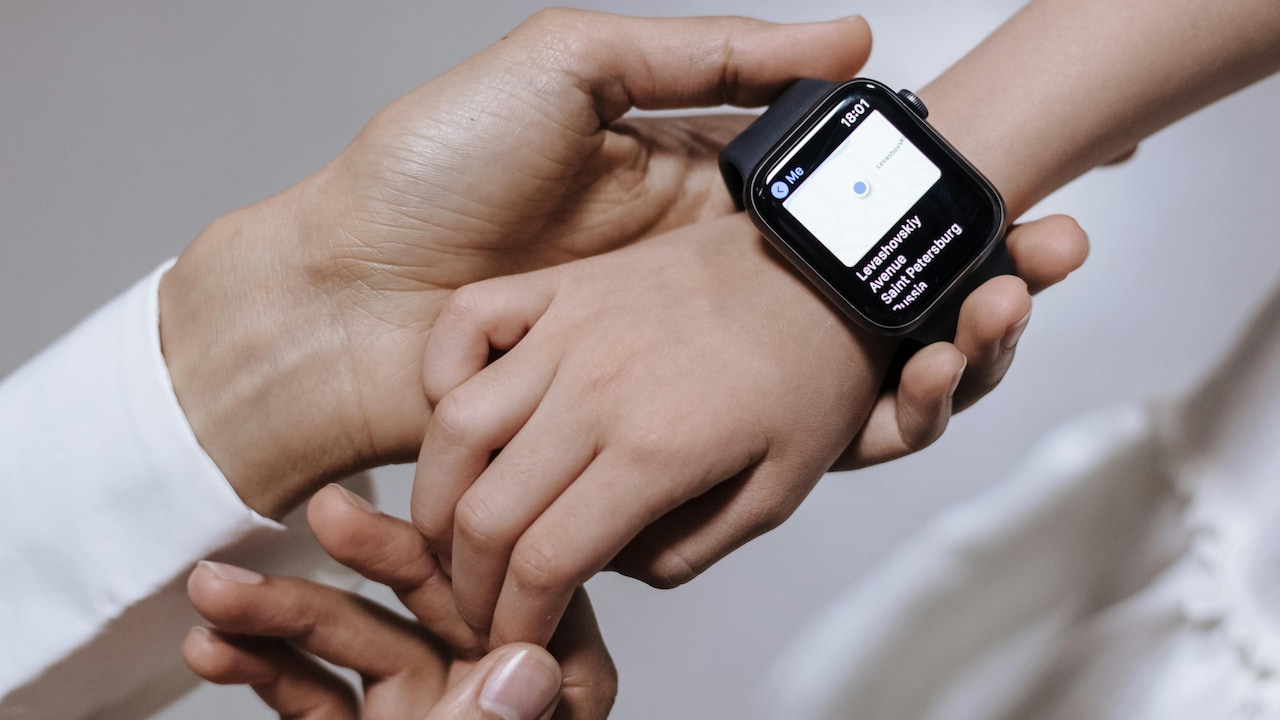
Even simple navigation assistance improves safety. Walking through unfamiliar streets while checking directions discreetly on a wrist feels more comfortable than staring continuously at a phone screen.
The psychological impact runs deeper than technology alone. Smartwatches create a sense of preparedness. People feel supported, connected, and slightly more secure navigating unpredictable routines.
During health scares, this becomes especially meaningful. Stories frequently emerge about watches detecting abnormal heart patterns before users recognise symptoms themselves. These incidents transformed public perception dramatically.
A gadget once dismissed as trendy suddenly gained emotional value. It no longer represented luxury alone. It represented awareness, readiness, and peace of mind.
That shift explains why smartwatch purchases increasingly span multiple generations instead of only young tech enthusiasts.
Fashion Quietly Joined Function
Technology and fashion once struggled to coexist gracefully. Early smartwatches looked bulky, awkward, and aggressively futuristic. Many people avoided them simply because they clashed with everyday clothing.
That changed quickly.
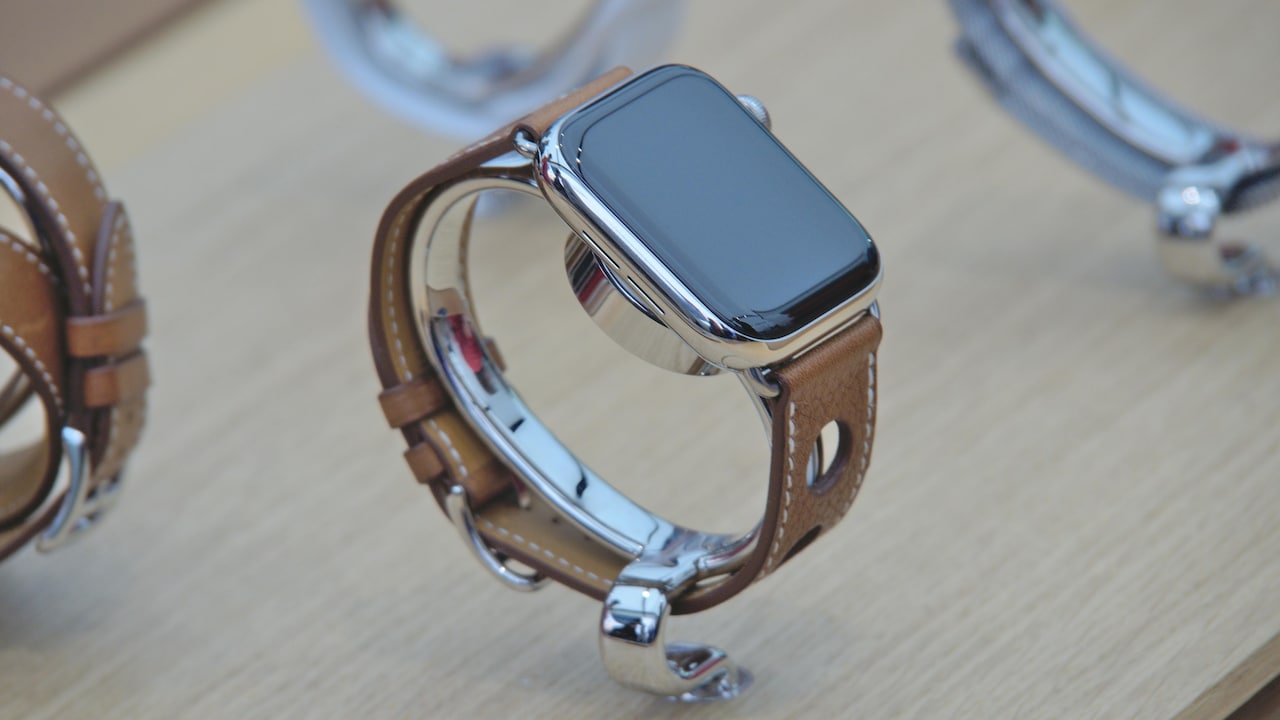
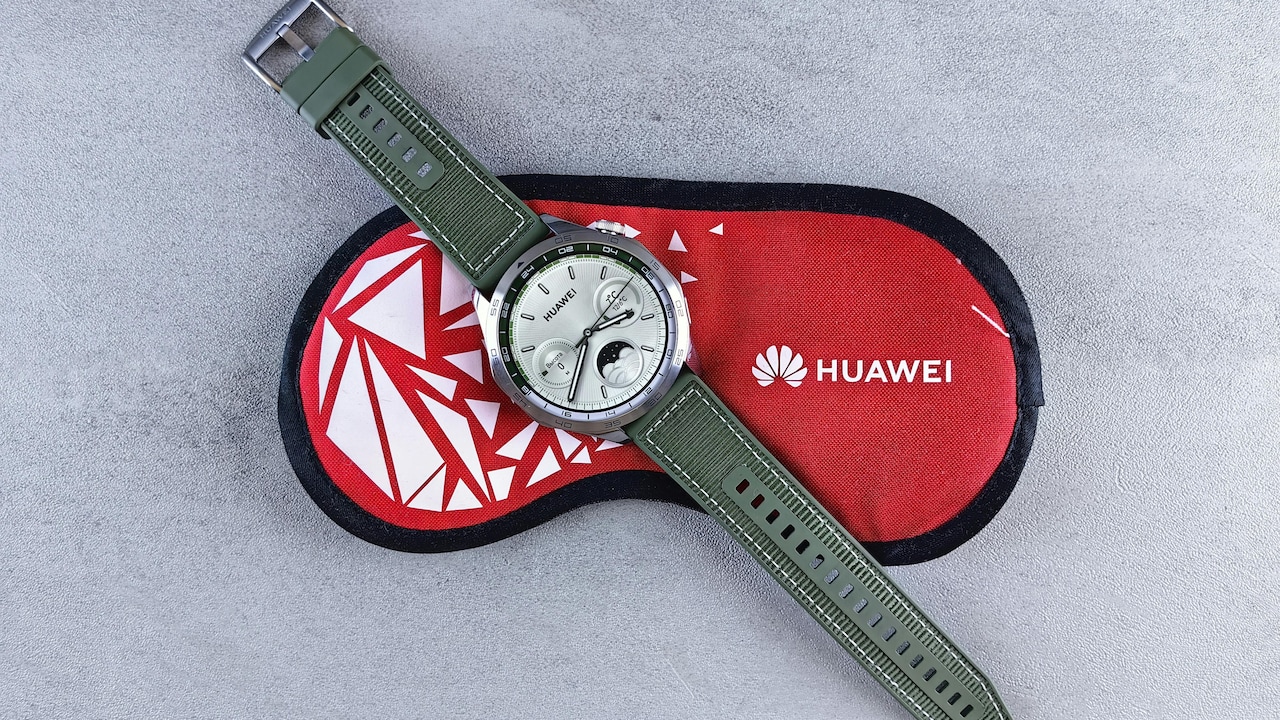
Modern smartwatches now resemble stylish accessories rather than mini computers strapped to wrists. Interchangeable straps, slimmer designs, and elegant watch faces helped them blend into personal style effortlessly.
Office workers pair metallic straps with formal wear. Students switch to colourful bands for casual outings. Fitness lovers prefer sporty designs during workouts. The same device adapts across situations surprisingly well.
Festivals, weddings, and social gatherings accelerated this evolution. Nobody wanted gadgets ruining carefully chosen outfits. Brands responded by making watches aesthetically versatile instead of purely functional.
Interestingly, people now discuss smartwatch appearance almost like jewellery or traditional watches. Compliments focus on strap combinations, display styles, and overall elegance rather than technical specifications alone.
This emotional connection matters because wearable technology succeeds only when people genuinely enjoy wearing it. A useful device left inside drawers serves no purpose.
The smartwatch survived where some gadgets failed because it blended practicality with personal expression. It became both a tool and an accessory without forcing users to choose between convenience and appearance.
Affordable Options Opened The Floodgates
Smartwatches initially seemed expensive and slightly intimidating. Early models carried premium pricing, making them feel exclusive rather than essential. That perception changed dramatically once affordable options entered the market.
Today, consumers can buy reliable smartwatches across multiple price ranges. Basic models starting around ₹2,500 offer step tracking, notifications, and heart rate monitoring. Mid-range devices around ₹8,000 to ₹15,000 deliver advanced features previously reserved for expensive brands.
This affordability expanded smartwatch culture rapidly. College students bought them using festival discounts. Parents gifted them during birthdays. Working professionals upgraded from fitness bands without major financial strain.
The competitive market also improved the quality. Better battery life, brighter displays, and smoother software became standard rather than luxury features.
Affordability created another interesting trend: experimentation. People who once hesitated to spend heavily on unfamiliar technology now feel comfortable trying smartwatches casually. Many became long-term users after discovering practical benefits unexpectedly.
Online shopping festivals further accelerated adoption. Flash sales and bundled offers transformed smartwatches into impulse purchases during festive seasons. Suddenly, entire families owned connected wearables.
Once widespread usage began, social familiarity followed naturally. Seeing colleagues, friends, and relatives use smartwatches daily removed the “tech geek” stereotype entirely.
The smartwatch stopped looking futuristic. It simply became normal.
Beyond Fitness Goals: How Smartwatches Quietly Became Essential For Health, Convenience, And Daily Life
Photo Credit: Pexels
Battery Anxiety Created New Rituals
Every technology comes with quirks, and smartwatches introduced a modern ritual nobody expected: nightly charging habits.
Traditional watches lasted for years without attention. Smartwatches demand regular charging, and surprisingly, users adapted quickly. Charging stations now sit beside beds alongside phones and earbuds.
This behaviour reveals something important. People tolerate inconvenience only when a device provides enough value in return.
Users joke about panic when battery percentages drop below 10% before long commutes. Some carry chargers during travel religiously. Others develop oddly specific charging routines while showering or preparing dinner.
Despite these frustrations, most users continue wearing smartwatches daily because the benefits outweigh the inconvenience. That loyalty says plenty about their practical importance.
Battery discussions also shaped consumer expectations. Longer battery life became a major selling point, influencing purchasing decisions more than flashy marketing slogans. Brands responded with power-saving modes and faster charging technology.
The charging ritual created emotional attachment, too. Removing the watch before sleeping and wearing it again every morning feels oddly habitual now, almost like carrying keys or wallets.
Technology truly becomes integrated into life when its absence feels uncomfortable rather than liberating. Smartwatches crossed that threshold quietly but decisively.
The Future Looks More Human Than Technical
The future of smartwatches no longer revolves around showing off futuristic technology. Instead, it focuses on blending seamlessly into ordinary life.
Upcoming innovations likely include better health diagnostics, stress monitoring, hydration tracking, and deeper integration with smart homes. Yet the real appeal will remain emotional rather than technical.
People do not wear smartwatches because processors have become faster. They wear them because these devices simplify small frustrations. They create structure during busy days. They encourage healthier routines gently. They help users feel connected without becoming overwhelmed.
That human-centred evolution explains why smartwatches succeeded where many wearable gadgets disappeared after brief hype cycles.
The category matured beyond novelty. Consumers now expect reliability, comfort, and meaningful usefulness rather than flashy experiments. Brands that understand daily human behaviour continue leading the market.
Even sceptics gradually soften after trying one for a few weeks. The transition often follows the same pattern. Curiosity. Mild interest. Daily habit. Dependence.
Then comes the funniest moment of all: instinctively checking the wrist after forgetting to wear the watch one morning.
Products Related To This Article
1. Amazfit T-Rex 3 (Smartchoice) Outdoor Rugged Military 48mm Smart Watch
2. Fastrack Limitless Glide X 1.83" Smart Watch with Ultra UV HD Display
3. Boat Chrome Horizon, Premium Metal Body, Video Watch Faces
4. Noise Twist Go Round dial Smartwatch with BT Calling
5. Fire-Boltt Rise Smart Watch 1.85″ with Bluetooth Calling
6. Titan Smart 4.0 Smartwatch with 1.93” AMOLED Display, Infinite AI Watch Faces
7. Boat Lunar Discovery w/ 1.39" (3.5 cm) HD Display
Smartwatches did not conquer modern life through a dramatic revolution. They succeeded through quiet usefulness.
They began as fitness accessories but evolved into health companions, payment tools, communication filters, safety devices, and personal organisers. More importantly, they adapted to real human behaviour rather than forcing users into unrealistic tech-driven lifestyles. That subtle transformation matters.
The best technology rarely screams for attention. Instead, it blends naturally into routines until life without it feels slightly less convenient. Smartwatches achieved exactly that balance.
Whether tracking sleep after stressful workdays, paying for roadside coffee with a wrist tap, checking directions during rainy evenings, or receiving important family updates discreetly during meetings, these devices quietly support countless small moments every day.
And perhaps that explains their lasting appeal better than any technical specification ever could.
The smartwatch no longer represents a futuristic luxury. It represents modern practicality wrapped around the wrist.
(Disclaimer: This article may include references to or features of products and services made available through affiliate marketing campaigns. NDTV Convergence Limited (“NDTV”) strives to maintain editorial independence while participating in such campaigns. NDTV does not assume responsibility for the performance or claims of any featured products or services.)