Why LED TVs Lag More Due To Software Than Hardware
Modern LED TVs lag more because of bloated software, heavy apps, and constant background processes that overload the system. In many cases, poor optimisation creates bigger slowdowns than weak hardware ever does.
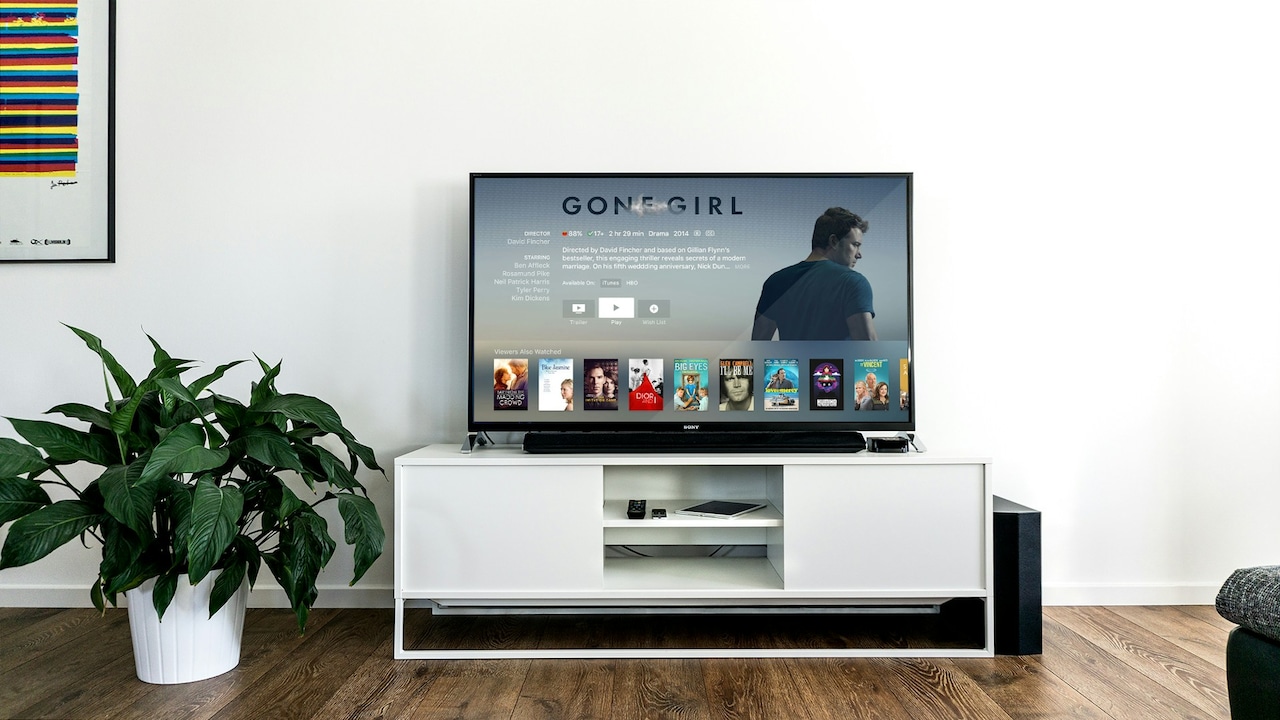
10 things that can make your LED TVs become slow over time
Buying a television used to feel simple. A family walked into an electronics store, checked the picture quality, compared sound output, bargained for a better deal, and headed home with a massive cardboard box tied precariously to the roof of a hatchback. Life felt easier then. Now, televisions arrive packed with voice assistants, streaming apps, AI recommendations, cloud gaming, screen mirroring, fitness tracking, and enough settings to confuse even the person who set up the Wi-Fi router at home. Ironically, despite all these “smart” upgrades, many LED TVs struggle with one basic expectation: speed.
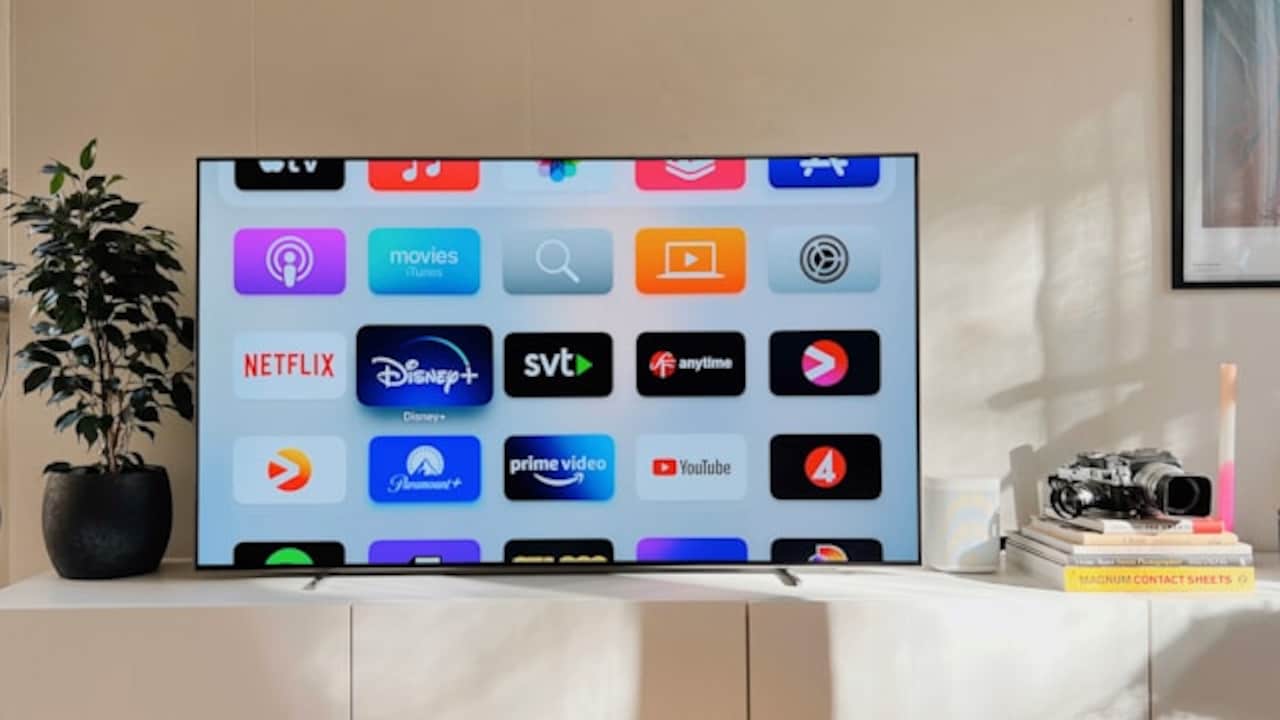
Common reasons why smart LED TVs become slow over time; Photo Credit: Pexels
Press the home button and wait. Open a streaming app and wait again. Change settings, and the screen stutters like an old laptop during monsoon humidity. Most people blame weak processors or cheap hardware, but that explanation only tells half the story. In many cases, the hardware inside modern LED TVs remains perfectly capable. The real trouble begins with bloated software that keeps demanding more than the television can comfortably handle.
The shift from simple display devices to entertainment ecosystems changed everything. Manufacturers now compete through software experiences as much as screen quality. Unfortunately, flashy features often arrive before proper optimisation. That mismatch creates lag, frustration, and a strange feeling that a ₹70,000 television somehow behaves more slowly than a ₹12,000 smartphone.
The truth behind TV lag sits deeper than marketing brochures suggest. Software has quietly become the biggest reason modern LED TVs lose their smoothness over time.
Also Read: 5 Smart TVs Under ₹15000 To Buy On Amazon
Why Modern LED TVs Feel Slower Than Ever
The Smart TV Race Created A Software Problem
Television brands no longer compete only on display quality. Every company wants to build an ecosystem that keeps viewers locked inside its apps, recommendations, and services. That race pushed software development into overdrive.
A decade ago, television menus stayed simple. A few picture settings, input options, and channel controls handled most tasks. Today's smart TVs run operating systems that resemble miniature computers. They manage streaming platforms, voice search, app stores, Bluetooth devices, smart home controls, and targeted advertisements all at once.
The trouble starts when manufacturers cram too many services into limited software environments. Even mid-range TVs now attempt features once reserved for flagship models. On paper, that sounds impressive. In practice, the system often struggles under the pressure.
Many televisions ship with background processes running constantly. Recommendation engines collect viewing habits, advertisements preload silently, software updates check automatically, and multiple apps remain partially active even after closing. The result feels like carrying six overstuffed shopping bags while climbing stairs during summer.
Consumers rarely notice this during the first week because showroom demos stay heavily controlled. Retail stores usually display simplified loops rather than real-world usage. Once the television enters a busy household with streaming apps, unstable internet, and endless switching between content, the software burden becomes painfully obvious.
The hardware did not suddenly become weak overnight. The software simply grew too ambitious.
Cheap Hardware Can Still Work Well With Good Optimisation
Hardware matters, but optimisation matters more. A modest processor paired with efficient software can easily outperform stronger hardware trapped inside messy coding.
Smartphones offer the clearest example. Some budget phones run smoothly for years because developers optimise the software carefully. Meanwhile, expensive devices occasionally stutter after updates because bloated features overwhelm the system.
LED TVs face the same issue. Many manufacturers rely on affordable chipsets to keep prices competitive. There is nothing wrong with that approach. The problem begins when brands pile heavyweight software on top without proper tuning.
Several televisions use operating systems filled with animations, transitions, and visual effects that add little value. Menus slide dramatically across the screen, thumbnails load unnecessarily, and apps keep refreshing recommendations in real time. These flashy touches may impress during a showroom demonstration, but they quietly consume memory and processing power.
Good optimisation removes unnecessary strain. It ensures apps open quickly, commands register instantly, and the interface feels responsive even with modest hardware. Poor optimisation creates lag regardless of processing strength.
This explains why two televisions with similar specifications can feel completely different during daily use. One responds instantly, while the other behaves like it needs an afternoon nap after opening YouTube.
Consumers often chase hardware specifications because marketing makes them easy to compare. Yet software efficiency shapes the actual experience far more than processor names hidden inside technical sheets.
Too Many Preloaded Apps Slow Everything Down
Modern televisions arrive stuffed with preinstalled apps that many households never touch. Shopping platforms, obscure streaming services, fitness programmes, gaming portals, live TV hubs, and promotional content fill the home screen before the television even connects to Wi-Fi.
Manufacturers love these partnerships because they generate extra revenue. Software companies pay to secure placement on the television interface. Some brands even prioritise advertising deals over user experience.
The downside appears quickly. Every additional app consumes storage, memory, and background resources. Even inactive apps sometimes continue refreshing content silently. The television keeps juggling tasks behind the scenes, which gradually slows navigation and responsiveness.
Anyone who has watched an ageing smartphone struggle under dozens of unused apps will recognise the pattern immediately. The same logic applies to televisions.
Many users notice lag becoming worse after software updates. That often happens because updates add fresh partnerships, new recommendations, and additional tracking features. The television grows busier despite the hardware staying unchanged.
Some premium televisions handle this extra workload better because they include stronger processors and more RAM. Budget and mid-range models, however, start gasping for breath under the software clutter.
The frustrating part lies in the lack of control. Several televisions prevent users from uninstalling many preloaded apps entirely. They remain permanently embedded within the system like uninvited relatives who refuse to leave after a wedding.
The television eventually becomes slower, not because the hardware failed, but because the software environment became overcrowded.
Operating Systems Often Prioritise Features Over Speed
Television brands constantly advertise “new experiences” rather than faster performance. Voice assistants, AI recommendations, gaming dashboards, and personalised content dominate launch events. Speed rarely receives the same attention.
This creates a strange imbalance. Developers focus heavily on adding capabilities while ignoring long-term responsiveness. The software grows larger with every update, but optimisation receives less priority.
Some operating systems feel especially guilty here. Certain TV interfaces attempt to predict viewing habits aggressively. They preload banners, autoplay trailers, recommend trending shows, and constantly refresh content across the home screen. That activity consumes processing resources even before anyone opens an app.
Simple actions should feel instant on a television. Opening settings, changing inputs, adjusting volume, or launching Netflix should never resemble waiting for railway reservation servers during festival season. Yet many smart TVs suffer exactly that fate.
Feature overload also confuses users. Menus become cluttered, settings hide inside multiple layers, and navigation slows because the system tries to handle too many visual elements simultaneously.
Ironically, older non-smart televisions often feel faster despite weaker hardware. They perform fewer tasks, run lighter software, and focus entirely on display performance.
Some brands have started recognising this problem. Streamlined interfaces now appear in newer models, especially in premium ranges. However, the broader industry still chases feature lists because flashy software sells televisions faster than promises of stable, long-term speed.
Consumers end up paying for features they may never use while tolerating lag during everyday tasks they perform constantly.
Software Updates Can Make TVs Worse Over Time
Most people expect updates to improve performance. Sadly, television updates often achieve the opposite.
Unlike smartphones or laptops, televisions usually receive limited long-term optimisation. Manufacturers prioritise launching new models rather than maintaining older ones. Updates, therefore, focus heavily on adding services, advertisements, or compatibility features instead of refining speed.
A television that felt smooth during the first year may become sluggish after several updates. Menus take longer to load, apps crash more frequently, and the remote develops irritating delays.
This issue frustrates many households because the hardware technically remains healthy. The screen still looks sharp. The speakers still function perfectly. Yet the software experience deteriorates steadily.
One major reason involves software expansion. Streaming platforms evolve constantly and demand more resources over time. Applications designed for modern hardware gradually become heavier, but older televisions still attempt to run them with limited memory and ageing processors.
Another issue comes from poor testing. Some updates optimise performance for flagship models while unintentionally harming budget devices using similar operating systems.
Many users notice televisions improving temporarily after factory resets. That happens because clearing unnecessary cached data reduces software strain briefly. Unfortunately, the lag usually returns once updates and apps accumulate again.
The pattern resembles an old scooter carrying increasingly heavy grocery bags every month. Eventually, even a reliable machine starts struggling uphill.
Television brands rarely discuss this openly because long-term software decline damages the image of “smart” technology. Yet countless households experience it quietly after two or three years of ownership.
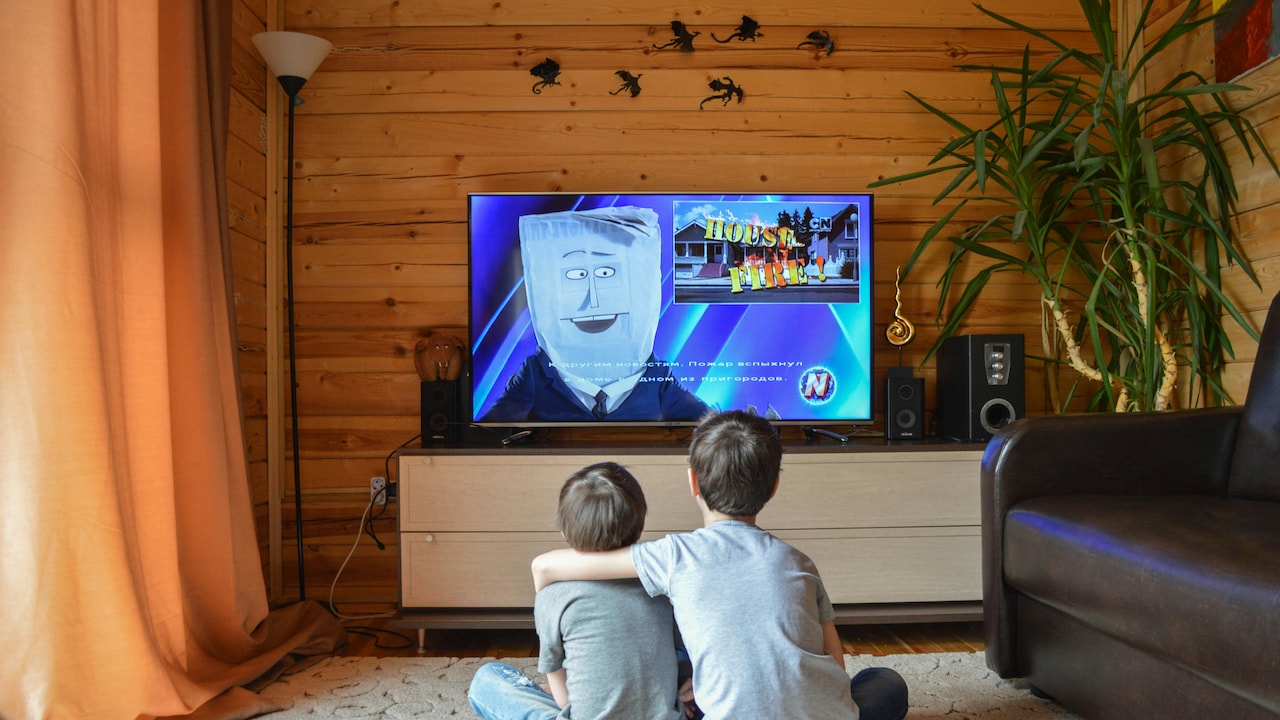
Some updates can cause lagging issues in TVs with time; Photo Credit: Pexels
Remote Response Delays Often Begin In Software
Nothing exposes television lag faster than a delayed remote response. Press a button once, nothing happens. Press again, and suddenly the volume jumps from 12 to 32, and everyone in the room panics.
Many people blame weak infrared sensors or cheap remotes, but software processing delays usually create the real issue.
Modern televisions no longer treat remote commands as simple actions. The operating system processes animations, app responses, recommendation engines, and background services simultaneously before reacting to input. If the software becomes overloaded, even basic commands feel delayed.
Bluetooth remotes introduce additional complexity. Pairing issues, software conflicts, and background connectivity checks sometimes slow communication further. The remote itself may function perfectly while the operating system struggles to interpret commands quickly.
This explains why restarting a sluggish television often improves remote responsiveness temporarily. Rebooting clears overloaded software processes and restores smoother operation for a while.
Gaming modes reveal the difference clearly. Many televisions reduce software effects dramatically during gaming to minimise input lag. Suddenly, the system feels faster because unnecessary processing steps disappear.
Households often mistake this problem for a hardware failure. They replace batteries repeatedly, smack remotes against cushions dramatically, or buy universal replacements from electronics markets. Meanwhile, the real culprit continues hiding within overloaded software.
A responsive television creates comfort. A laggy one creates irritation surprisingly quickly. Nobody wants to negotiate with a home screen every evening after surviving traffic, deadlines, and summer heat outside.
Software responsiveness shapes emotional satisfaction more than people realise.
Advertisements Quietly Increase TV Lag
Smart television advertisements have become impossible to ignore. Sponsored banners, autoplay trailers, promoted apps, and targeted recommendations now dominate many home screens.
These advertisements do more than annoy viewers. They actively consume system resources.
Whenever the television loads promotional content, the software retrieves data, refreshes visuals, tracks interactions, and updates recommendations dynamically. All this activity runs alongside normal functions like streaming video or opening apps.
Budget televisions suffer most because of limited memory, which struggles under the extra workload. Navigation becomes slower as the system balances advertisements against user commands.
Some brands even push ads into settings menus or input screens. That means software processes continue operating constantly, even during basic navigation tasks.
The irony feels almost comedic. Customers spend ₹50,000 or more on a television, only to receive a laggier experience because the manufacturer wants extra advertising revenue afterwards.
Older televisions without smart software avoided this entirely. They turned on quickly, switched inputs instantly, and displayed content without trying to sell another streaming subscription every few minutes.
Advertising-heavy software environments also increase data usage quietly. Households with limited broadband plans sometimes notice unexpected consumption because televisions keep downloading promotional material in the background.
Several consumers now prefer external streaming devices partly because they offer cleaner interfaces and smoother performance. A lightweight streaming stick connected to an older television occasionally delivers a faster experience than the expensive smart software built directly into newer TVs.
That reality says everything about how badly software priorities shifted in recent years.
Streaming Apps Demand More Power Every Year
Streaming services evolve relentlessly. Interfaces become more animated, recommendations grow smarter, and video formats demand higher processing power. Unfortunately, television ages much more slowly than app expectations.
An LED TV purchased three years ago may suddenly struggle because streaming platforms have become heavier through updates. Netflix, YouTube, Disney+ Hotstar, and Prime Video constantly redesign interfaces and add features. Those improvements benefit newer devices but strain older televisions.
Even browsing thumbnails now requires significant processing. Apps autoplay previews, refresh recommendations dynamically, and analyse viewing patterns continuously. The experience resembles running multiple mini-programmes simultaneously.
Television manufacturers rarely upgrade hardware significantly after purchase. That leaves ageing software environments attempting to keep pace with modern app demands.
The result feels frustratingly familiar. An expensive television starts buffering menus despite strong internet speeds. Opening apps takes longer each month. Switching between platforms becomes sluggish.
External streaming devices often outperform built-in TV software precisely because companies optimise them more aggressively. Dedicated streaming hardware receives focused software support and cleaner interfaces.
Many households eventually stop using the television's native operating system entirely. They connect streaming sticks or gaming consoles instead because external devices feel noticeably faster.
That shift highlights the real issue beautifully. The display hardware remains perfectly usable. The software ecosystem simply cannot keep pace with growing demands efficiently.
Modern televisions increasingly behave like ageing computers trapped inside beautiful screens.
Manufacturers Rarely Focus On Long-Term Performance
Television companies thrive on annual upgrade cycles. Every year introduces brighter displays, thinner bezels, sharper processors, and smarter software. Long-term performance rarely becomes the centrepiece of advertising campaigns.
Manufacturers optimise heavily for showroom impressions because first impressions sell products. Smooth demo loops, vibrant visuals, and flashy interfaces create excitement during quick retail visits. Long-term stability matters less during that brief decision-making moment.
Software maintenance, therefore, receives inconsistent attention after launch. Budget and mid-range televisions often receive fewer optimisation updates because brands focus resources on newer models.
Consumers experience the consequences slowly. Performance declines gradually enough that many people adapt without noticing immediately. Menus become slightly slower. Apps take a few extra seconds. Remote responses feel marginally delayed.
Then one evening, frustration suddenly boils over while waiting for a streaming app to open during a cricket match.
Some brands handle software support better than others, but the industry overall still prioritises expansion over refinement. Adding new features attracts headlines. Improving memory management rarely does.
This pattern mirrors broader consumer technology trends. Products increasingly launch with ambitious software ecosystems but receive uneven long-term optimisation afterwards.
Televisions once lasted comfortably for a decade without major usability concerns. Today, many smart TVs begin feeling outdated long before the display hardware actually deteriorates.
The software age transformed televisions from stable appliances into constantly evolving digital platforms. That shift introduced convenience, but also instability.
Simpler Software Often Creates Better Experiences
Not every television suffers from unbearable lag. Some models feel consistently smooth because their software stays focused and restrained.
Simpler interfaces usually perform better. Lightweight operating systems reduce background activity, minimise visual clutter, and prioritise responsiveness over flashy presentation. The difference becomes obvious immediately during daily use.
Several viewers now actively seek televisions with cleaner software experiences rather than endless smart features. Fast navigation, reliable streaming, and stable performance matter more than gimmicky extras that nobody uses after the first week.
External streaming devices strengthened this mindset further. Many households happily pair simpler televisions with dedicated streaming hardware for better long-term flexibility.
The approach makes practical sense. A display panel should excel at displaying content first. Software should support that experience quietly rather than constantly competing for attention.
There is also something oddly comforting about technology that simply works without drama. Nobody wants a television behaving like an overenthusiastic salesperson every time it turns on.
The smartest software often stays invisible. It responds instantly, avoids clutter, and lets viewers focus entirely on entertainment rather than system management.
As consumers become more aware of software-related lag, buying decisions may gradually shift. Smooth long-term usability could eventually matter more than endless feature lists printed across giant retail banners.
Until then, many households will continue discovering the same frustrating truth after purchase: the hardware inside the television was never the biggest problem.
Products Related To This Article
1. TCL 189 cm (75 inches) Metallic Bezel Less Series 4K Ultra HD Smart LED Google TV
2. Samsung 108 cm (43 inches) FHD Smart LED TV
3. Toshiba 139 cm (55 Inches) 4K Ultra HD Smart QLED TV
4. VW 101 cm (40 inches) Spectra Series Full HD Smart QLED Android TV
5. Acer 100 cm (40 inches) Ultra I Series FHD Smart LED Google TV
6. Philips 108 cm (43 inches) 6100 Series Frameless Full HD Smart LED Google TV
7. SANSUI 127cm (50) 4K QLED Google TV with Dolby Vision
LED TV lag rarely comes down to hardware alone anymore. Modern televisions possess enough raw capability to handle everyday viewing comfortably. The real challenge emerges from overloaded software ecosystems chasing features, advertisements, partnerships, and constant engagement.
Operating systems grew bloated. Streaming apps became heavier. Background services multiplied quietly. Meanwhile, optimisation often failed to keep pace.
The result leaves many households wondering why a premium television responds more slowly than devices costing a fraction of the price. Menus freeze, apps crawl, and remotes feel unreliable, not because the display technology failed, but because the software environment became unnecessarily crowded.
Ironically, the smartest televisions sometimes behave least intelligently during daily use.
Consumers now face a different kind of buying decision. Picture quality still matters, but software experience matters just as much. A fast, clean interface often creates greater long-term satisfaction than another flashy feature nobody requested.
At its core, a television should make evenings feel relaxing. It should not require patience, troubleshooting, or ritualistic remote tapping just to open a streaming app. Sometimes, simpler software delivers the smartest experience of all.
(Disclaimer: This article may include references to or features of products and services made available through affiliate marketing campaigns. NDTV Convergence Limited (“NDTV”) strives to maintain editorial independence while participating in such campaigns. NDTV does not assume responsibility for the performance or claims of any featured products or services.)