Common Mistakes In Buying Tripods And Key Design Elements That Ensure Reliable Stability
Cheap tripods often promise stability but deliver frustrating shakes. Discover the overlooked features that truly matter, from leg locks to weight capacity, so every shot stays sharp and steady.
Cheap Tripods Shaking Too Much? Stability Features Beginners Miss
Every beginner photographer reaches that stage. The excitement builds, the camera feels ready, and the next obvious purchase seems to be a tripod. After all, stable shots, smooth videos, and crisp low-light images sound brilliant. Then comes the tempting flood of cheap options online, often priced lower than a family dinner takeaway. They look convincing in pictures, boast impressive height, and claim professional quality. Reality, however, often arrives with a wobble. A lightweight tripod that shakes during a simple outdoor shoot can quickly become more irritating than useful. Slight wind, uneven ground, or even pressing the shutter button can create vibrations strong enough to ruin a shot. For beginners, this often leads to blaming camera settings or technique, when the real culprit stands right under the camera.
Cheap Tripods Shaking Too Much? Stability Features Beginners Miss
Photo Credit: Pexels
The difference between a frustrating tripod and a dependable one often lies in small stability features many first-time buyers completely miss. Marketing tends to focus on affordability and portability, while practical design elements remain hidden in specifications that few people read carefully.
Choosing wisely does not always mean spending a fortune. It simply means knowing what matters. A well-selected tripod can last years, while a poor one often ends up gathering dust behind a cupboard.
For anyone tired of shaky shots, understanding these hidden stability essentials can make all the difference.
Stability Features Beginners Often Overlook
Material Matters More Than Most Realise
At first glance, most tripods appear fairly similar. Three legs, a mounting plate, and adjustable height. Yet the material used in construction dramatically changes stability. Cheap tripods often rely on thin aluminium or weak plastic joints. While these may reduce cost, they also increase vibration and flex.
A beginner may feel thrilled buying a tripod for ₹999, only to discover that the legs quiver like a ceiling fan on full speed whenever touched. Plastic components, especially around locking points, wear out quickly and loosen over time.
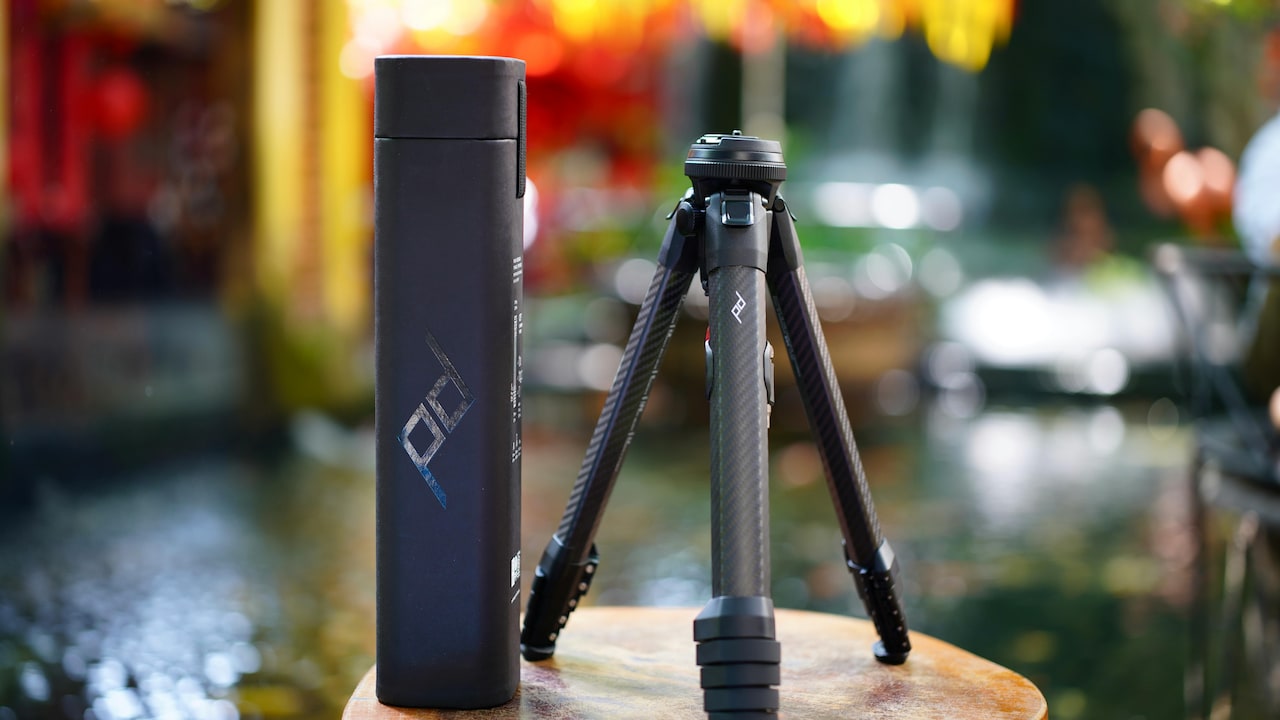
Heavier aluminium alloys or entry-level carbon fibre models usually offer better rigidity. Carbon fibre costs more, but even sturdy aluminium can outperform flimsy budget designs by a huge margin. The extra weight can actually improve stability, especially during outdoor shoots.
This does not mean the heaviest option always wins, but stronger build quality matters immensely. A tripod should feel solid rather than hollow. Checking leg thickness and joint quality often reveals far more than flashy product descriptions.
Leg Lock Design Can Make Or Break Stability
Many beginners focus on maximum height but ignore leg lock mechanisms. This oversight often leads to disappointment. The leg locks secure each section, and poor-quality locks can create subtle movement that affects image sharpness.
Flip locks are generally faster to use and easier to inspect visually. Twist locks can also work well, but cheaper versions often loosen with repeated use. If a leg slips even slightly, stability drops significantly.
Weak locks also become frustrating during long shoots. Imagine setting up for a sunset shot, only for one leg to sink gradually into itself like an exhausted cricket stump. Precision disappears instantly.
Reliable locks should snap or tighten securely without excessive force. Metal reinforcements usually last longer than plastic. Testing lock consistency across all legs helps identify whether a tripod will remain dependable over time.
A stable tripod depends heavily on strong, consistent locking systems. This feature rarely dominates advertisements, but it quietly determines whether a tripod performs well or becomes a source of endless annoyance.
Centre Columns Often Cause More Harm Than Good
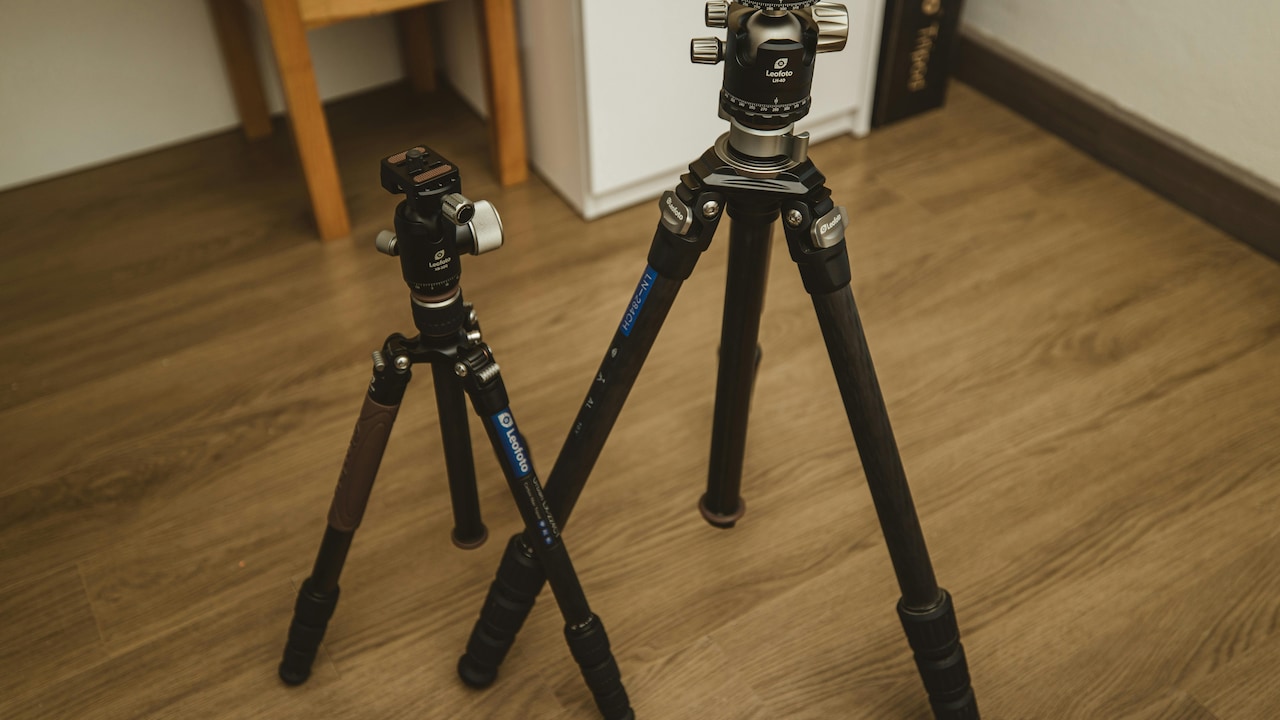
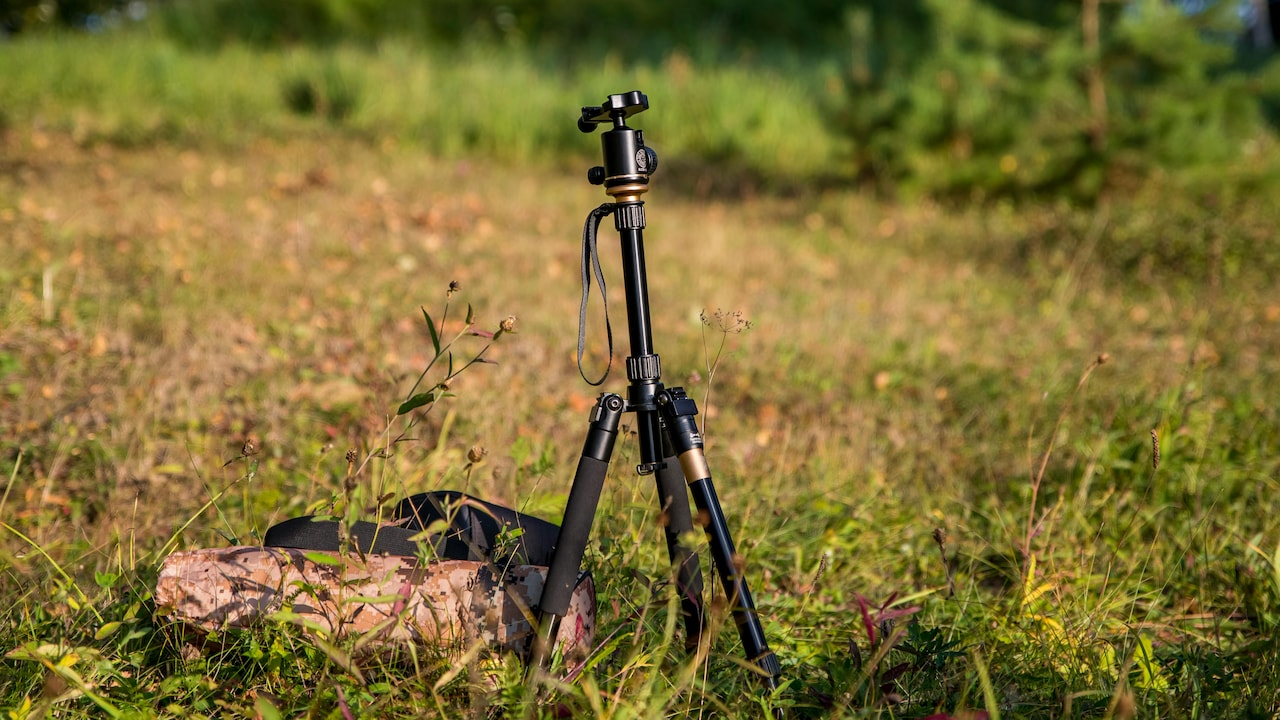
A tall centre column may sound useful, especially for extra height, but it often introduces instability. Many budget tripods extend height through long centre columns instead of stronger leg structures. This creates a narrow vertical extension that behaves almost like balancing a camera on a stick.
The higher the column rises, the more the vibration increases. Even slight handling can cause swaying. For beginners shooting cityscapes, portraits, or product photos, this can seriously reduce sharpness.
Keeping the centre column low improves balance significantly. Better tripod designs prioritise sturdy leg spread over excessive column extension. Some advanced models even include hook systems for adding counterweight, such as a camera bag.
While maximum height looks impressive on product listings, practical stability matters more. A tripod with shorter but sturdier support often delivers far better results than one chasing unnecessary height.
Many buyers learn this lesson after ruined night shots and frustrating motion blur. Stability should always outweigh marketing promises.
Also Read: Best Travel Tripods: How To Pick Lightweight And Stable Options For Photography Anywhere
Tripod Weight Capacity Should Never Be Ignored
Manufacturers love listing broad compatibility, but actual load capacity tells the real story. A tripod may technically hold a DSLR, but “holding” does not guarantee stability.
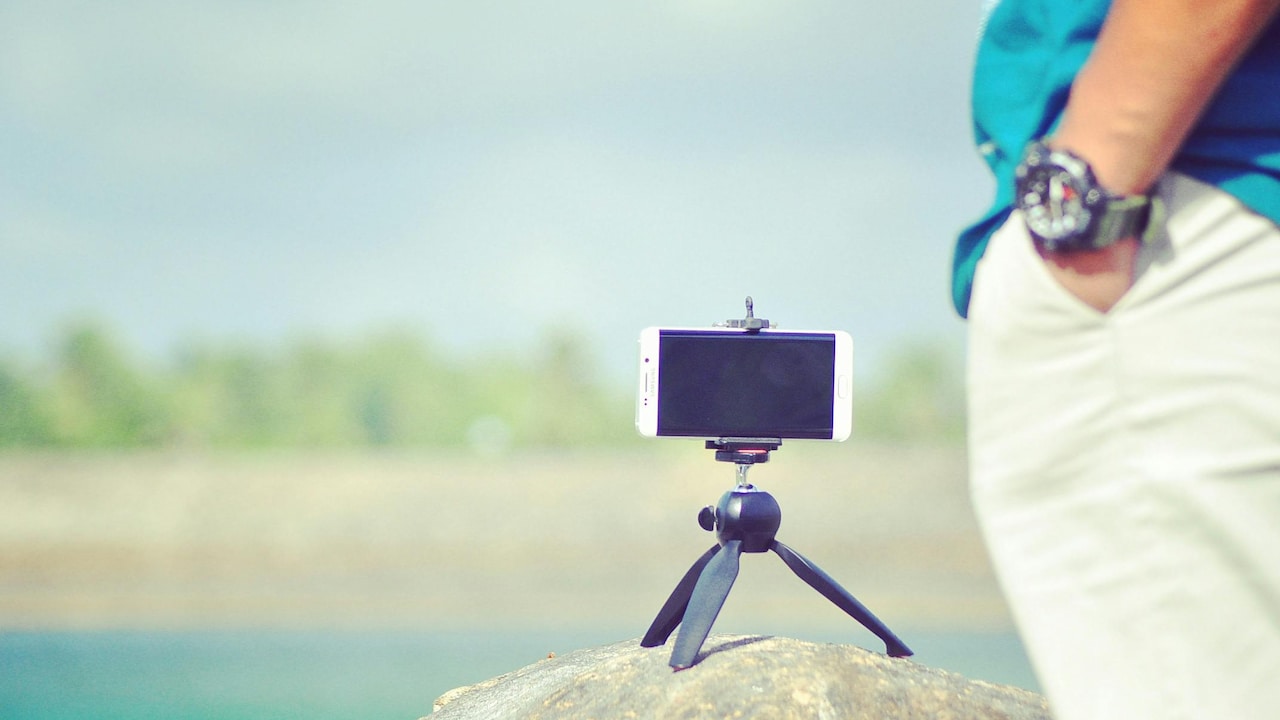
Cheap tripods often exaggerate weight limits. Mounting heavier gear near the maximum rated load can strain joints, weaken locks, and amplify wobble. Even smartphone users adding ring lights, microphones, or larger mounts may face balance issues.
A practical rule is choosing a tripod rated for at least double the intended equipment weight. This safety margin improves overall steadiness and extends product life.
For example, a setup weighing 2 kg should ideally sit on a tripod rated for 4 kg or more. This prevents overloading and maintains structural confidence.
Ignoring weight ratings can result in sagging heads, sudden tipping, or worse, damaged equipment. Saving ₹1,000 upfront feels far less satisfying when replacing a cracked lens later.
Proper capacity ensures smoother operation and protects valuable gear from preventable accidents.
Cheap Tripods Shaking Too Much? Stability Features Beginners Miss
Photo Credit: Pexels
Feet Grip Is Crucial On Real Surfaces
Indoor floors can be forgiving, but outdoor conditions quickly expose a poor tripod feet design. Beginners often overlook foot grip completely, despite its huge impact on real-world stability.
Cheap tripods may use hard plastic feet that slide on tiles, polished surfaces, or rocky terrain. This creates unpredictable movement and weakens support. Rubberised feet offer far better traction for general use.
Some better models also include retractable spikes for soil, grass, or uneven outdoor locations. This added versatility can make a dramatic difference during travel or landscape photography.
A shaky tripod on slippery flooring can feel like trying to balance during monsoon season in worn-out sandals. Stability vanishes quickly.
Examining foot design may seem minor, but reliable ground contact forms the foundation of every stable shot. Without proper grip, even expensive camera gear becomes vulnerable.
Solid footing transforms tripod performance, especially in unpredictable shooting environments.
Head Quality Deserves Equal Attention
Many first-time buyers obsess over tripod legs but forget the tripod head. This component controls camera positioning, movement, and locking precision.
A poorly made head can introduce drift, where the camera slowly tilts after adjustment. This becomes particularly frustrating for video creators, long exposure photographers, or anyone seeking framing accuracy.
Ball heads offer flexibility but require strong locking mechanisms. Pan-tilt heads provide better control for beginners, especially during careful composition.
Cheap plastic heads often struggle under moderate weight, leading to jerky movement and weak support. Metal heads generally offer superior durability and smoother handling.
A stable base means little if the camera mount itself wobbles.
Reliable head performance improves not just stability but also shooting confidence. Framing should feel precise rather than like negotiating with stubborn furniture.
Investing attention here often separates enjoyable shooting experiences from constant readjustment.
Leg Angle Adjustments Improve Ground Stability
Tripods are not just for standing tall. Leg angle flexibility allows wider stances, lower shooting positions, and improved balance on uneven surfaces.
Budget models sometimes offer limited angle options, reducing adaptability. This can create awkward setups on stairs, slopes, or rough terrain.
Wider leg spreads lower the centre of gravity and enhance overall steadiness. Product photography, macro shots, and creative low-angle compositions especially benefit from this feature.
Without flexible angles, users may force unstable positioning, risking slips or toppling gear.
This feature rarely receives headline attention, yet it adds tremendous practical value. A tripod that adapts easily to surroundings becomes far more reliable across different scenarios.
For beginners exploring varied photography styles, adjustable leg angles provide both creative freedom and improved security.
Wind Resistance Is A Serious Factor Outdoors
Outdoor photography introduces an entirely different challenge: wind. Even light breezes can affect lightweight, poorly balanced tripods.
Budget models often prioritise portability so aggressively that they sacrifice stability. Thin legs and weak structures become vulnerable to vibration.
Features like wider leg diameters, weight hooks, and lower centre profiles improve wind resistance significantly. Hanging a backpack beneath the centre can add helpful ballast.
Without these features, capturing sharp long exposures near beaches, hills, or open spaces becomes frustrating.
Anyone who has attempted sunset photography near coastal promenades knows that even a gentle gust can ruin perfect framing.
Choosing a tripod designed to handle outdoor movement ensures better versatility and fewer disappointing results.
A slightly heavier tripod may feel less convenient during travel, but dependable stability often proves worth every extra gram.
Quick Release Plates Need Secure Engineering
Quick release systems sound convenient, and they are. However, poor design can compromise safety and stability.
Cheap mounting plates may feel loose or poorly aligned. This introduces micro-movements and increases the risk of accidental slips.
Secure plates should lock firmly with minimal play. Metal construction generally outperforms fragile plastic alternatives.
A weak quick release plate can undermine the entire tripod system, regardless of leg quality. Stability starts at the connection point between the camera and the support.
Beginners often underestimate this small detail until equipment shifts unexpectedly mid-shoot.
Reliable engineering here provides faster workflow and greater peace of mind. Confidence matters when expensive gear sits mounted above hard surfaces.
Paying attention to this feature can prevent costly accidents and improve shooting consistency.
Cheap Tripods Shaking Too Much? Stability Features Beginners Miss'
Price Alone Rarely Reflects Real Value
The cheapest tripod is not always the best bargain, and the most expensive option is not automatically necessary. Real value comes from balancing cost with essential stability features.
A thoughtfully chosen tripod in the ₹3,000 to ₹7,000 range often delivers significantly better long-term satisfaction than ultra-budget alternatives.
Beginners should focus less on flashy packaging and more on structural quality, locking reliability, weight support, and practical usability.
Buying poorly often leads to replacement costs, frustration, and compromised photography growth. Spending slightly more initially can actually save money over time.
A dependable tripod becomes a creative tool rather than an obstacle. It supports progress, builds confidence, and protects equipment.
Good photography relies on stability as much as creativity. Ignoring that truth often leads to blurry lessons.
Products Related To This Article
1. DIGITEK® (DTR 550 LW) 67 Inch Foldable Tripod Stand with Phone Holder & 360° Ball Head
2. Tygot Lightweight & Portable 7 Feet (84 Inch) Long Tripod Stand with Adjustable Mobile Clip Holder for All Mobiles & Cameras
3. SOOPII 3-in-1 Selfie Stick with Bluetooth Remote
4. Syvo WT 3130 Aluminum Tripod (133CM)
5. Kreo Stayble Tripod Stand with Mobile Phone Holder for Mobile Phone
6. S1 Selfie Stick Tripod Mobile Stand
7. Selfie Stick with Tripod Stand
A tripod may seem like a simple accessory, but its impact on photography quality is enormous. Beginners often fall into the trap of prioritising low prices and impressive marketing over meaningful stability features. Unfortunately, shaky legs, weak locks, unstable centre columns, and poor materials can turn that bargain into a constant frustration. Understanding what truly matters changes everything.
Strong materials, secure leg locks, sensible weight capacity, reliable feet grip, and solid head construction all contribute to better results. These features may not sound glamorous, but they directly influence image sharpness, equipment safety, and overall shooting confidence.
Photography should feel rewarding, not like wrestling with unstable hardware.
Choosing a tripod with practical stability in mind does not require overspending. It simply demands smarter buying decisions. For beginners building skills, this knowledge can prevent wasted money and improve creative outcomes from day one.
In the end, the right tripod does more than hold a camera steady. It supports better storytelling, sharper memories, and a far smoother journey into photography.
(Disclaimer: This article may include references to or features of products and services made available through affiliate marketing campaigns. NDTV Convergence Limited (“NDTV”) strives to maintain editorial independence while participating in such campaigns. NDTV does not assume responsibility for the performance or claims of any featured products or services.)