Silence Matters: When Noise Cancellation Headphones Truly Deliver Results
Noise cancellation headphones promise peace in a noisy world, but when do they truly work? This article explores real-life situations where silence enhances travel, work, music, and mental well-being.
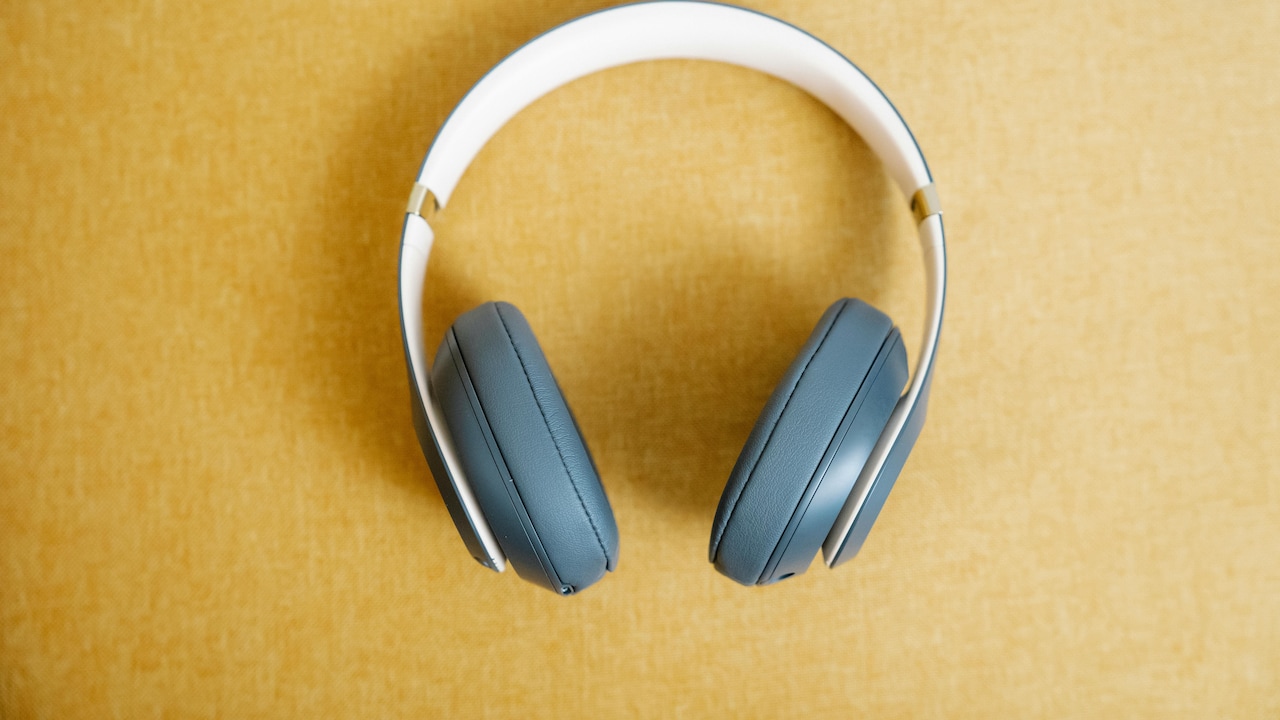
When Noise Cancellation Headphones Really Work: Real-Life Benefits, Uses And Buying Insights.
Silence once arrived naturally. Early mornings carried birdsong instead of traffic horns, and evenings ended without endless notifications. Today, sound follows everywhere. Local trains roar, office chatter hums constantly, cafés overflow with conversations, and construction seems permanently underway. Noise no longer stays outside; it travels into focus, mood, and productivity.
Against this backdrop, noise-cancellation headphones entered the market with almost magical promises. Advertisements suggest instant peace at the flick of a switch. Slip them on, and the world fades away. Yet reality feels more nuanced. Some users swear by them during long commutes or flights, while others wonder why expensive headphones struggle to silence sudden honks or loud conversations.
The truth sits somewhere between expectation and experience. Noise cancellation does not erase sound; it reshapes how sound reaches the brain. Understanding when these headphones truly deliver results helps buyers avoid disappointment and discover moments where silence feels transformative rather than gimmicky.
This exploration looks beyond technical jargon. It focuses on everyday situations, relatable habits, and practical experiences that reveal how, when, and why noise cancellation works best in real life.
When Silence Matters: When Noise Cancellation Headphones Deliver Results; Photo Credit: Pexels
Where Noise Cancellation Proves Its Worth
The Science Behind Quiet: More Than Just Blocking Sound
Noise cancellation often sounds like a fancy version of earplugs, yet the technology behaves very differently. Instead of physically blocking sound, microphones detect external noise and generate opposite sound waves that cancel it out before reaching the ears. The process happens in milliseconds, creating a calmer listening environment without increasing volume.
This system excels with predictable, continuous sounds. The steady hum of an air conditioner, the drone of an aircraft engine, or the rhythmic rumble of metro tracks becomes significantly softer. Sudden sounds, however, behave differently. A nearby conversation or an unexpected horn cuts through because the system cannot predict irregular noise instantly.
Many first-time users expect absolute silence and feel disappointed. The real benefit lies elsewhere. Noise cancellation reduces listening fatigue. Music plays clearly at lower volumes, which protects hearing over time. Conversations during calls feel sharper because background noise fades into the background rather than competing for attention.
Understanding this science changes expectations. These headphones do not create a vacuum of silence; they create controlled calm. Once that distinction becomes clear, the technology starts to feel less like marketing hype and more like a practical everyday tool.
Commutes And Chaos: Finding Calm On The Move
Daily travel presents one of the strongest cases for noise cancellation. Anyone who has spent an hour in traffic understands how exhausting constant noise can feel. Engines idle impatiently, vendors call out, notifications ping endlessly, and conversations overlap in confined spaces.
Noise cancellation headphones turn this chaos into something manageable. The steady sounds of buses, trains, or traffic soften dramatically, allowing podcasts or playlists to sound balanced instead of drowned out. A commuter listening at 40 per cent volume often hears more detail than someone using regular earphones at full blast.
The emotional shift proves just as important as the acoustic one. A stressful journey begins to feel like personal time. Audiobooks transform crowded spaces into quiet reading corners. Favourite songs regain clarity, making even delayed journeys feel less frustrating.
However, awareness still matters. Complete isolation during busy crossings or platform announcements can create safety risks. Many modern headphones include transparency modes that allow environmental sounds when needed, striking a balance between calm and caution.
During long commutes, the value becomes clear. Noise cancellation does not change traffic, but it changes how that traffic feels.
Also Read: Active Noise Cancellation Headphones: Why They Cause Pressure, Fatigue, And Discomfort
Work From Anywhere: Productivity In A Noisy World
Remote work reshaped daily routines, yet silence rarely accompanies working from home. Pressure cooker whistles, neighbourhood repairs, television sounds from another room, and delivery bells compete for attention. Concentration becomes fragile.
Noise-cancellation headphones create a psychological boundary. The moment they go on, the brain recognises a shift into work mode. Background distractions fade, making tasks feel less scattered. Video calls sound clearer, and voices remain intelligible even when the surroundings stay lively.
Students preparing for competitive exams often describe similar benefits. Instead of searching endlessly for quiet spaces, they carry silence with them. Libraries, cafés, or shared homes suddenly feel workable.
Yet productivity gains do not come purely from technology. The sense of intentional listening matters. Wearing headphones signals focus, discouraging interruptions and reinforcing discipline.
Interestingly, some users report improved creativity rather than just concentration. Reduced background noise lowers cognitive load, allowing ideas to flow more freely. Writing, coding, or designing feels less draining.
Noise cancellation becomes less about escaping sound and more about reclaiming attention, a resource increasingly scarce in modern life.
Flights, Long Journeys, And The Magic Of Continuous Noise Reduction
Few environments demonstrate the power of noise cancellation better than flights. Aircraft cabins produce a persistent low-frequency hum that tires passengers without them realising why. After several hours, fatigue settles in despite minimal activity.
Noise cancellation headphones dramatically reduce this constant drone. Music sounds fuller, films feel immersive, and sleep becomes easier even during long-haul travel. Many travellers notice reduced headaches and less exhaustion upon arrival.
The benefit extends beyond comfort. Lower listening volumes prevent ear strain, especially during extended journeys lasting eight to ten hours. Frequent flyers often consider noise cancellation essential rather than luxurious.
Train journeys share similar advantages. Overnight routes, once filled with rattling tracks and corridor noise, become far more restful. Passengers drift into sleep more easily when repetitive sounds fade into softness.
For travellers investing ₹15,000 or more in quality headphones, flights often justify the expense alone. One peaceful journey can change perceptions entirely, transforming what once felt draining into something surprisingly restorative.
In these environments, noise cancellation performs exactly as promised, delivering measurable and immediate relief.
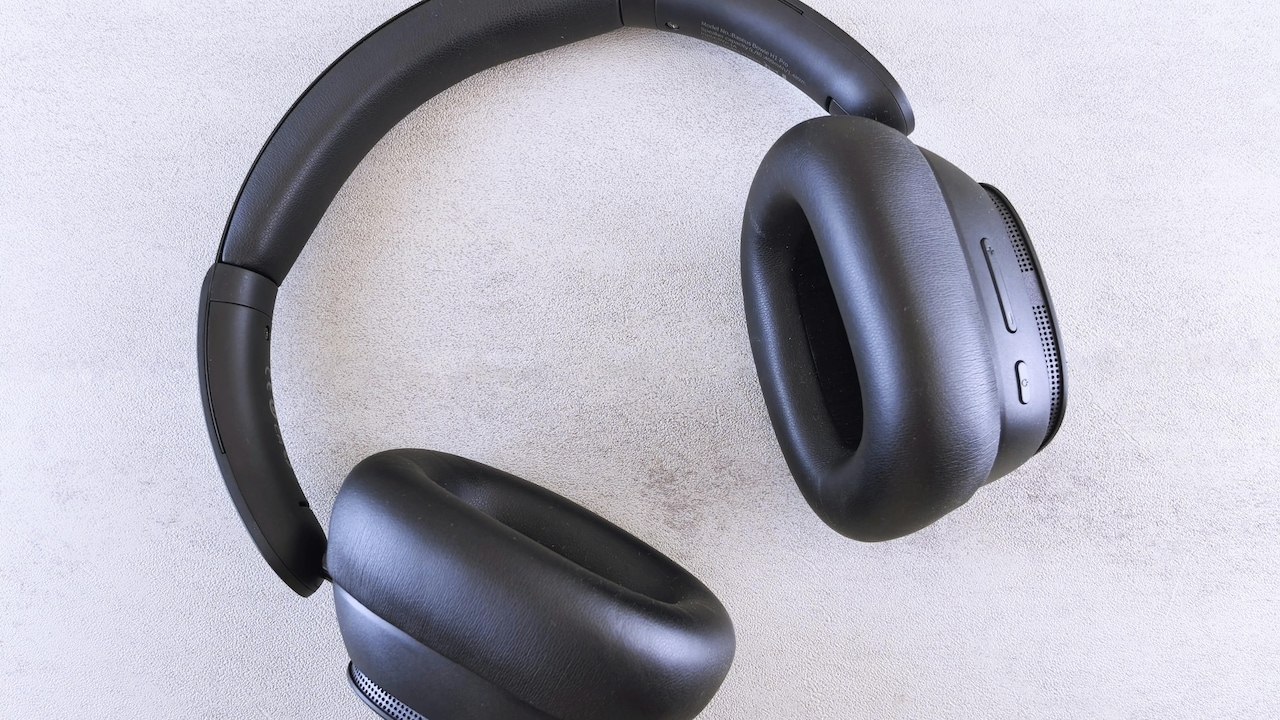
When Silence Matters: When Noise Cancellation Headphones Deliver Results; Photo Credit: Pexels
Music Listening: Hearing Details That Were Always There
Many listeners rediscover favourite songs after trying noise-cancellation headphones. Instruments previously buried beneath background noise suddenly appear with clarity. Subtle bass lines, backing vocals, and delicate acoustic textures come forward.
The improvement does not come solely from better audio hardware. Reduced environmental noise allows the brain to focus entirely on the music. Even mid-range headphones sound richer because fewer external sounds compete for attention.
Listeners often notice emotional differences as well. Music feels more immersive, almost cinematic. A late-night playlist during a quiet walk becomes deeply personal rather than merely entertaining.
Importantly, noise cancellation discourages excessive volume levels. Without external noise forcing louder playback, listeners protect hearing while enjoying better sound quality. This subtle health benefit often goes unnoticed, yet matters significantly over the years of use.
However, audiophiles sometimes prefer switching noise cancellation off in already quiet rooms, as the feature can slightly alter sound signatures. The best experience depends on context rather than constant activation.
When used thoughtfully, noise cancellation transforms listening from background activity into intentional enjoyment.
Mental Wellbeing: The Unexpected Emotional Benefit
Constant noise affects mood more than most people realise. Studies frequently link prolonged exposure to loud environments with stress, irritability, and fatigue. Even moderate noise levels can prevent true mental rest.
Noise cancellation headphones offer moments of calm that feel surprisingly therapeutic. A short listening session after a hectic day can reset emotional balance. Guided meditation apps, ambient sounds, or simple silence become easier to engage with when distractions fade.
Many users describe a sense of personal space returning, especially in crowded environments. Instead of reacting to every surrounding sound, the mind relaxes into a controlled auditory environment.
This benefit proves especially valuable during long workdays or emotionally draining commutes. Ten minutes of quiet music often feels equivalent to a brief mental break.
Of course, headphones cannot replace genuine rest or meaningful downtime. Yet they create pockets of calm within otherwise noisy schedules. In a world that rarely stops talking, choosing when to listen and when to soften sound becomes a form of self-care rather than indulgence.
When Noise Cancellation Falls Short
Despite impressive capabilities, noise cancellation does not perform miracles. High expectations often lead to disappointment when sudden noises remain audible. Human speech, crying children, or abrupt sounds still break through because they vary unpredictably.
Wind noise outdoors also challenges many models. Walking along breezy streets may produce unwanted audio artefacts as microphones struggle to interpret airflow. Cheaper headphones sometimes amplify this issue, making outdoor use less pleasant.
Another limitation appears during conversations. Wearing strong noise cancellation while interacting socially can feel isolating or even rude if awareness drops too far. Transparency modes help, yet switching frequently requires habit.
Battery dependence presents another practical concern. Noise cancellation consumes power, meaning forgotten charging sessions reduce functionality during critical moments like travel.
Understanding these limitations prevents unrealistic expectations. Noise cancellation works best as an enhancement rather than an elimination. Accepting imperfection allows users to appreciate strengths instead of focusing solely on shortcomings.
Technology succeeds most when matched with the right environment.
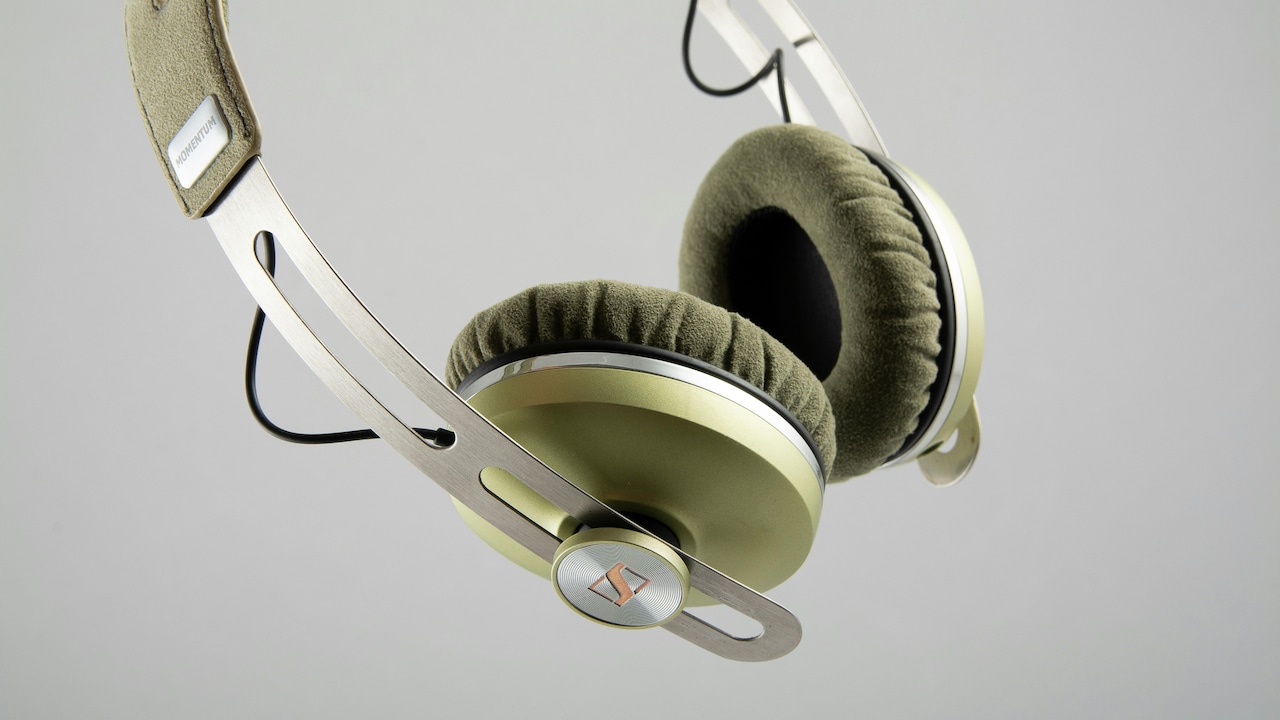
When Silence Matters: When Noise Cancellation Headphones Deliver Results; Photo Credit: Pexels
Choosing Value Over Hype: Price Versus Performance
The headphone market ranges from ₹3,000 budget options to premium models exceeding ₹35,000. Higher price tags often promise superior silence, yet value depends on usage rather than branding alone.
Premium models typically deliver stronger noise reduction, better comfort, and longer battery life. Frequent travellers or remote workers benefit most from these upgrades. For occasional listeners, mid-range options often provide sufficient performance without excessive spending.
Comfort matters as much as sound quality. Lightweight designs reduce fatigue during extended sessions, while cushioned ear cups improve passive noise isolation alongside active cancellation.
Buyers sometimes chase specifications without considering daily habits. Someone using headphones primarily during short commutes may gain little from top-tier models. Conversely, professionals spending hours in calls might justify higher investments easily.
Testing headphones whenever possible remains crucial. Fit, pressure, and sound preference vary widely between individuals.
The best purchase rarely equals the most expensive option. Instead, it aligns technology with real-life routines, ensuring the investment enhances everyday experiences rather than gathering dust in a drawer.
The Social Side Of Silence
Headphones quietly reshape social behaviour. Wearing noise cancellation signals unavailability, creating invisible boundaries in shared spaces. This effect proves both helpful and complicated.
In offices or co-working spaces, headphones discourage interruptions, improving focus. Yet they can also reduce spontaneous conversations that build relationships. Balance becomes essential. Removing headphones during collaborative moments preserves connection while maintaining personal productivity.
Public spaces present similar dynamics. Travellers often retreat into private listening worlds, reducing casual interactions once common during journeys. Some welcome this privacy, while others miss the shared humour of overheard conversations.
Families sometimes notice subtle changes, too. A person wearing headphones regularly may appear distant even while physically present. Conscious listening habits help maintain emotional closeness.
Noise cancellation, therefore, influences more than sound. It reshapes how people engage with their surroundings and each other. Used thoughtfully, it creates healthy boundaries without disconnecting entirely from community life.
Silence, after all, works best when chosen deliberately rather than imposed constantly.
The Future Of Personal Audio And Intelligent Silence
Noise cancellation technology continues evolving rapidly. Modern headphones already adapt automatically to surroundings, adjusting levels depending on location or activity. Future designs promise even smarter features.
Artificial intelligence may soon distinguish between important and unimportant sounds. Imagine headphones that mute traffic noise while allowing announcements or familiar voices through seamlessly. Early versions already hint at this direction.
Battery efficiency improves each year, reducing charging anxiety. Lightweight materials and ergonomic designs also make extended wear more comfortable, encouraging healthier listening habits.
As cities grow louder and digital lives become busier, demand for personal quiet spaces will likely increase. Silence may become a customised experience rather than an environmental condition.
Yet the core appeal will remain simple. People seek moments of clarity amid constant stimulation. Technology succeeds when it supports human needs rather than overwhelming them with complexity.
Noise cancellation headphones represent a step toward intentional listening, where individuals decide how much of the world they hear at any given moment.
Products Related To This Article
1. Sony WH-CH720N, Wireless Over-Ear Active Noise Cancellation Headphones with Mic
2. Noise Master Buds Max, Sound by Bose Wireless Over-Ear Headphones
3. Boat Rockerz 551ANC Bluetooth Hybrid Active Noise Cancellation Over Ear Headphones
4. Sennheiser ACCENTUM Wireless Over Ear Headphones, German Design
5. Sonos Ace | Noise Cancelling Wireless Over-Ear Headphones with Bluetooth, 30-Hour Battery Life
Noise cancellation headphones do not eliminate the world's noise, nor should they. Instead, they reshape how sound interacts with daily life. Their true value emerges in specific moments: long journeys, focused work sessions, immersive music listening, and brief escapes from overwhelming environments.
Understanding when they perform best transforms expectations. Rather than chasing perfect silence, users discover controlled calm, reduced fatigue, and improved listening experiences. The technology shines not because it removes reality but because it softens its harshest edges.
In a society filled with constant sound, silence has become intentional. Choosing when to engage and when to step back restores balance between connection and calm. Noise cancellation headphones succeed precisely at this intersection, where technology meets human need.
When silence matters, these headphones truly deliver results. Not by muting life entirely, but by helping people hear what matters most.
(Disclaimer: This article may include references to or features of products and services made available through affiliate marketing campaigns. NDTV Convergence Limited (“NDTV”) strives to maintain editorial independence while participating in such campaigns. NDTV does not assume responsibility for the performance or claims of any featured products or services.)