Why Do Extension Boards Heat Up? 10 Common Causes And Safety Tips
Extension boards heat up when overloaded or poorly designed. Understanding why this happens helps prevent damage, reduce fire risks and ensure safer use of everyday electrical devices at home.
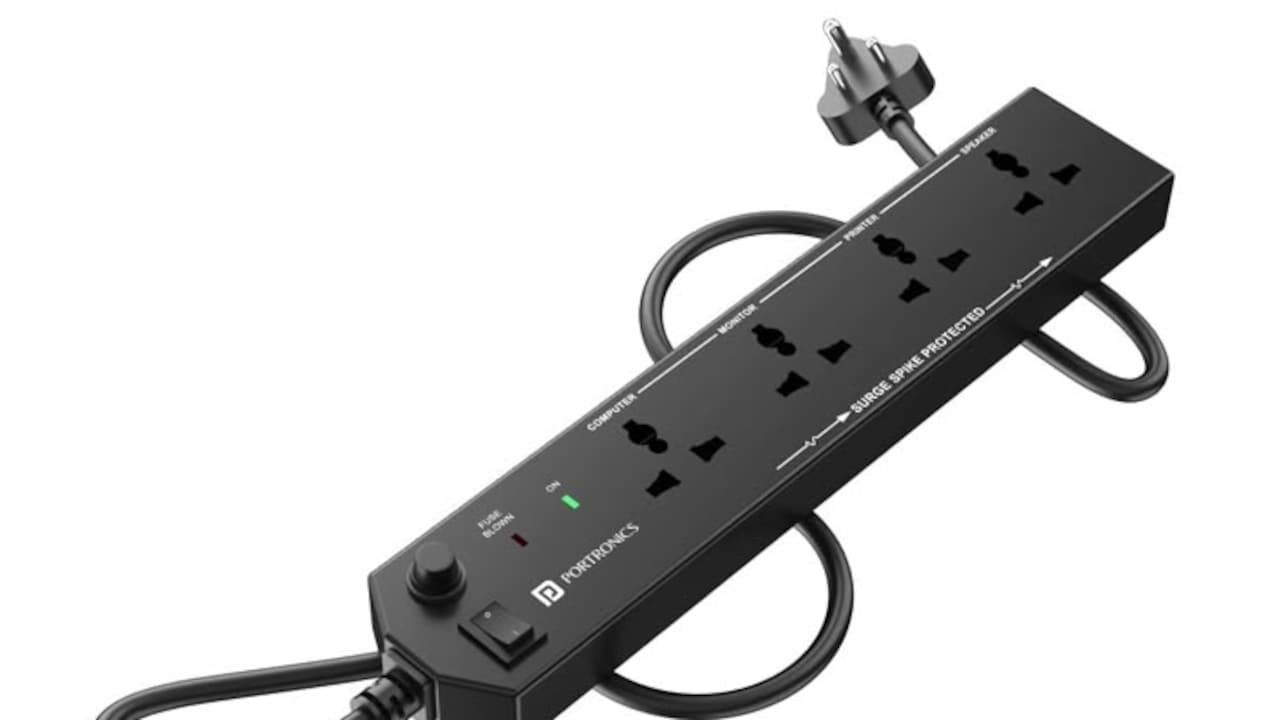
Why Do Extension Boards Heat Up? 10 Common Causes And Safety Tips
Extension boards have quietly become the backbone of modern living. From charging phones and powering laptops to running televisions and kitchen appliances, they juggle multiple responsibilities without complaint, until they do. A faint warmth beneath the fingertips, a slight plastic smell, or a sudden switch-off often sparks curiosity or concern. Electricity feels invisible and effortless, yet it follows strict rules. When too many devices rely on a single extension board, those rules start bending, sometimes dangerously. Think of it like a crowded local train during peak hours. Everything still moves, but pressure builds, discomfort rises, and the risk of trouble increases.
Understanding why extension boards heat up goes beyond curiosity. It helps prevent accidents, saves money on damaged gadgets, and ensures a safer home. The reasons are surprisingly simple once broken down, and they connect directly to everyday habits most people barely notice.
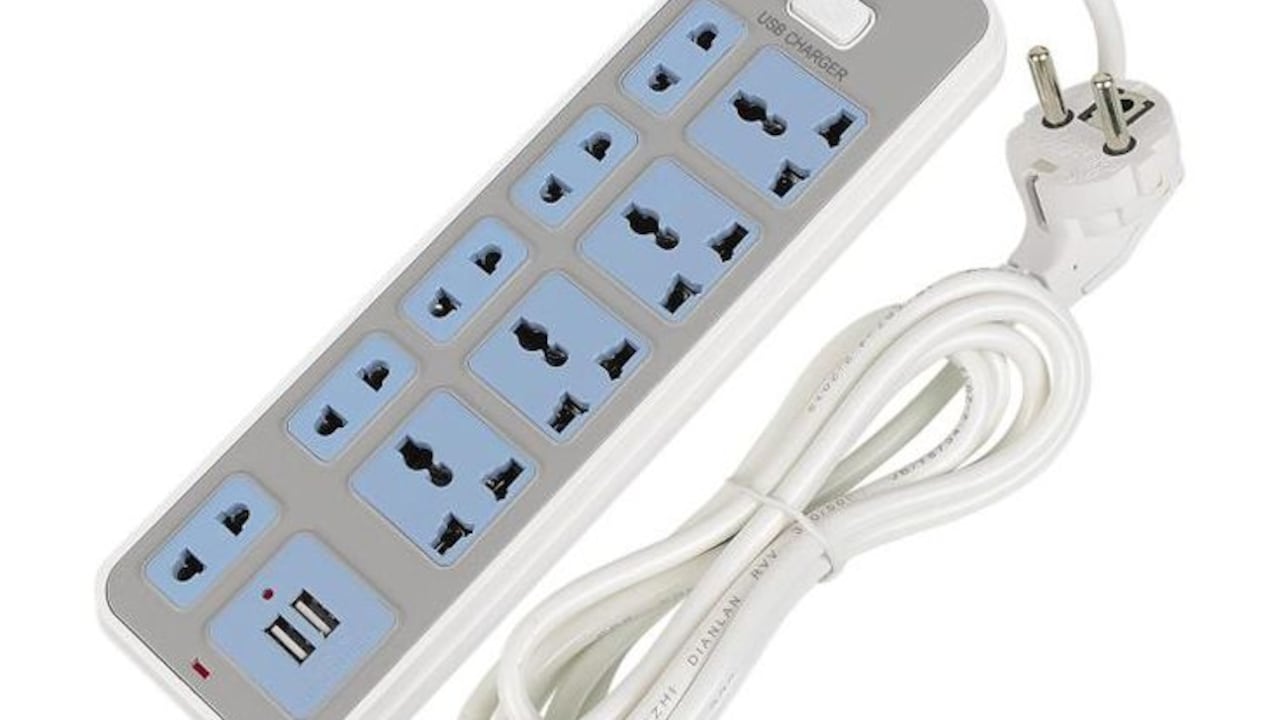
Why Do Extension Boards Heat Up? 10 Common Causes And Safety Tips; Photo Credit: Pexels
Common Reasons Behind Extension Board Overheating
Overloading The Circuit
An extension board has a limit, much like a wallet on a tight budget. Each device plugged in draws power, and when the total demand exceeds what the board can handle, trouble begins. The wires inside struggle to carry the extra current, and resistance turns that excess energy into heat.
Picture plugging in a heater, a microwave, and a laptop charger all into one board. Individually, they work fine. Together, they create a heavy load that pushes the board beyond its safe capacity. The result is warmth, sometimes even alarming heat.
Most extension boards list a maximum load, yet that tiny print rarely gets attention. Ignoring it feels harmless at first, especially when everything appears to function normally. However, the heat generated quietly weakens the internal wiring over time.
This is why high-power appliances deserve direct wall sockets. Extension boards handle lighter tasks better, such as charging devices or running small electronics. Treating them as heavy-duty solutions often leads to overheating.
Poor Quality Materials
Not all extension boards are created equal. Some look sturdy but hide cheap materials inside. Low-quality copper wiring, thin insulation, and substandard plastic casing fail to handle regular electrical loads.
A cheaper extension board might save ₹200 upfront, but it often compromises safety. Inferior wires increase resistance, which naturally produces more heat. Over time, the casing may warp or even melt slightly, creating a hazardous situation.
Many households unknowingly rely on such boards because they appear identical to branded ones. The difference lies beneath the surface. Quality boards use thicker wires and better insulation, ensuring smoother current flow and less heat generation.
That faint burnt plastic smell sometimes noticed near an extension board often traces back to poor materials. It acts as an early warning sign, signalling that the board struggles to cope with demand.
Investing in a reliable extension board may feel unnecessary, yet it prevents long-term risks and avoids costly damage to appliances.
Also Read: 5 Extension Boards For Heavy Appliances Under ₹800
Loose Connections Inside The Board
A secure connection ensures electricity flows smoothly. When internal connections loosen, resistance increases. This resistance generates heat, even when only a few devices plug in.
Loose wiring can develop over time due to regular use. Plugging and unplugging devices repeatedly weakens contact points inside the board. Eventually, the current struggles to pass efficiently, leading to overheating.
The effect resembles a loose tap connection where water leaks instead of flowing properly. Electricity behaves similarly, losing efficiency and creating heat as it passes through unstable joints.
Users often overlook this issue because the board still works. However, the warmth becomes noticeable, especially after prolonged use. In some cases, sparks may appear briefly when plugging in a device.
Regular inspection helps identify such problems early. If an extension board feels unusually warm even with minimal devices, loose connections might be the culprit.
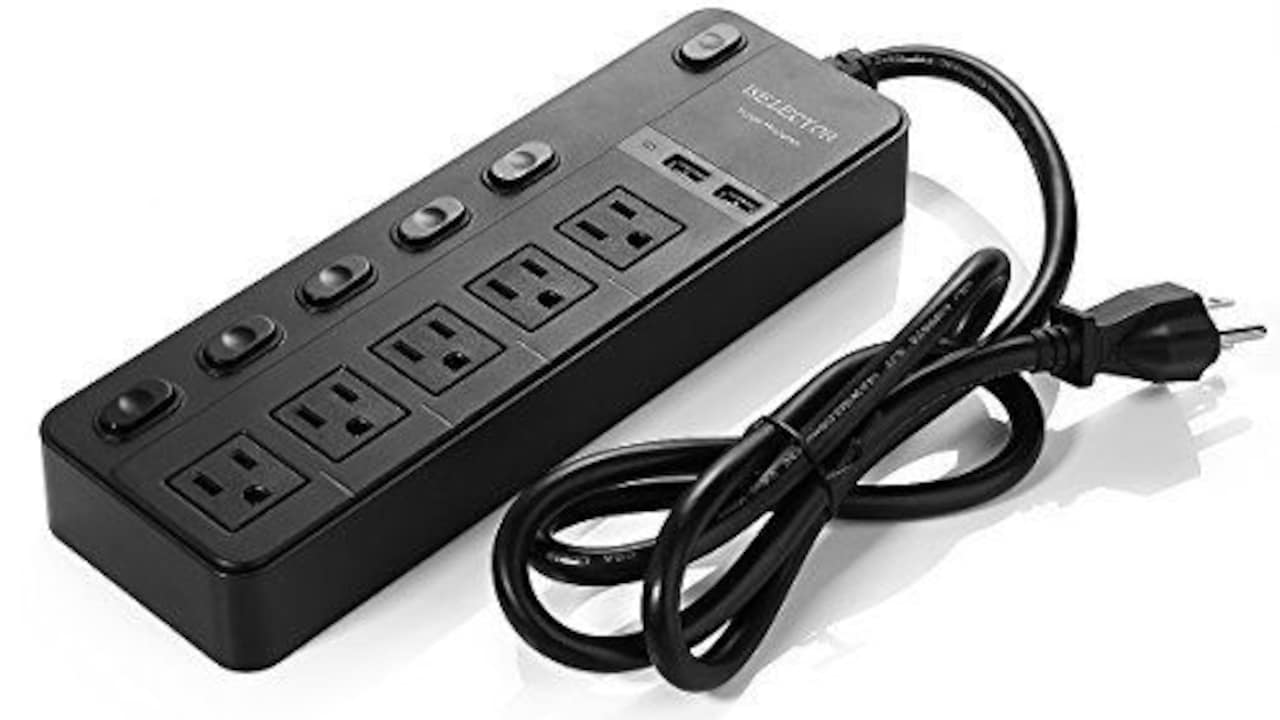
Why Do Extension Boards Heat Up? 10 Common Causes And Safety Tips; Photo Credit: Pexels
Thin Or Long Wires
Wire thickness plays a crucial role in managing electrical flow. Thin wires offer higher resistance, which means they heat up faster when current passes through them. Many extension boards come with long, thin cables that struggle under load.
Long wires add another layer of resistance. The farther electricity travels, the more energy it converts into heat along the way. This explains why some extension boards feel warmer along the cable itself.
Imagine carrying heavy groceries over a long distance. The longer the walk, the more exhausting it becomes. Electricity experiences a similar challenge when travelling through long, thin wires.
This becomes particularly noticeable when using extension boards for devices placed far from the socket, such as televisions or gaming setups. The combination of length and load increases heat buildup.
Choosing extension boards with thicker cables and moderate length significantly reduces this issue and ensures safer operation.
High Power Appliances Sharing The Load
Certain appliances demand more power than others. Air fryers, irons, heaters, and kettles draw significant current. When multiple high-power devices share a single extension board, overheating becomes almost inevitable.
These appliances work like heavy trucks on a narrow road. The road can handle a few vehicles, but too many large ones create congestion and stress. Similarly, an extension board struggles under combined heavy loads.
Many households unknowingly mix high-power appliances with smaller ones on the same board. While the smaller devices barely contribute to the load, the larger ones push the board to its limits.
This situation often leads to rapid heating, especially during prolonged use. The heat may not seem dangerous initially, but repeated exposure weakens internal components.
Separating heavy appliances from extension boards and plugging them directly into wall sockets reduces the risk significantly.
Lack Of Proper Ventilation
Extension boards need space to release heat. Placing them in cramped or enclosed areas traps heat, causing temperatures to rise quickly.
Many people tuck extension boards behind furniture or under carpets to keep things tidy. While this improves aesthetics, it restricts airflow and prevents heat from dissipating.
Heat behaves like steam in a closed kitchen. Without ventilation, it builds up and intensifies. Extension boards follow the same principle.
A board placed in an open area cools down naturally. However, one hidden behind a sofa retains heat, even under normal usage. Over time, this trapped heat damages internal components.
Keeping extension boards in well-ventilated spaces ensures safer operation and extends their lifespan. A little attention to placement goes a long way.
Ageing And Wear
Like any frequently used item, extension boards wear out over time. Continuous use weakens internal wiring, loosens connections, and degrades insulation.
An older extension board might still function, but it no longer performs efficiently. Increased resistance leads to higher heat generation, even with moderate usage.
This gradual decline often goes unnoticed. The board warms slightly at first, then more noticeably as months pass. Eventually, it becomes unsafe.
People tend to hold on to old extension boards out of habit. However, replacing them every few years ensures better safety and performance.
A small investment in a new board often prevents bigger problems, including damaged appliances or electrical hazards.
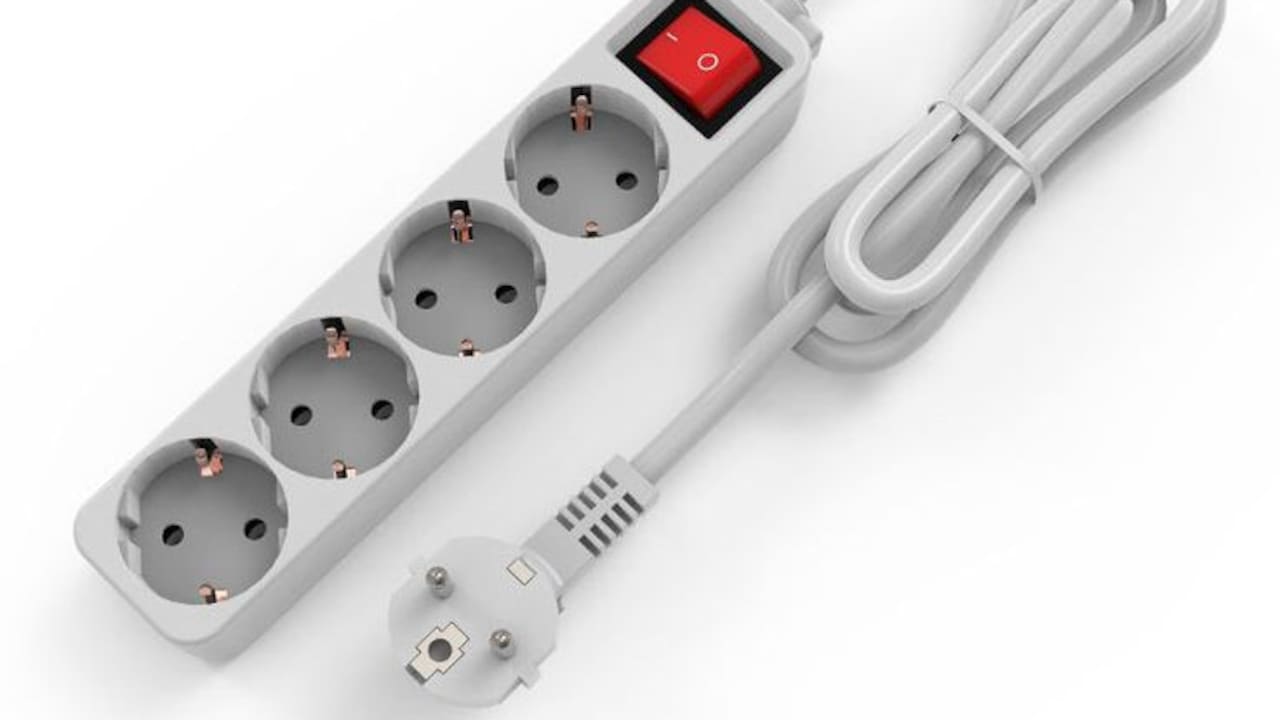
Why Do Extension Boards Heat Up? 10 Common Causes And Safety Tips; Photo Credit: Pexels
Dust And Moisture Accumulation
Dust and moisture might seem harmless, yet they play a significant role in overheating. Dust settles inside the board, affecting connections and increasing resistance.
Moisture adds another layer of risk. Even slight dampness interferes with electrical flow, causing irregular current movement and heat buildup.
This combination acts like friction in a machine. The smoother the system, the less heat it produces. Dust and moisture disrupt that smoothness.
Extension boards placed near windows, kitchens, or floors are more vulnerable to these elements. Over time, the buildup becomes noticeable through increased warmth.
Regular cleaning and keeping boards away from damp areas help maintain efficiency and reduce overheating risks.
Faulty Devices Connected To The Board
Sometimes, the extension board isn't the problem. A faulty device can draw irregular current, placing unexpected strain on the board.
For instance, a damaged charger or an ageing appliance may consume more power than intended. This excessive draw leads to heat buildup in the board.
The situation resembles a single malfunctioning player slowing down an entire team. Even if everything else works perfectly, one issue disrupts the balance.
Identifying such devices can be tricky. However, noticing which appliance causes the board to heat up helps pinpoint the culprit.
Removing or repairing faulty devices not only protects the extension board but also ensures safer overall usage.
Absence Of Safety Features
Modern extension boards often include safety features such as overload protection, surge protection, and automatic shut-off. Older or cheaper models may lack these safeguards.
Without these features, the board continues to operate even under unsafe conditions. This allows heat to build unchecked, increasing the risk of damage or fire.
Safety features act like traffic signals, controlling the flow and preventing chaos. Their absence leaves the system vulnerable.
Many households still rely on basic extension boards without realising the benefits of upgraded versions. Spending slightly more on a board with built-in protection provides peace of mind.
When an extension board shuts off automatically, it signals protection rather than inconvenience. It prevents overheating before it becomes dangerous.
Products Related To This Article
1. GM 3060 Extension Board 10Amp Output 250 Volts with 2 Mtr Extension Cord & Surge Protector
2. Goldmedal i-Design 4x1 Extension Board
3. Ambrane Extension Board, 4 Type C
4. Portronics Power Plate 10 Extension Board with 4 Universal Sockets
5. Anchor by Panasonic 2 Universal Socket Extension Board
Extension boards simplify daily life, yet they demand mindful usage. Heat generation is not random; it reflects how electricity responds to load, resistance, and conditions. From overloading and poor materials to ageing and faulty devices, several factors contribute to the warmth often felt beneath the surface.
Treating extension boards with care transforms them from potential hazards into reliable helpers. Choosing quality products, avoiding excessive loads, and ensuring proper placement create a safer environment without much effort.
That slight warmth is more than a passing inconvenience. It serves as a reminder that even the most ordinary objects follow rules worth respecting. Understanding those rules keeps homes safer, appliances healthier, and everyday routines running smoothly.
(Disclaimer: This article may include references to or features of products and services made available through affiliate marketing campaigns. NDTV Convergence Limited (“NDTV”) strives to maintain editorial independence while participating in such campaigns. NDTV does not assume responsibility for the performance or claims of any featured products or services.)